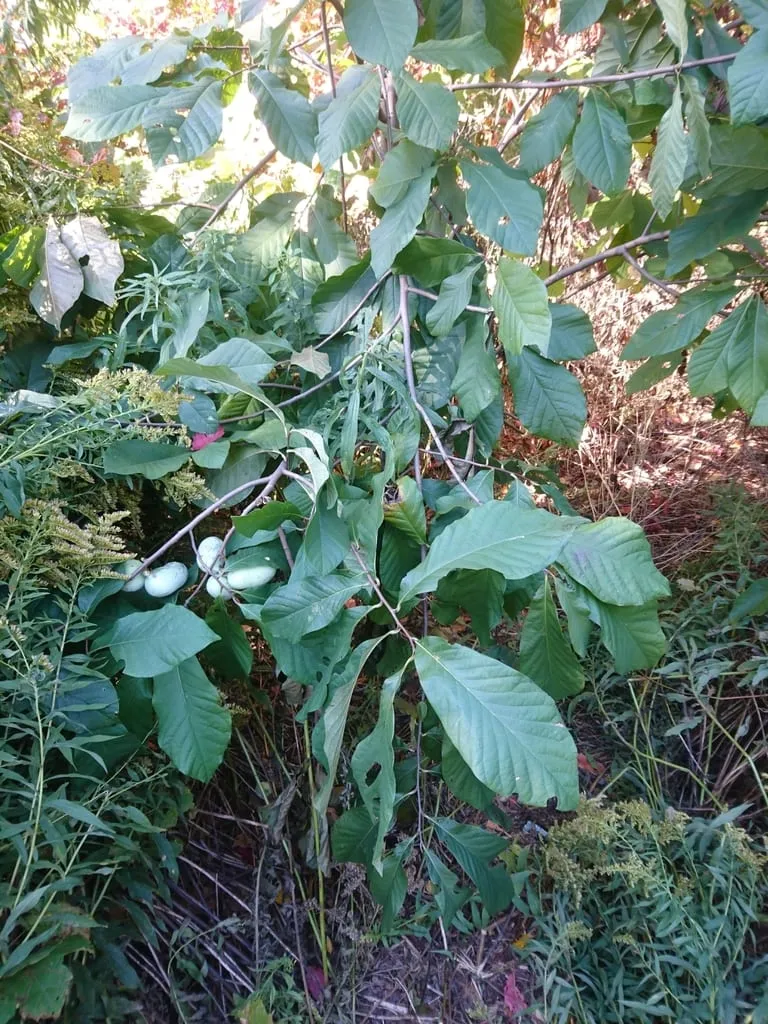
fruit tree in zone 6a
Growing pawpaw in zone 6a
Asimina triloba
- Zone
- 6a -10°F to -5°F
- Growing season
- 180 days
- Chill needed
- 400 to 500 below 45°F
- Suitable varieties
- 4
- Days to harvest
- 150 to 180
The verdict
Zone 6a sits comfortably within the pawpaw's native range, making this a sweet spot rather than a marginal zone. The chill-hour requirement of 400 to 500 hours presents no obstacle: zone 6a winters routinely deliver 900 or more chill hours, so trees will break dormancy on a reliable schedule without under-chilling concerns. Minimum winter temperatures of -10 to -5°F fall well within the species' cold hardiness, which extends to approximately -20°F for established trees.
All four compatible varieties listed here (Sunflower, Shenandoah, Susquehanna, NC-1) are well suited to this zone. The primary limiting factor is not cold hardiness but the early bloom window: pawpaw flowers open in late March to mid-April, directly overlapping with typical last-frost dates for zone 6a. Fruit set is reliable in most years, but cold snap timing in any given spring can reduce yields noticeably.
Recommended varieties for zone 6a
4 cultivars suited to this zone, with disease-resistance and zone-fit annotations.
| Variety | Notes | Zone fit | Disease resistance |
|---|---|---|---|
| Sunflower fits zone 6a | Custard texture, tropical mango-banana flavor; eat fresh with a spoon, or freeze pulp for smoothies and baking. Partially self-fertile, large fruit. | | none noted |
| Shenandoah fits zone 6a | Mild tropical flavor, less of the funky aftertaste some pawpaws have; smooth custard texture, low seed count. Best entry-level cultivar for new pawpaw growers. | | none noted |
| Susquehanna fits zone 6a | Rich, complex flavor with vanilla-pear notes; large fruit, low seed count. Considered one of the best-tasting cultivars. | | none noted |
| NC-1 fits zone 6a | Sweet, mild banana-mango flavor; cold-hardy selection from northern stock. Reliable in zone 5. | | none noted |
Critical timing for zone 6a
Pawpaw blooms in zone 6a from late March through mid-April, when late frosts remain possible. Flowers appear before the leaves and depend on flies and beetles for pollination, insects that are less active during cold snaps than bees. This mismatch between bloom timing and reliable pollinator activity is the main scheduling risk for the zone.
Fruit development takes approximately 150 to 175 days from pollination. In zone 6a, with a 180-day growing season, harvest falls in mid-September through early October, ahead of the first killing frost in most years. The margin is adequate but not generous: an early first frost before mid-October can catch late-producing varieties still ripening. Sunflower is among the earlier-maturing selections on this list and is a reasonable first choice for growers in the cooler parts of zone 6a.
Common challenges in zone 6a
- ▸ Brown rot in stone fruit
- ▸ Japanese beetles
- ▸ Spring frost damage to peach buds
Modified care for zone 6a
Young pawpaw transplants prefer partial shade for the first two to three years, reflecting their native understory habit. In zone 6a, providing temporary shade cloth or siting transplants near taller trees reduces leaf scorch and transplant stress through the first few summers. Established trees tolerate full sun without difficulty.
Pollination requires deliberate planning. Pawpaw flowers are not reliably visited by honeybees; hand-pollinating with a small brush between two genetically distinct trees (any two of the listed varieties qualify) consistently improves fruit set. In years with late cold snaps that suppress fly and beetle activity during bloom, hand pollination becomes particularly important.
Japanese beetles, a noted zone challenge, do feed on pawpaw foliage, though the tree's acetogenin compounds provide some natural deterrence compared to other fruit crops. Monitoring during peak beetle pressure in July and August is worthwhile; heavy intervention is rarely necessary on established trees.
Frequently asked questions
- Is zone 6a too cold for pawpaw trees to survive winter?
No. Established pawpaw trees are cold-hardy to approximately -20°F, well beyond the -10 to -5°F minimum temperatures typical of zone 6a. Young transplants in their first winter benefit from a layer of mulch at the base, but mature trees require no special cold protection in this zone.
- Do pawpaw trees need a pollination partner in zone 6a?
Yes, and this is true regardless of zone. Pawpaw trees are self-incompatible, meaning a single tree or two trees from the same clone will set little to no fruit. Plant at least two genetically distinct named varieties within 30 to 50 feet of each other. Hand pollination with a small brush is a reliable supplement when natural pollinator activity is low.
- Which pawpaw variety is best for zone 6a?
Sunflower and NC-1 are established performers in the cooler end of zone 6a, with relatively early maturity that reduces the risk of fruit being caught by an early fall frost. Shenandoah and Susquehanna offer larger fruit and strong flavor but may ripen slightly later, which is a minor concern in the shorter end of a 180-day season.
- When should pawpaw trees be planted in zone 6a?
Spring planting, after the last frost date (typically mid-April in zone 6a), is preferred. Pawpaw transplants are sensitive to root disturbance, so bare-root planting is generally not recommended; container-grown or potted trees establish more reliably. Avoid fall planting, as the root system needs a full growing season to establish before facing winter.
+−
+−
+−
+−
Pawpaw in adjacent zones
Image: "common pawpaw", by no rights reserved, via iNaturalist, licensed under CC0 Source.
Related