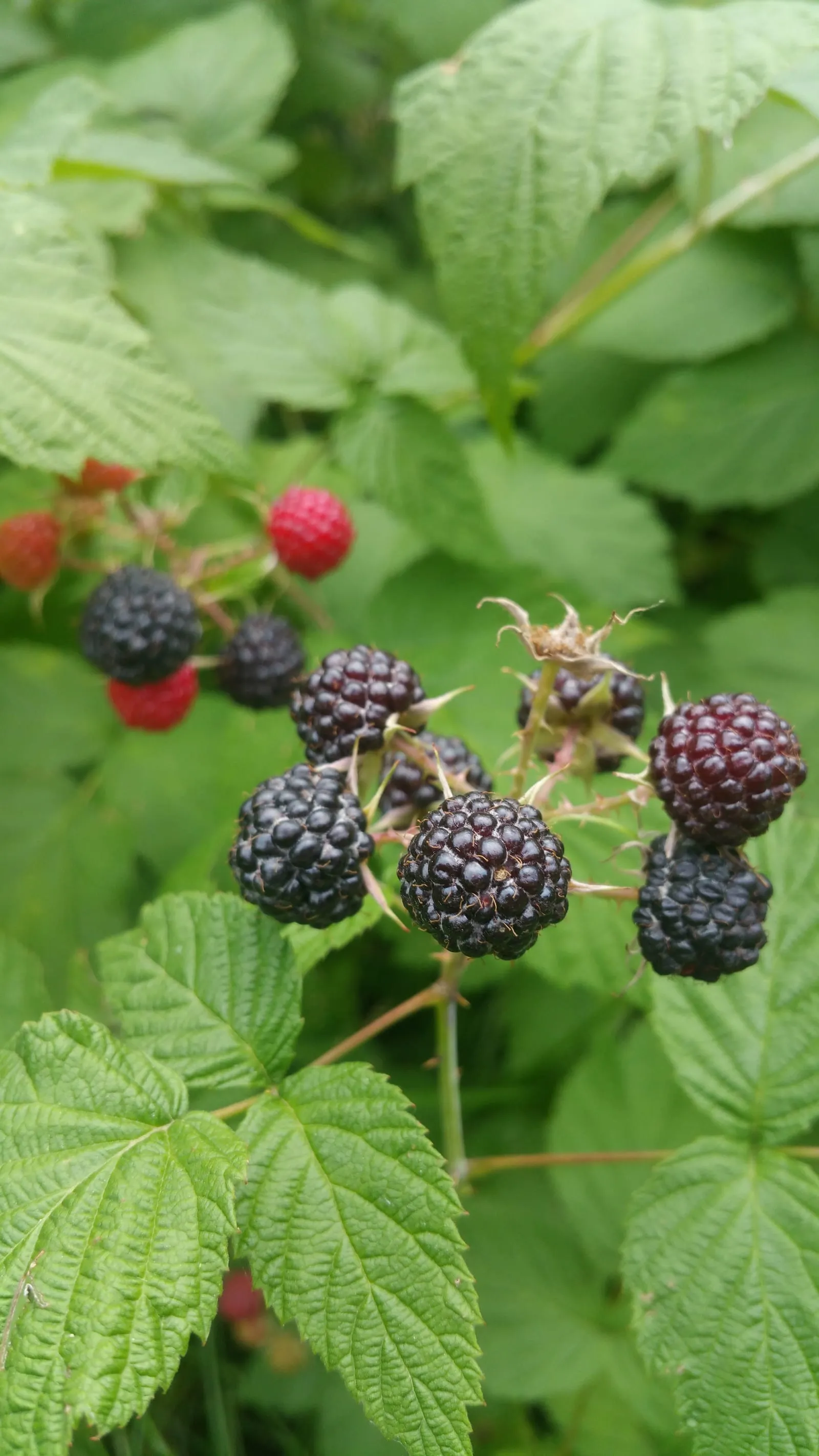
berry
Black Raspberry
Rubus occidentalis
USDA hardiness range
- Zones
- 4a–8a
- Chill hours
- 700 to 1000 below 45°F
- Days to harvest
- 30 to 50
- Sun
- Full
- Water
- Moderate
- Lifespan
- 8 to 10 years
Growing black raspberry
Black raspberry (Rubus occidentalis) carries a depth of flavor that sets it apart from red raspberry and blackberry. The taste is intensely sweet with a rich, vinous complexity that makes it prized for fresh eating, jam, baking, and freezing. That intensity comes with tradeoffs: black raspberry is more demanding to grow successfully than most other cane fruits, and the margin between a productive planting and a failing one is narrower.
The crop is well-suited to zones 4a through 7b, where winters reliably deliver the 700 to 1,000 chill hours required for adequate dormancy. Zone 8a represents the outer boundary. Summer heat in the deep South compresses ripening and degrades fruit quality, and chill-hour accumulation in many zone 8a locations is marginal. Growers there should verify local chill-hour averages against variety requirements before planting.
Fruit develops 30 to 50 days after bloom, typically mid-summer depending on zone. The harvest window is short and the fruit is fragile at peak ripeness. Hot weather accelerates softening and increases vulnerability to spotted wing drosophila, so prompt, complete harvest matters in zones 6 and warmer.
The primary reason home plantings fail is disease pressure, particularly orange rust, a systemic fungal disease that kills plants permanently once established. Growers who succeed long-term are deliberate about site selection, start with certified disease-free stock, and manage canes consistently. Established plants remain productive for 8 to 10 years under good management. (Cornell Black Raspberry)
Recommended varieties
See all 4 →4 cultivars for home growers, with notes on flavor, ripening, and disease resistance.
| Variety | Notes | Zone fit | Disease resistance |
|---|---|---|---|
| Jewel | Intensely sweet, rich, deeply complex flavor; fresh, jam, baking, freezing. The standard summer-bearing black raspberry, most widely planted. Vigorous, productive. | | none noted |
| Bristol | Sweet, full-bodied flavor, large firm berries; fresh and processing. Vigorous summer-bearing variety with strong upright canes. | | none noted |
| Mac Black | Sweet-tart, rich, complex; fresh, jam. Late-ripening summer bearer, extends the black raspberry harvest. Cold-hardy. | | none noted |
| Niwot | Sweet, intensely flavored, the only true everbearing black raspberry; fresh eating premium. Primary fall crop on first-year canes. | | none noted |
Soil and site requirements
Black raspberry performs best in well-drained, loamy soil with a pH of 5.6 to 6.2. Drainage is not optional: standing water or compacted subsoil creates conditions where phytophthora root rot takes hold quickly. Raised beds or gently sloping ground addresses drainage problems in heavier clay soils. Low-lying areas should be avoided not only for drainage reasons but because cold air settles in depressions and can damage emerging canes during late spring frosts.
Full sun is required. Six to eight hours of direct sun per day is a minimum, and more is better. Plantings in partial shade produce weaker canes, lower fruit density, and significantly higher disease pressure. Cane anthracnose and gray mold both thrive in the humid, poorly ventilated conditions that shading creates.
Space plants 2.5 to 3 feet apart within rows, with 8 to 10 feet between rows. Black raspberry does not sucker from roots the way red raspberry does, so the planting stays more contained. However, arching primocanes will tip-root naturally if they reach the ground; trellising or regular pruning prevents unwanted spread.
Site selection should also account for proximity to wild Rubus species. Wild raspberry, blackberry, and abandoned bramble plantings harbor orange rust spores and raspberry mosaic virus complex. Locating new plantings as far as practical from these reservoirs reduces inoculum pressure substantially. (Ohio State Black Raspberry)
Common diseases
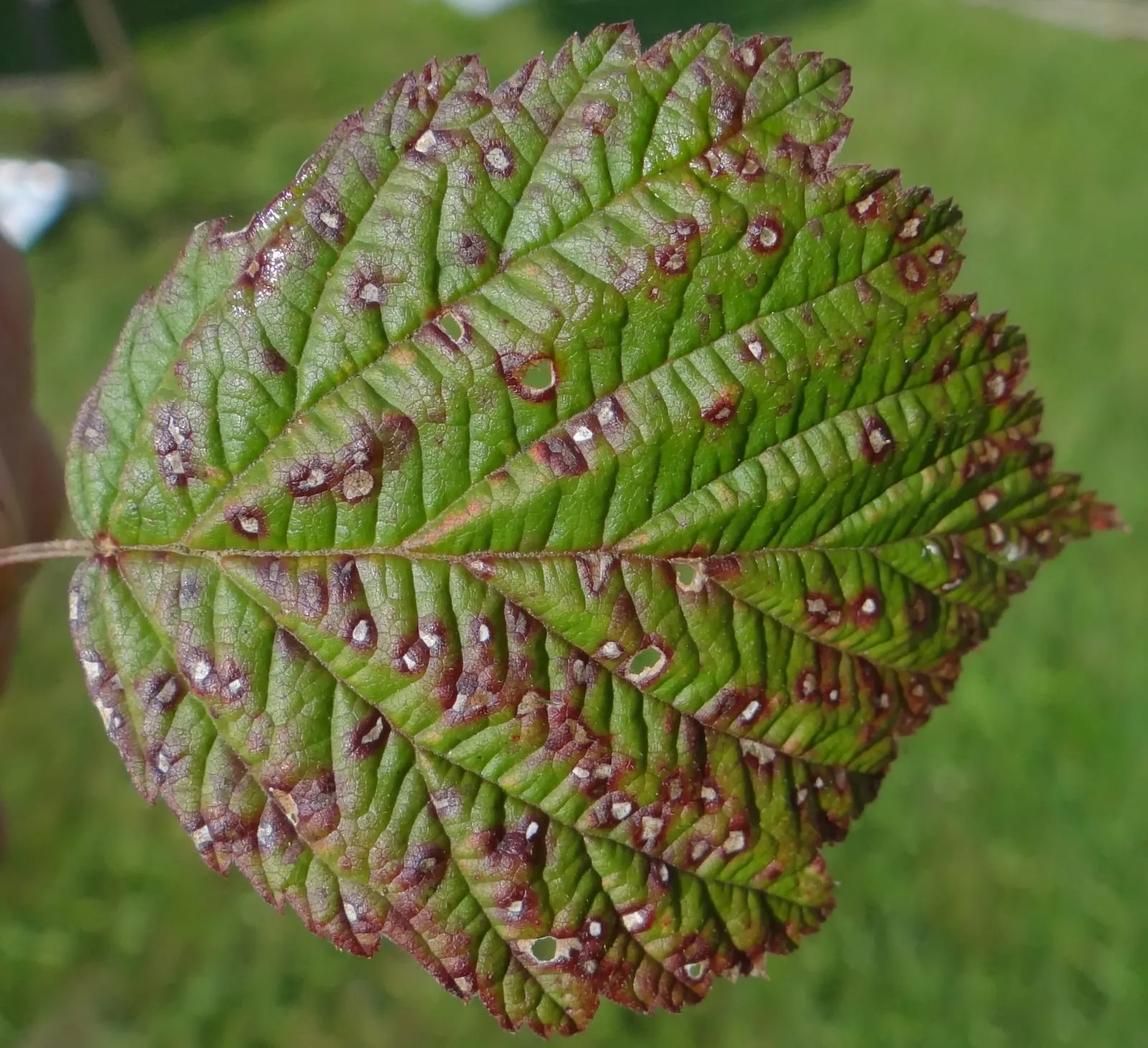
Elsinoe veneta
Fungal cane disease causing purple-bordered lesions that girdle and weaken bramble and Ribes canes, reducing yield over consecutive seasons.
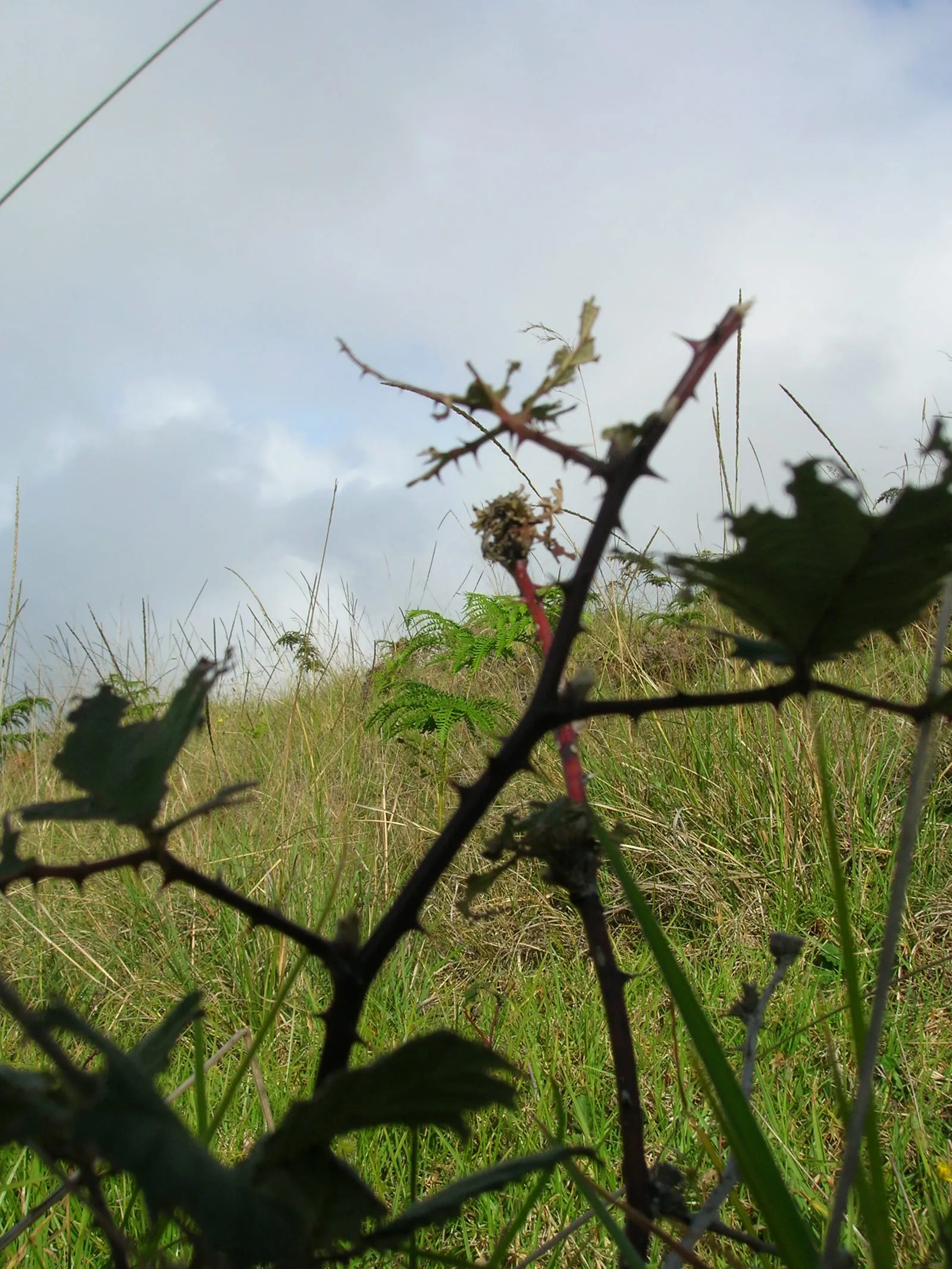
Leptosphaeria coniothyrium
Fungal disease that enters through wounds (often from cane-borer or pruning cuts) and causes dark cankers that wilt and kill canes.
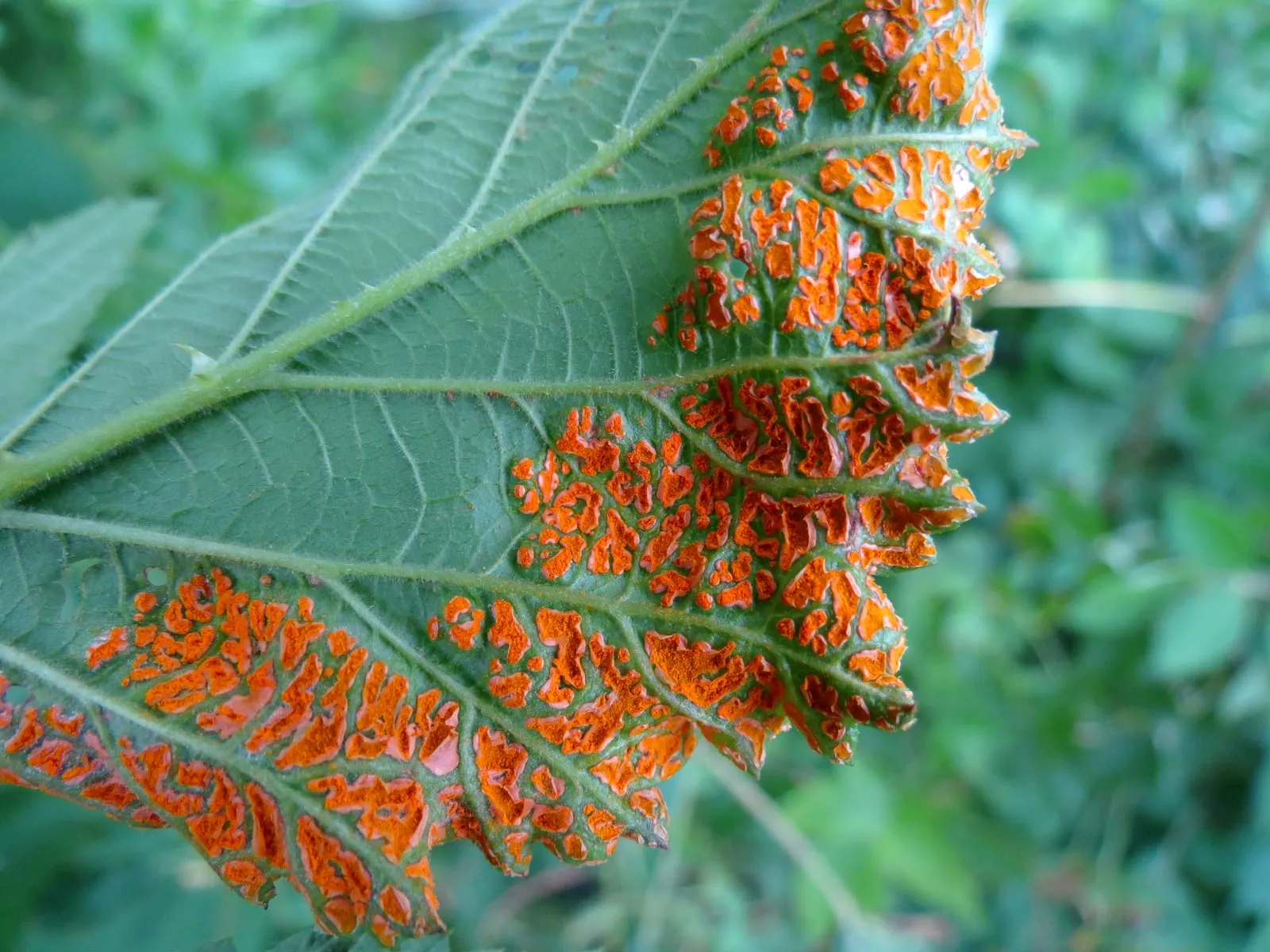
Arthuriomyces peckianus
Systemic fungal disease that permanently infects black raspberries and blackberries (not red raspberry); infected plants must be removed entirely.
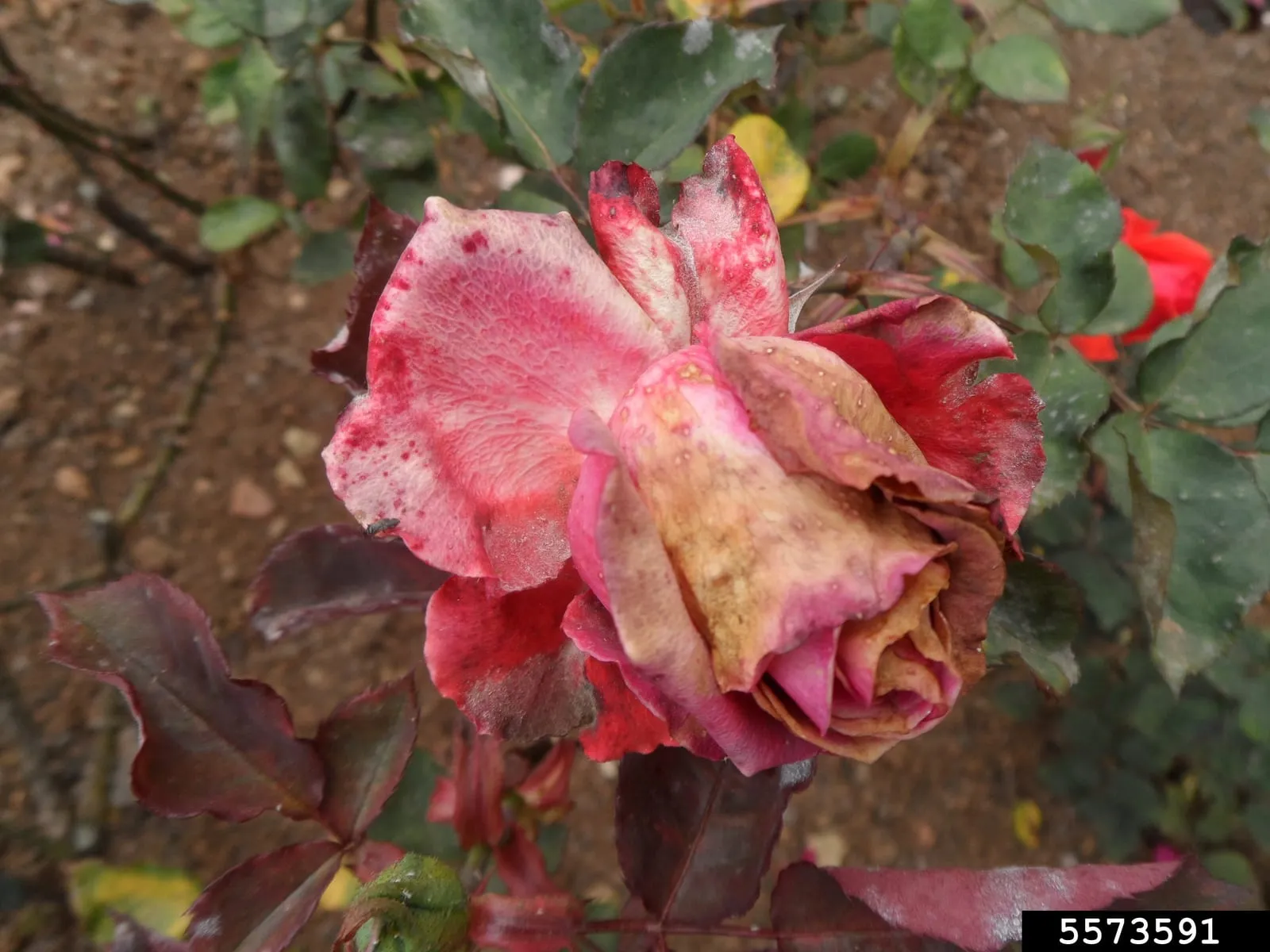
Botrytis cinerea
Ubiquitous fungal disease that causes fruit rot during cool wet weather, often the dominant berry disease in humid regions.
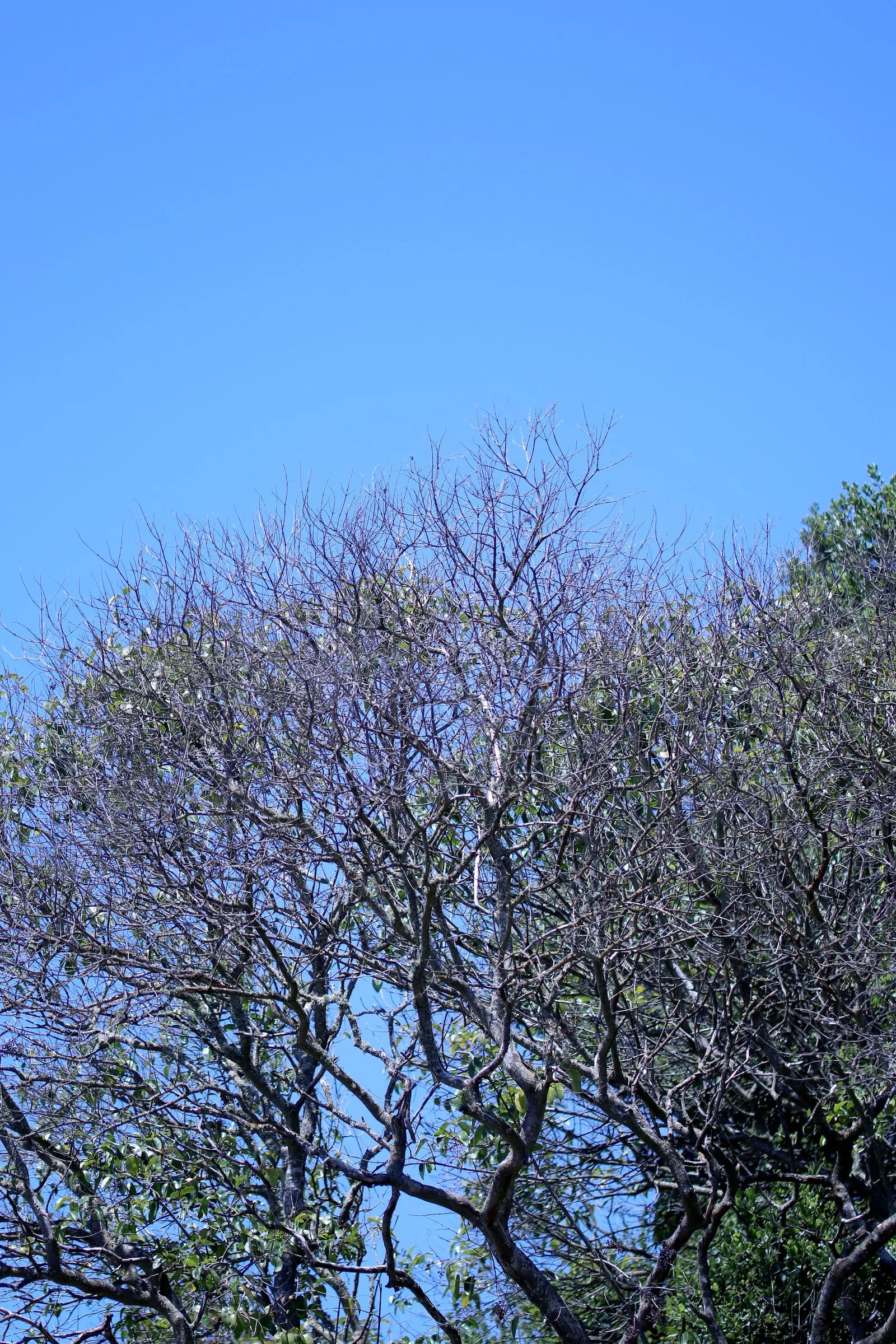
Phytophthora species
Soil-borne water mold that destroys roots in waterlogged soils, the leading cause of blueberry decline in poorly drained sites.
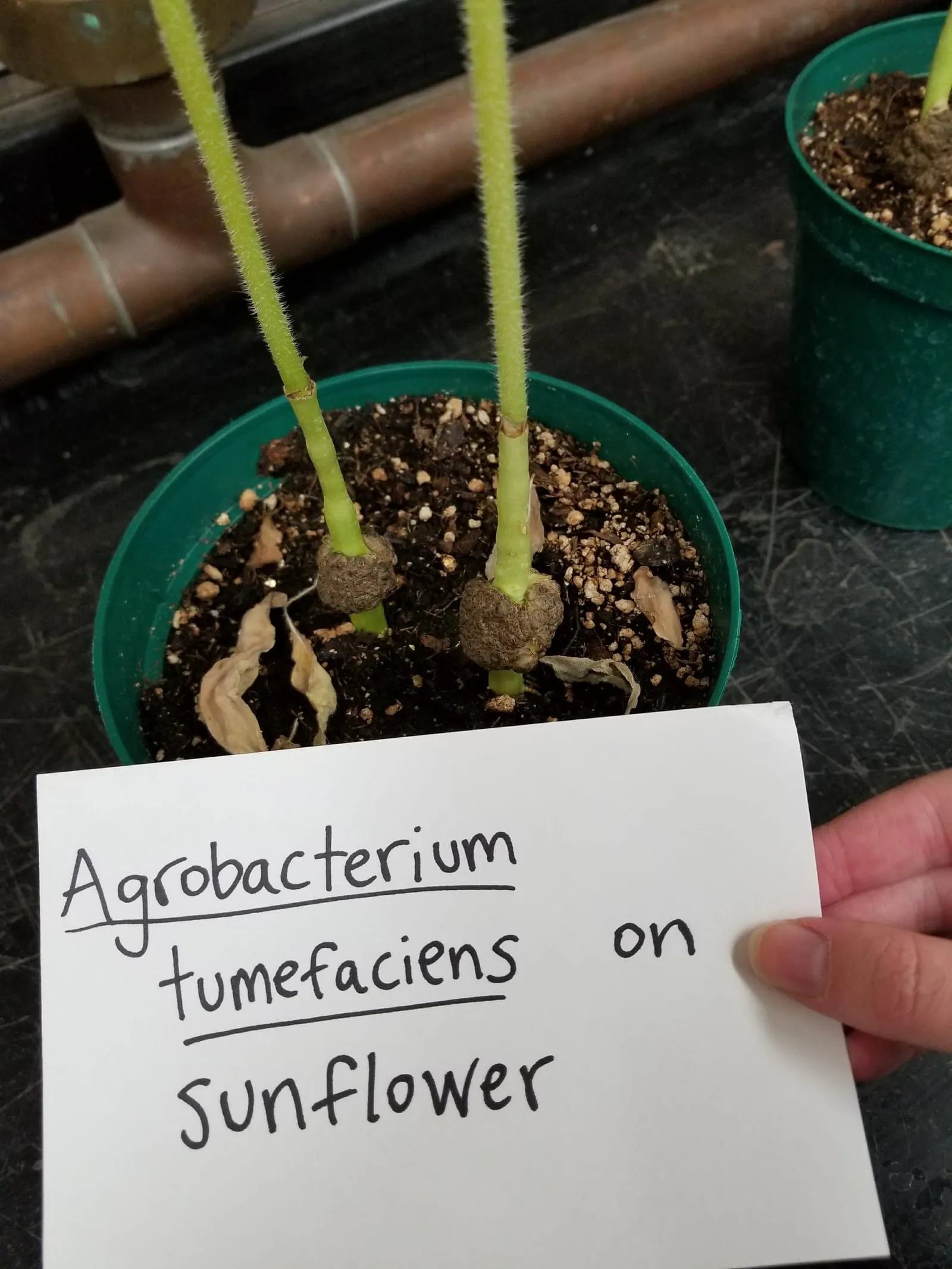
Agrobacterium tumefaciens
Soil-borne bacterium that enters plants through wounds and induces tumor-like galls on roots, crown, and lower stems. Galls reduce vigor and shorten plant lifespan; on Rubus the disease is often fatal.
Common pests
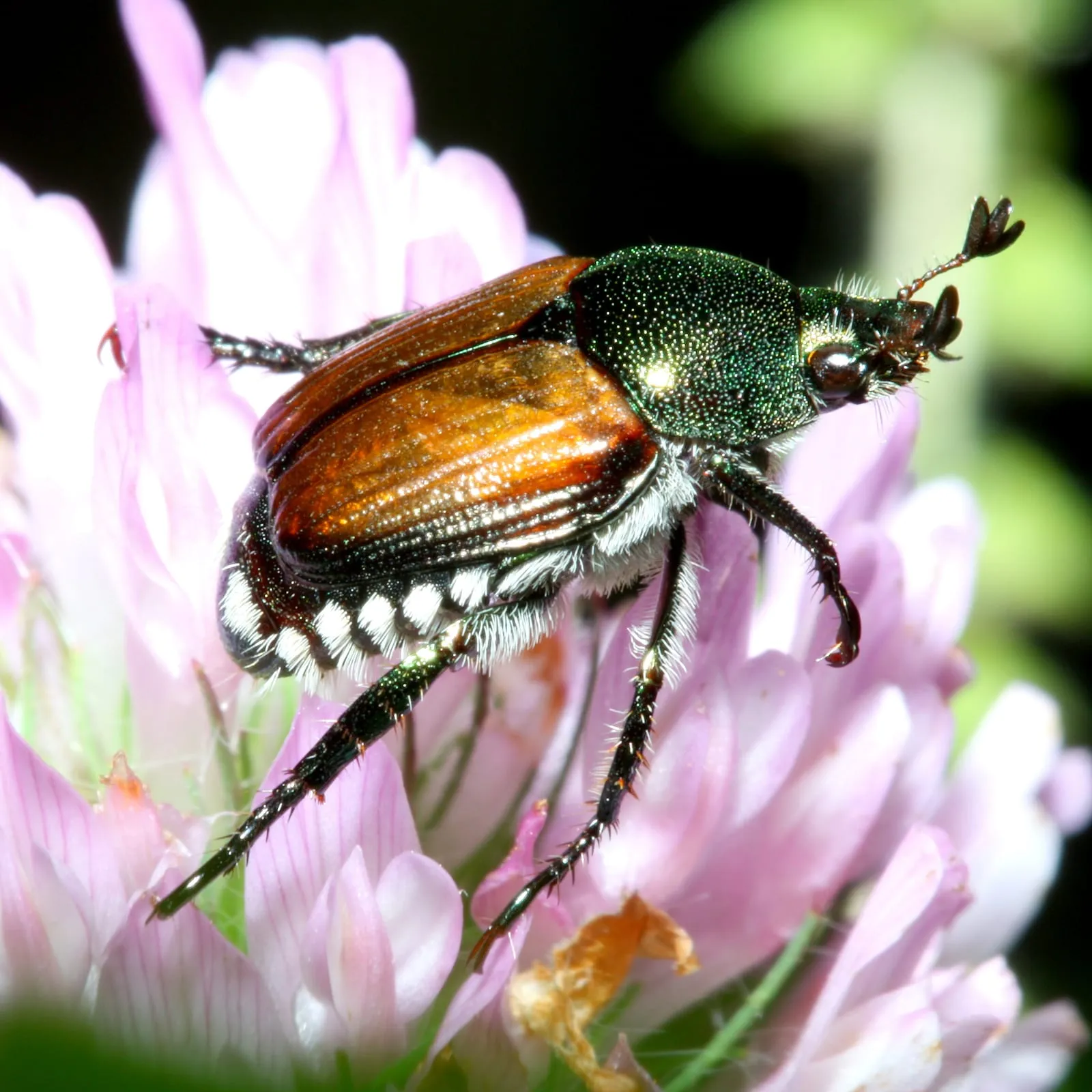
Popillia japonica
Defoliating beetle introduced to North America in 1916. Skeletonizes leaves of many fruit trees, berry canes, and pecan.
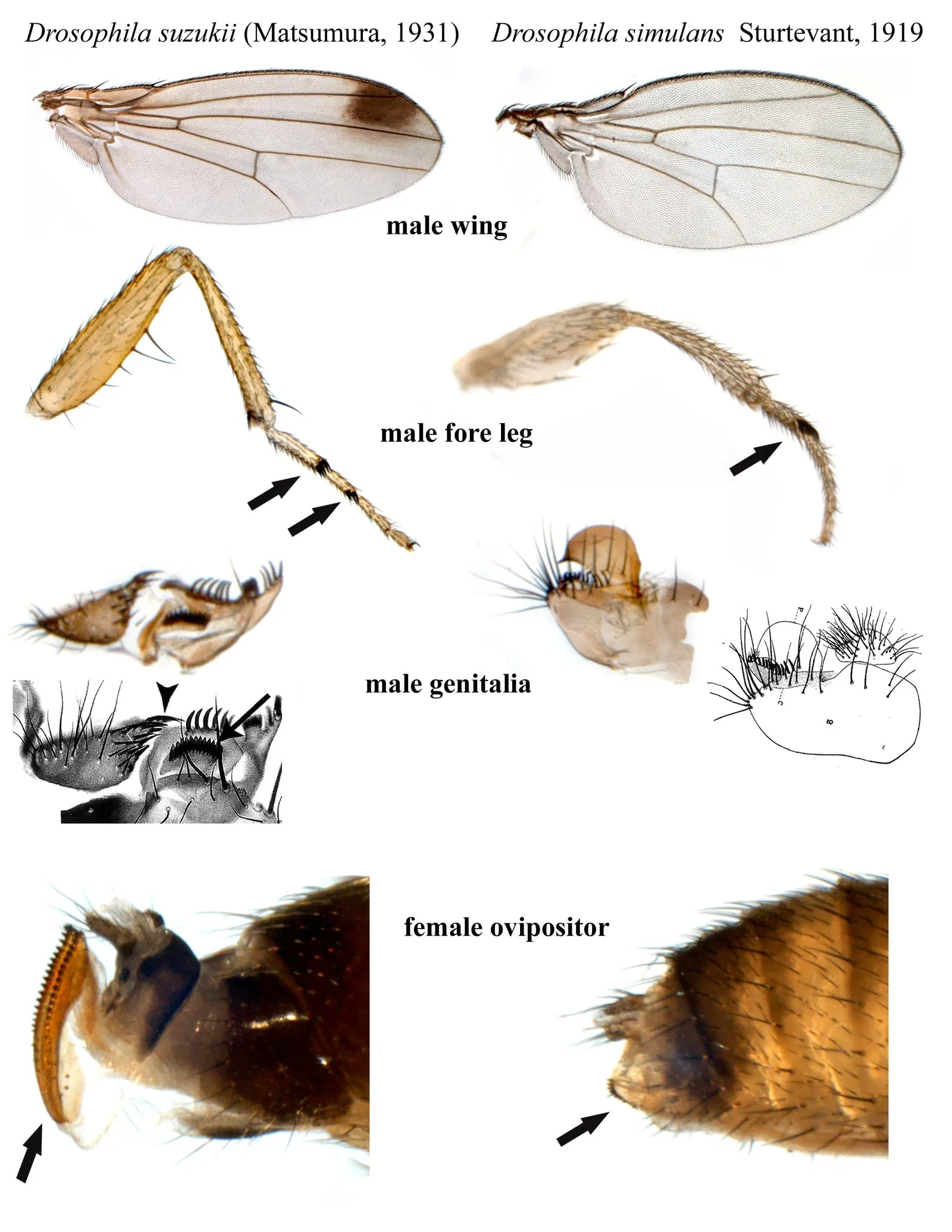
Drosophila suzukii
Invasive vinegar fly that attacks ripening soft fruit, unlike native Drosophila species which target overripe fruit. Now the dominant berry-and-cherry pest across the US.
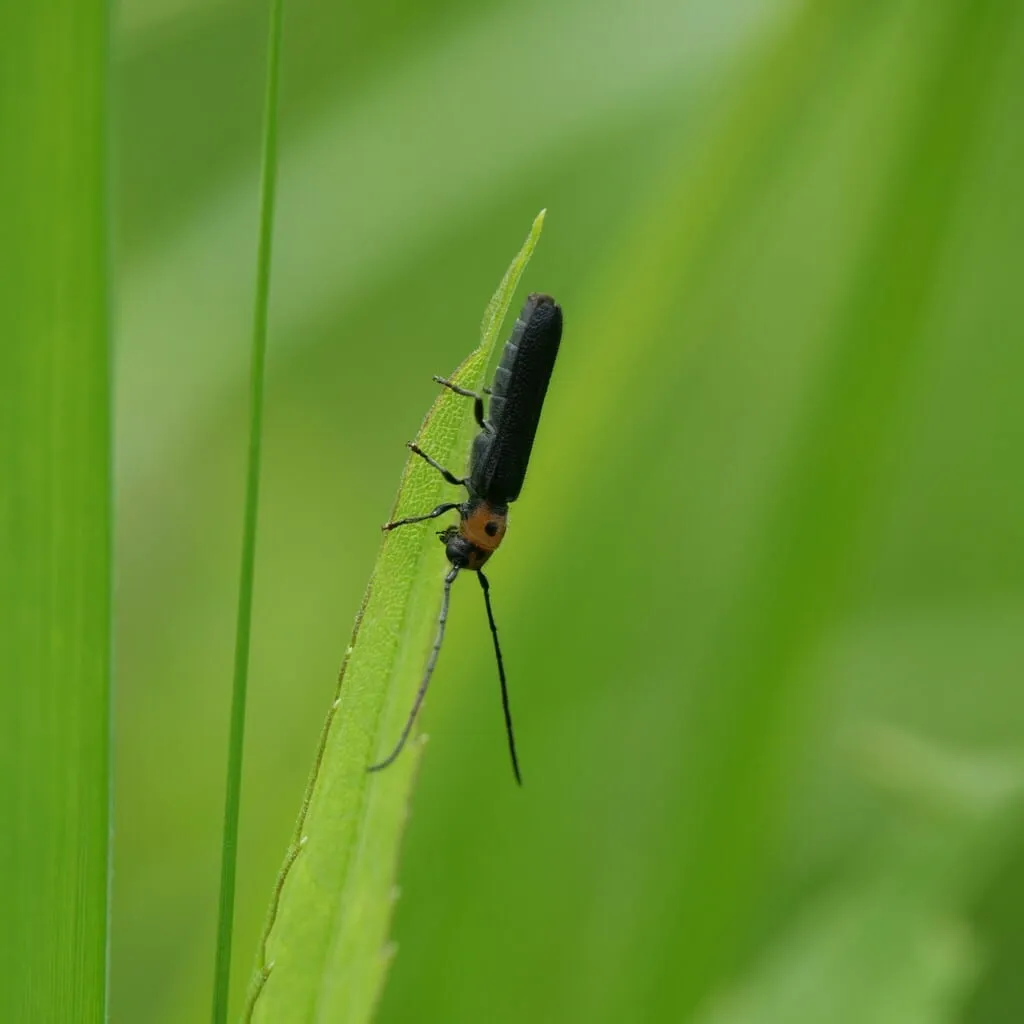
Oberea bimaculata
Long-horned beetle whose larvae girdle and tunnel into bramble canes, causing characteristic wilted shoot tips.
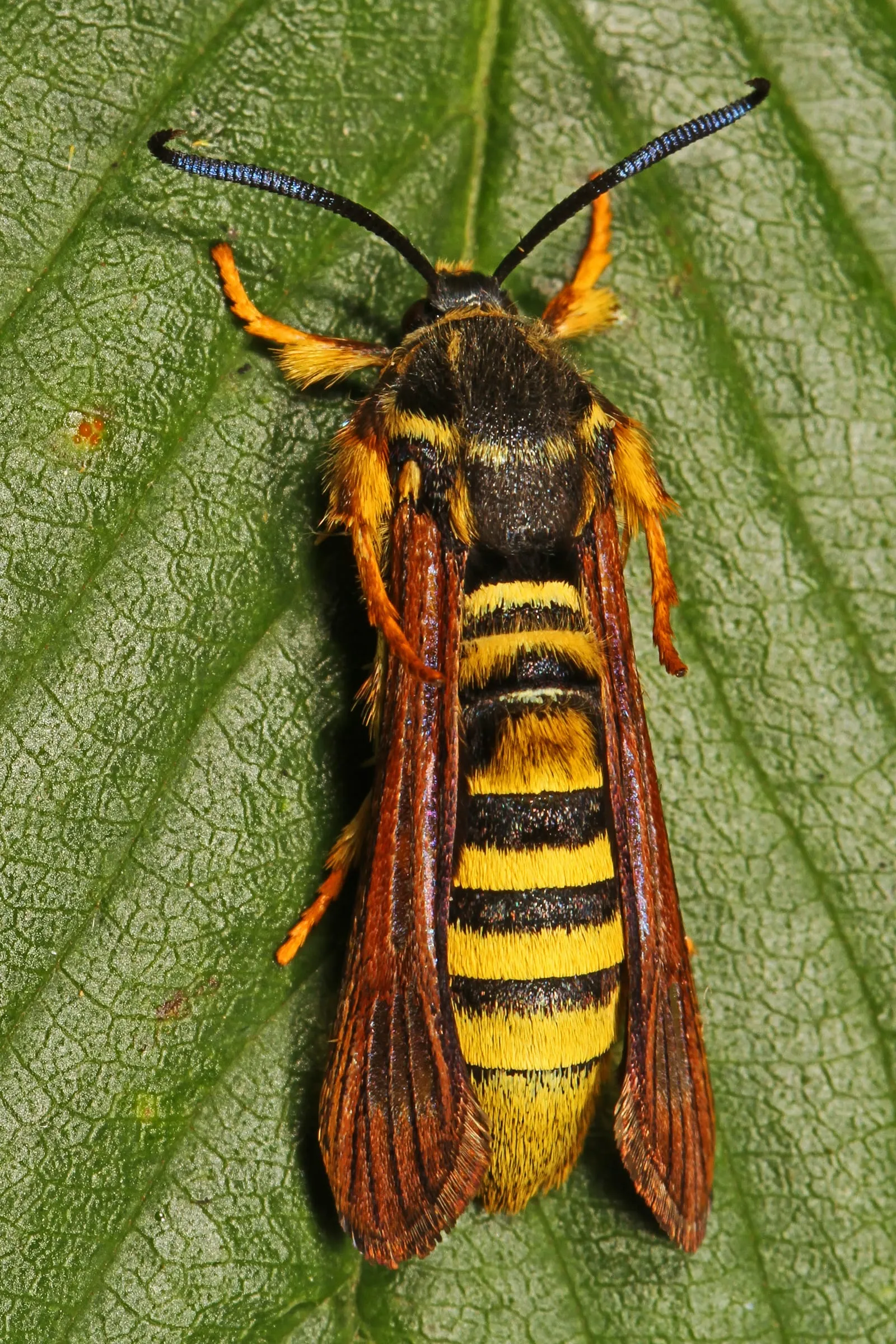
Pennisetia marginata
Clearwing moth whose larvae feed in the crown and lower canes of raspberries, often killing entire plants over two years.
Multiple species
Robins, catbirds, mockingbirds, starlings, cedar waxwings and other songbirds can strip ripening berry and fruit crops in days. Crows and blackbirds also damage fresh sweet corn ears in milk stage. The single biggest yield-loss factor in unprotected home plantings.
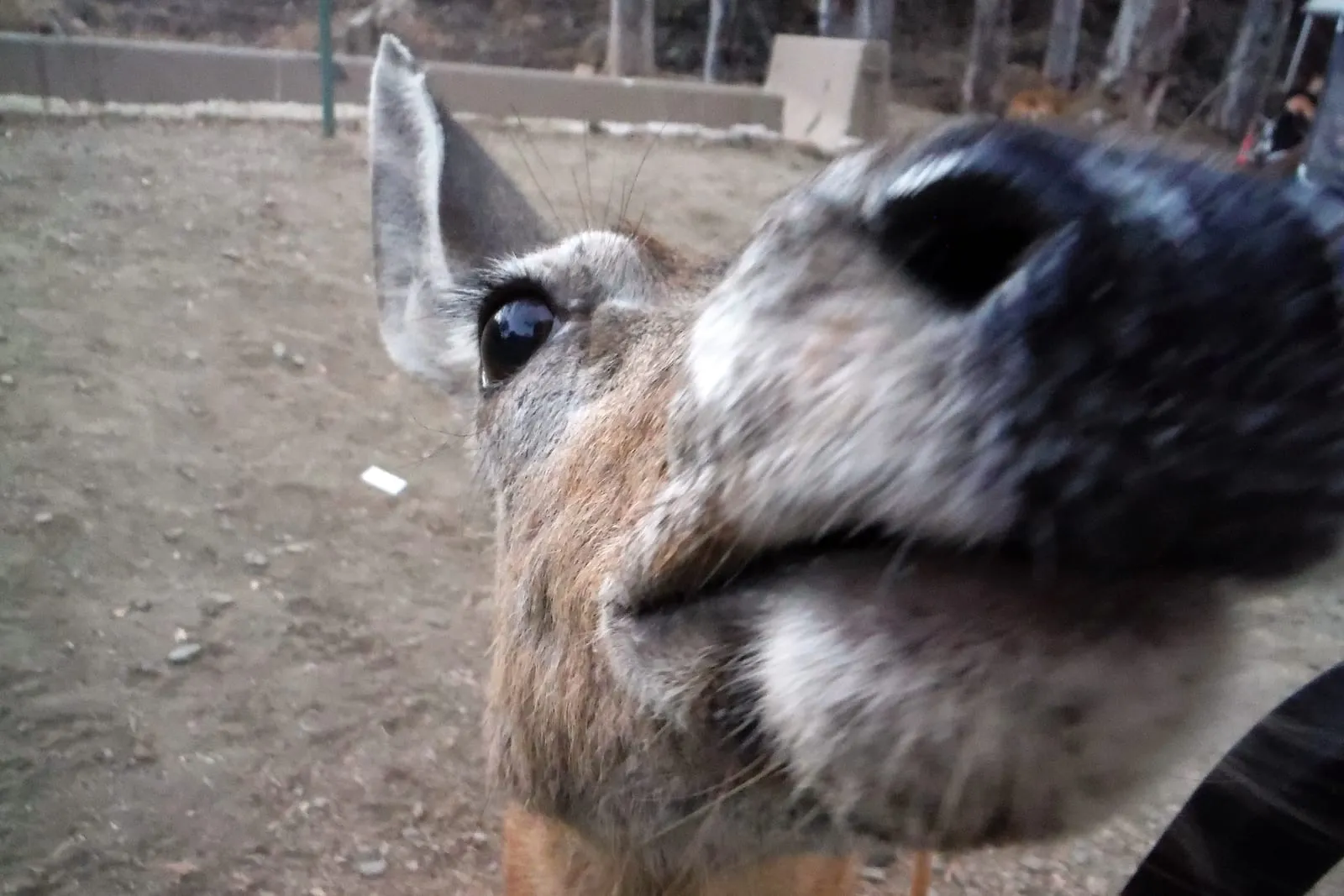
Odocoileus species
Whitetail and mule deer browse can devastate orchards and gardens, particularly in winter when food is scarce. Antler rub on young trunks kills saplings outright.
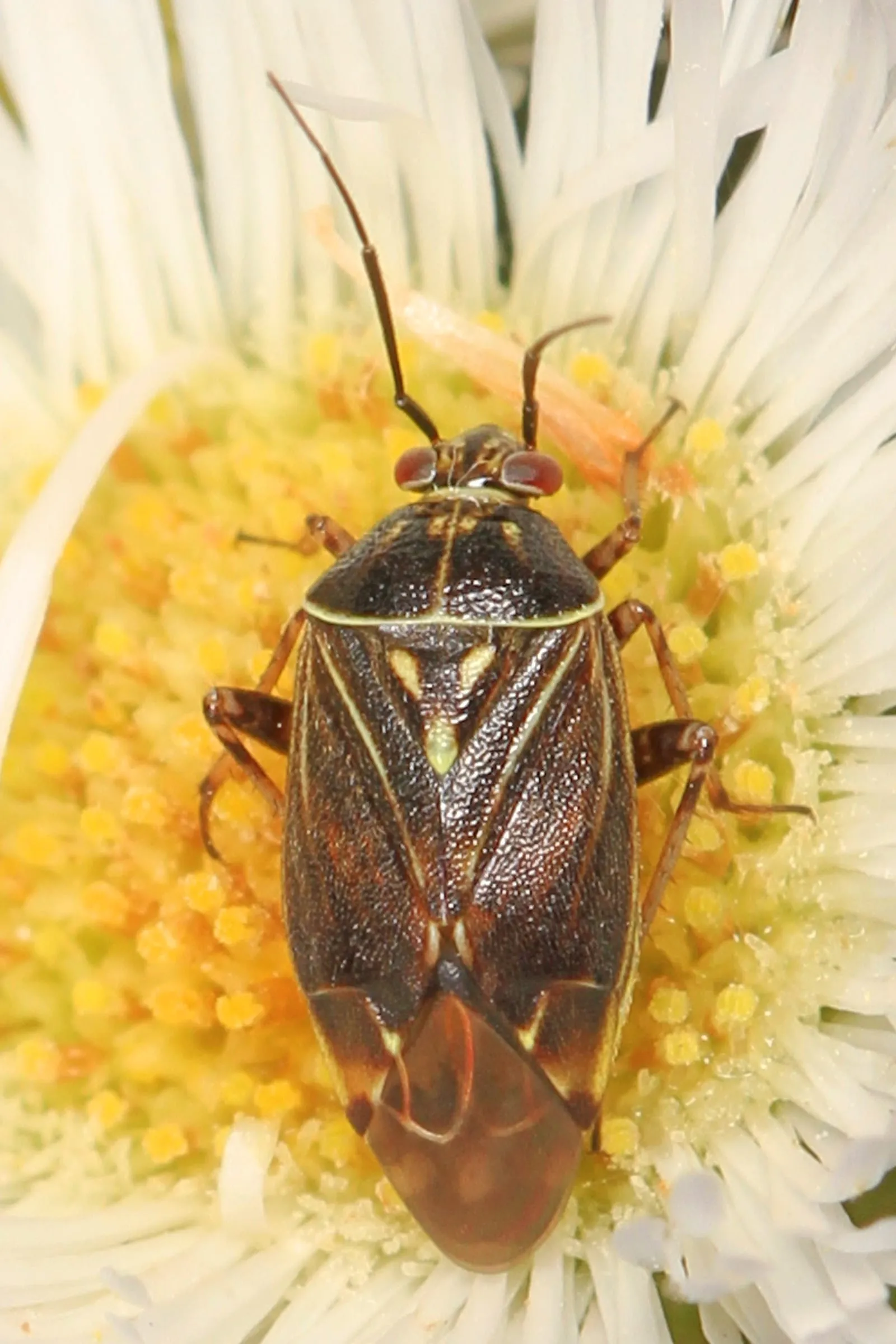
Lygus lineolaris
Mottled brown sucking bug that probes flower buds and developing fruit, causing 'cat-facing' deformities on tomato, peach, and strawberry. Wide host range and rapid generations.
Common challenges
Orange rust is the single most serious disease risk for black raspberry. Unlike most fungal diseases, it is systemic: once a plant is infected, the pathogen colonizes the entire root system and no fungicide application will eliminate it. Infected plants show bright orange, powdery spore masses on the undersides of leaves, typically in spring. The only management option is immediate removal and destruction of the entire plant, including roots. Prevention depends on starting with certified disease-free planting stock and eliminating nearby wild Rubus species that act as inoculum sources.
Spotted wing drosophila (SWD) has become a major pest across zones 5 through 8a. Unlike other fruit fly species, SWD attacks intact, ripe fruit. Black raspberry is particularly susceptible because of its soft skin at peak ripeness. Population pressure peaks in mid-summer, overlapping directly with harvest. Monitoring with baited traps helps gauge pressure, and prompt, thorough harvest removes the resource SWD populations depend on. Netting is the most reliable physical barrier for home plantings.
Cane borer damage is common and often misread. Raspberry cane borer causes wilted, drooping primocane tips in early summer, a symptom sometimes attributed to disease. Cutting 6 inches below the wilted tip and disposing of the removed material disrupts the beetle's two-year life cycle. Raspberry crown borer larvae feed at the crown and root level and are harder to detect; unexplained stand decline over two or more seasons with no clear disease diagnosis should prompt inspection of crowns for feeding galleries.
Companion plants
Frequently asked questions
- How many chill hours does black raspberry require?
Black raspberry requires 700 to 1,000 chill hours (hours at or below 45°F) during winter dormancy. Most locations in zones 4a through 7b accumulate sufficient chill hours reliably. Growers in zone 7b and warmer should verify local historical chill-hour averages, as accumulation varies considerably within zones.
- How long does it take for black raspberry to ripen after bloom?
Fruit typically ripens 30 to 50 days after bloom. Warmer zones reach harvest earlier in the season, and hot summers compress the window further. The harvest period itself is short, usually one to three weeks, and fruit deteriorates quickly once fully ripe.
- Which USDA hardiness zones support black raspberry?
Black raspberry grows reliably in zones 4a through 7b. Zone 8a is the outer limit, where marginal chill-hour accumulation and summer heat stress make consistent production difficult. Within zones 4a and 4b, cold-hardy varieties such as Mac Black offer better winter survival.
- Does black raspberry need a separate pollinator plant?
Black raspberry is self-fertile and will set fruit without a second variety nearby. Planting more than one variety is not required, though a mix of varieties can extend the harvest window modestly, as ripening times differ by several days across varieties.
- What is the most dangerous disease for black raspberry?
Orange rust is the most serious disease. It is systemic and incurable: infected plants must be removed and destroyed, roots included. There is no fungicide treatment that eliminates established infection. Prevention through certified disease-free stock and removal of nearby wild Rubus species is the only reliable management strategy.
- How long does a black raspberry planting remain productive?
A well-managed planting typically remains productive for 8 to 10 years. Disease pressure, particularly from orange rust and cane diseases, is the most common reason plantings decline before that window closes. Consistent cane sanitation and good site drainage extend productive life considerably.
- Can black raspberry grow in zone 8a?
Zone 8a is at the edge of the crop's viable range. Chill-hour accumulation is marginal in many zone 8a locations, and summer heat can degrade fruit quality and accelerate pest pressure. Growers in the cooler or higher-elevation portions of zone 8a, where winters are more reliable, have the best prospects.
+−
+−
+−
+−
+−
+−
+−
Sources
Image: "Rubus occidentalis (35029818313)", by Karen Hine, via Wikimedia Commons, licensed under CC-BY. Source.
.jpg)
Black Raspberry by zone
Related