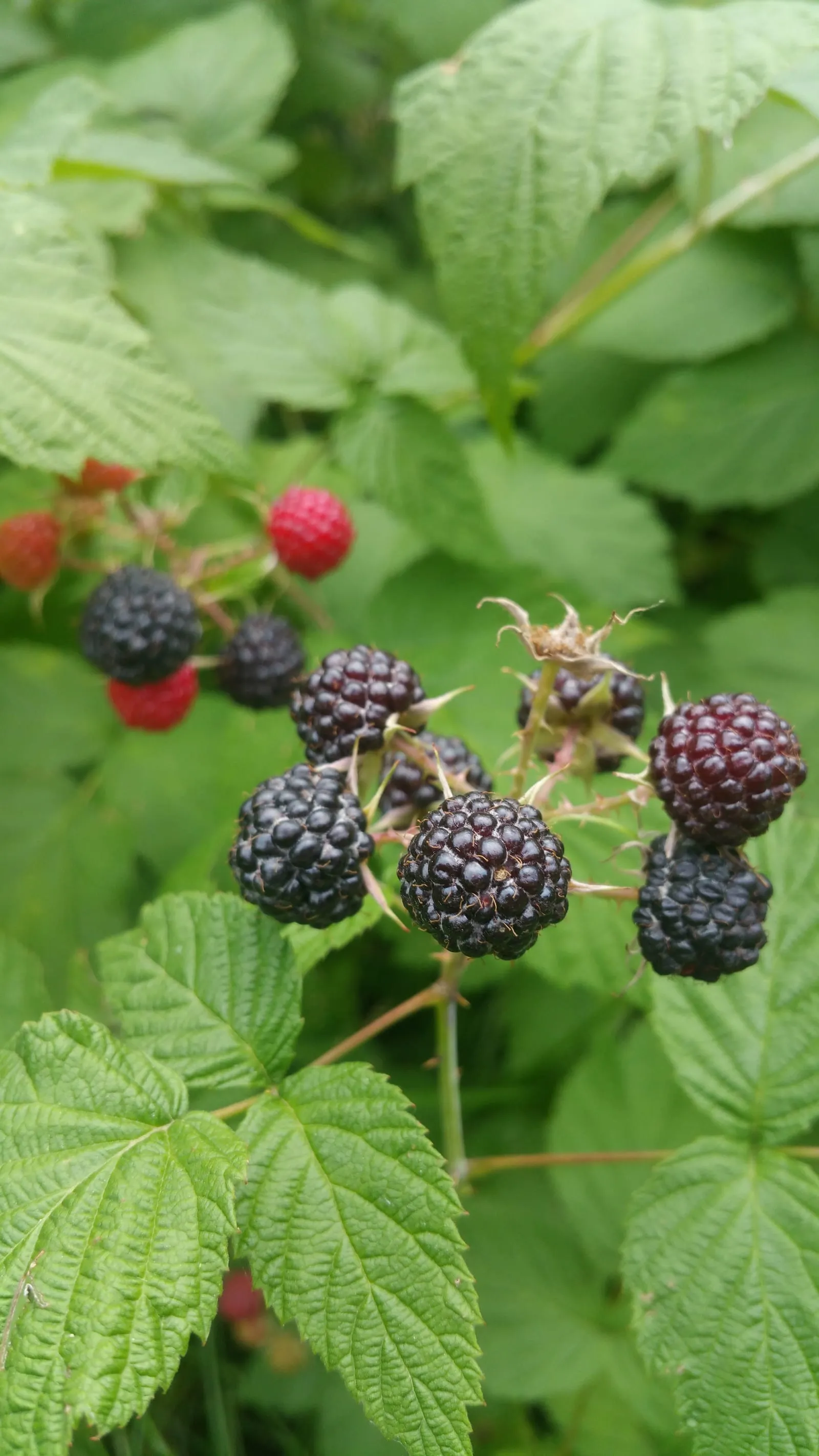
berry in zone 4a
Growing black raspberry in zone 4a
Rubus occidentalis
- Zone
- 4a -30°F to -25°F
- Growing season
- 120 days
- Chill needed
- 700 to 1000 below 45°F
- Suitable varieties
- 1
- Days to harvest
- 30 to 50
The verdict
Zone 4a is a workable but demanding environment for black raspberry. The crop's chill-hour requirement of 700 to 1,000 hours is met comfortably in zone 4a winters, which routinely deliver far more than that. The harder constraint is cold hardiness: winter lows of -30 to -25°F can kill primocane tips and damage floricane buds even on reasonably hardy selections. The 120-day growing season is tight but sufficient for black raspberry to ripen a crop, provided spring warmup is not delayed by a late frost event. Of the varieties evaluated for this zone, Mac Black has shown the most consistent performance, combining adequate cold hardiness with acceptable productivity. Growers should treat this as a viable zone rather than a sweet spot. Success is achievable, but site selection, variety discipline, and winter cane management matter more here than they do in zones 5 and 6 where black raspberry is more reliably at home.
Recommended varieties for zone 4a
1 cultivar suited to this zone, with disease-resistance and zone-fit annotations.
| Variety | Notes | Zone fit | Disease resistance |
|---|---|---|---|
| Mac Black fits zone 4a | Sweet-tart, rich, complex; fresh, jam. Late-ripening summer bearer, extends the black raspberry harvest. Cold-hardy. | | none noted |
Critical timing for zone 4a
In zone 4a, black raspberry bloom typically falls in late May, sometimes pushing into early June depending on spring temperatures. The zone's documented susceptibility to late frosts creates real risk during this window. A frost event after buds have opened can eliminate the crop entirely on exposed sites. Harvest follows approximately 4 to 6 weeks after full bloom, placing ripe fruit in mid- to late July. The 120-day growing season provides enough time between last frost and harvest, but leaves little margin for a delayed spring. Planting on a north-facing slope or a location that stays cold slightly longer can delay bloom by a few days and reduce frost exposure during the critical pollination period.
Common challenges in zone 4a
- ▸ Late frosts damage early bloomers
- ▸ Limited peach varieties
Disease pressure to watch for
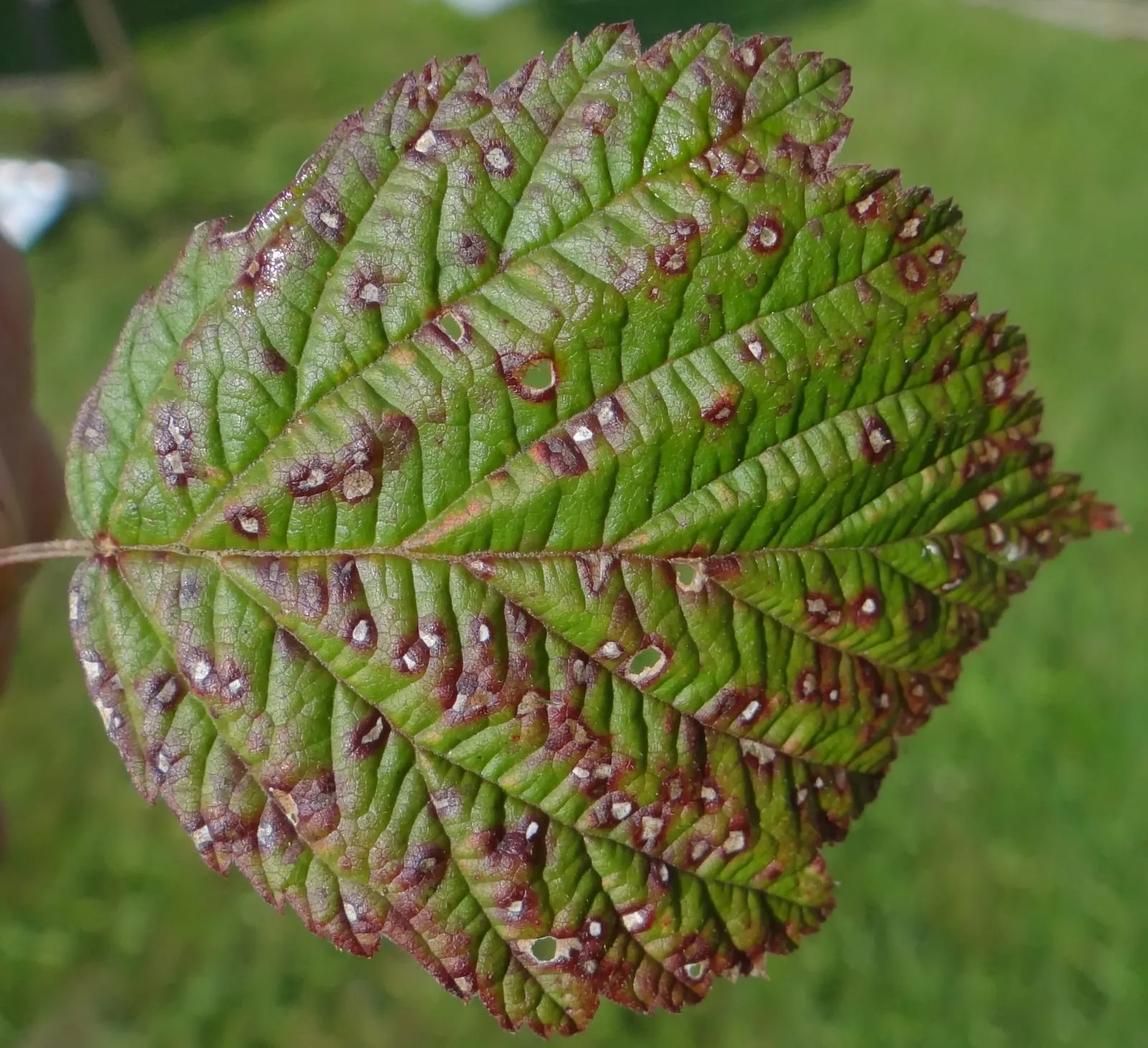
Elsinoe veneta
Fungal cane disease causing purple-bordered lesions that girdle and weaken bramble and Ribes canes, reducing yield over consecutive seasons.
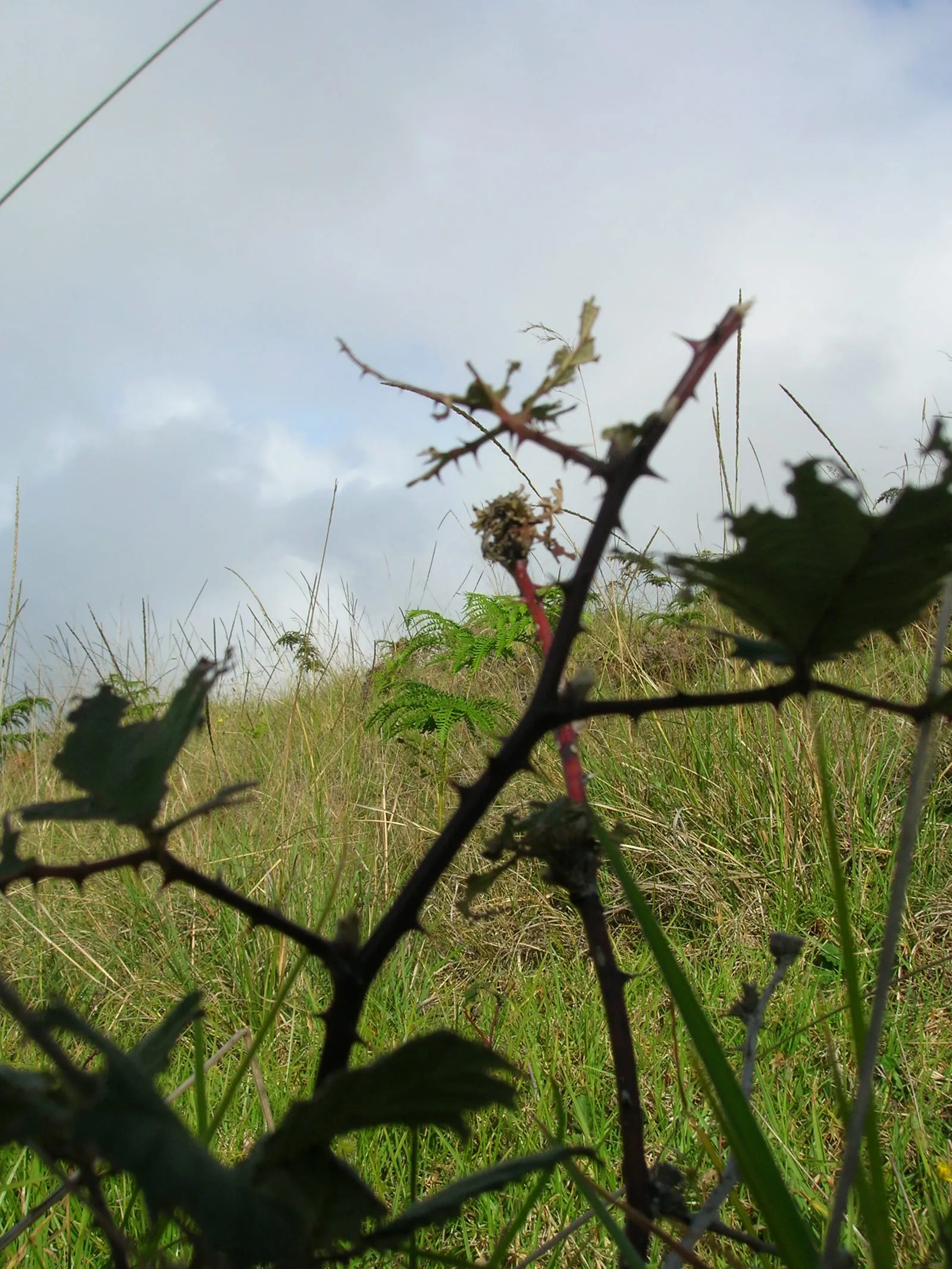
Leptosphaeria coniothyrium
Fungal disease that enters through wounds (often from cane-borer or pruning cuts) and causes dark cankers that wilt and kill canes.
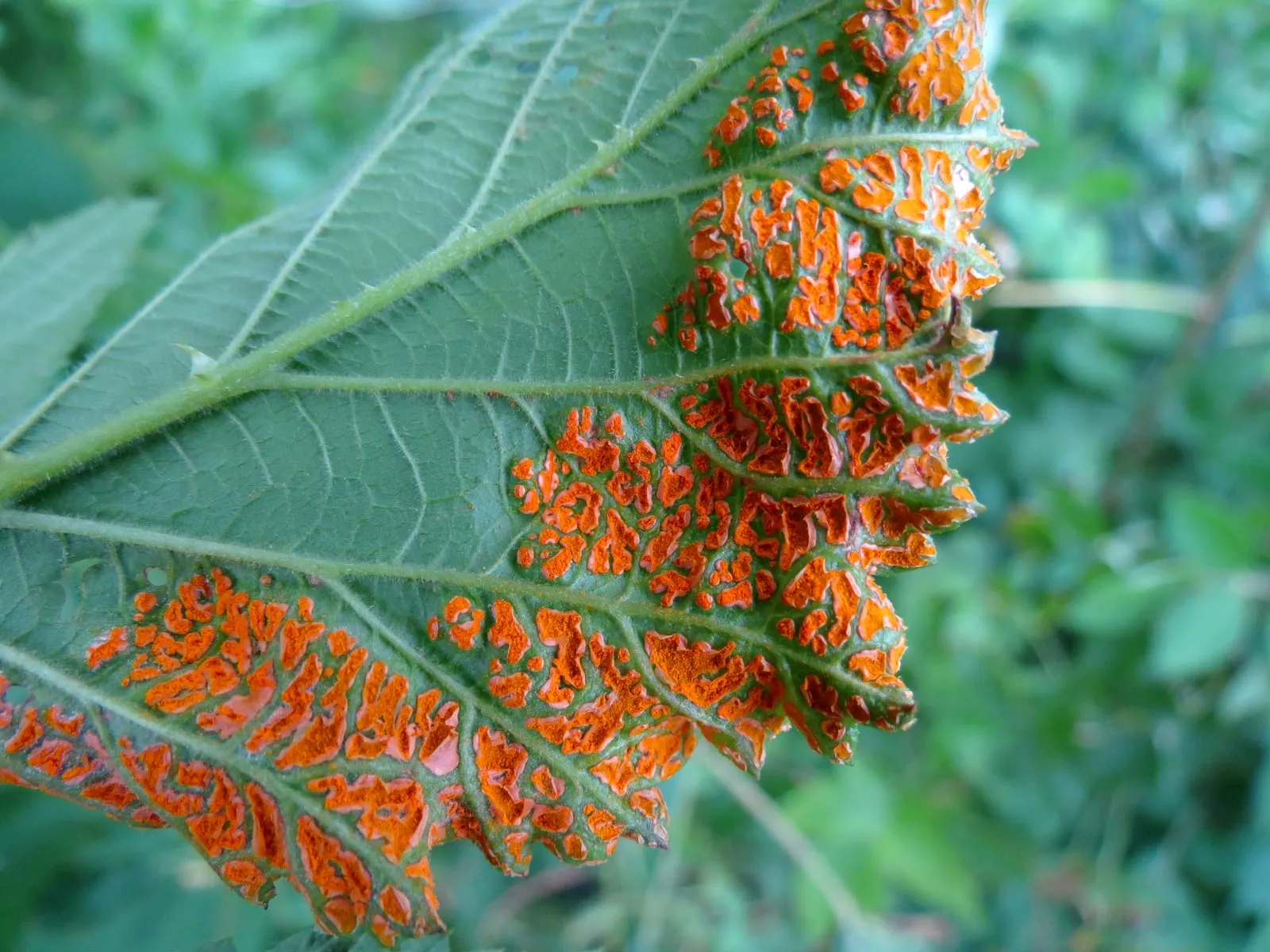
Arthuriomyces peckianus
Systemic fungal disease that permanently infects black raspberries and blackberries (not red raspberry); infected plants must be removed entirely.
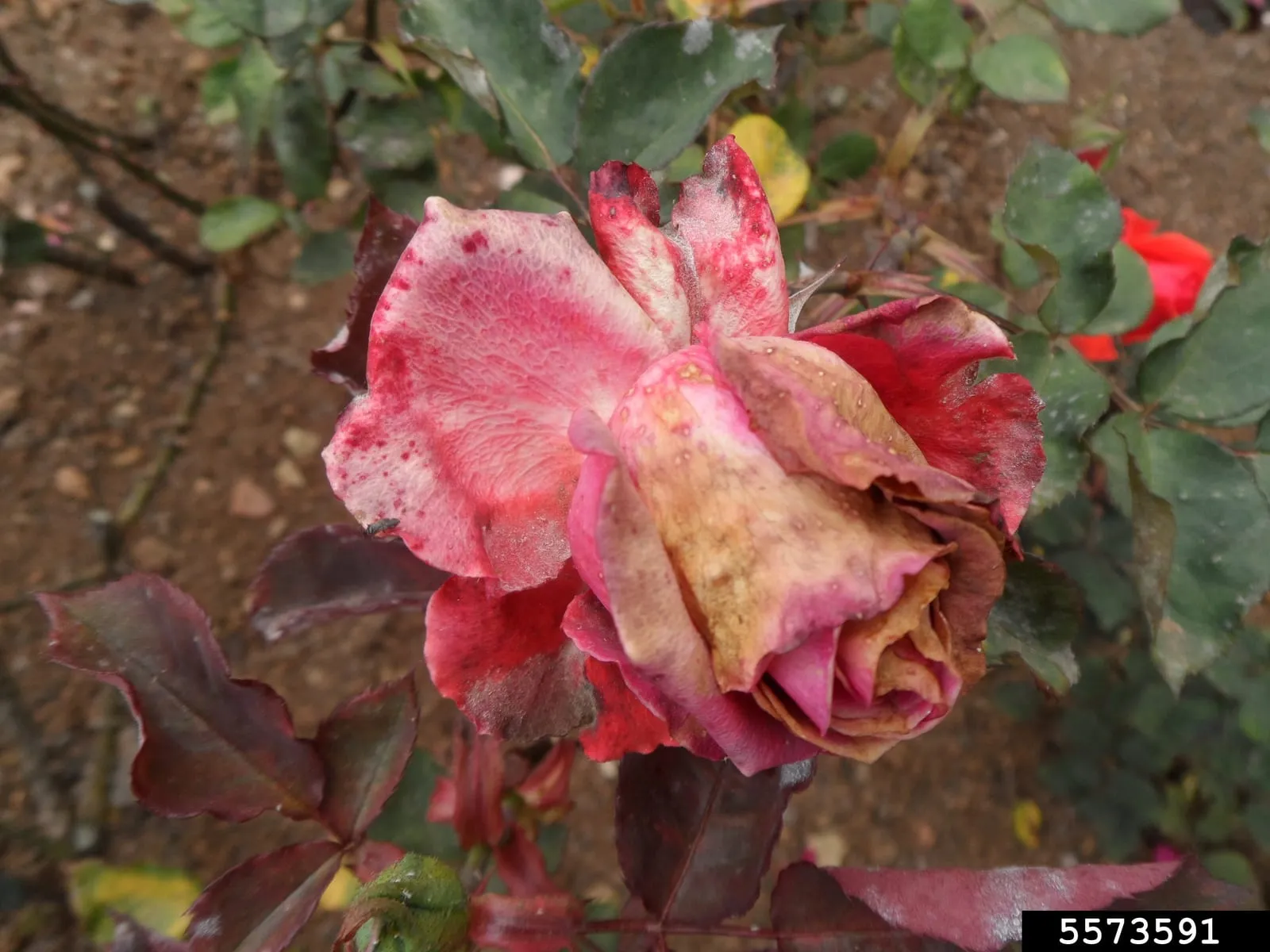
Botrytis cinerea
Ubiquitous fungal disease that causes fruit rot during cool wet weather, often the dominant berry disease in humid regions.
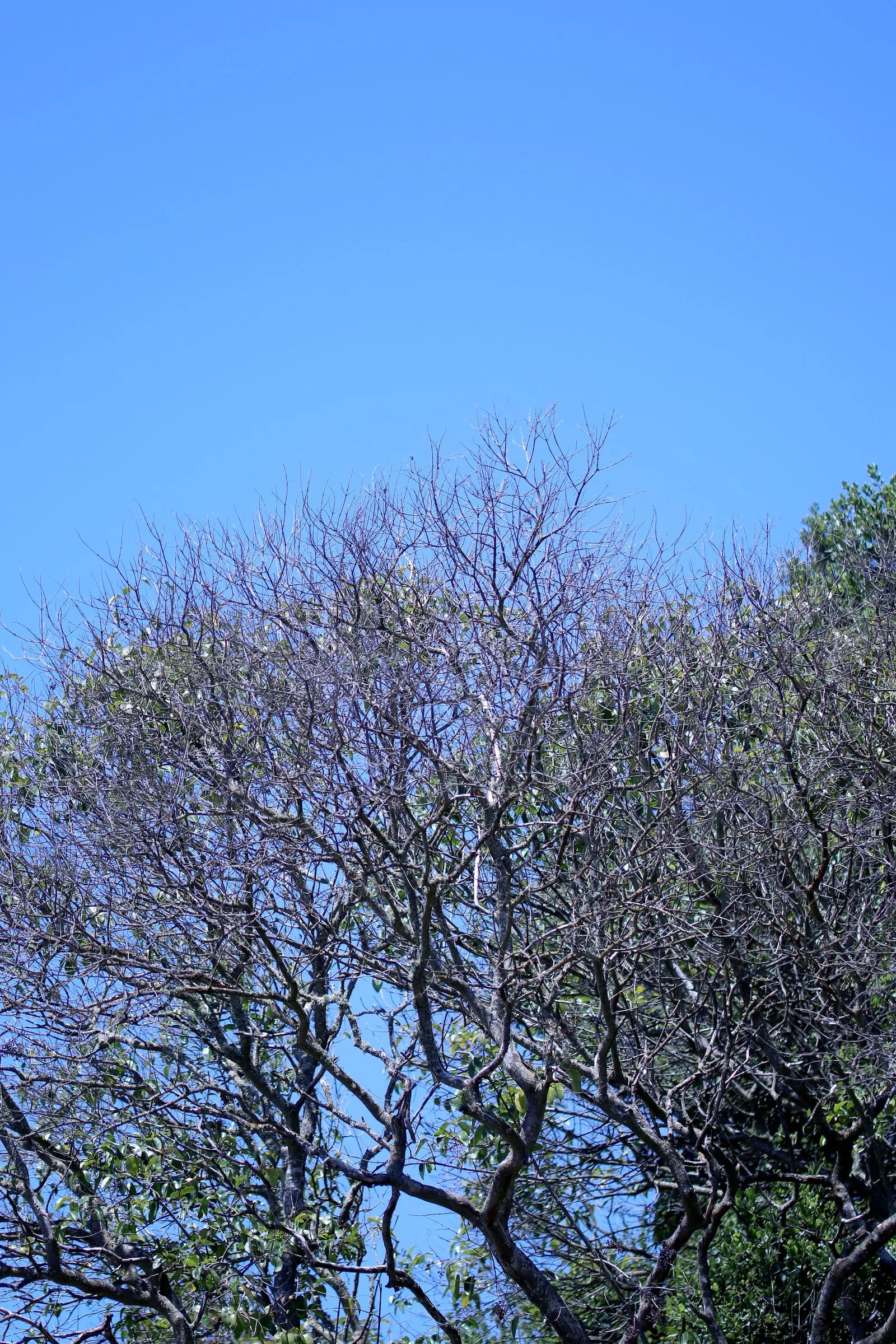
Phytophthora species
Soil-borne water mold that destroys roots in waterlogged soils, the leading cause of blueberry decline in poorly drained sites.
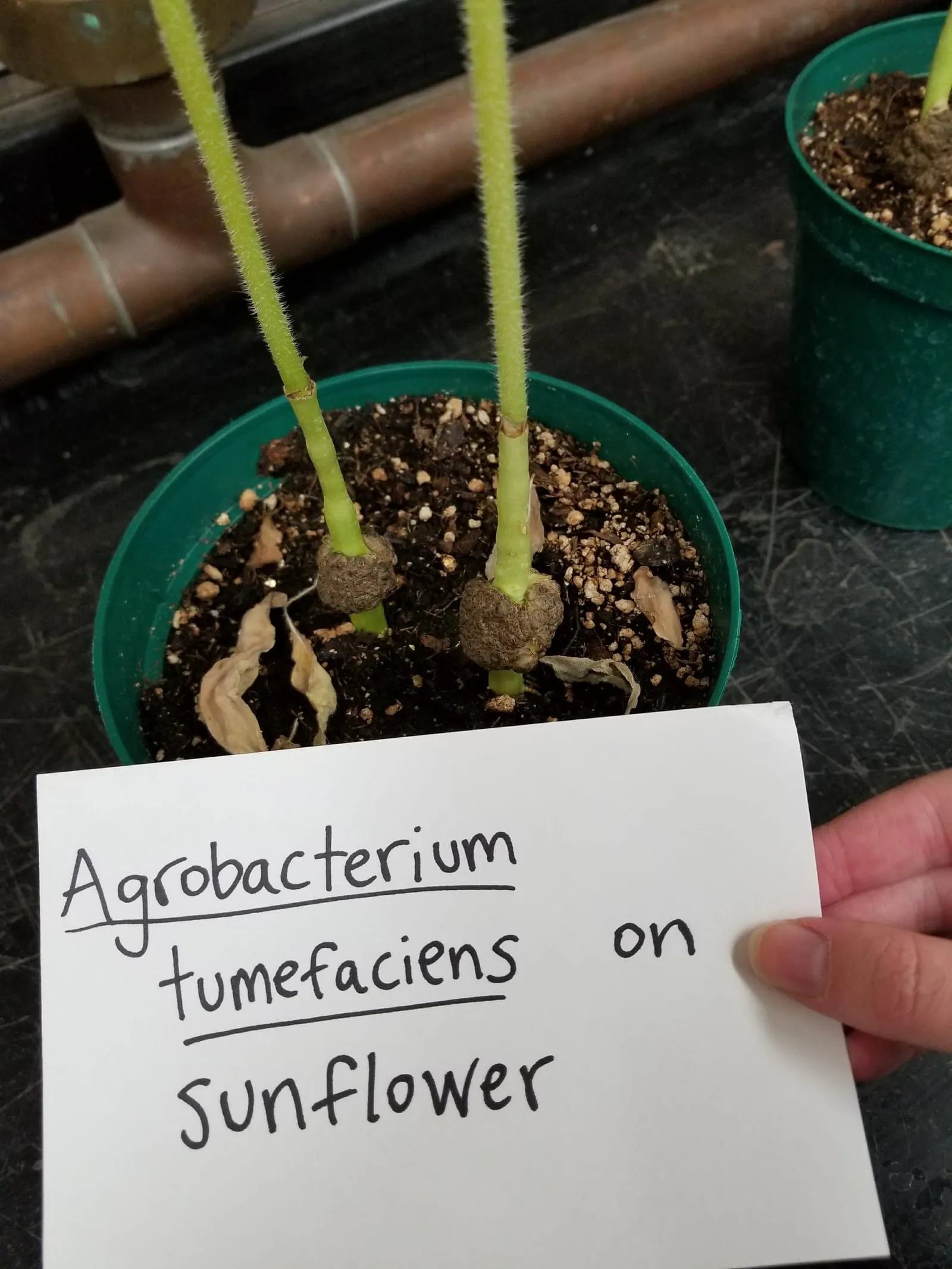
Agrobacterium tumefaciens
Soil-borne bacterium that enters plants through wounds and induces tumor-like galls on roots, crown, and lower stems. Galls reduce vigor and shorten plant lifespan; on Rubus the disease is often fatal.
Modified care for zone 4a
Winter cane protection is the highest-priority adjustment in zone 4a. Bending first-year canes to the ground in late fall and pinning them below the snow line substantially reduces die-back from temperatures below -20°F. Without this step, cane loss is common and productive wood may need to be rebuilt from scratch each spring. Disease pressure from Cane Anthracnose and Cane Blight is heightened in cool, wet spring conditions common to this zone. Pruning out and removing infected canes promptly, rather than leaving debris in the row, limits overwintering inoculum. Orange Rust is systemic and requires removal of the entire infected plant; do not attempt to prune around it. Gray Mold risk peaks during humid fruit-set periods. Maintaining open canopy through summer tip-pinching improves airflow and is more effective than fungicide applications alone.
Frequently asked questions
- Can black raspberry survive zone 4a winters without extra protection?
Unprotected canes face significant die-back risk at -25 to -30°F. Bending canes to ground level and relying on snow cover for insulation is the standard practice in zone 4a. Without it, growers frequently lose most of the productive floricane wood and harvest little or nothing the following summer.
- Is Mac Black the only variety worth planting in zone 4a?
Mac Black is the variety with documented performance at this cold end of the range. Other black raspberry selections bred for zones 5 and warmer carry meaningful risk of winter kill in zone 4a. Trialing a small planting of any alternative before committing to scale is advisable.
- How does the short growing season affect black raspberry productivity in zone 4a?
At 120 days, zone 4a has enough growing season for black raspberry to ripen a full crop in most years. The greater risk is spring frost hitting open blooms rather than a short fall cutting off ripening. Fruit typically ripens well before the first fall frost in this zone.
+−
+−
+−
Black Raspberry in adjacent zones
Image: "Rubus occidentalis (35029818313)", by Karen Hine, via Wikimedia Commons, licensed under CC-BY Source.
.jpg)
Related