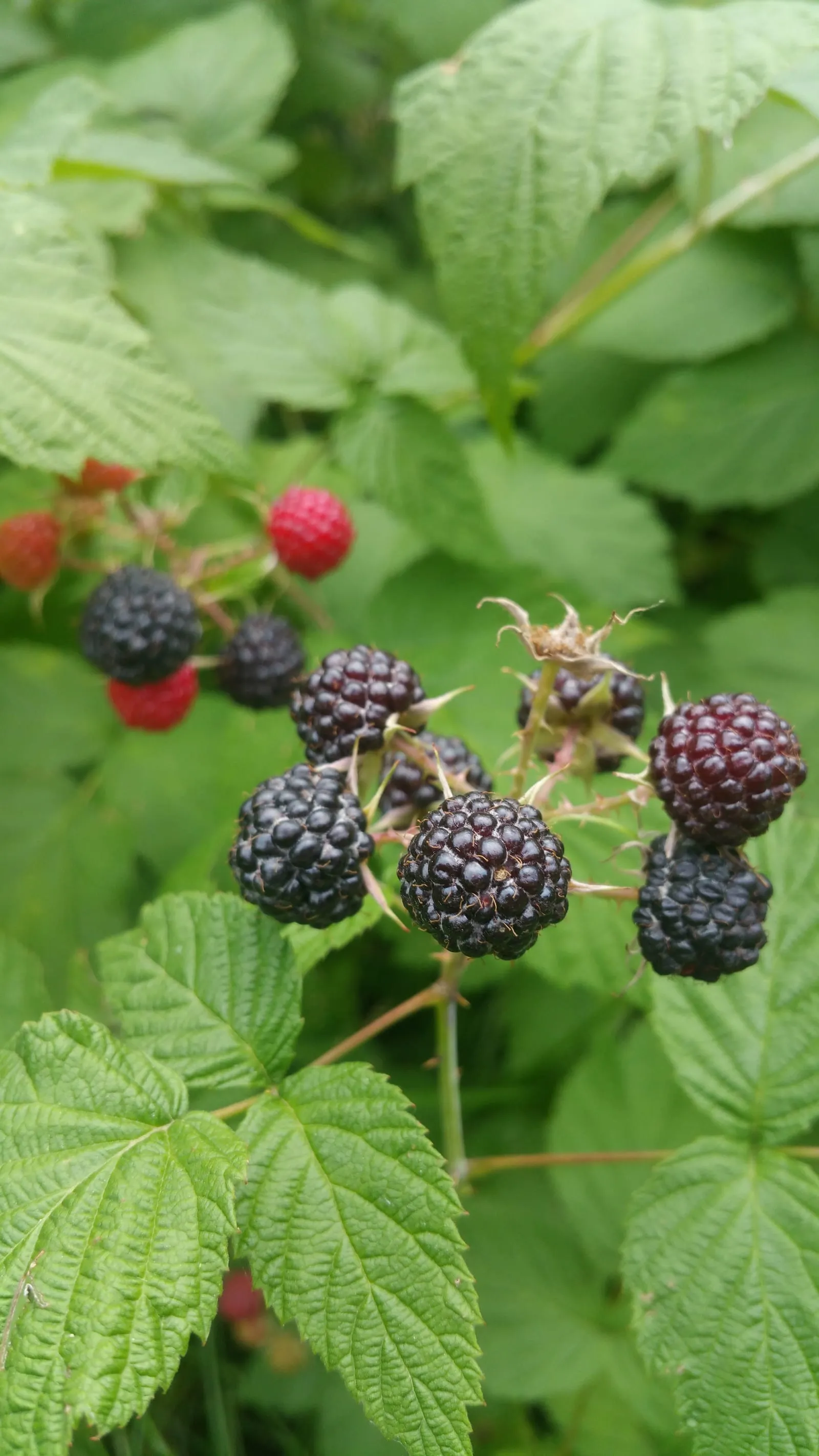
berry in zone 4b
Growing black raspberry in zone 4b
Rubus occidentalis
- Zone
- 4b -25°F to -20°F
- Growing season
- 130 days
- Chill needed
- 700 to 1000 below 45°F
- Suitable varieties
- 2
- Days to harvest
- 30 to 50
The verdict
Zone 4b's winters, with lows reaching -25 to -20°F, sit at the cold edge of what black raspberry tolerates reliably. Chill hours are not the limiting factor here: zone 4b accumulates well over 1,000 hours below 45°F in a typical winter, comfortably exceeding the crop's 700 to 1,000-hour requirement. The binding constraint is cane hardiness. Black raspberry canes are meaningfully less cold-tolerant than red raspberry canes, and unprotected wood can die back to the snowline or to the ground in harsh winters.
Jewel and Mac Black are the varieties with the best-documented performance in cold climates. Both are standard selections for northern growers, though neither carries a formal hardiness rating that extends cleanly to -25°F. Expect some cane loss most winters; the question is whether the root system survives to push new primocanes. On well-drained soil with adequate snow cover, zone 4b growers can produce reasonable crops, but this is not a zone where black raspberry performs without effort.
Recommended varieties for zone 4b
2 cultivars suited to this zone, with disease-resistance and zone-fit annotations.
| Variety | Notes | Zone fit | Disease resistance |
|---|---|---|---|
| Jewel fits zone 4b | Intensely sweet, rich, deeply complex flavor; fresh, jam, baking, freezing. The standard summer-bearing black raspberry, most widely planted. Vigorous, productive. | | none noted |
| Mac Black fits zone 4b | Sweet-tart, rich, complex; fresh, jam. Late-ripening summer bearer, extends the black raspberry harvest. Cold-hardy. | | none noted |
Critical timing for zone 4b
In zone 4b, black raspberry blooms typically open in late May to early June, after the most severe frost risk has passed but still within the window when late frosts can damage open flowers. With a 130-day growing season, the race between bloom and frost is tighter than in warmer zones. A late frost event in mid-May, which is not unusual in zone 4b, can reduce fruit set significantly.
Harvest generally falls in mid to late July, running two to three weeks. The relatively short growing season means fruit ripens quickly once heat accumulates. Growers should monitor canes closely starting in early July rather than waiting for the first few berries to color, since the harvest window narrows fast when warm weather arrives.
Common challenges in zone 4b
- ▸ Spring frost timing
- ▸ Apple scab pressure
- ▸ Cane berry winter dieback
Disease pressure to watch for
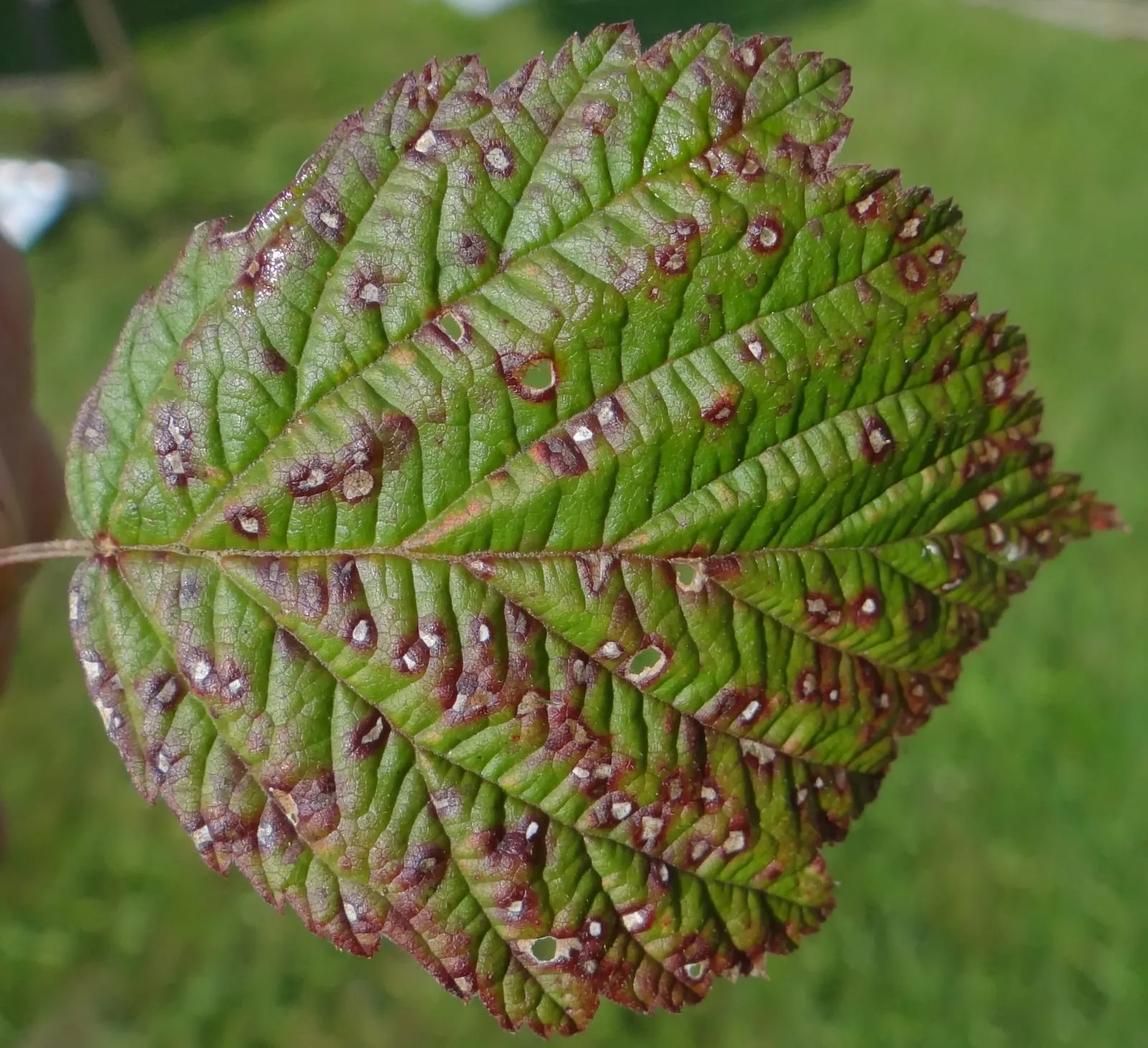
Elsinoe veneta
Fungal cane disease causing purple-bordered lesions that girdle and weaken bramble and Ribes canes, reducing yield over consecutive seasons.
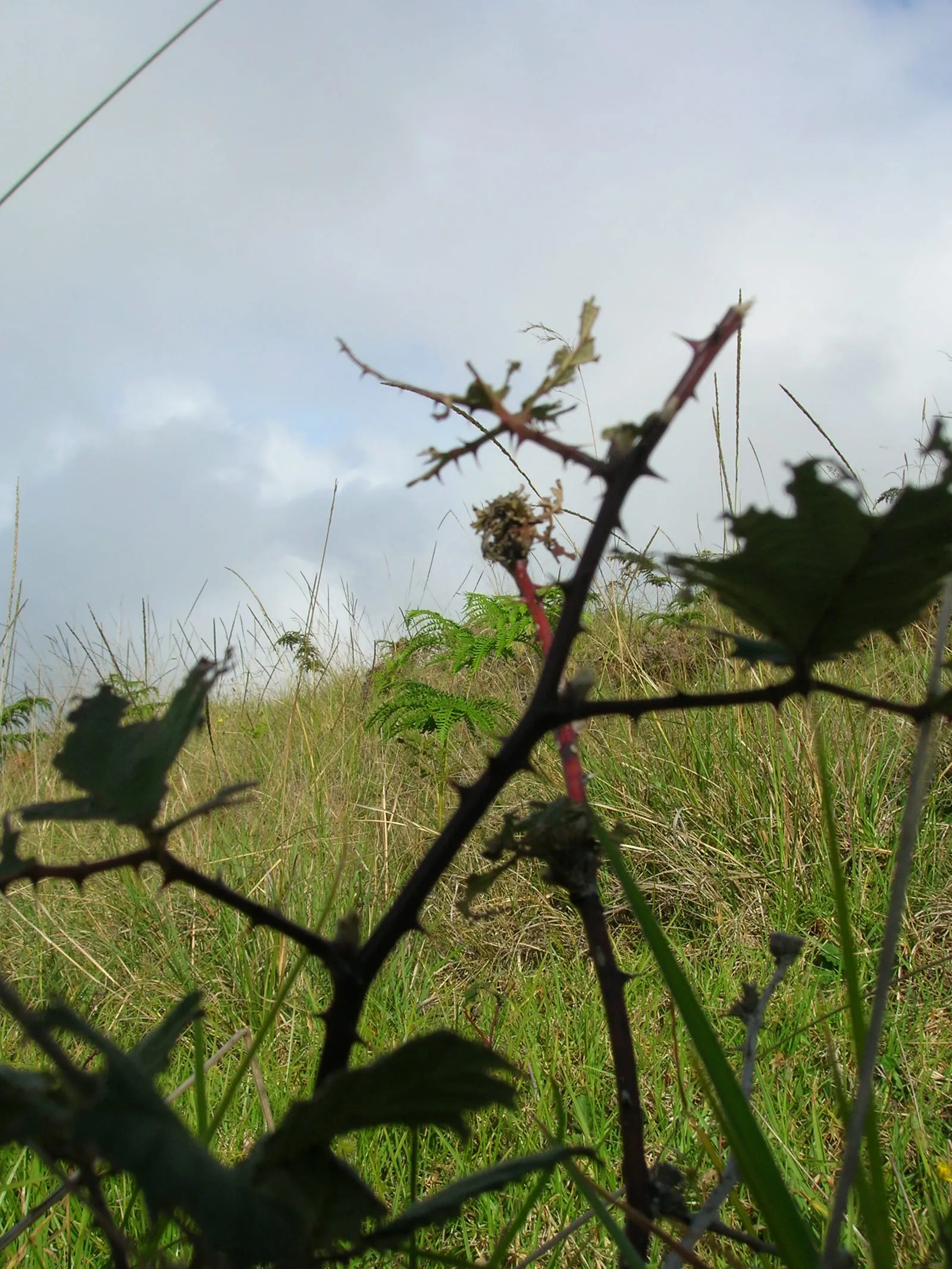
Leptosphaeria coniothyrium
Fungal disease that enters through wounds (often from cane-borer or pruning cuts) and causes dark cankers that wilt and kill canes.
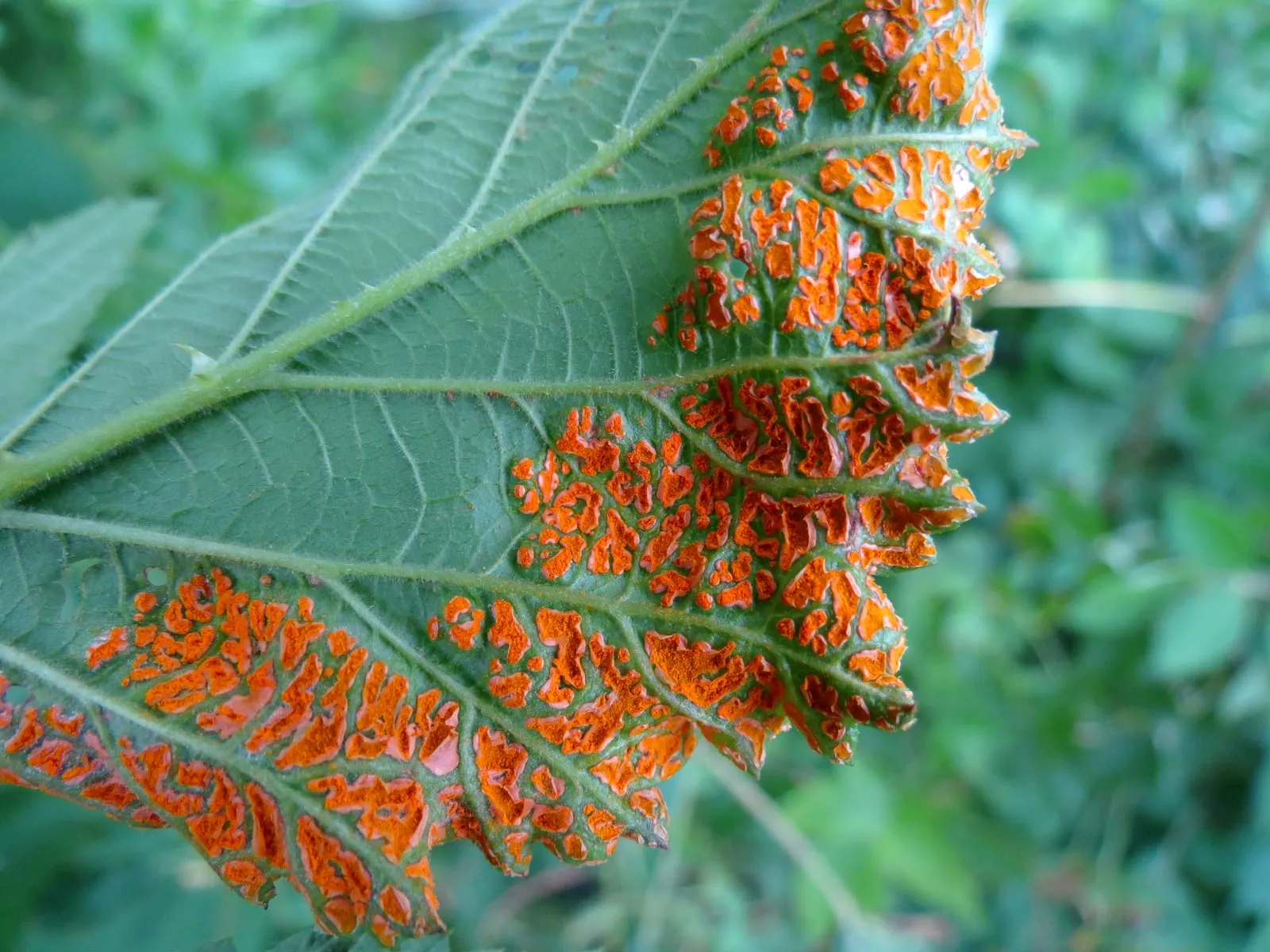
Arthuriomyces peckianus
Systemic fungal disease that permanently infects black raspberries and blackberries (not red raspberry); infected plants must be removed entirely.
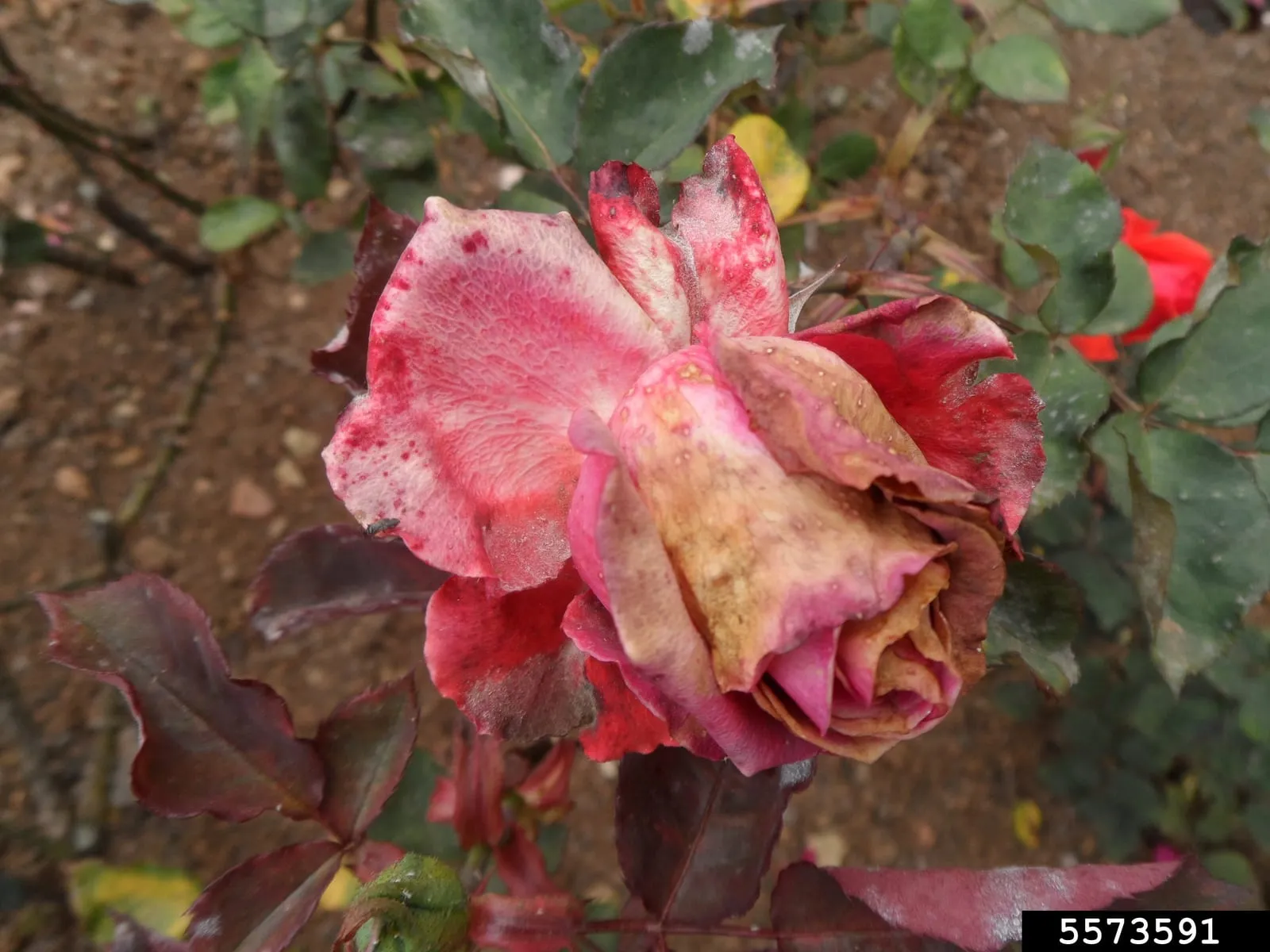
Botrytis cinerea
Ubiquitous fungal disease that causes fruit rot during cool wet weather, often the dominant berry disease in humid regions.
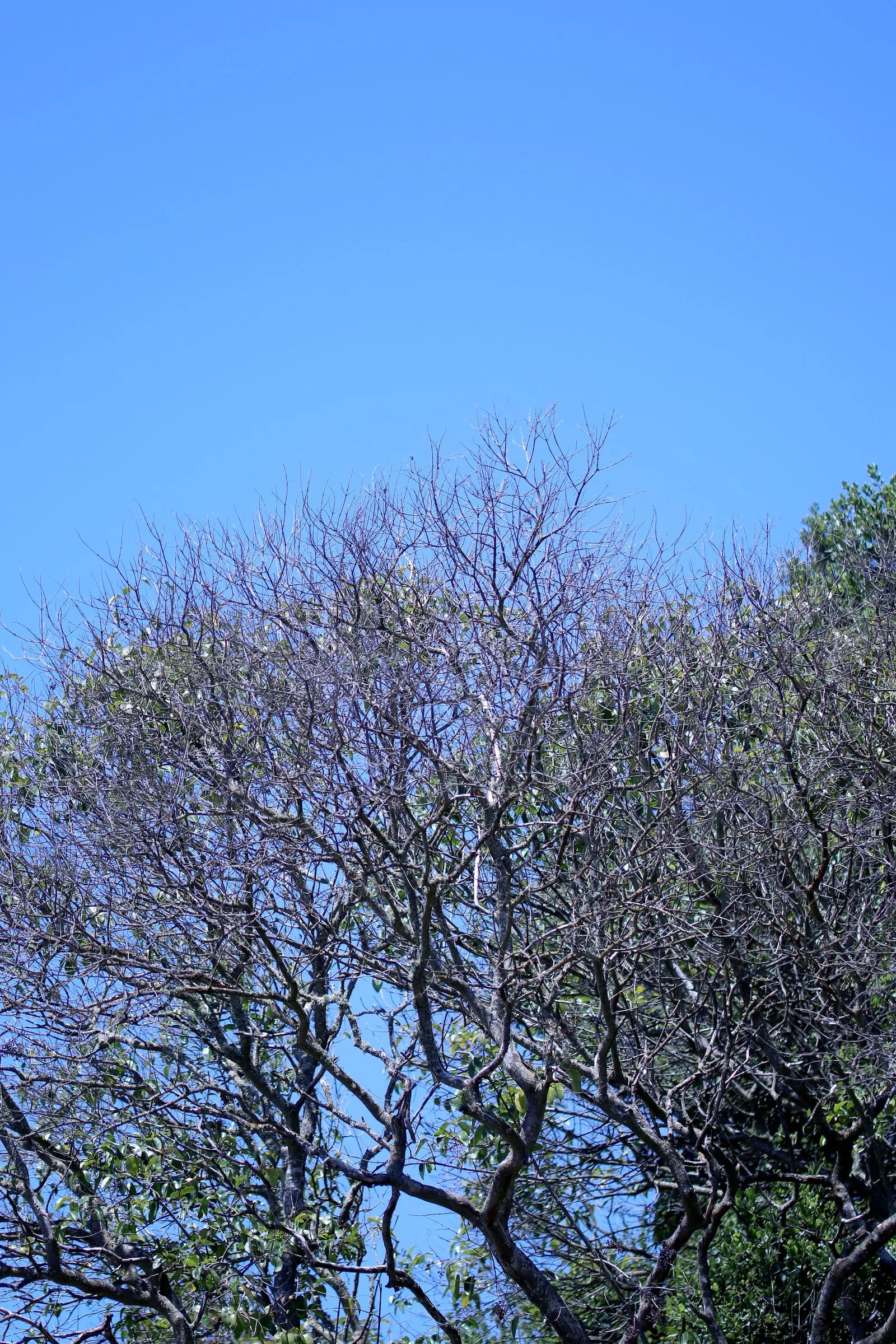
Phytophthora species
Soil-borne water mold that destroys roots in waterlogged soils, the leading cause of blueberry decline in poorly drained sites.
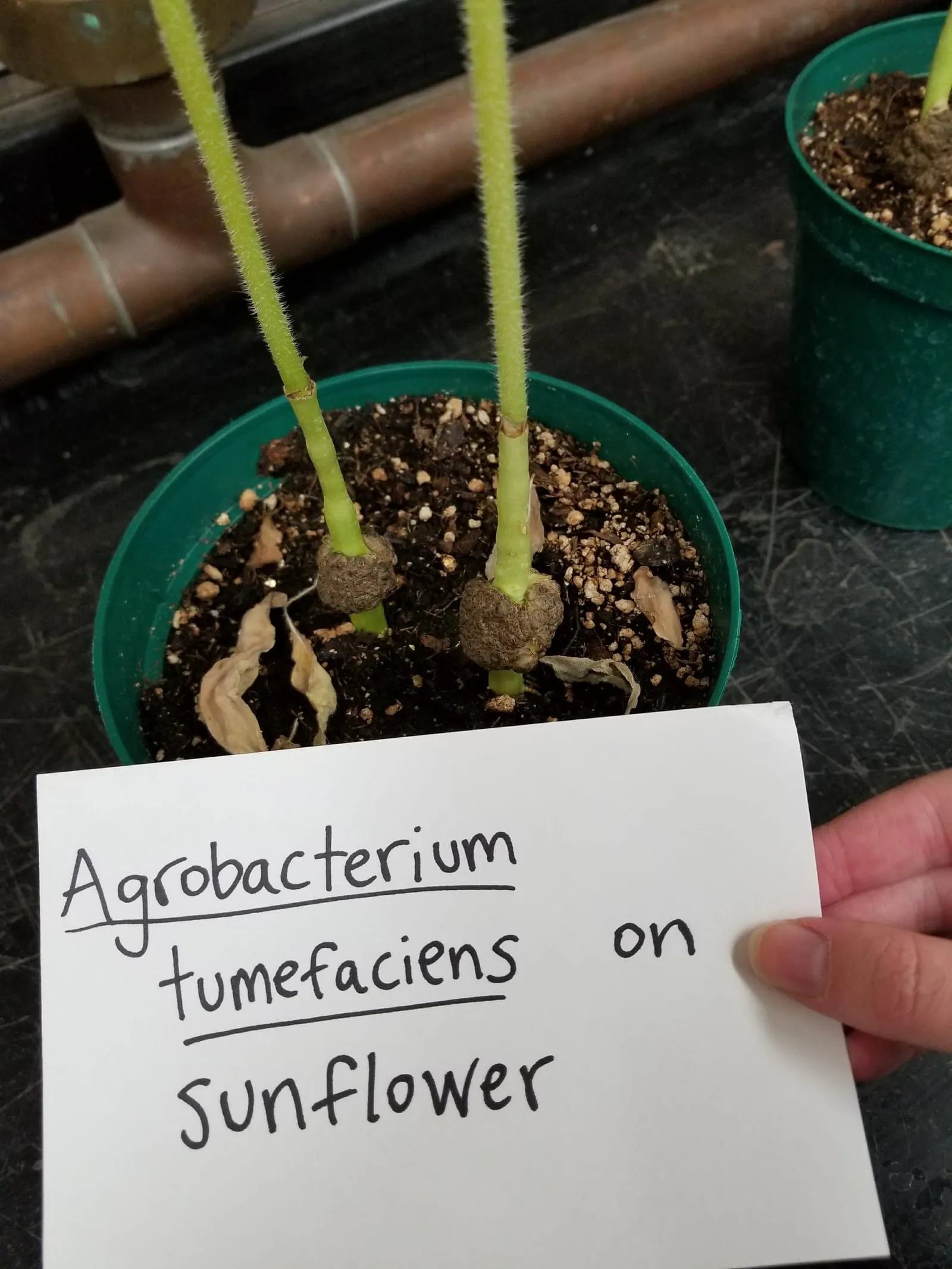
Agrobacterium tumefaciens
Soil-borne bacterium that enters plants through wounds and induces tumor-like galls on roots, crown, and lower stems. Galls reduce vigor and shorten plant lifespan; on Rubus the disease is often fatal.
Modified care for zone 4b
The primary adaptation for zone 4b is protecting canes through winter. After the first hard freeze, bending first-year canes (primocanes) to the ground and covering them with soil or mulch significantly reduces dieback losses. Uncovered canes routinely die back to 12 to 18 inches above the ground in harsh winters, cutting into the following season's fruiting laterals.
Disease management also shifts in zone 4b. Cool, wet springs increase pressure from Cane Anthracnose and Cane Blight; keeping row centers open and removing dead wood promptly reduces infection sites. Orange Rust warrants particular attention: it is systemic, has no cure, and infected plants must be removed entirely before the rust sporulates in spring. Phytophthora Root Rot is a concern on heavier soils that hold moisture through snowmelt, so site drainage is not optional in this zone.
Frequently asked questions
- Can black raspberry survive zone 4b winters without protection?
Possibly, but expect significant cane dieback most years. Unprotected canes frequently die back to near the snowline at -25 to -20°F. Bending and burying canes before hard freezes is the standard practice for zone 4b growers and meaningfully improves survival rates.
- Which black raspberry varieties perform best in zone 4b?
Jewel and Mac Black are the most commonly recommended selections for cold climates. Both have a longer track record in northern regions than newer releases. Neither is guaranteed to be fully hardy at the low end of zone 4b, so site selection and winter protection still matter.
- What is Orange Rust and why does it matter in cold climates?
Orange Rust is a systemic fungal disease that infects the entire plant, not just individual canes. There is no treatment; infected plants must be removed and destroyed. In zone 4b, where cold stress already weakens canes, leaving infected plants in the planting accelerates decline and spreads spores to healthy plants.
+−
+−
+−
Black Raspberry in adjacent zones
Image: "Rubus occidentalis (35029818313)", by Karen Hine, via Wikimedia Commons, licensed under CC-BY Source.
.jpg)
Related