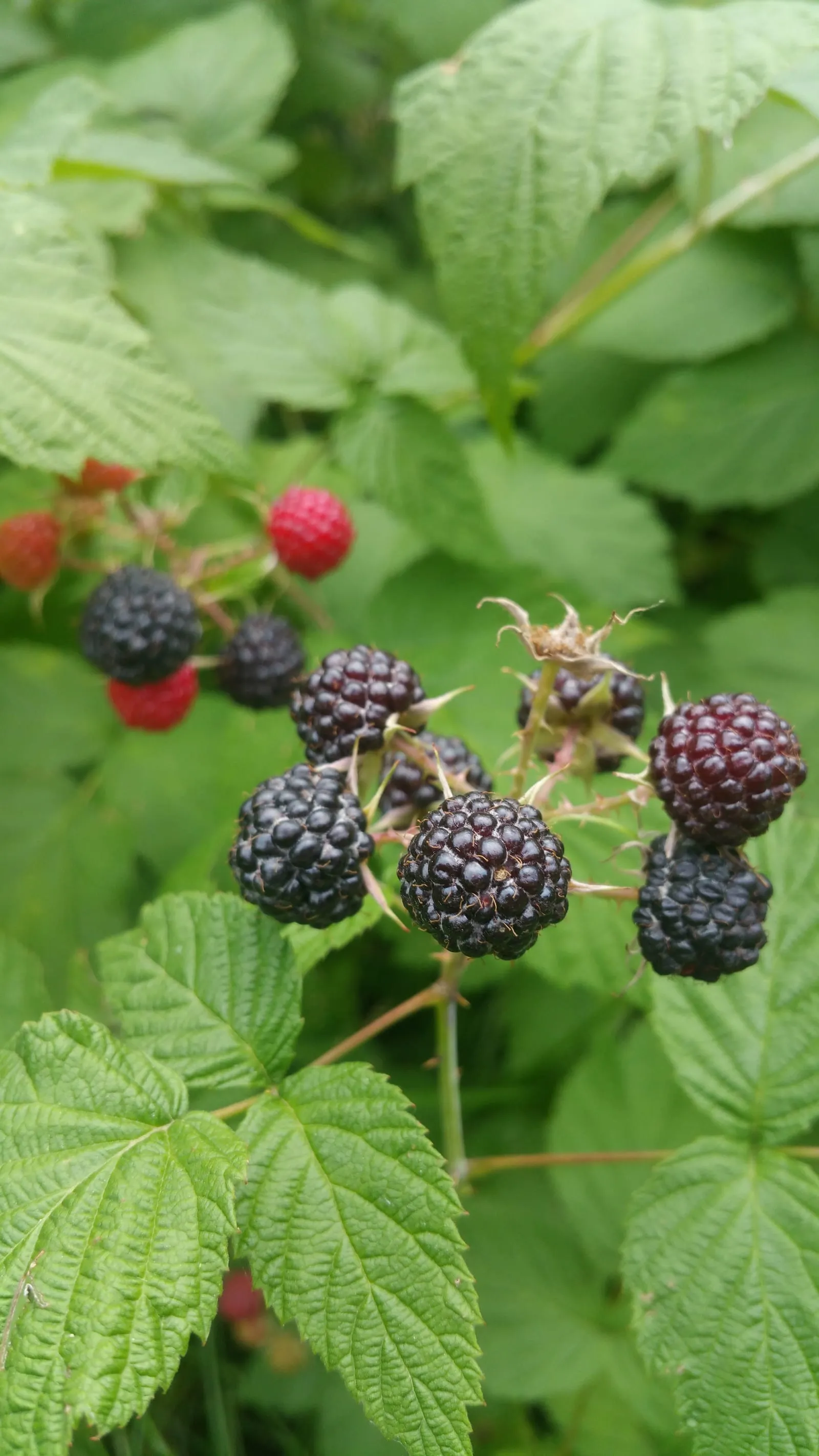
berry in zone 5a
Growing black raspberry in zone 5a
Rubus occidentalis
- Zone
- 5a -20°F to -15°F
- Growing season
- 150 days
- Chill needed
- 700 to 1000 below 45°F
- Suitable varieties
- 4
- Days to harvest
- 30 to 50
The verdict
Zone 5a delivers 700 to 1,000 chill hours reliably, which matches the black raspberry requirement precisely. Chill-hour fulfillment is not the concern here. The harder question is cane survival through winters that can reach -20°F. Black raspberry canes are more cold-sensitive at the tips than red raspberry, and unprotected primocane tips frequently die back 12 to 18 inches in exposed sites at the colder end of zone 5a. Varieties bred for northern production reduce that risk considerably. Jewel and Bristol are the most widely trialed options in zone 5a and perform acceptably with basic winter protection. Mac Black and Niwot extend the menu for growers willing to experiment. Zone 5a sits at the northern edge of reliably productive black raspberry territory, not in the crop's sweet spot (zones 5b through 6b are more consistently forgiving), but it is not a marginal zone in the way that zones 3 or 4 would be. Production is achievable with appropriate variety selection and site management.
Recommended varieties for zone 5a
4 cultivars suited to this zone, with disease-resistance and zone-fit annotations.
| Variety | Notes | Zone fit | Disease resistance |
|---|---|---|---|
| Jewel fits zone 5a | Intensely sweet, rich, deeply complex flavor; fresh, jam, baking, freezing. The standard summer-bearing black raspberry, most widely planted. Vigorous, productive. | | none noted |
| Bristol fits zone 5a | Sweet, full-bodied flavor, large firm berries; fresh and processing. Vigorous summer-bearing variety with strong upright canes. | | none noted |
| Mac Black fits zone 5a | Sweet-tart, rich, complex; fresh, jam. Late-ripening summer bearer, extends the black raspberry harvest. Cold-hardy. | | none noted |
| Niwot fits zone 5a | Sweet, intensely flavored, the only true everbearing black raspberry; fresh eating premium. Primary fall crop on first-year canes. | | none noted |
Critical timing for zone 5a
Black raspberry blooms in late May to early June in zone 5a, which creates direct exposure to the late spring frost risk that characterizes this zone. A hard frost at open bloom can eliminate a significant portion of fruit set for the season. Site selection matters: planting on a gentle slope or elevated ground where cold air drains away from the fruiting zone reduces that risk more reliably than any spray or cover application. Harvest follows bloom by roughly 35 to 45 days, placing ripe fruit in late June through mid-July for most zone 5a locations. The 150-day growing season is more than sufficient to complete the full growth-bloom-harvest cycle. Fruit ripening generally finishes before the hottest weeks of summer, which is an advantage; black raspberry fruit quality declines quickly when temperatures remain above 90°F during the harvest window.
Common challenges in zone 5a
- ▸ Fire blight in pears
- ▸ Cedar-apple rust
- ▸ Late spring frosts
Disease pressure to watch for
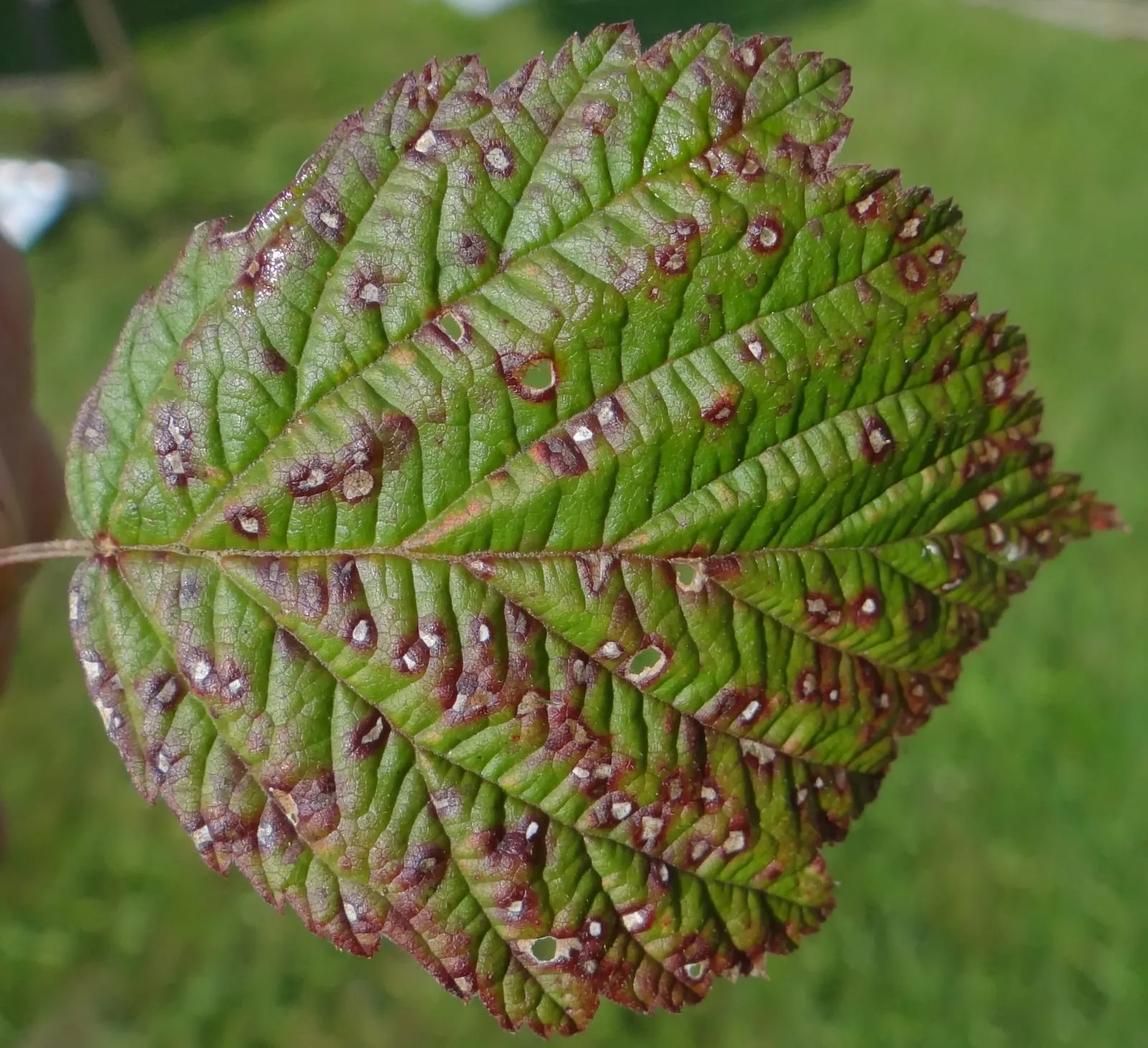
Elsinoe veneta
Fungal cane disease causing purple-bordered lesions that girdle and weaken bramble and Ribes canes, reducing yield over consecutive seasons.
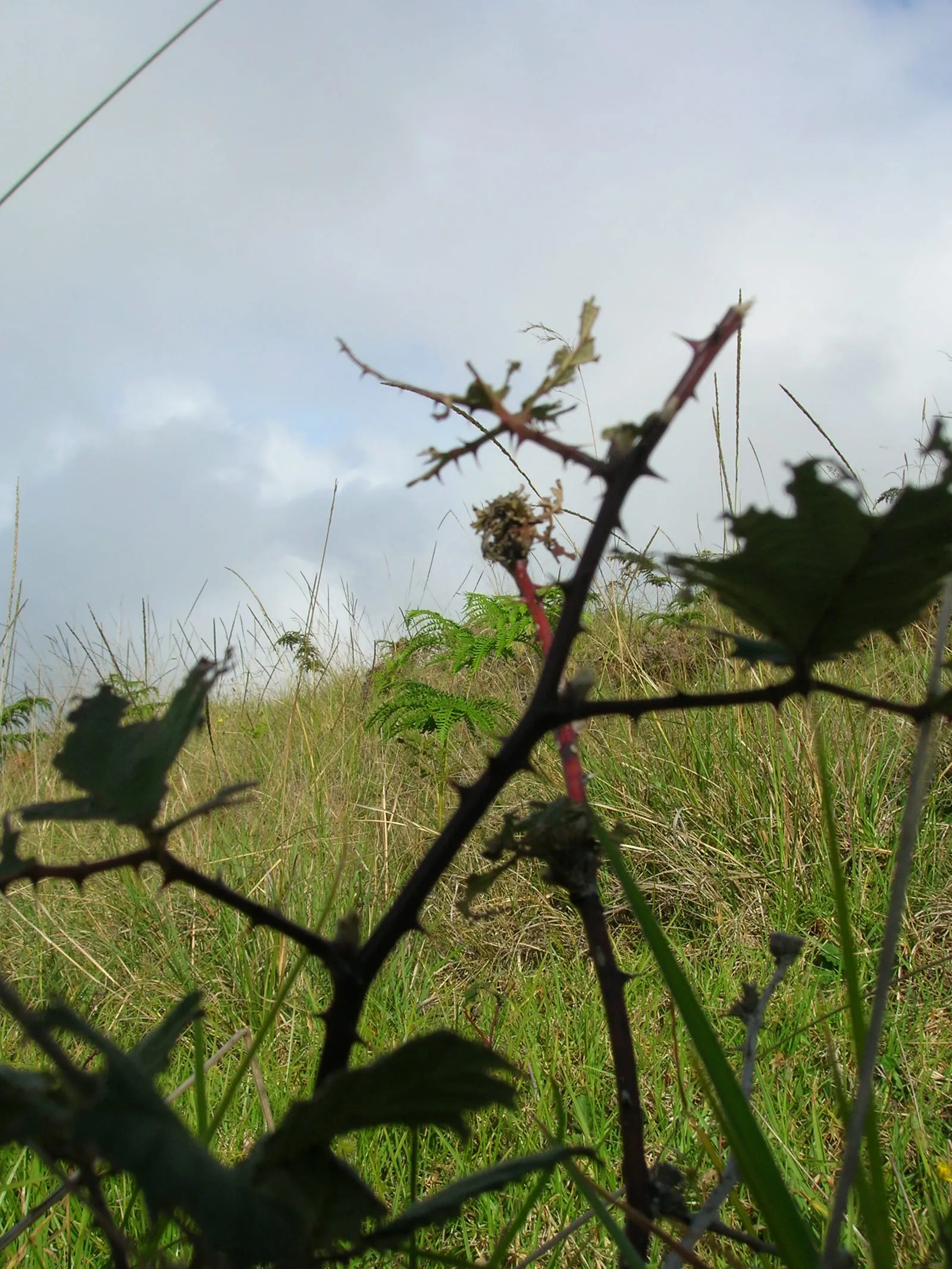
Leptosphaeria coniothyrium
Fungal disease that enters through wounds (often from cane-borer or pruning cuts) and causes dark cankers that wilt and kill canes.
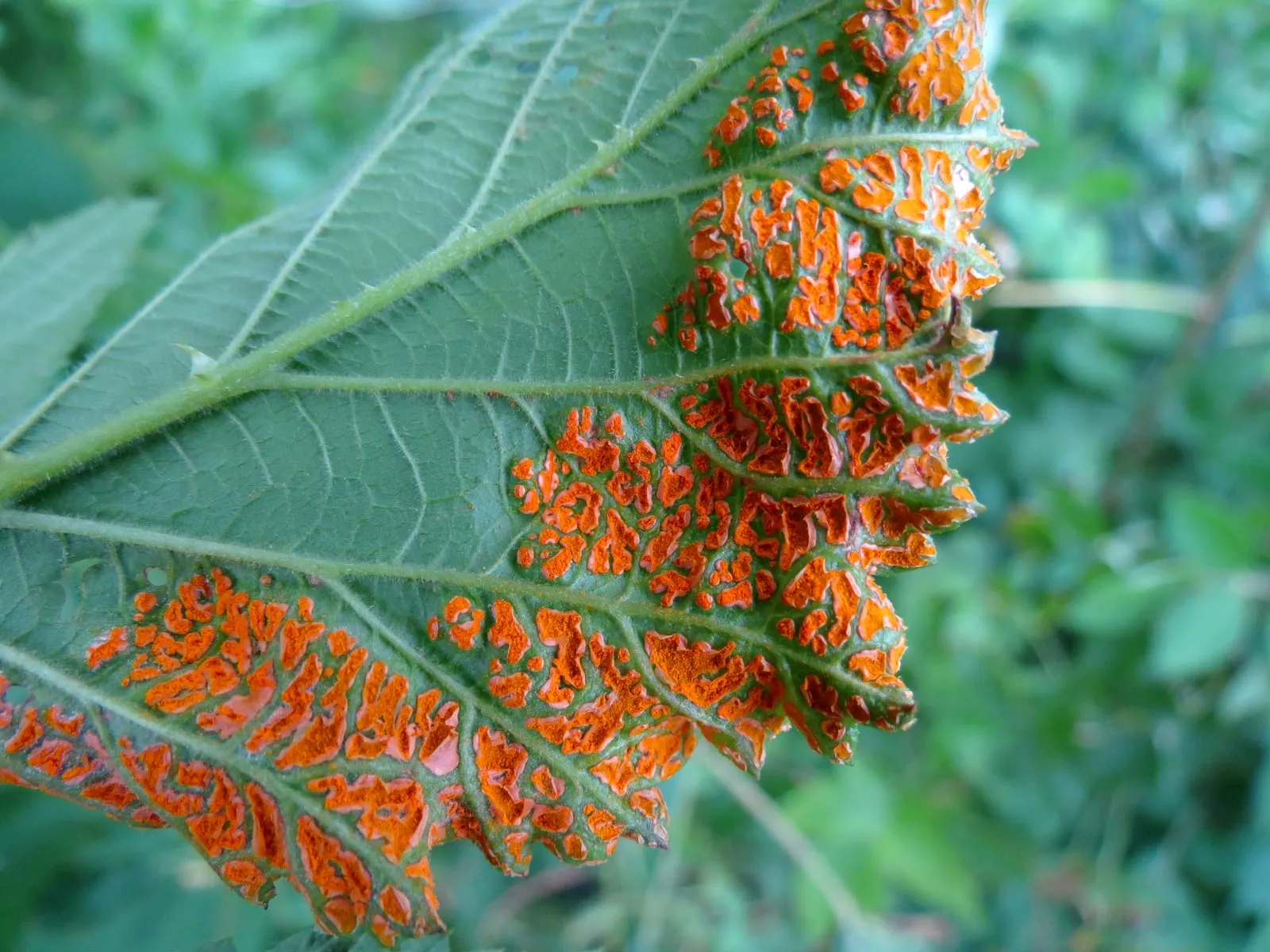
Arthuriomyces peckianus
Systemic fungal disease that permanently infects black raspberries and blackberries (not red raspberry); infected plants must be removed entirely.
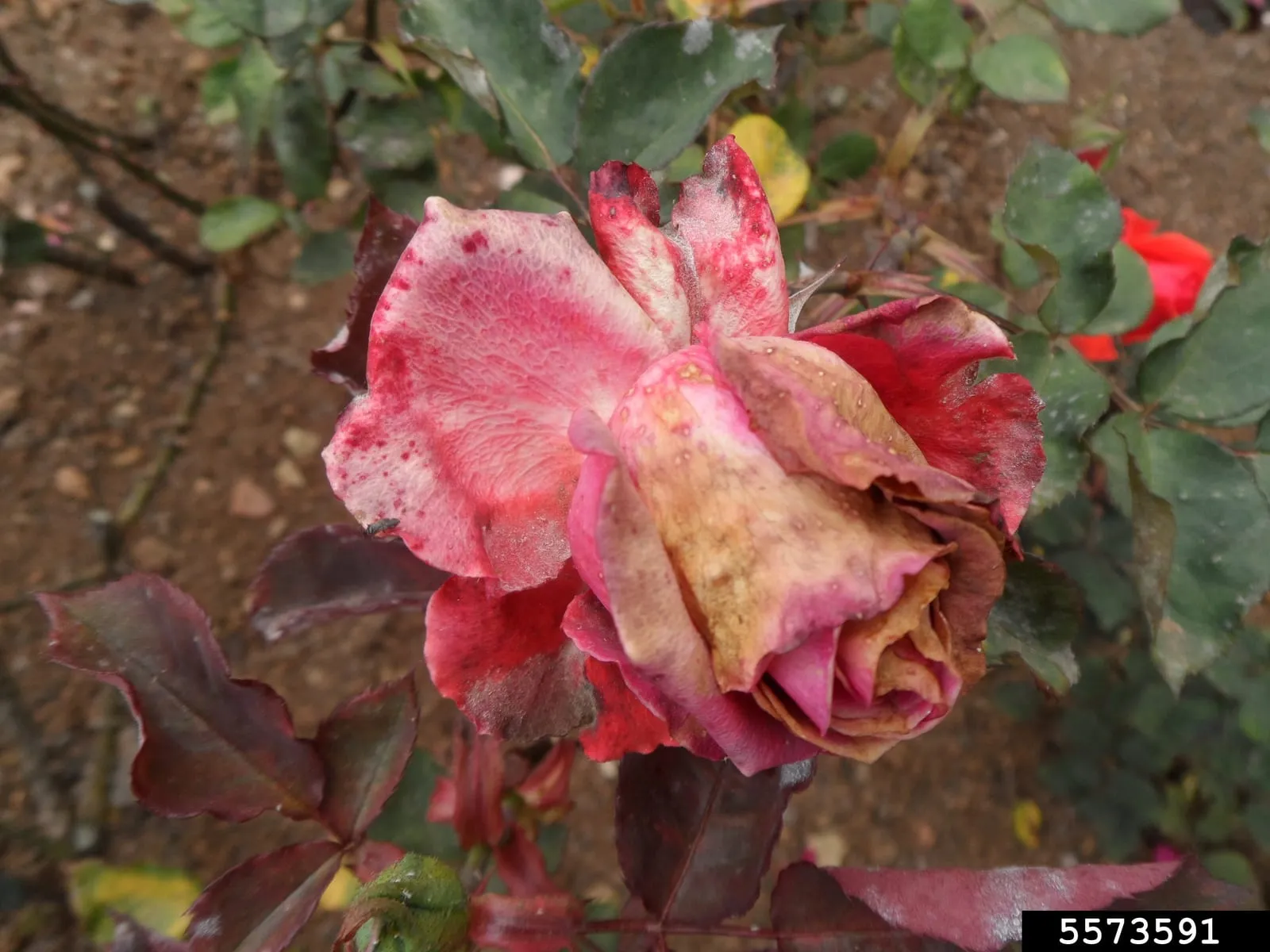
Botrytis cinerea
Ubiquitous fungal disease that causes fruit rot during cool wet weather, often the dominant berry disease in humid regions.
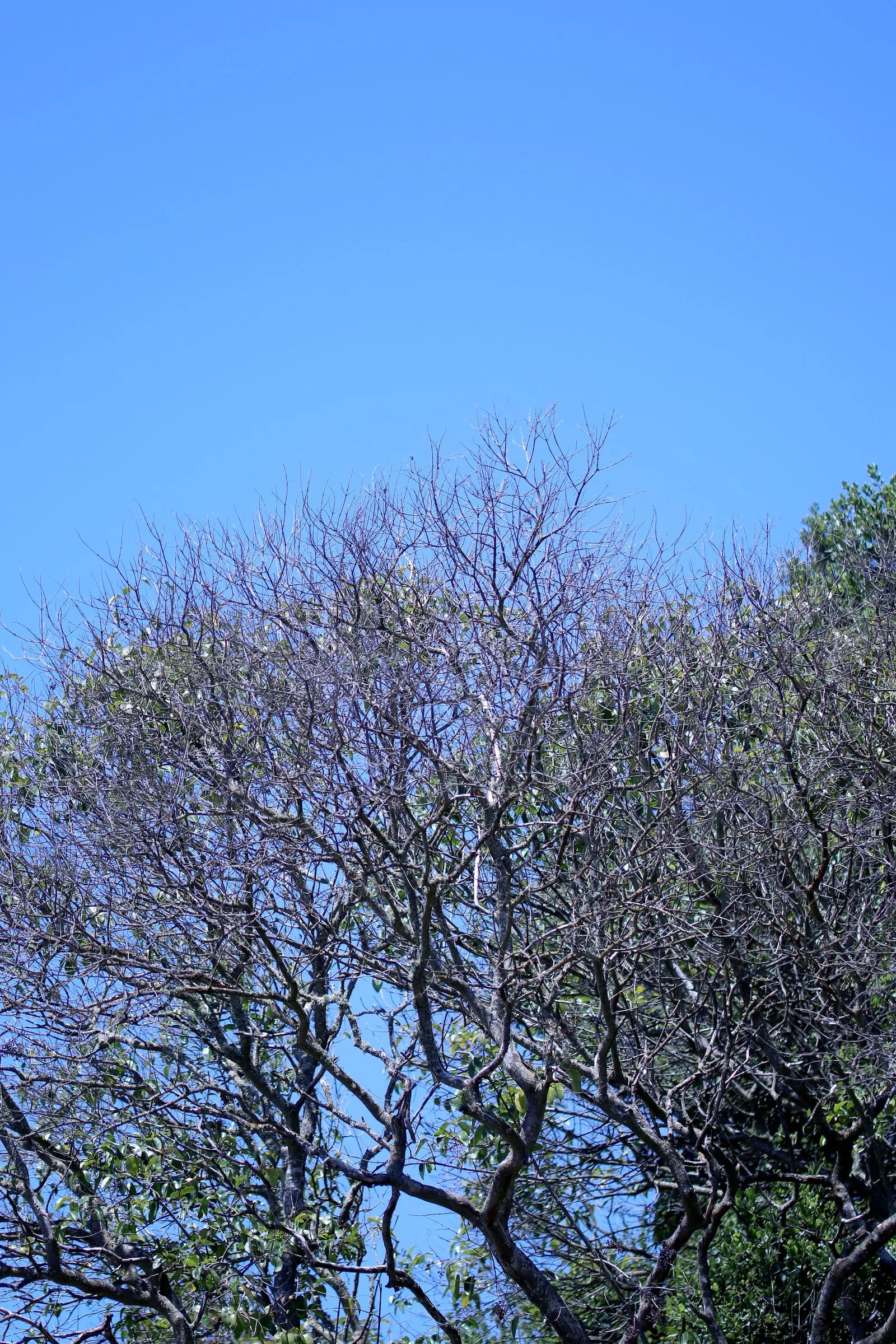
Phytophthora species
Soil-borne water mold that destroys roots in waterlogged soils, the leading cause of blueberry decline in poorly drained sites.
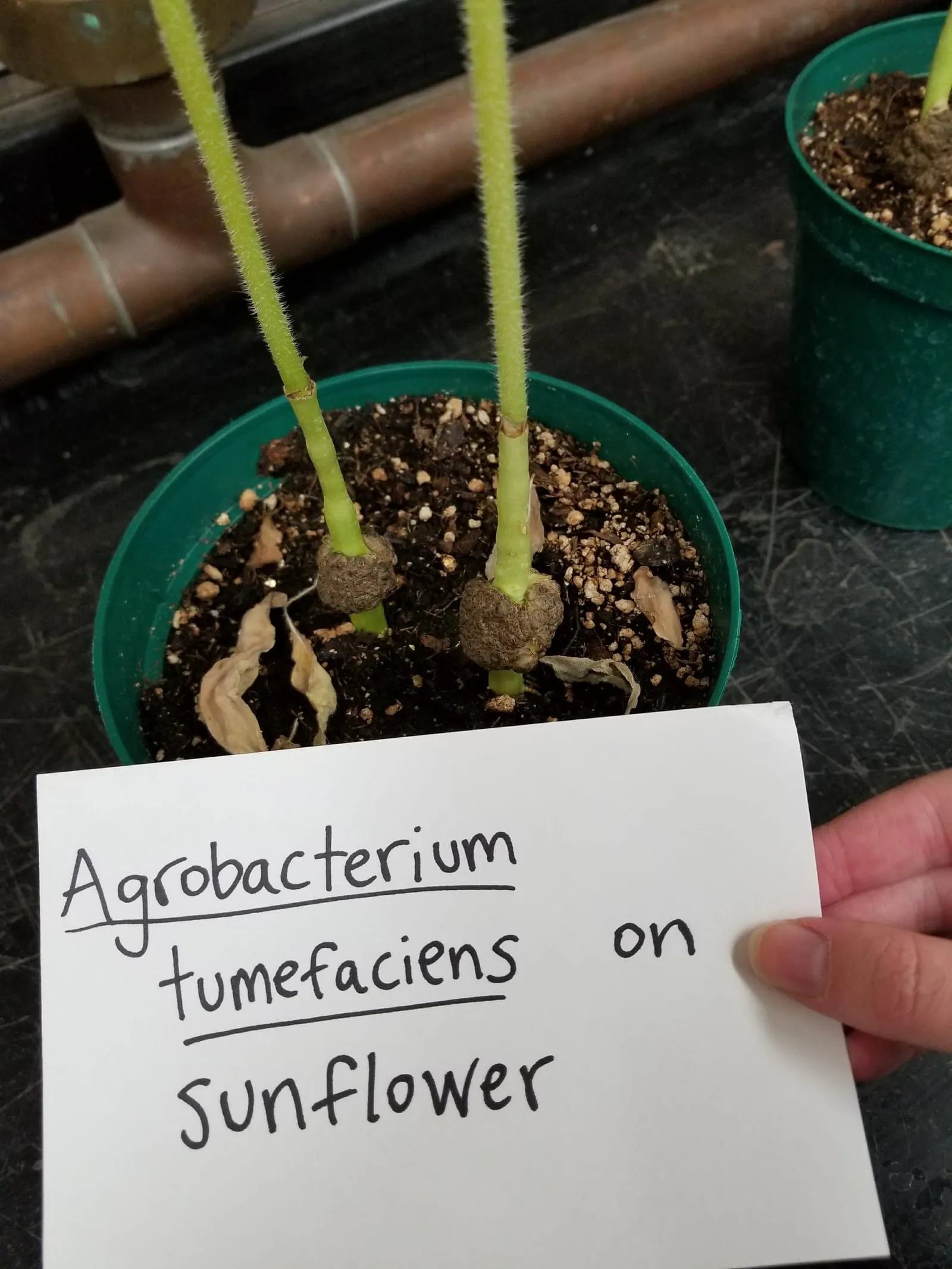
Agrobacterium tumefaciens
Soil-borne bacterium that enters plants through wounds and induces tumor-like galls on roots, crown, and lower stems. Galls reduce vigor and shorten plant lifespan; on Rubus the disease is often fatal.
Modified care for zone 5a
Winter cane protection is the primary adaptation for zone 5a. In late fall after canes have hardened, tip primocanes back to 3 to 4 feet and bend or bundle them close to the ground, then cover with mulch or let accumulated snow provide insulation. Skipping this step in exposed sites routinely results in tip dieback that reduces the following season's lateral production. On the disease side, Cane Anthracnose and Orange Rust are the pressures requiring consistent attention. Both move aggressively during cool, wet springs. Removing and destroying infected canes at pruning time, rather than leaving debris in the row, breaks the cycle more effectively than fungicide applications alone. Gray Mold (Botrytis) increases when canes are crowded; thinning to 4 to 6 canes per hill and maintaining row width below 18 inches improves airflow through the fruiting zone. Any site with slow drainage raises Phytophthora Root Rot risk sharply; raised rows or well-drained loam eliminate most of that exposure before it starts.
Black Raspberry in adjacent zones
Image: "Rubus occidentalis (35029818313)", by Karen Hine, via Wikimedia Commons, licensed under CC-BY Source.
.jpg)
Related