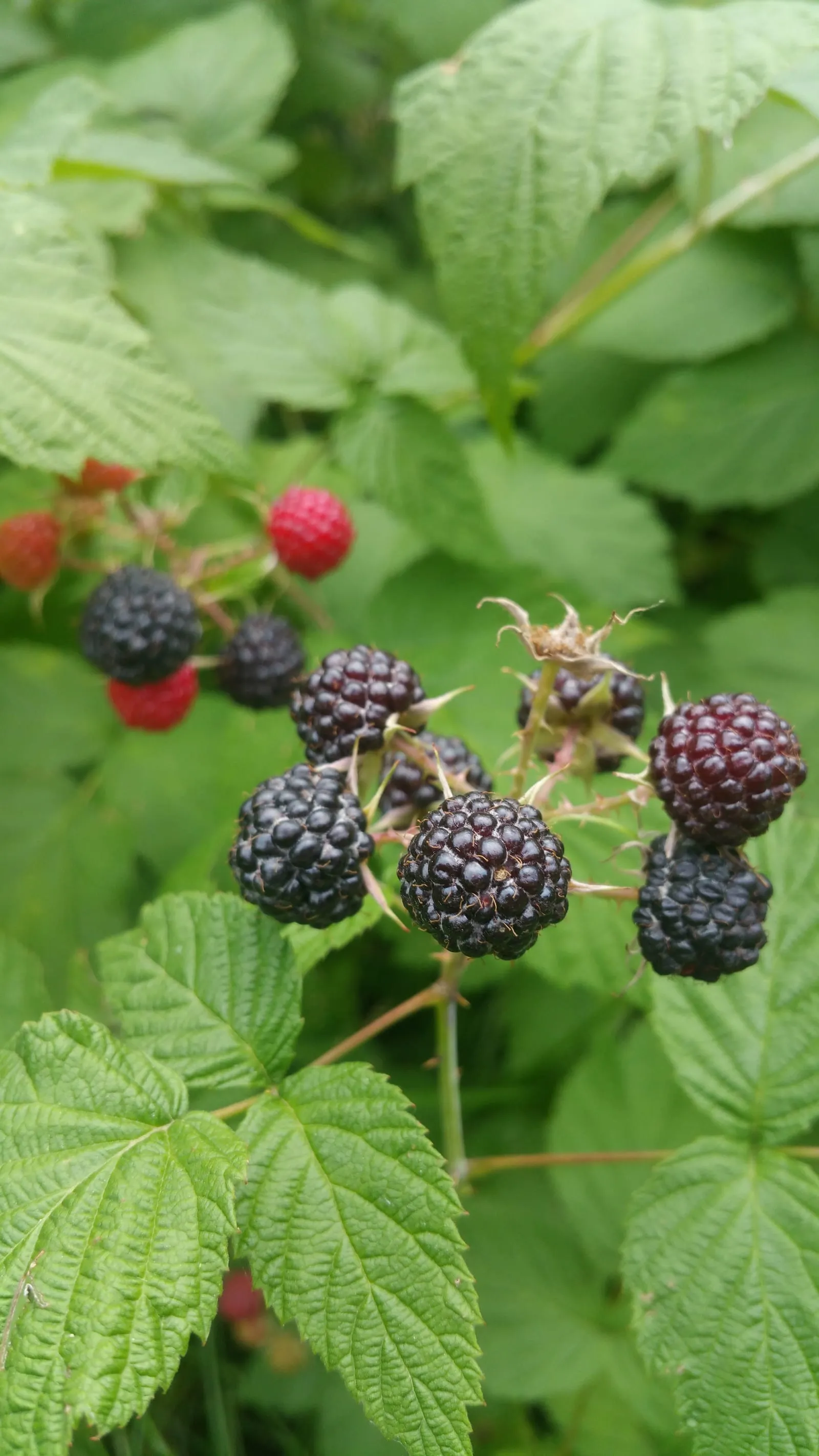
berry in zone 5b
Growing black raspberry in zone 5b
Rubus occidentalis
- Zone
- 5b -15°F to -10°F
- Growing season
- 165 days
- Chill needed
- 700 to 1000 below 45°F
- Suitable varieties
- 4
- Days to harvest
- 30 to 50
The verdict
Zone 5b sits comfortably within the core productive range for black raspberry. The crop's chill-hour requirement of 700 to 1,000 hours is reliably met in zone 5b, where most locations accumulate well above 1,000 chilling hours between November and February. This is not a marginal zone.
The greater concern is winter cane damage. Black raspberry canes are notably less cold-tolerant than red raspberry, and winter lows of -15 to -10°F can kill unprotected first-year canes to the snowline. Varieties like Jewel and Bristol handle zone 5b winters reasonably well with proper site selection, but exposed ridgelines or frost pockets that regularly hit -15°F will push crop reliability. Mac Black and Niwot were selected partly for cold tolerance and are worth prioritizing where winters are consistently severe.
Overall, zone 5b is a workable zone for black raspberry, not a stretch, provided growers choose cold-tolerant varieties and avoid low-lying sites with poor cold-air drainage.
Recommended varieties for zone 5b
4 cultivars suited to this zone, with disease-resistance and zone-fit annotations.
| Variety | Notes | Zone fit | Disease resistance |
|---|---|---|---|
| Jewel fits zone 5b | Intensely sweet, rich, deeply complex flavor; fresh, jam, baking, freezing. The standard summer-bearing black raspberry, most widely planted. Vigorous, productive. | | none noted |
| Bristol fits zone 5b | Sweet, full-bodied flavor, large firm berries; fresh and processing. Vigorous summer-bearing variety with strong upright canes. | | none noted |
| Mac Black fits zone 5b | Sweet-tart, rich, complex; fresh, jam. Late-ripening summer bearer, extends the black raspberry harvest. Cold-hardy. | | none noted |
| Niwot fits zone 5b | Sweet, intensely flavored, the only true everbearing black raspberry; fresh eating premium. Primary fall crop on first-year canes. | | none noted |
Critical timing for zone 5b
Black raspberry typically blooms in late April through mid-May in zone 5b, depending on spring temperatures and site elevation. The last spring frost in zone 5b averages late April to early May, which puts bloom timing in direct conflict with frost risk in colder years. A late frost during or just after open bloom can eliminate the crop for that season.
Harvest generally falls in late June to mid-July, running roughly 4 to 6 weeks after peak bloom. The 165-day growing season in zone 5b is more than sufficient for the fruit to develop and ripen before fall frosts threaten. Growers should expect a compressed harvest window of 2 to 3 weeks per planting, so succession planting across varieties can extend the picking season somewhat.
Common challenges in zone 5b
- ▸ Plum curculio
- ▸ Codling moth
- ▸ Cedar-apple rust
Disease pressure to watch for
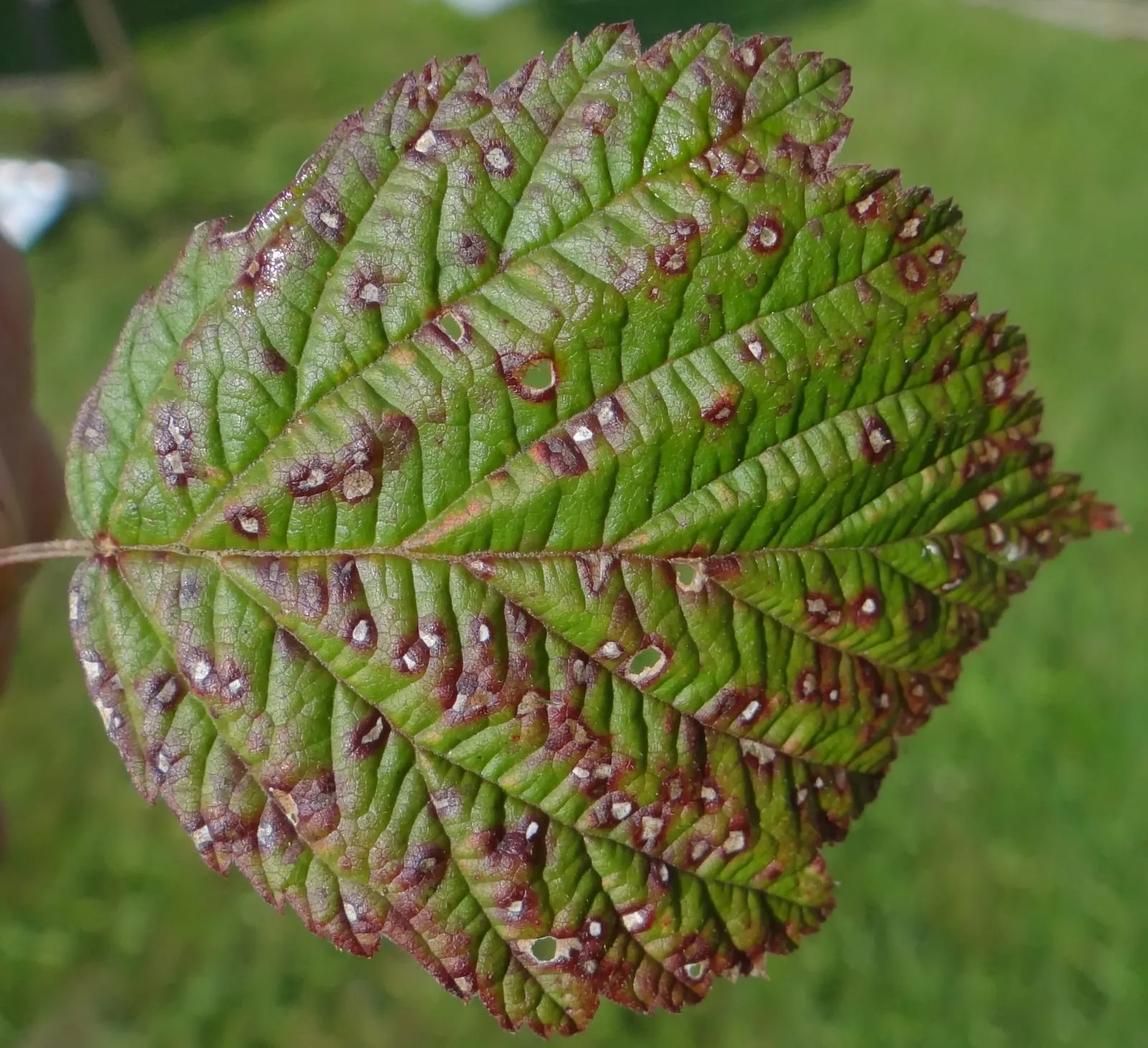
Elsinoe veneta
Fungal cane disease causing purple-bordered lesions that girdle and weaken bramble and Ribes canes, reducing yield over consecutive seasons.
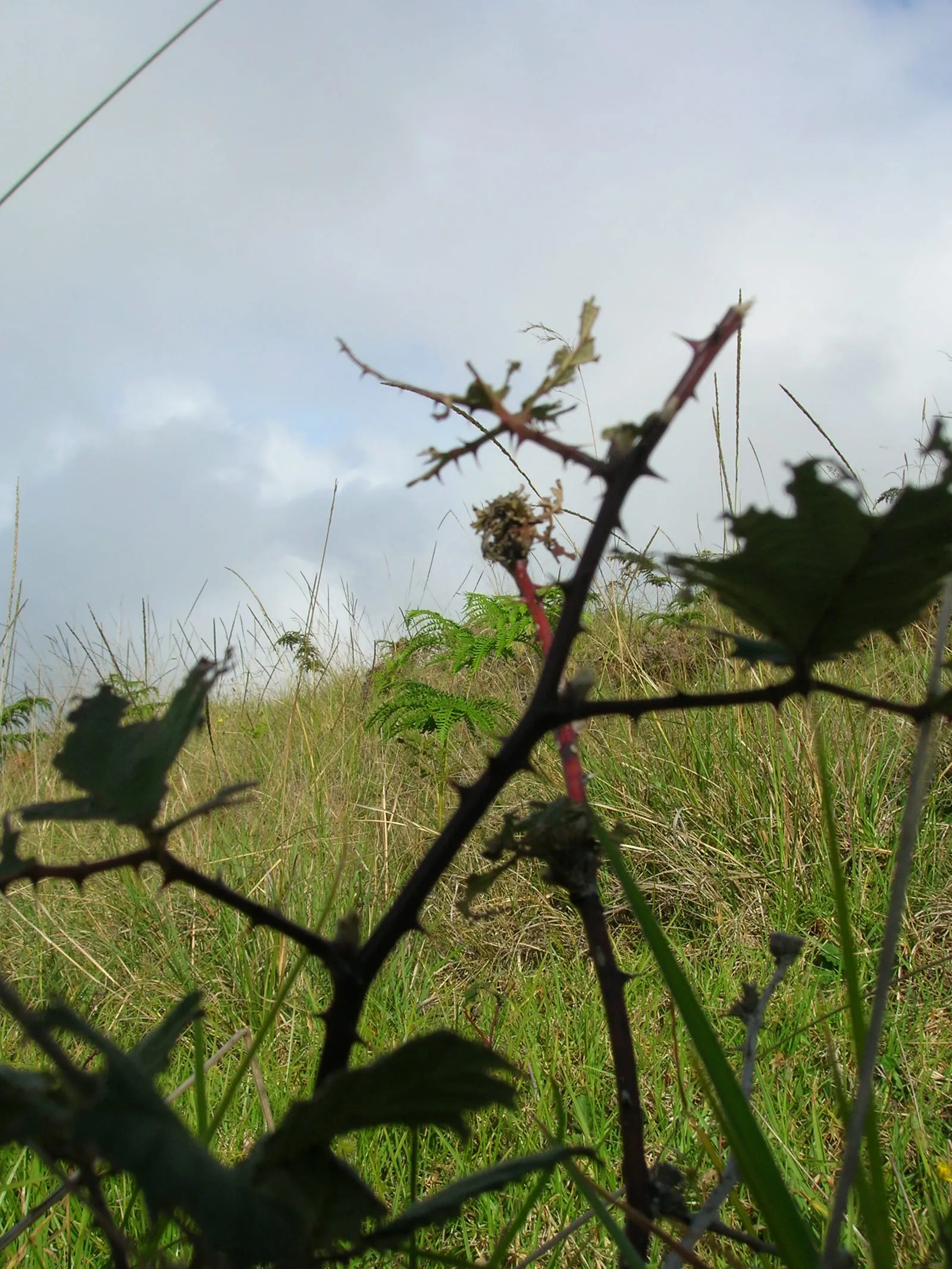
Leptosphaeria coniothyrium
Fungal disease that enters through wounds (often from cane-borer or pruning cuts) and causes dark cankers that wilt and kill canes.
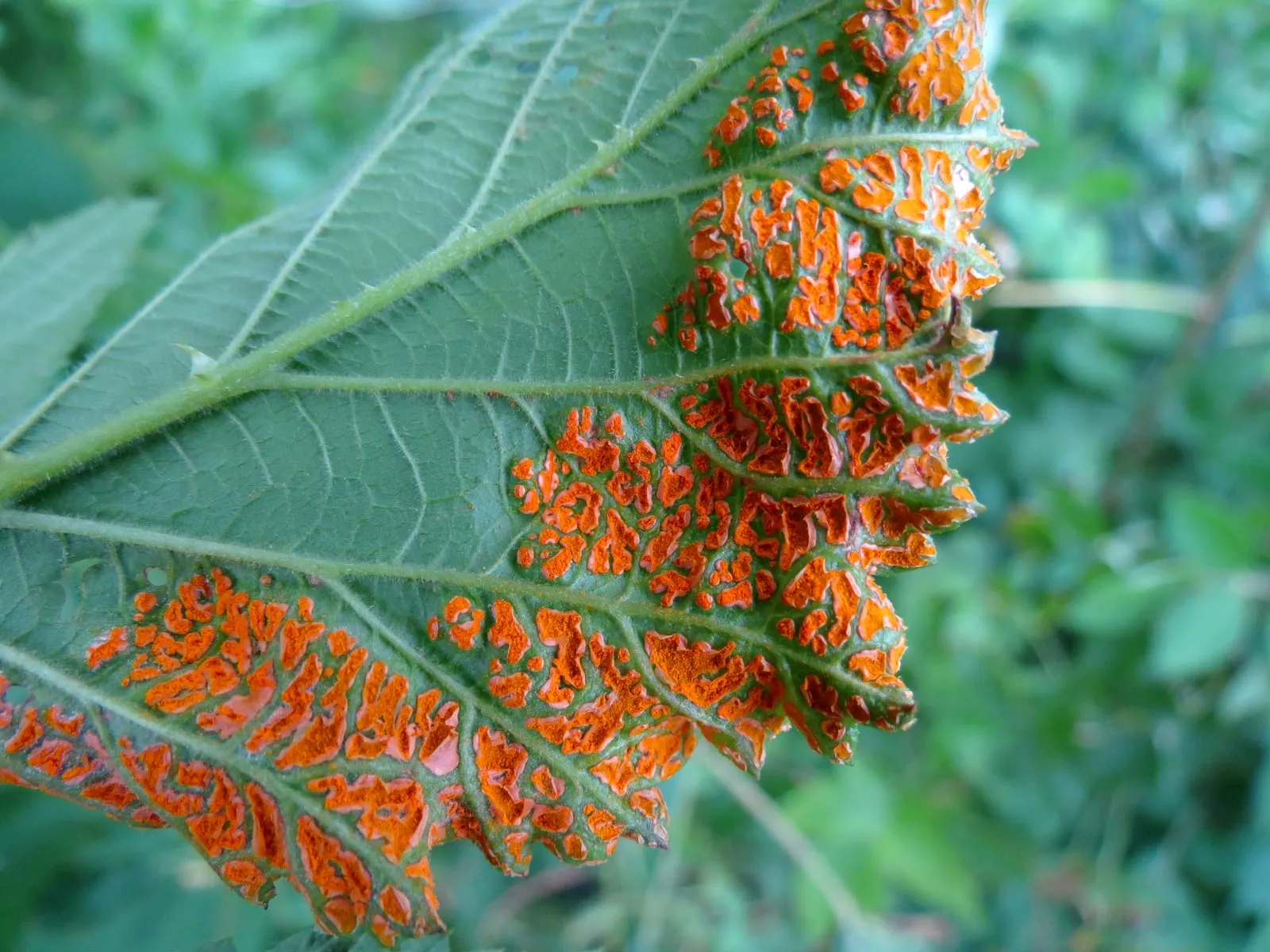
Arthuriomyces peckianus
Systemic fungal disease that permanently infects black raspberries and blackberries (not red raspberry); infected plants must be removed entirely.
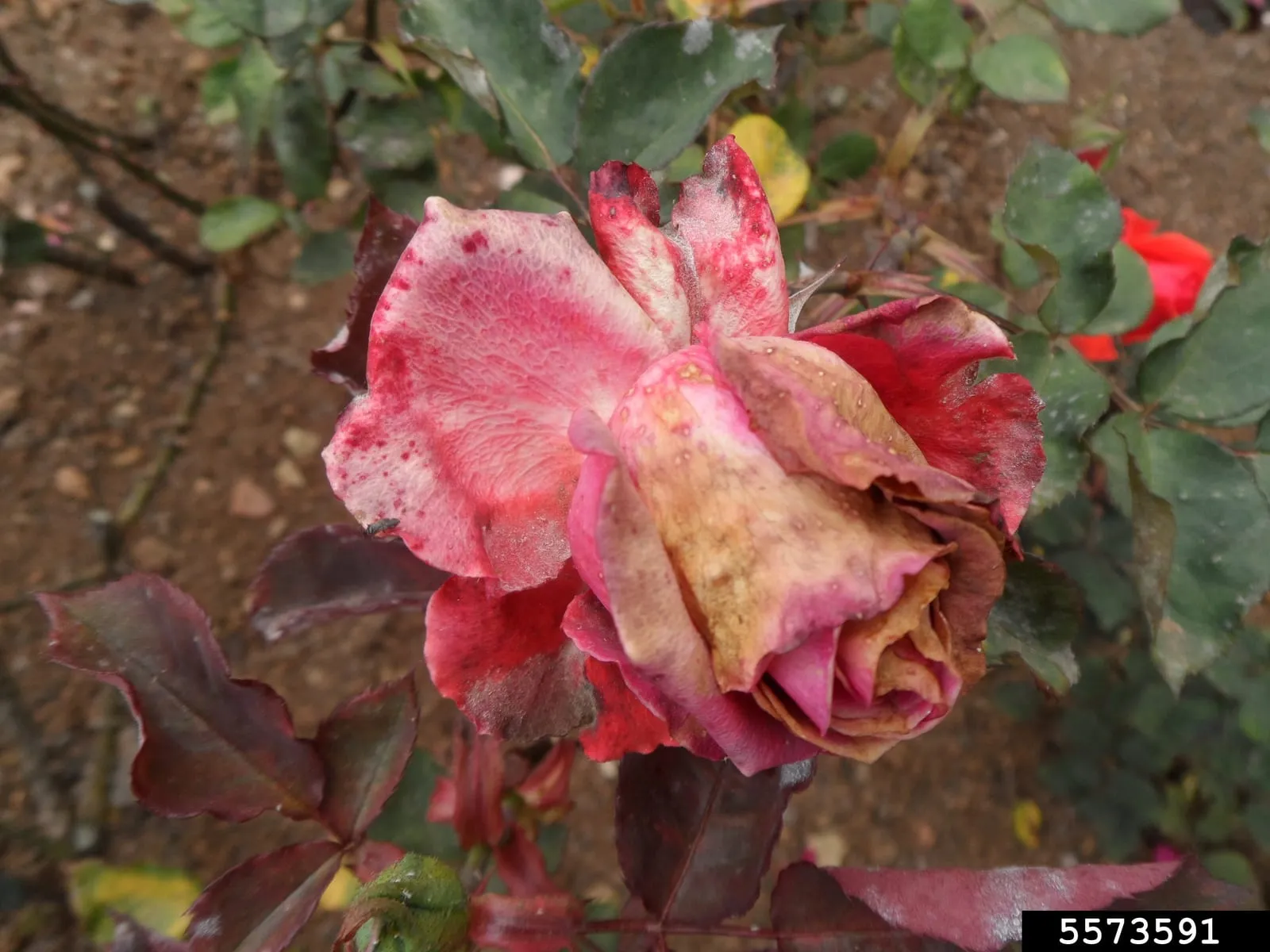
Botrytis cinerea
Ubiquitous fungal disease that causes fruit rot during cool wet weather, often the dominant berry disease in humid regions.
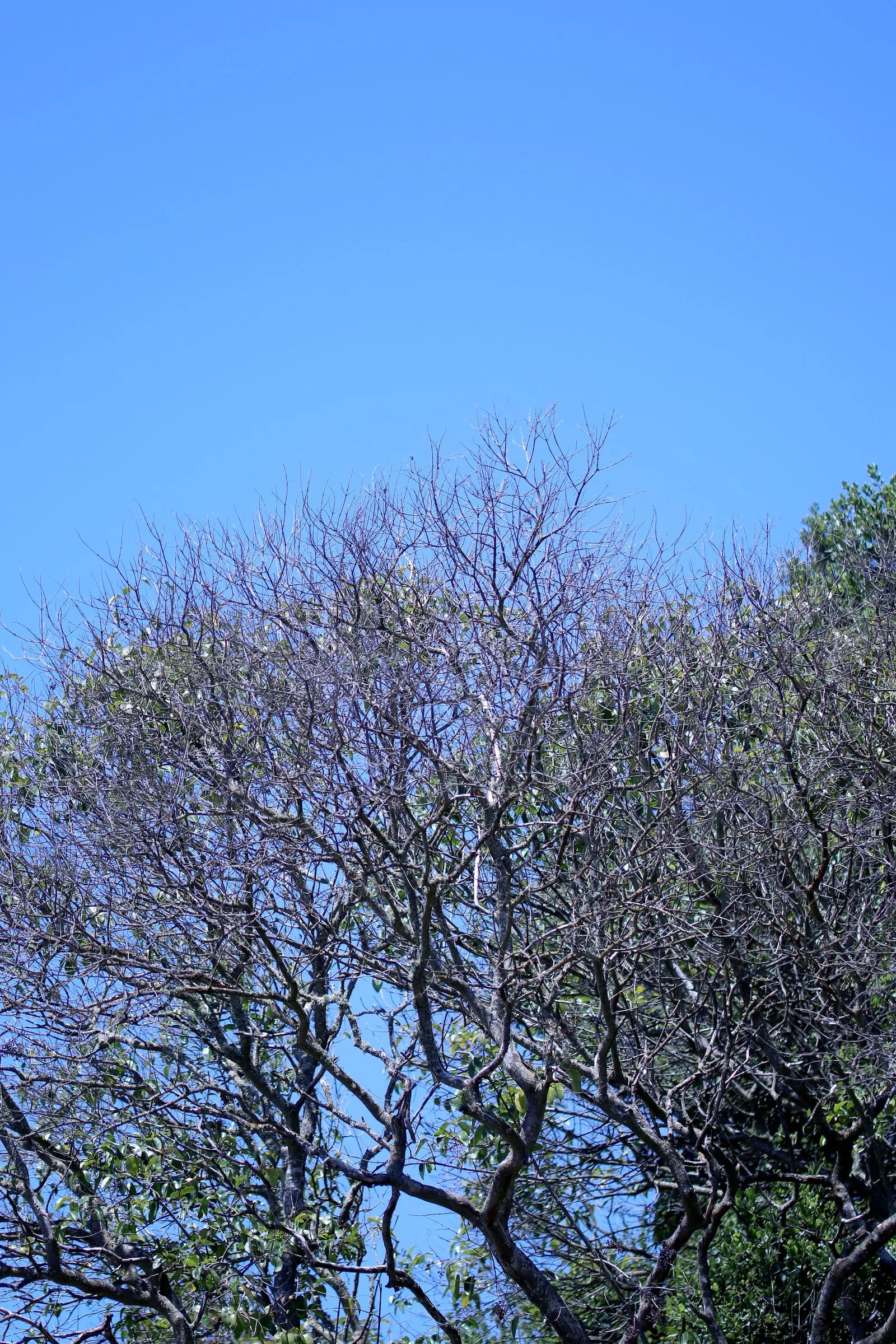
Phytophthora species
Soil-borne water mold that destroys roots in waterlogged soils, the leading cause of blueberry decline in poorly drained sites.
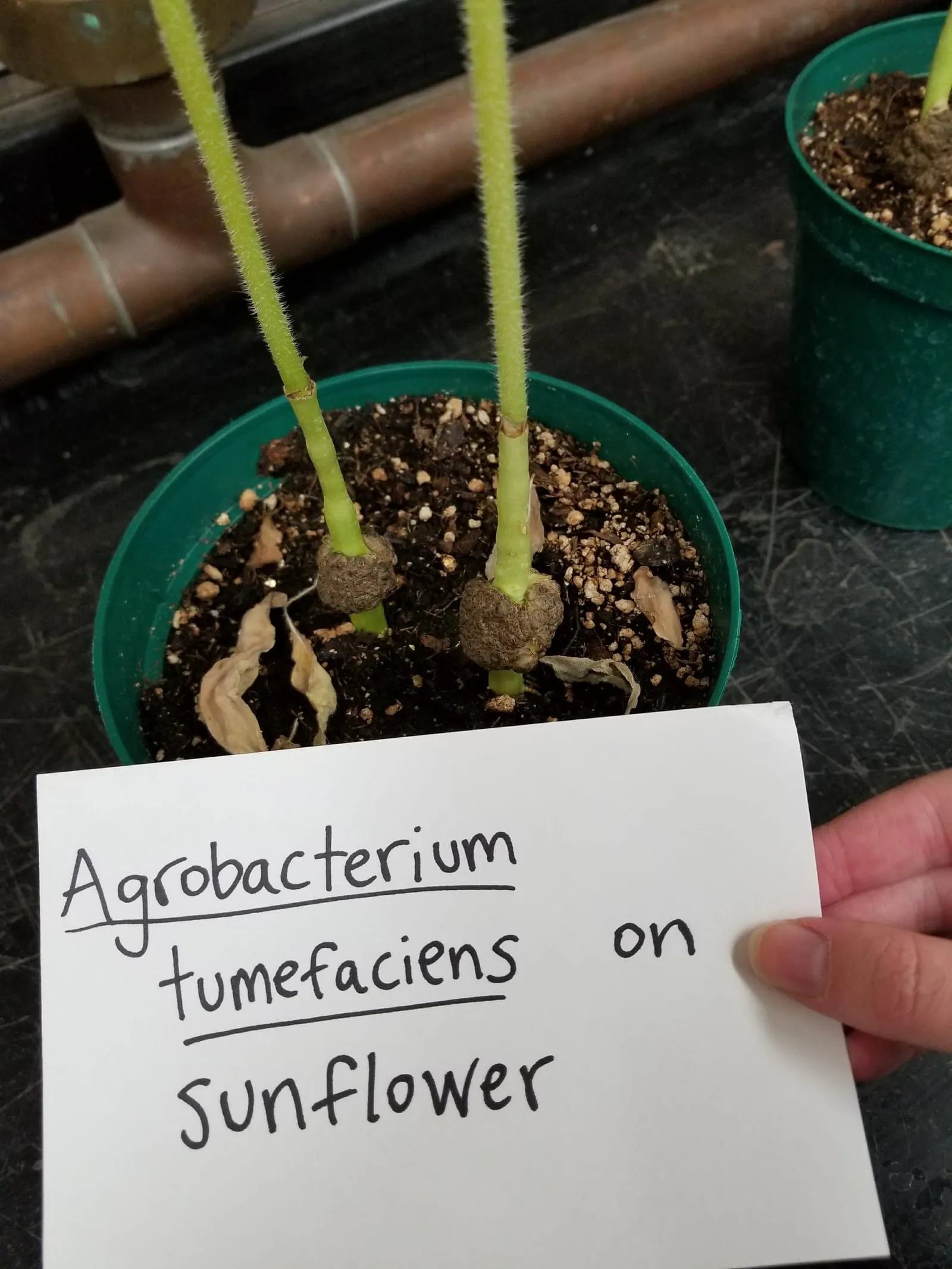
Agrobacterium tumefaciens
Soil-borne bacterium that enters plants through wounds and induces tumor-like galls on roots, crown, and lower stems. Galls reduce vigor and shorten plant lifespan; on Rubus the disease is often fatal.
Modified care for zone 5b
Cane protection is the primary adjustment in zone 5b. After the first killing frost in autumn, first-year canes (primocanes) can be bent to the ground and covered with mulch or soil to keep them below the insulating snowpack through winter. This is labor-intensive but significantly reduces tip dieback in hard winters. Second-year canes (floricanes) are less flexible and more prone to snapping, so they are typically left standing and pruned out after fruiting.
Disease pressure from Cane Anthracnose, Cane Blight, and Orange Rust is real in zone 5b, particularly in years with wet springs. Good air circulation through proper thinning and trellising reduces humidity around the canopy. Orange Rust is a systemic fungal disease with no cure; infected plants must be removed entirely and destroyed. Gray Mold (Botrytis) can be a problem during wet harvest periods, so harvesting promptly and avoiding overhead irrigation during fruiting reduces losses.
Black Raspberry in adjacent zones
Image: "Rubus occidentalis (35029818313)", by Karen Hine, via Wikimedia Commons, licensed under CC-BY Source.
.jpg)
Related