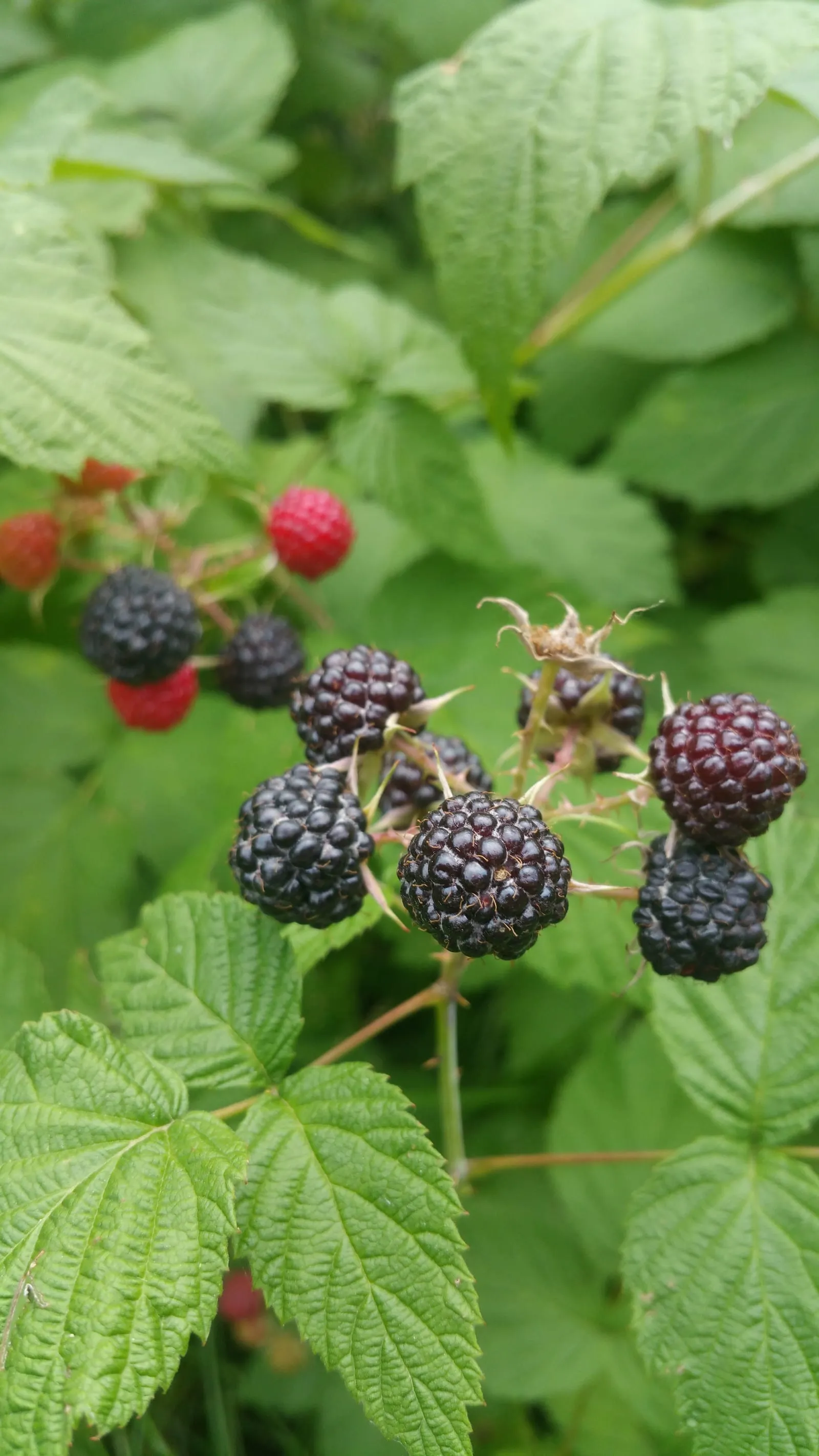
berry in zone 6a
Growing black raspberry in zone 6a
Rubus occidentalis
- Zone
- 6a -10°F to -5°F
- Growing season
- 180 days
- Chill needed
- 700 to 1000 below 45°F
- Suitable varieties
- 4
- Days to harvest
- 30 to 50
The verdict
Zone 6a, with winter lows of -10°F to -5°F, sits comfortably within the black raspberry's viable range. Black raspberries are hardy to zone 4 or 5 depending on variety, so zone 6a is a sweet spot, not a marginal case. The more relevant question is chill hours: black raspberry requires 700 to 1,000 hours below 45°F, and zone 6a reliably delivers 1,000 or more in a typical winter across most of its range. That's adequate to break dormancy fully and set a consistent crop.
The 180-day growing season gives canes enough time to mature, harden off, and survive winter without the stress that shorter seasons impose in colder zones. Late-emerging cultivars like Jewel and Bristol fit the zone's calendar well. The main suitability caveat is site-specific: low-lying frost pockets can push effective conditions toward zone 5, and wet clay soils increase phytophthora root rot risk regardless of temperature.
Recommended varieties for zone 6a
4 cultivars suited to this zone, with disease-resistance and zone-fit annotations.
| Variety | Notes | Zone fit | Disease resistance |
|---|---|---|---|
| Jewel fits zone 6a | Intensely sweet, rich, deeply complex flavor; fresh, jam, baking, freezing. The standard summer-bearing black raspberry, most widely planted. Vigorous, productive. | | none noted |
| Bristol fits zone 6a | Sweet, full-bodied flavor, large firm berries; fresh and processing. Vigorous summer-bearing variety with strong upright canes. | | none noted |
| Mac Black fits zone 6a | Sweet-tart, rich, complex; fresh, jam. Late-ripening summer bearer, extends the black raspberry harvest. Cold-hardy. | | none noted |
| Niwot fits zone 6a | Sweet, intensely flavored, the only true everbearing black raspberry; fresh eating premium. Primary fall crop on first-year canes. | | none noted |
Critical timing for zone 6a
Black raspberry bloom in zone 6a typically falls in late May to early June, later than stone fruits and most tree crops. The zone's average last spring frost runs from late April through mid-May depending on elevation and microclimate, so bloom usually escapes the highest-risk frost window. A late frost event in early May can still catch early-emerging buds, but the crop is less exposed than peaches in the same zone.
Harvest follows bloom by roughly 30 to 35 days, placing picking in late June through mid-July. First fall frost in zone 6a arrives around mid-October on average, well after harvest is complete. The practical growing calendar for black raspberry in zone 6a is compressed into about six weeks from first bloom through last pick, which concentrates both workload and pest pressure.
Common challenges in zone 6a
- ▸ Brown rot in stone fruit
- ▸ Japanese beetles
- ▸ Spring frost damage to peach buds
Disease pressure to watch for
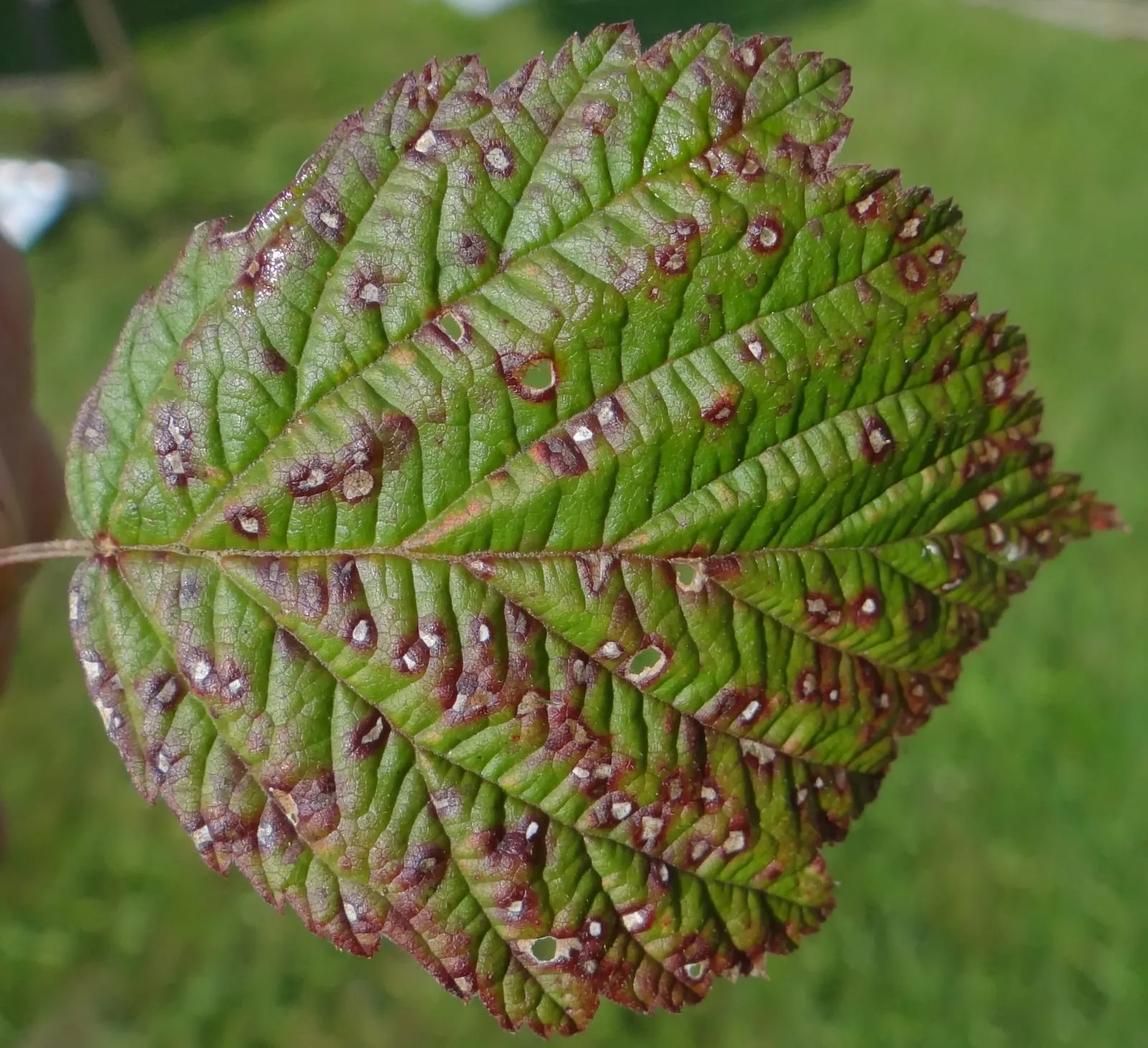
Elsinoe veneta
Fungal cane disease causing purple-bordered lesions that girdle and weaken bramble and Ribes canes, reducing yield over consecutive seasons.
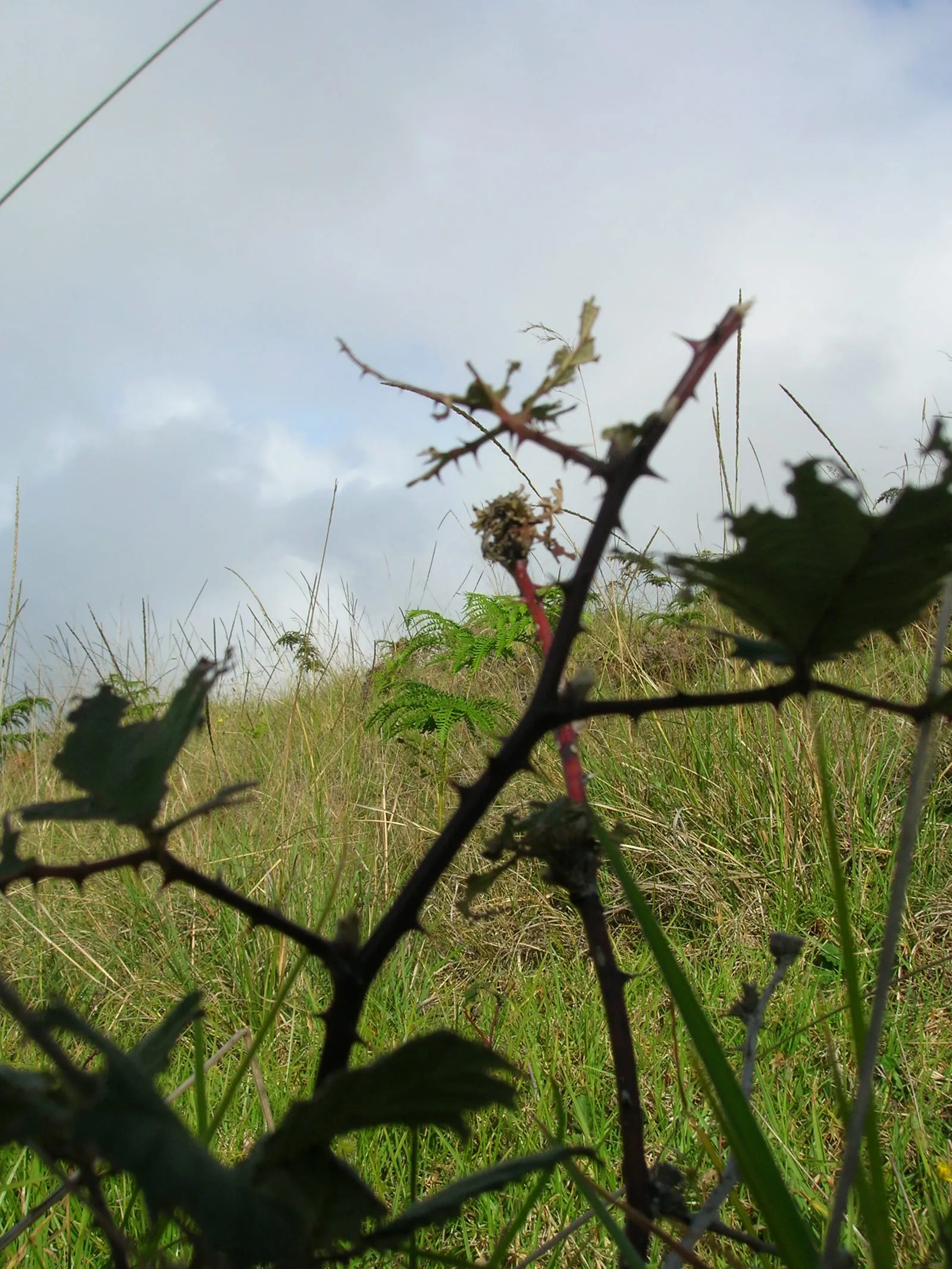
Leptosphaeria coniothyrium
Fungal disease that enters through wounds (often from cane-borer or pruning cuts) and causes dark cankers that wilt and kill canes.
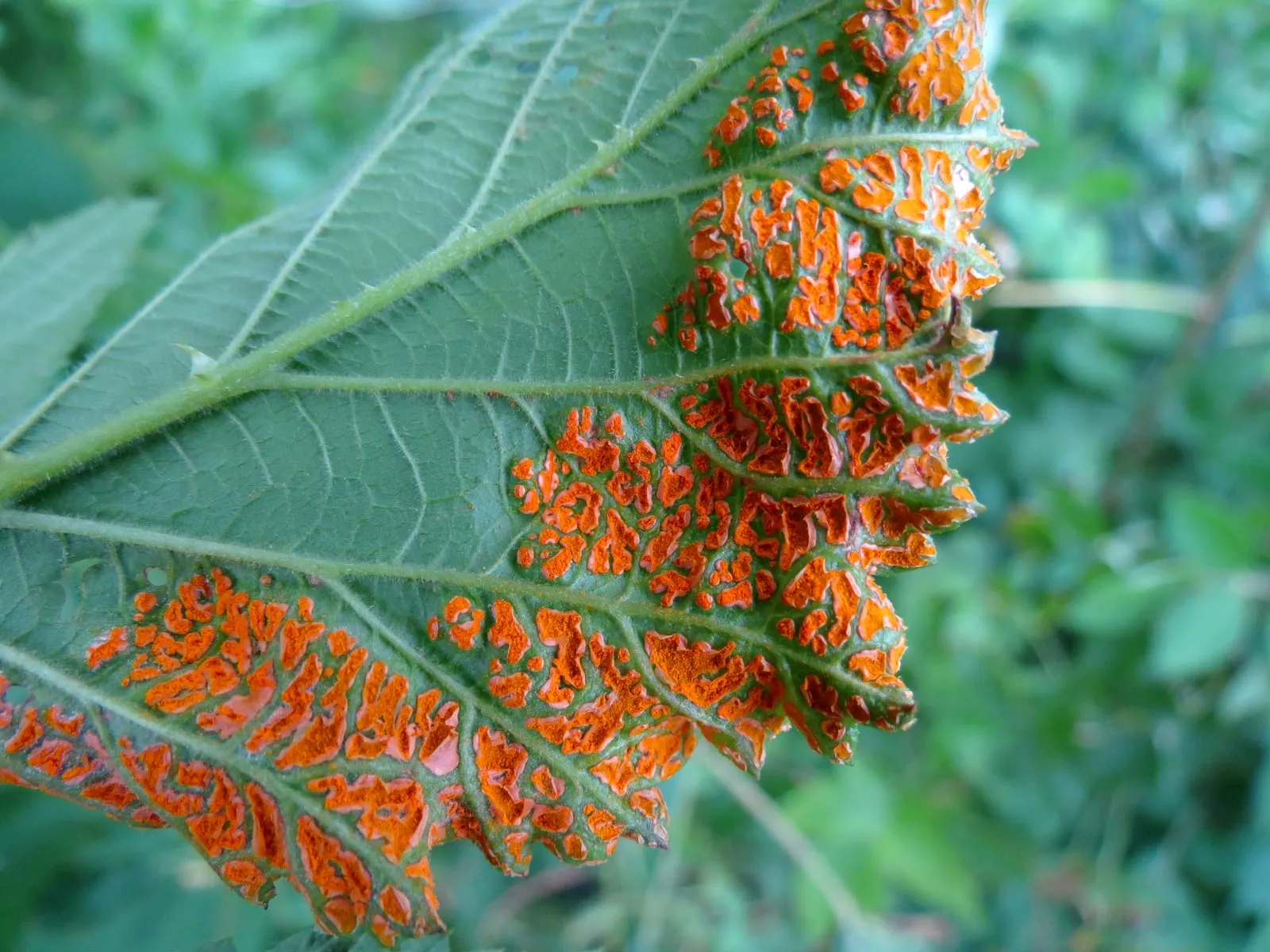
Arthuriomyces peckianus
Systemic fungal disease that permanently infects black raspberries and blackberries (not red raspberry); infected plants must be removed entirely.
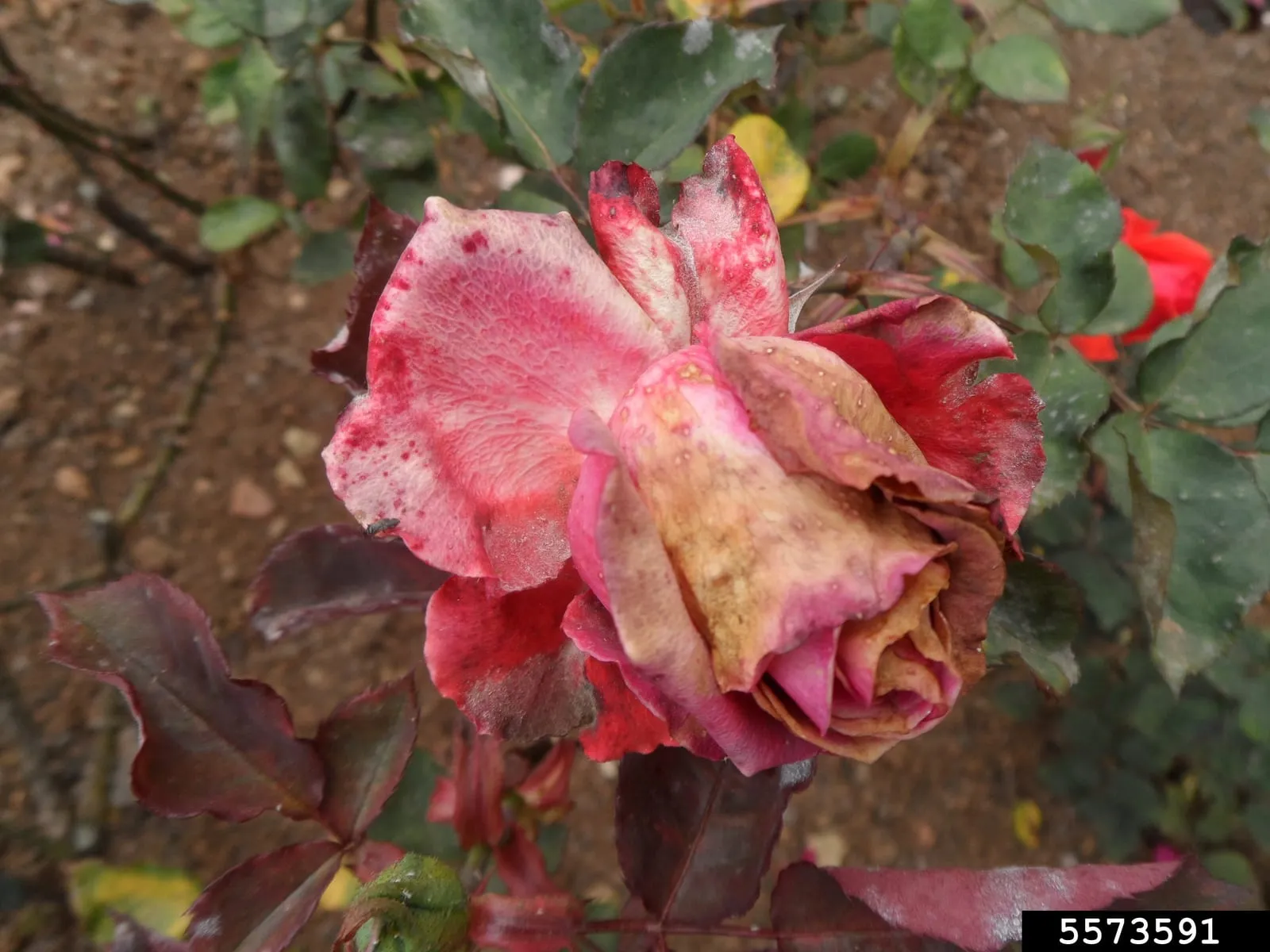
Botrytis cinerea
Ubiquitous fungal disease that causes fruit rot during cool wet weather, often the dominant berry disease in humid regions.
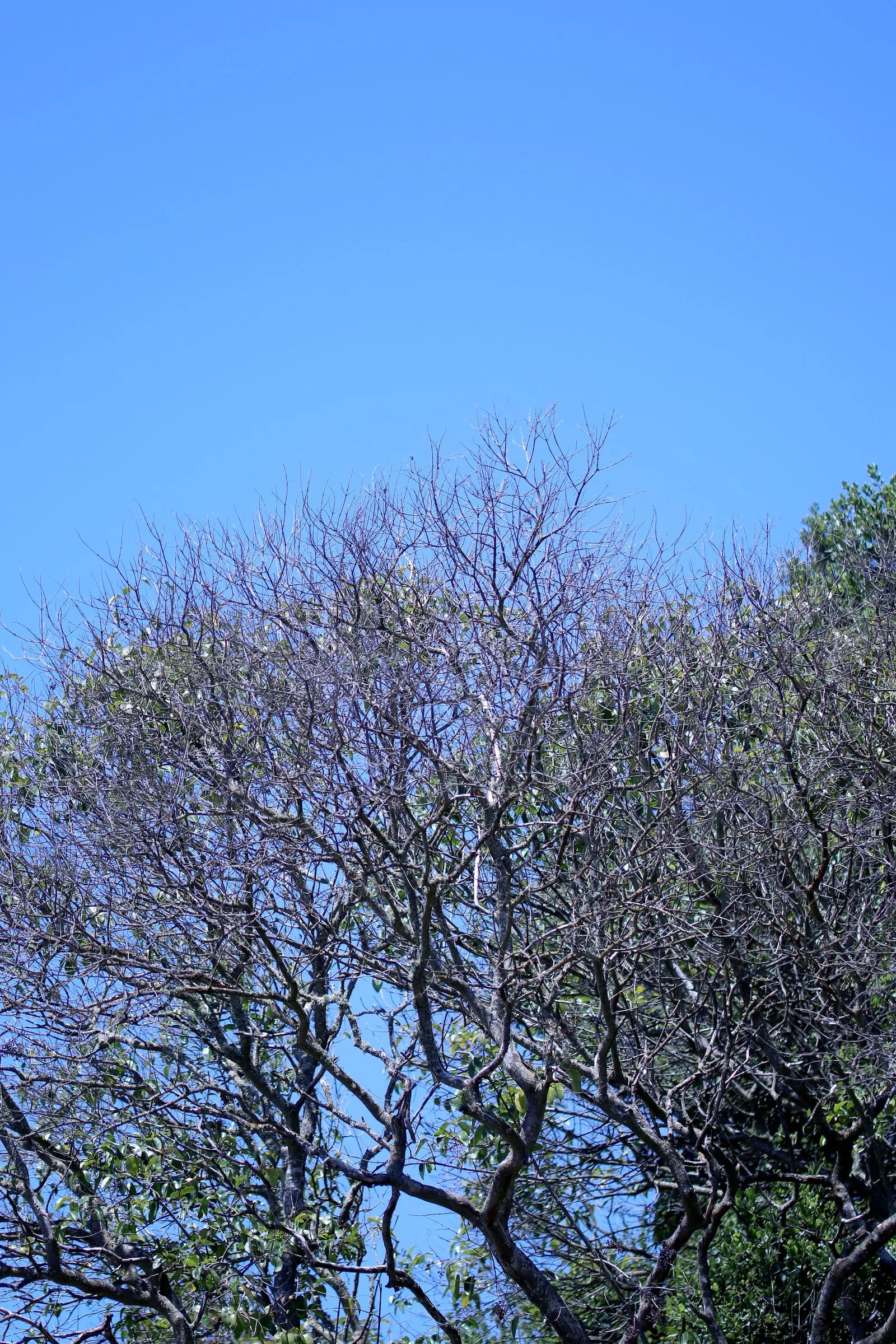
Phytophthora species
Soil-borne water mold that destroys roots in waterlogged soils, the leading cause of blueberry decline in poorly drained sites.
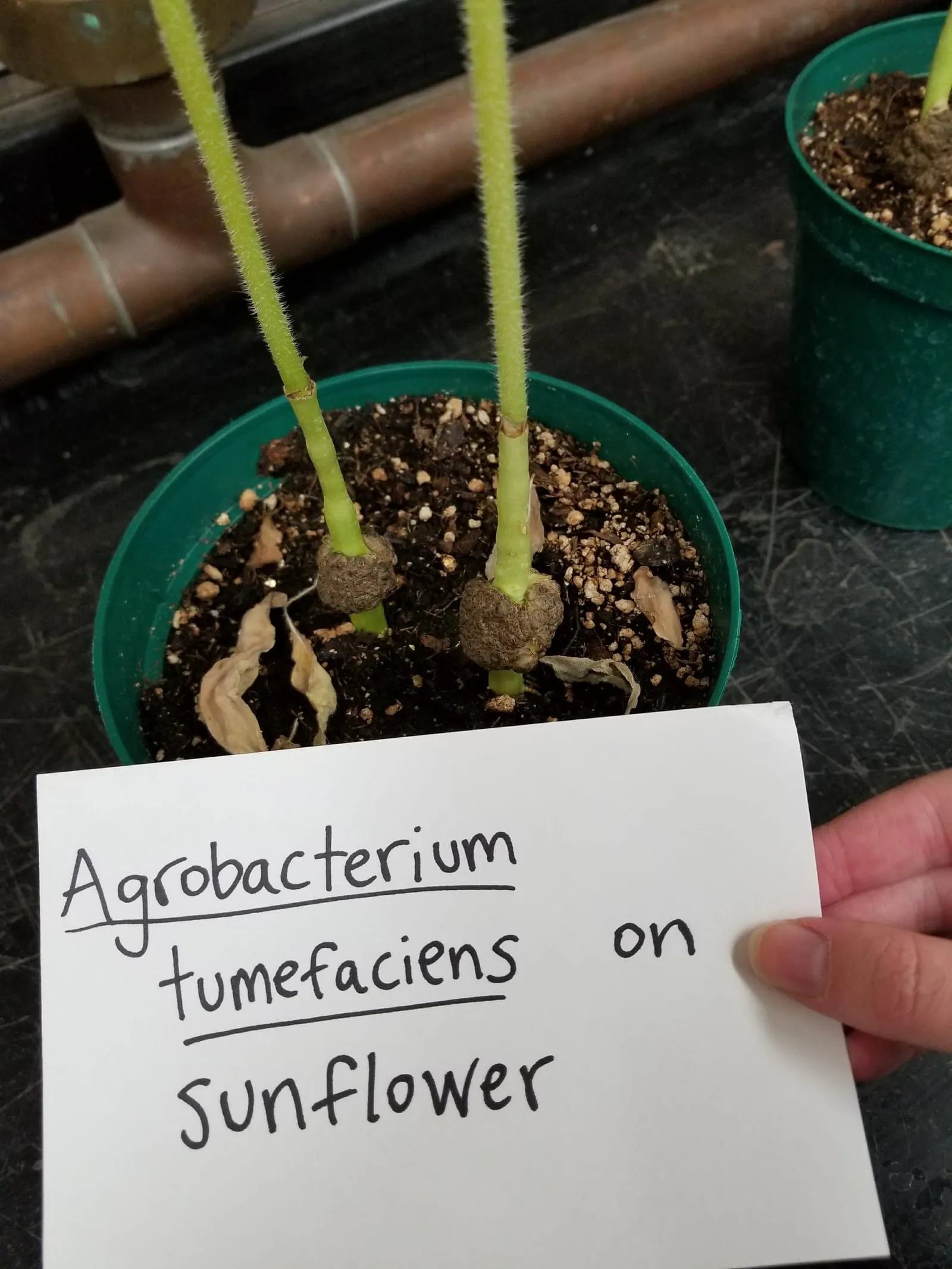
Agrobacterium tumefaciens
Soil-borne bacterium that enters plants through wounds and induces tumor-like galls on roots, crown, and lower stems. Galls reduce vigor and shorten plant lifespan; on Rubus the disease is often fatal.
Modified care for zone 6a
Zone 6a's humid summers, common across the Midwest and mid-Atlantic portions of the zone, create elevated disease pressure. Cane anthracnose and orange rust are the priority concerns; a preventive fungicide program starting at bud break, with follow-up applications through cane elongation, reduces infection rates substantially. Orange rust, caused by a systemic pathogen, has no cure once established, so infected plants should be removed entirely rather than treated.
Japanese beetle pressure in zone 6a peaks in July, coinciding with post-harvest cane growth. Defoliation at this stage weakens next year's floricanes. Monitoring and early intervention matter more than calendar spraying.
Avoid nitrogen applications after mid-July. Late-season fertilization pushes soft growth that does not harden before cold arrives, increasing tip dieback. Sites with restricted drainage are prone to phytophthora root rot; raised beds or well-drained sandy loam eliminates most of that risk before planting.
Frequently asked questions
- Is zone 6a a good zone for black raspberries?
Yes. Zone 6a provides the chill hours black raspberry needs (700 to 1,000 hours) and winter lows that are well within the crop's hardiness range. Most established plantings in zone 6a produce reliably without special cold protection.
- Which black raspberry varieties do best in zone 6a?
Jewel and Bristol are the most widely grown in zone 6a and have a long track record in the region. Mac Black and Niwot offer alternatives worth trialing, though regional performance data for them is thinner than for Jewel.
- How serious is orange rust for black raspberries in zone 6a?
Orange rust is a systemic fungal disease with no effective cure once a plant is infected. In zone 6a's humid summers it can spread rapidly. Infected plants must be removed. Preventive fungicide applications and sourcing certified disease-free planting stock are the primary controls.
- When should black raspberries be planted in zone 6a?
Bare-root canes are best planted in early spring as soon as soil is workable, typically March through early April in zone 6a. Container plants can go in through early fall as long as they have time to establish roots before the first hard freeze.
+−
+−
+−
+−
Black Raspberry in adjacent zones
Image: "Rubus occidentalis (35029818313)", by Karen Hine, via Wikimedia Commons, licensed under CC-BY Source.
.jpg)
Related