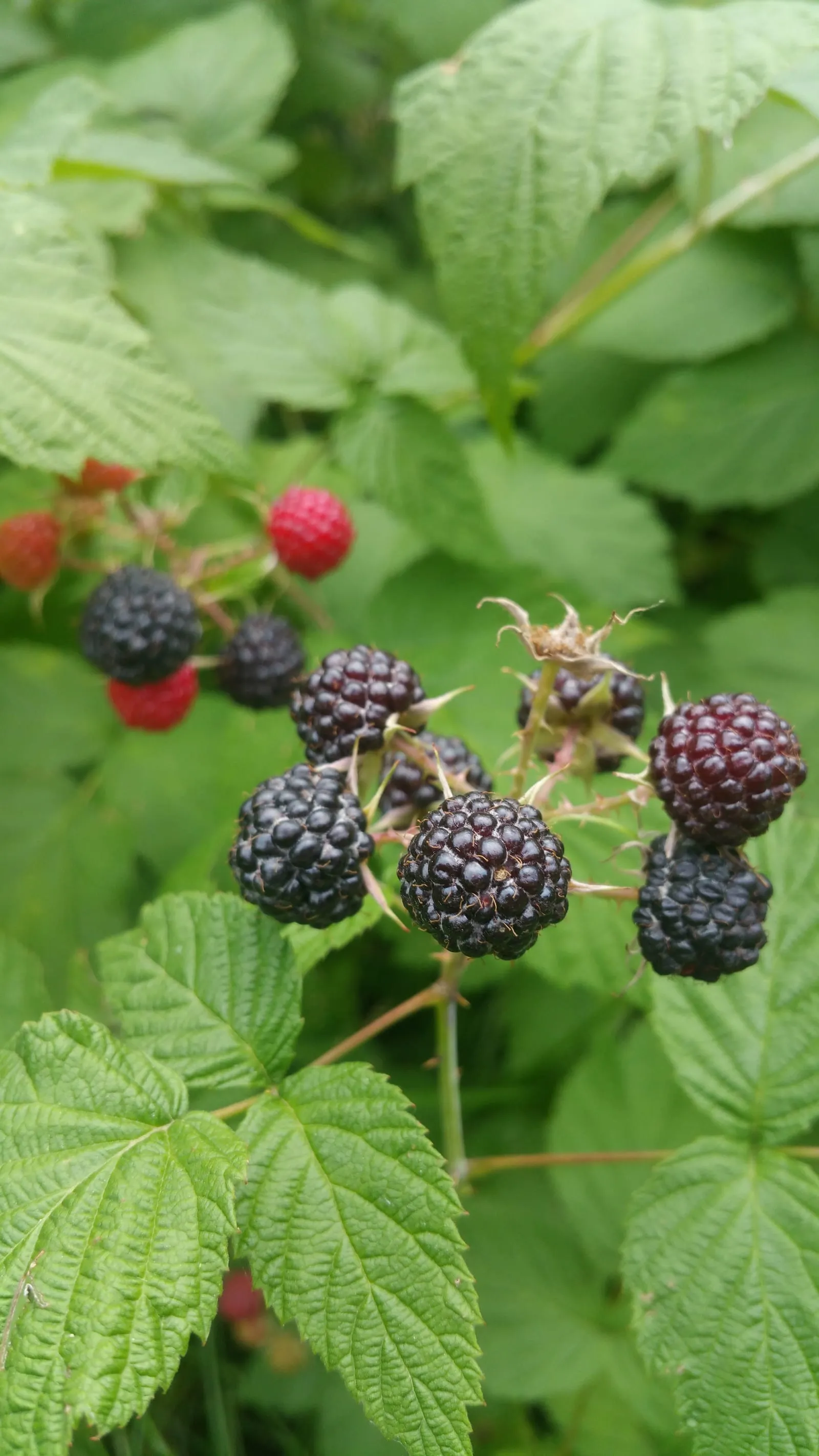
berry in zone 6b
Growing black raspberry in zone 6b
Rubus occidentalis
- Zone
- 6b -5°F to 0°F
- Growing season
- 190 days
- Chill needed
- 700 to 1000 below 45°F
- Suitable varieties
- 4
- Days to harvest
- 30 to 50
The verdict
Zone 6b sits comfortably within the black raspberry's preferred range. The crop requires 700 to 1,000 chill hours to break dormancy and fruit reliably; zone 6b winters typically deliver 900 to 1,200 hours below 45°F, so chill accumulation is rarely the limiting factor. Winter low temperatures of -5 to 0°F (-20.6 to -17.8°C) can occasionally damage exposed cane tips, but established plants rooted in well-drained soil come through most winters without significant dieback.
This is not a marginal zone. Black raspberries originated in eastern North America, and their native range overlaps heavily with zone 6b conditions. The 190-day growing season gives canes enough time to fully ripen primocanes for next year's crop. The main constraints in this zone are disease-driven rather than climate-driven: orange rust, cane anthracnose, and cane blight all thrive in the humid summers common across much of zone 6b. Variety selection and site hygiene matter more here than winter hardiness.
Recommended varieties for zone 6b
4 cultivars suited to this zone, with disease-resistance and zone-fit annotations.
| Variety | Notes | Zone fit | Disease resistance |
|---|---|---|---|
| Jewel fits zone 6b | Intensely sweet, rich, deeply complex flavor; fresh, jam, baking, freezing. The standard summer-bearing black raspberry, most widely planted. Vigorous, productive. | | none noted |
| Bristol fits zone 6b | Sweet, full-bodied flavor, large firm berries; fresh and processing. Vigorous summer-bearing variety with strong upright canes. | | none noted |
| Mac Black fits zone 6b | Sweet-tart, rich, complex; fresh, jam. Late-ripening summer bearer, extends the black raspberry harvest. Cold-hardy. | | none noted |
| Niwot fits zone 6b | Sweet, intensely flavored, the only true everbearing black raspberry; fresh eating premium. Primary fall crop on first-year canes. | | none noted |
Critical timing for zone 6b
Black raspberry bloom in zone 6b typically falls between late April and mid-May, depending on microclimate and variety. This window overlaps with the tail end of late-frost risk for most of zone 6b, where last-frost dates commonly run from April 1 to April 20. An unusually late frost during bloom can reduce fruit set on early-flowering selections such as Bristol.
Harvest follows bloom by roughly 60 to 70 days, putting peak picking in late June through mid-July for most zone 6b locations. Jewel and Bristol are the earliest to ripen; Niwot, developed in Colorado, tends to run a week or more later. Summer heat accumulation within the 190-day growing season is more than sufficient to fully ripen fruit before the first fall frost.
Common challenges in zone 6b
- ▸ Cedar-apple rust
- ▸ Fire blight
- ▸ Stink bugs
Disease pressure to watch for
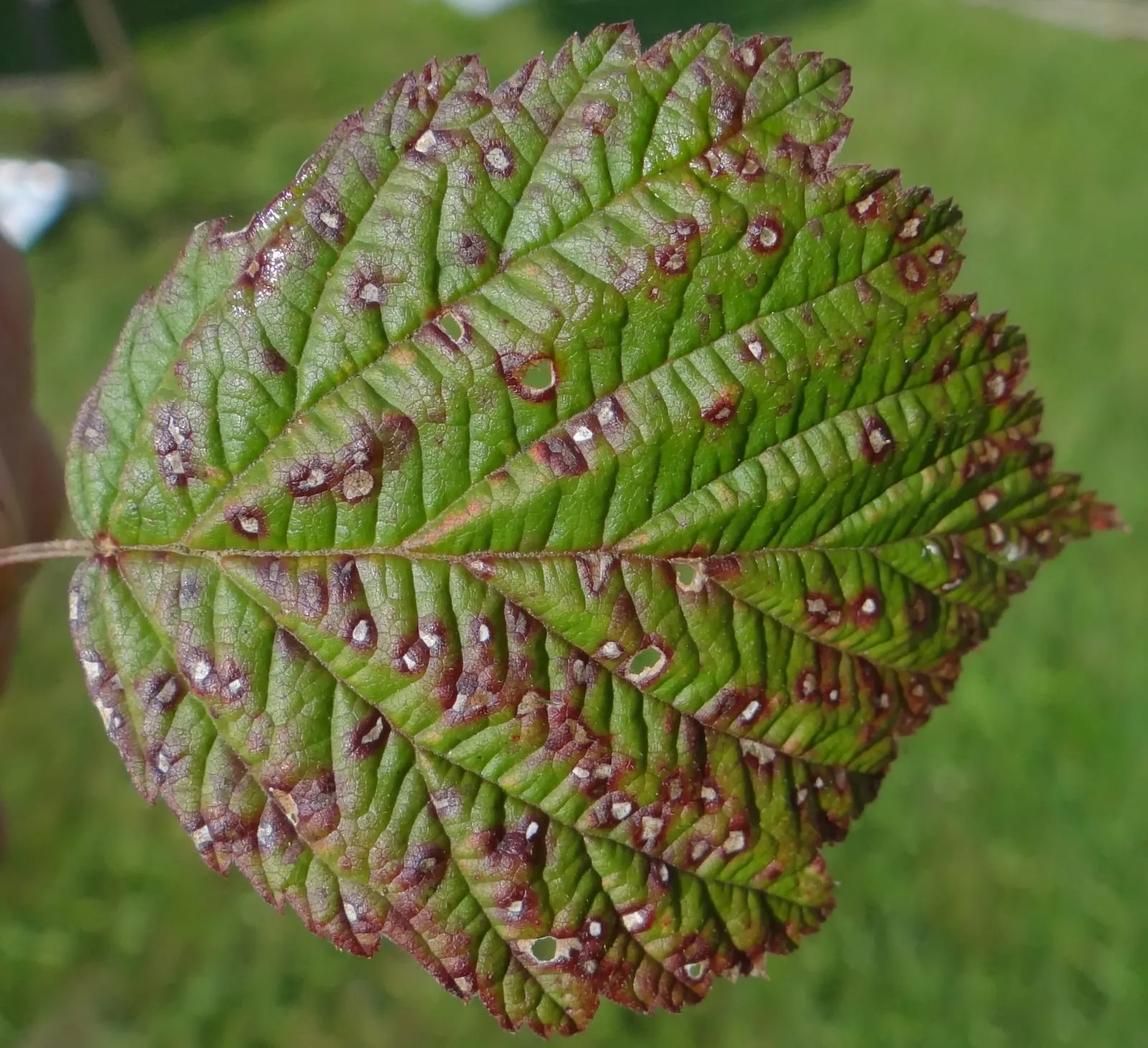
Elsinoe veneta
Fungal cane disease causing purple-bordered lesions that girdle and weaken bramble and Ribes canes, reducing yield over consecutive seasons.
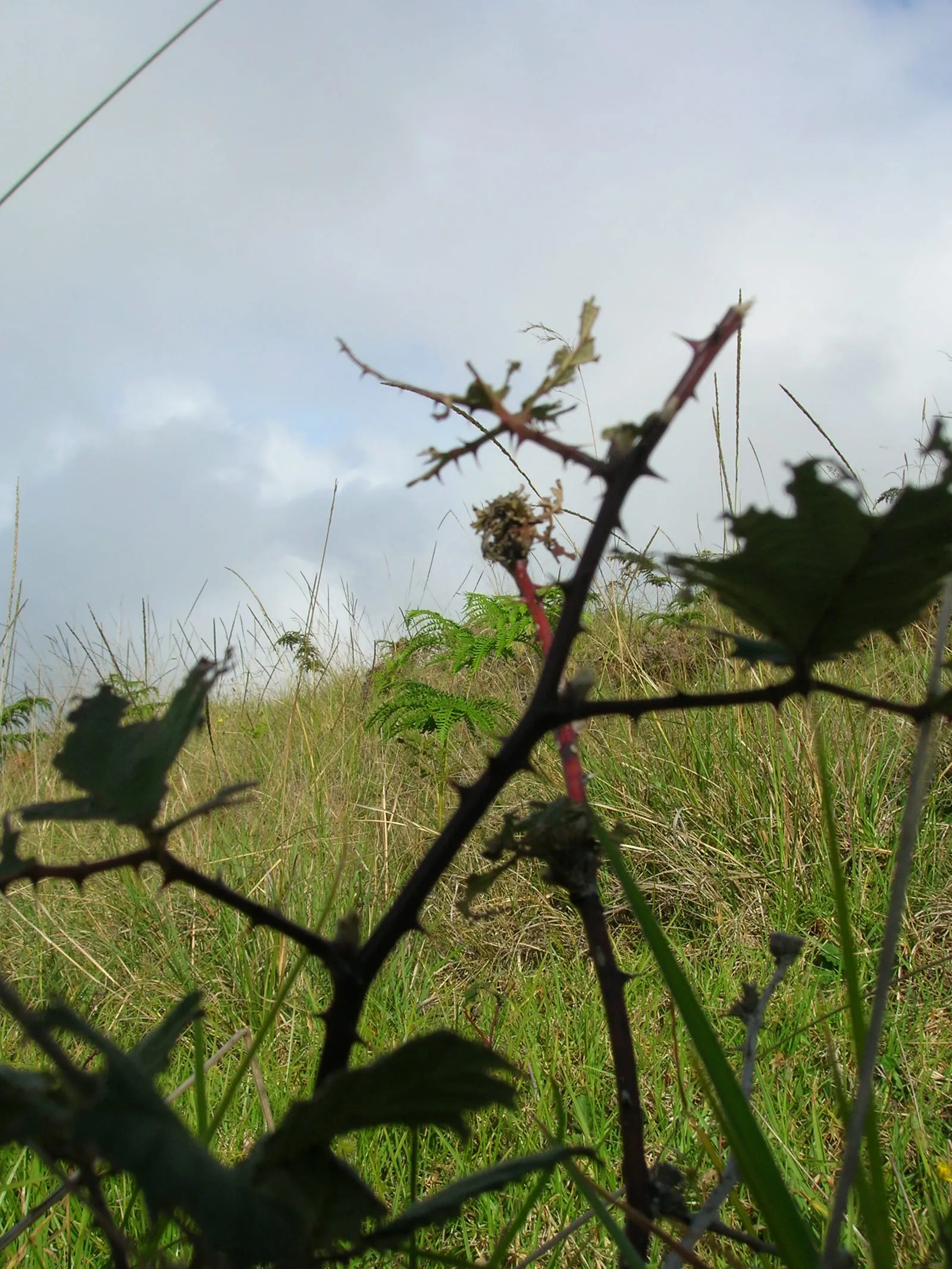
Leptosphaeria coniothyrium
Fungal disease that enters through wounds (often from cane-borer or pruning cuts) and causes dark cankers that wilt and kill canes.
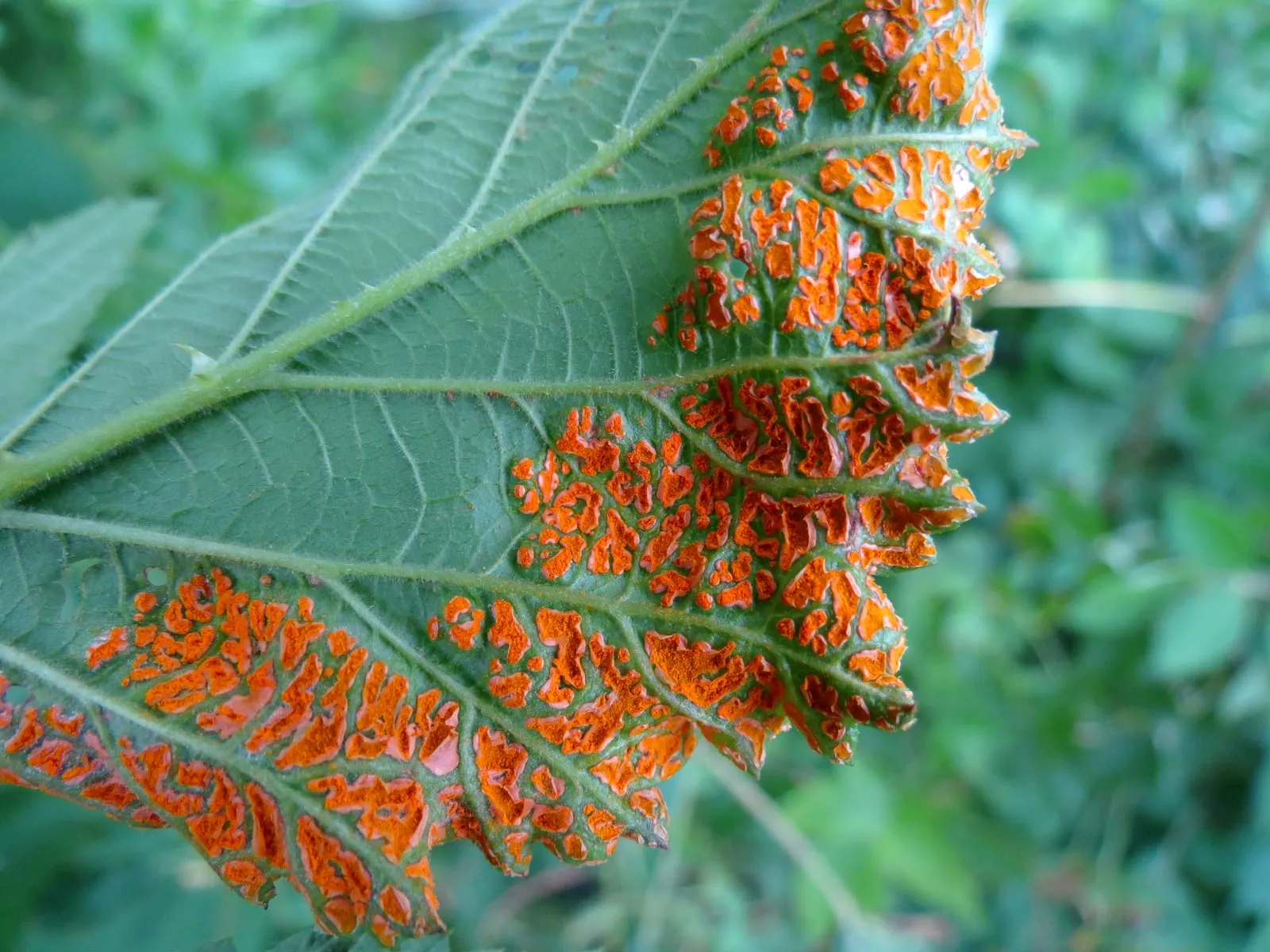
Arthuriomyces peckianus
Systemic fungal disease that permanently infects black raspberries and blackberries (not red raspberry); infected plants must be removed entirely.
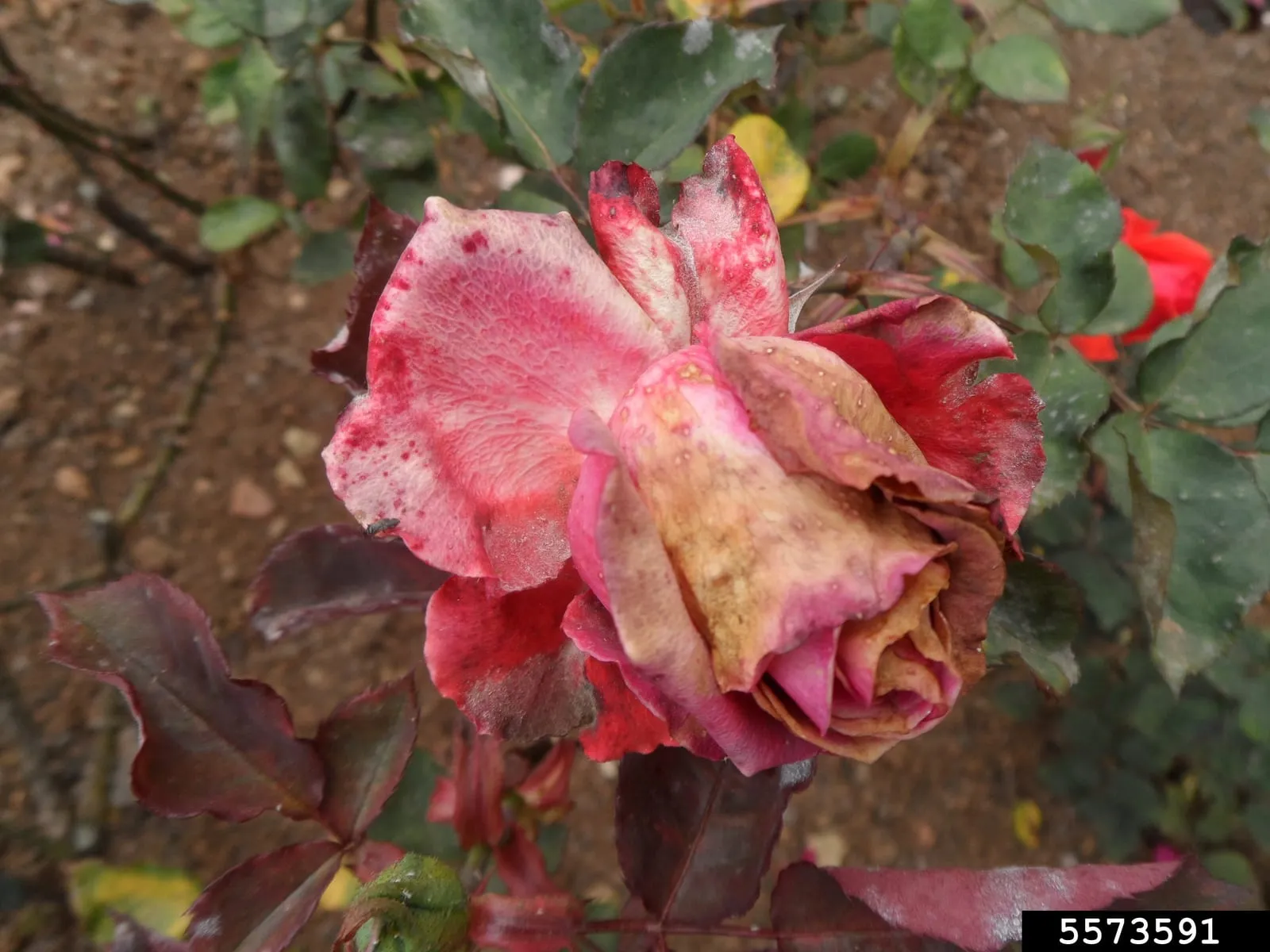
Botrytis cinerea
Ubiquitous fungal disease that causes fruit rot during cool wet weather, often the dominant berry disease in humid regions.
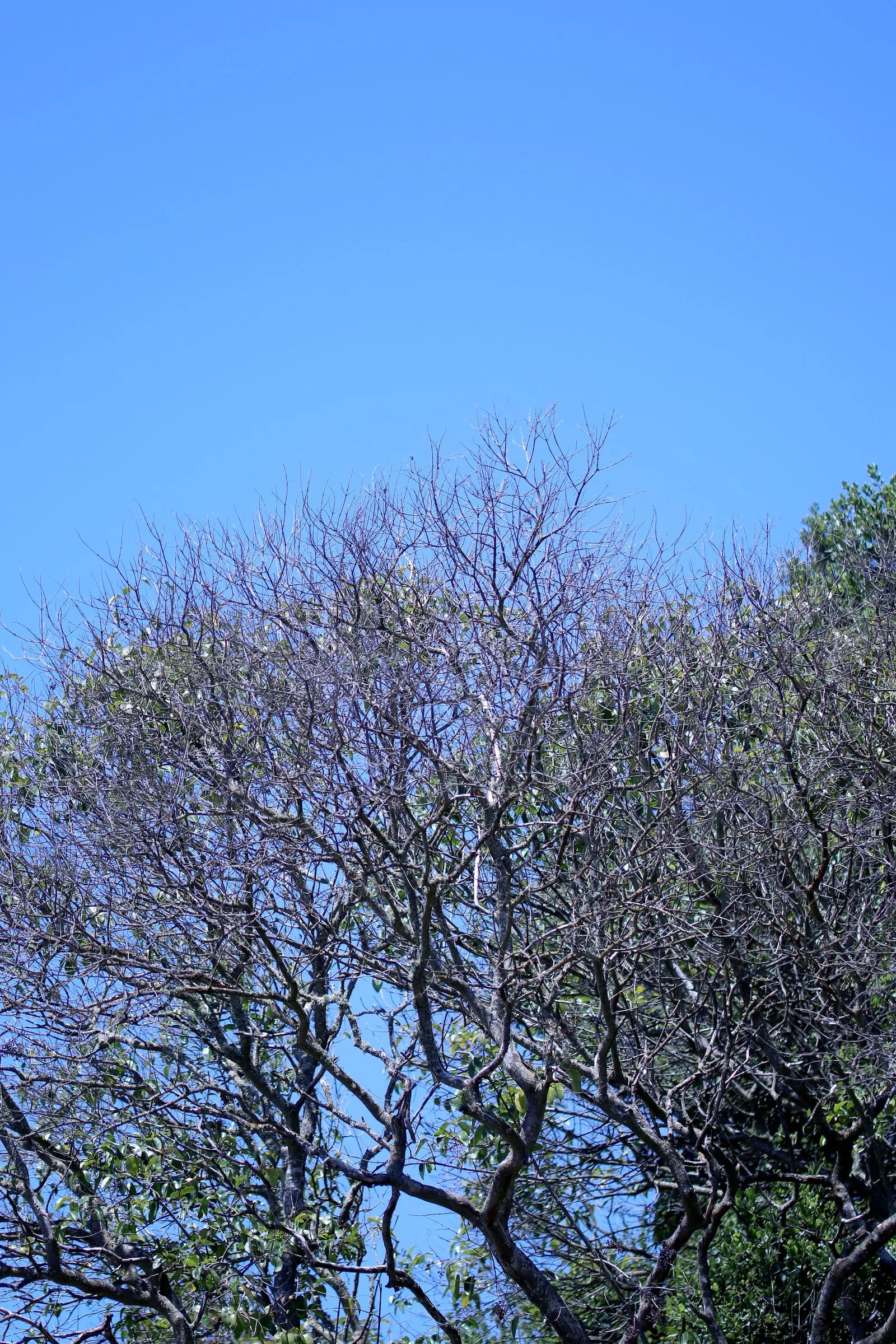
Phytophthora species
Soil-borne water mold that destroys roots in waterlogged soils, the leading cause of blueberry decline in poorly drained sites.
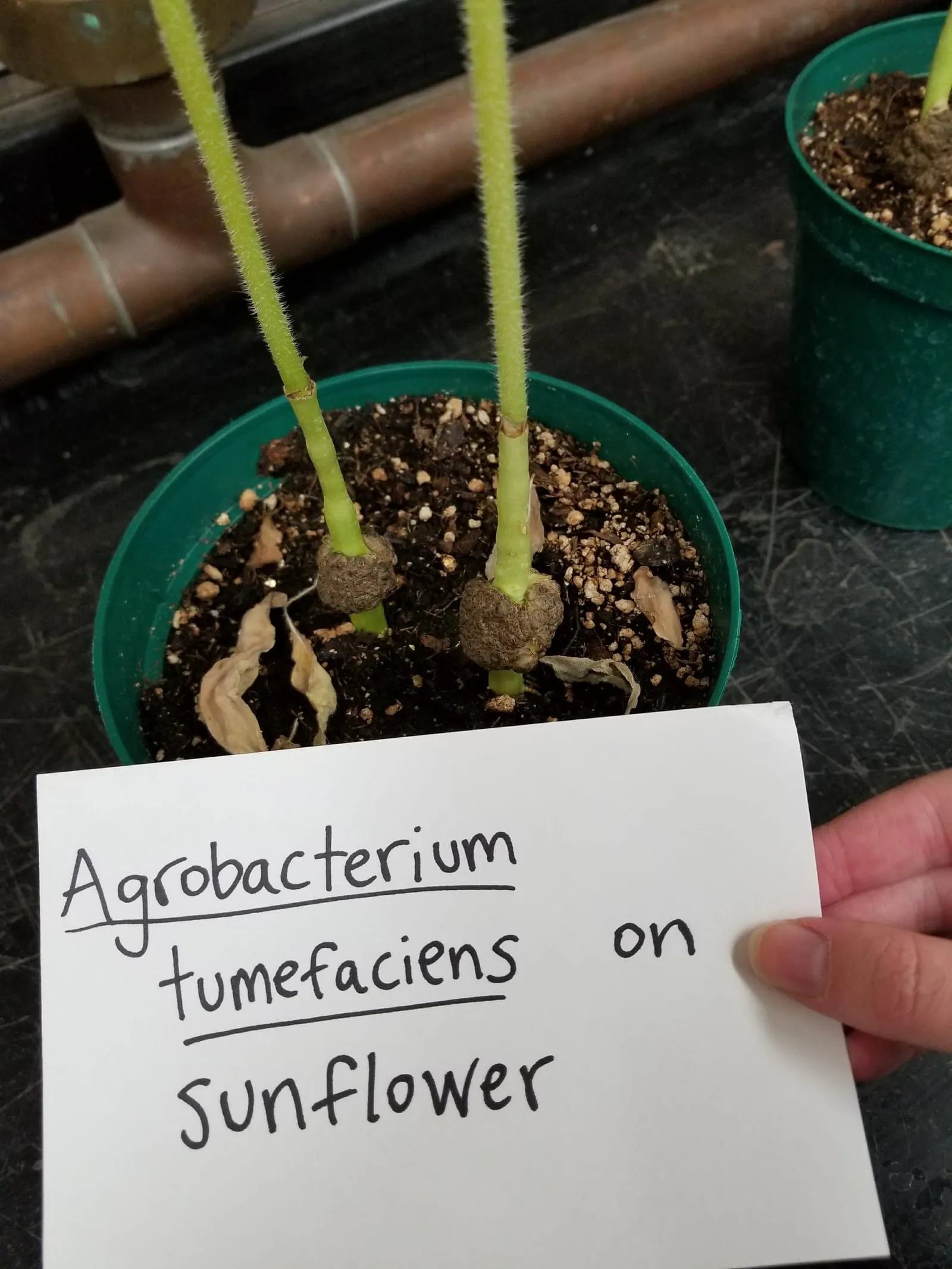
Agrobacterium tumefaciens
Soil-borne bacterium that enters plants through wounds and induces tumor-like galls on roots, crown, and lower stems. Galls reduce vigor and shorten plant lifespan; on Rubus the disease is often fatal.
Modified care for zone 6b
The primary management adjustment in zone 6b is disease pressure, not cold hardiness. Orange rust is especially serious: there is no cure, and infected plants must be removed entirely to prevent spread. Scout primocanes in late spring when infected canes show a distinctive orange powdery coating on the underside of leaves. Cane anthracnose and cane blight both favor wet springs, so pruning to open the canopy and improve airflow is worth extra attention here.
Stink bugs are a documented pest across much of zone 6b's core geography and can cause significant fruit loss in late June and July. Row covers offer protection but introduce heat management complications during hot summers. Removing wild brambles within 100 to 200 feet of the planting reduces both disease inoculum and pest pressure. Floricanes should be cut out promptly after harvest rather than left standing, which limits overwintering sites for both insects and fungal spores.
Frequently asked questions
- Which black raspberry varieties perform best in zone 6b?
Jewel is the most widely planted and disease-tolerant option for zone 6b. Bristol has excellent flavor but is more susceptible to orange rust. Mac Black and Niwot are worth considering where disease pressure is managed, with Niwot offering a later harvest window that spreads picking over a longer period.
- Can black raspberries survive zone 6b winters without protection?
Generally yes. Zone 6b lows of -5 to 0°F are within the hardy range for established black raspberry canes. Tip pruning in late fall to remove the most frost-vulnerable cane ends reduces winter injury. Newly planted canes in their first winter benefit from a light mulch over the root zone.
- How serious is orange rust for black raspberries in zone 6b?
Orange rust is the most destructive systemic disease for black raspberries and is a real concern across humid zone 6b growing regions. Infected plants cannot be treated and must be dug out entirely. Planting disease-free certified stock, removing wild Rubus nearby, and inspecting canes annually in early summer are the main defenses.
+−
+−
+−
Black Raspberry in adjacent zones
Image: "Rubus occidentalis (35029818313)", by Karen Hine, via Wikimedia Commons, licensed under CC-BY Source.
.jpg)
Related