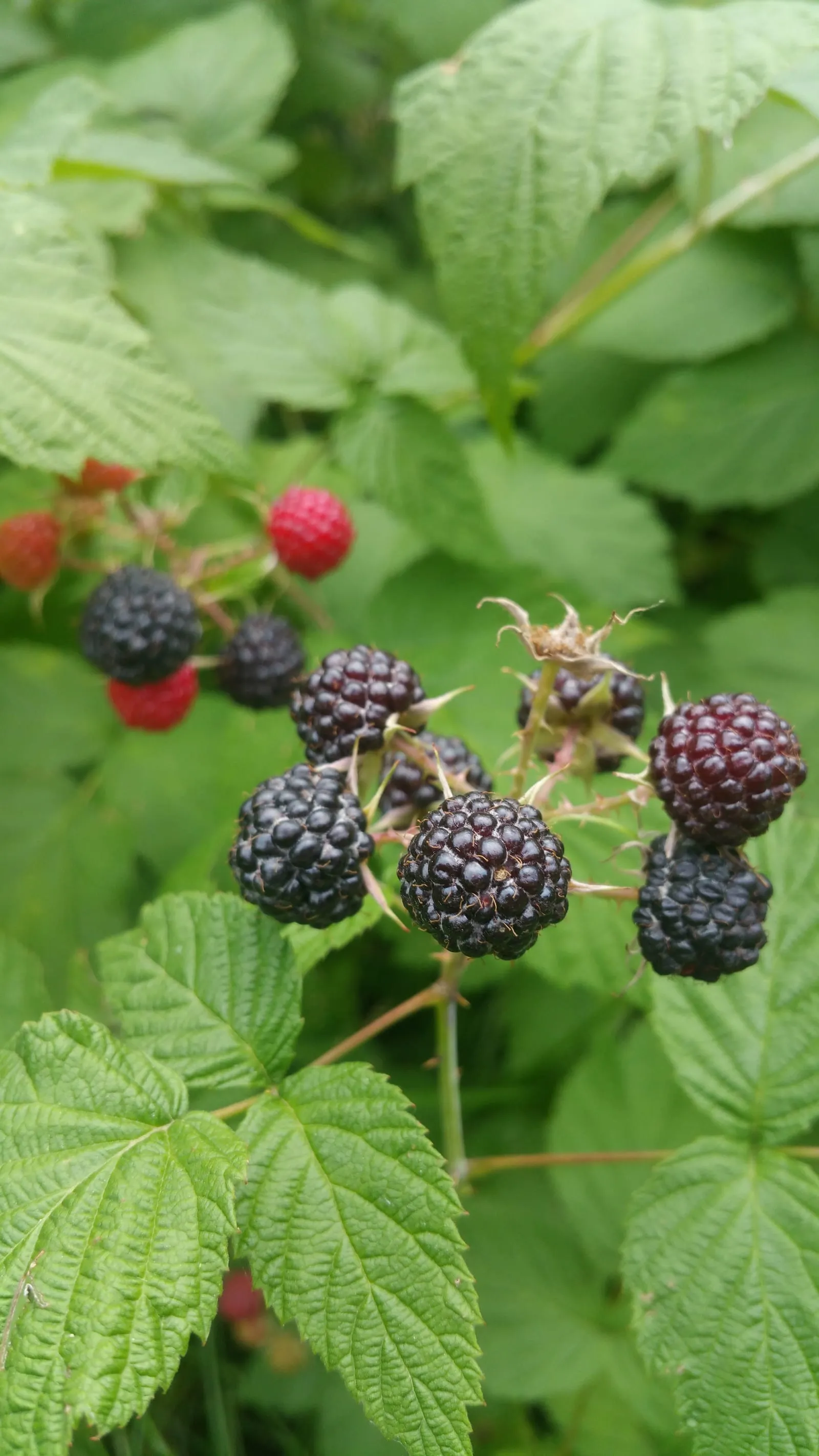
berry in zone 7a
Growing black raspberry in zone 7a
Rubus occidentalis
- Zone
- 7a 0°F to 5°F
- Growing season
- 210 days
- Chill needed
- 700 to 1000 below 45°F
- Suitable varieties
- 3
- Days to harvest
- 30 to 50
The verdict
Black raspberry is a workable crop in zone 7a, though the zone sits at the warm edge of the crop's reliable range rather than in the sweet spot, which runs through zones 5 and 6. The crop's chill-hour requirement of 700 to 1,000 hours is generally met across zone 7a, but the margin narrows in warmer subregions and mild winters can leave accumulations short, leading to erratic budbreak and reduced fruit set.
The 210-day growing season poses no constraint. The harder limits are summer heat and persistent humidity. Black raspberry canes tolerate heat less well than red raspberry, and prolonged high temperatures during fruit development compress the ripening window and accelerate fruit degradation. The zone's humidity also sustains a disease complex, particularly Cane Anthracnose and Orange Rust, that can significantly shorten productive cane life. Growers in elevated sites or areas with reliable air movement will fare better than those on flat, humid lowland ground.
Recommended varieties for zone 7a
3 cultivars suited to this zone, with disease-resistance and zone-fit annotations.
| Variety | Notes | Zone fit | Disease resistance |
|---|---|---|---|
| Jewel fits zone 7a | Intensely sweet, rich, deeply complex flavor; fresh, jam, baking, freezing. The standard summer-bearing black raspberry, most widely planted. Vigorous, productive. | | none noted |
| Bristol fits zone 7a | Sweet, full-bodied flavor, large firm berries; fresh and processing. Vigorous summer-bearing variety with strong upright canes. | | none noted |
| Niwot fits zone 7a | Sweet, intensely flavored, the only true everbearing black raspberry; fresh eating premium. Primary fall crop on first-year canes. | | none noted |
Critical timing for zone 7a
Bloom in zone 7a typically falls in mid-April, though a mild winter can push it earlier by one to two weeks. Zone 7a's average last frost runs from late March through mid-April, which puts bloom squarely within the frost-risk window in many locations. A hard freeze after budbreak damages or destroys the season's flowers without killing the canes, leaving the plant intact but unproductive for that year.
Harvest runs from late June through mid-July in most zone 7a sites. The ripening window is shorter here than in cooler zones because warm temperatures accelerate both maturation and quality decline. Fruit left on the canes even a few days past peak will soften quickly in summer heat. Plan for harvest checks every two to three days during the peak window.
Common challenges in zone 7a
- ▸ Cedar-apple rust
- ▸ Brown rot
- ▸ Fire blight
- ▸ High humidity disease pressure
Disease pressure to watch for
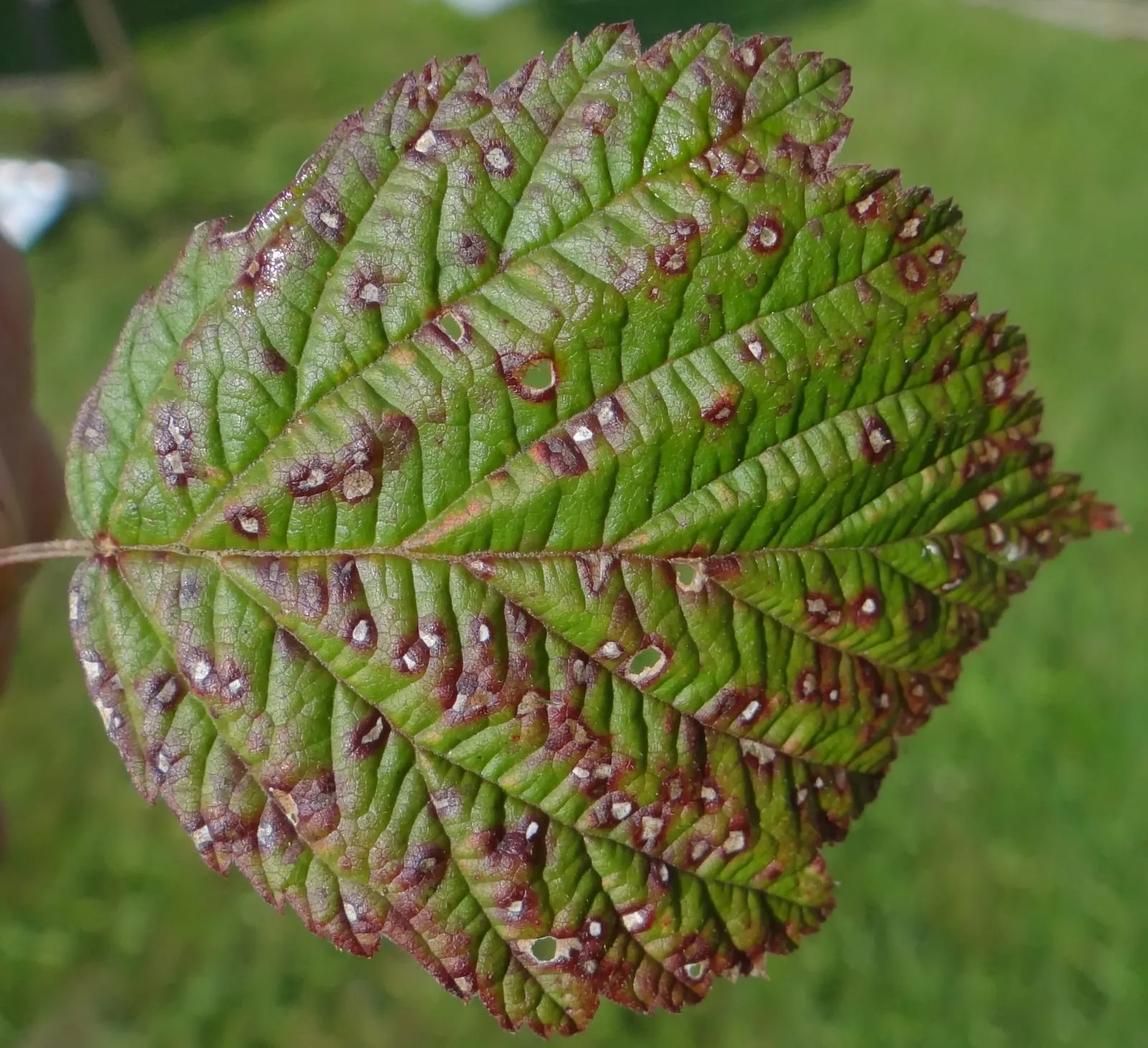
Elsinoe veneta
Fungal cane disease causing purple-bordered lesions that girdle and weaken bramble and Ribes canes, reducing yield over consecutive seasons.
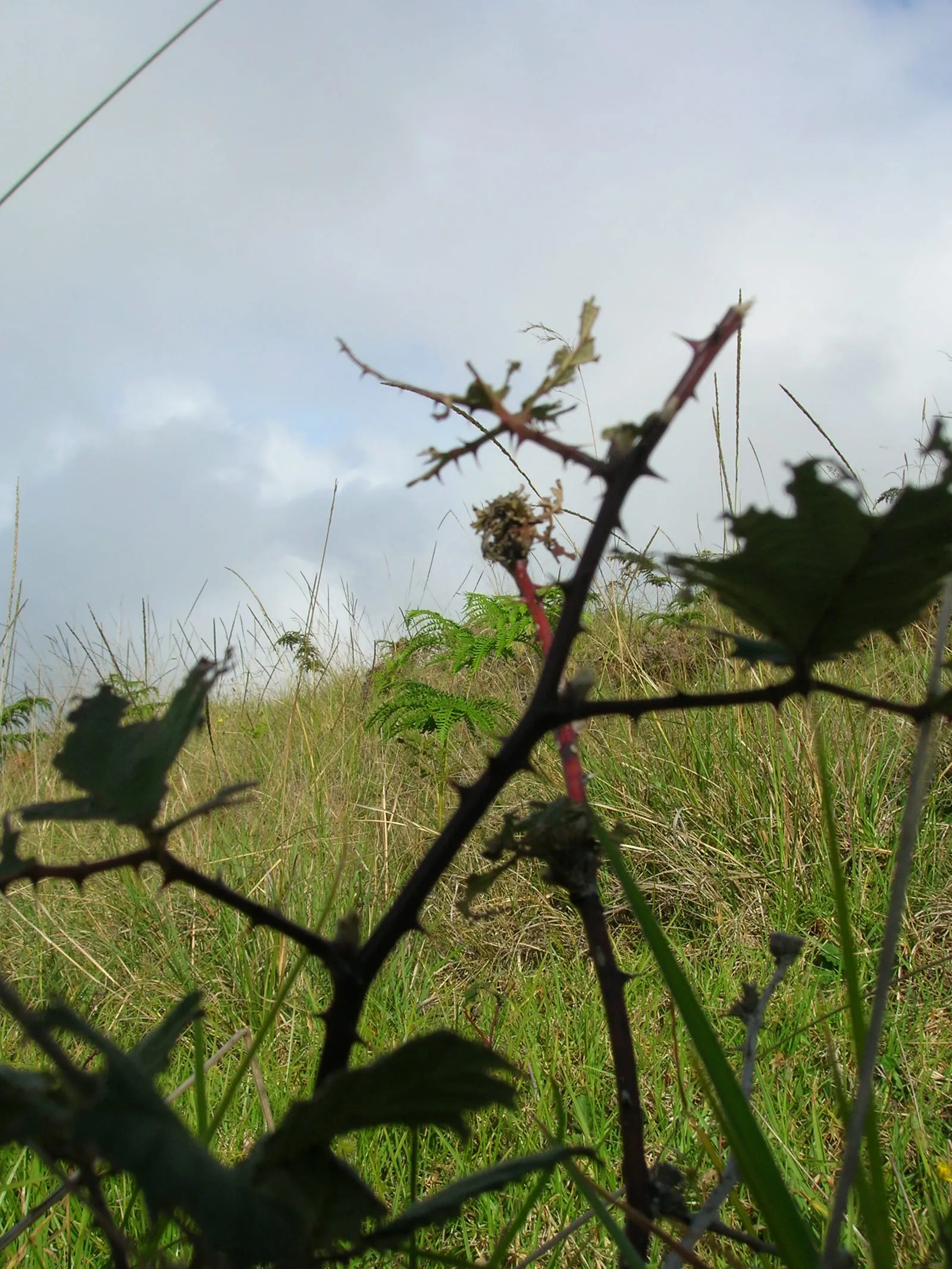
Leptosphaeria coniothyrium
Fungal disease that enters through wounds (often from cane-borer or pruning cuts) and causes dark cankers that wilt and kill canes.
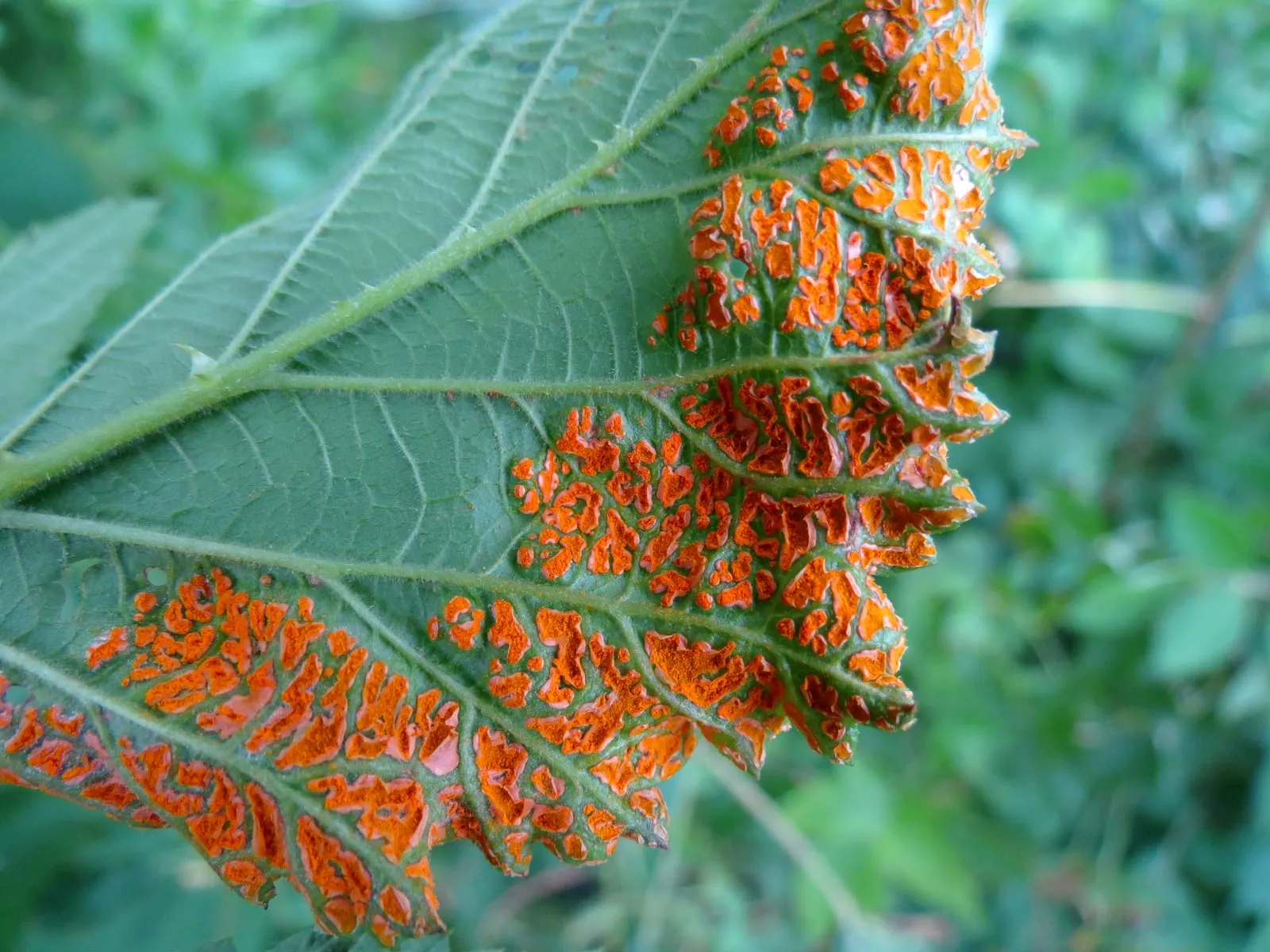
Arthuriomyces peckianus
Systemic fungal disease that permanently infects black raspberries and blackberries (not red raspberry); infected plants must be removed entirely.
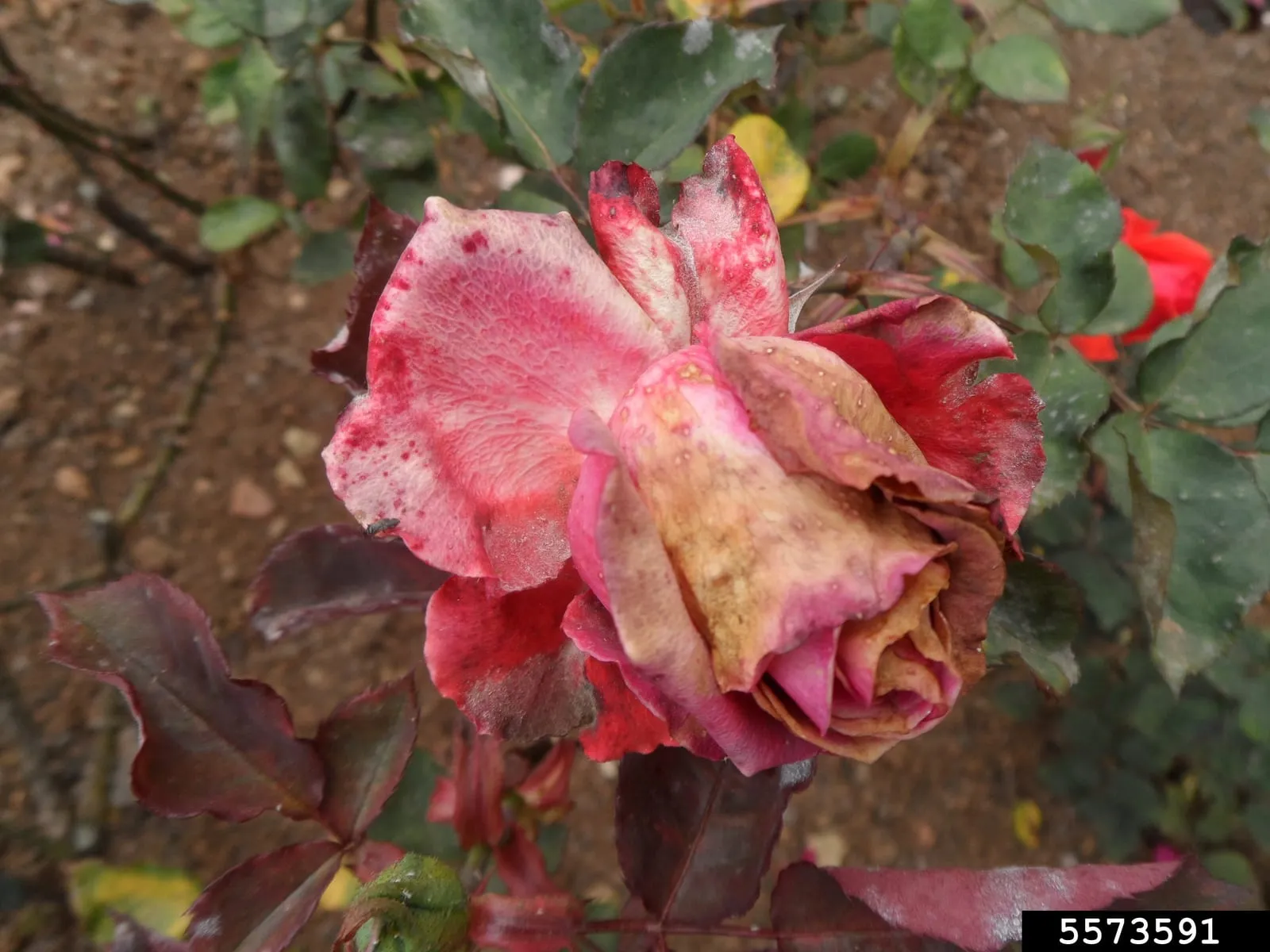
Botrytis cinerea
Ubiquitous fungal disease that causes fruit rot during cool wet weather, often the dominant berry disease in humid regions.
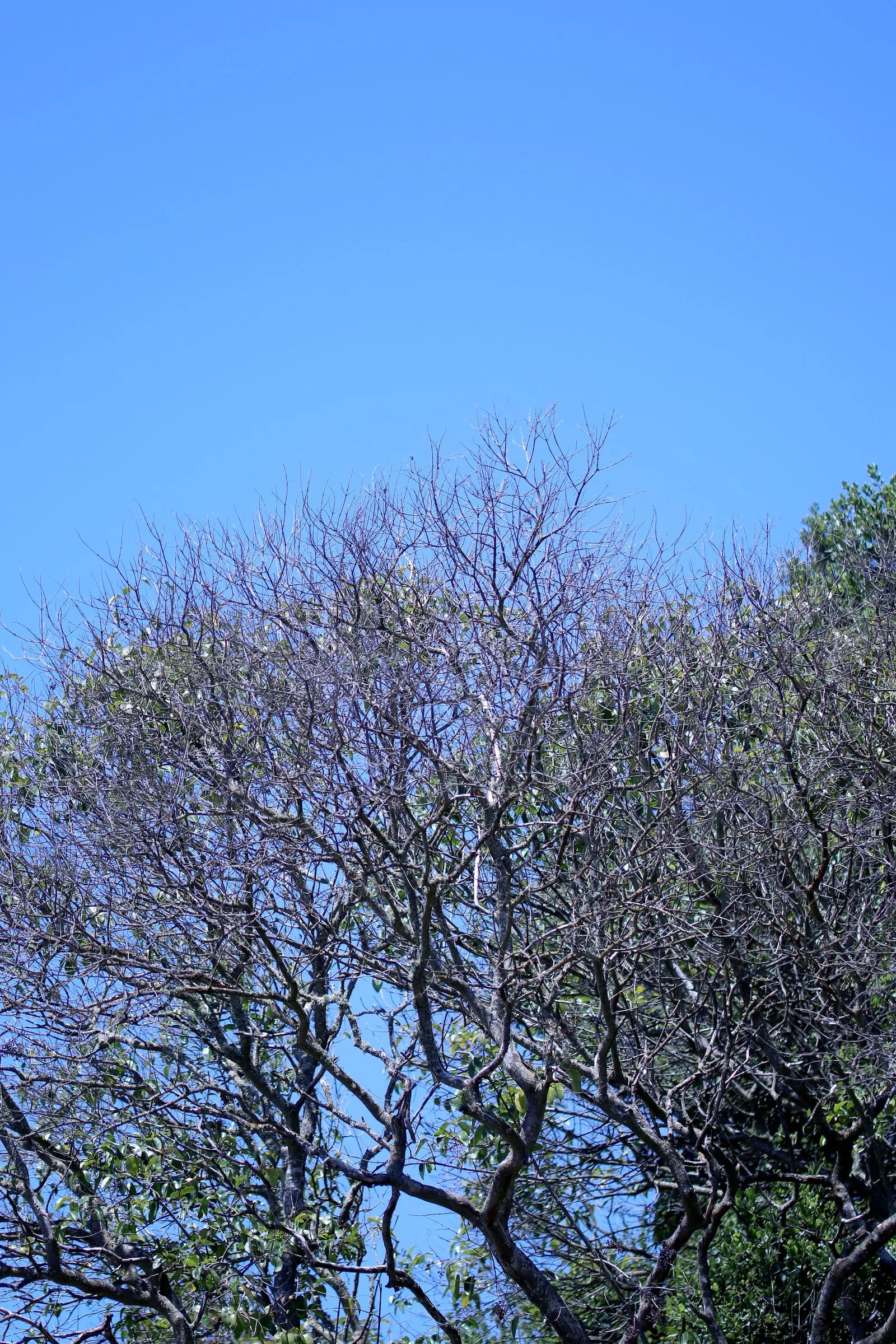
Phytophthora species
Soil-borne water mold that destroys roots in waterlogged soils, the leading cause of blueberry decline in poorly drained sites.
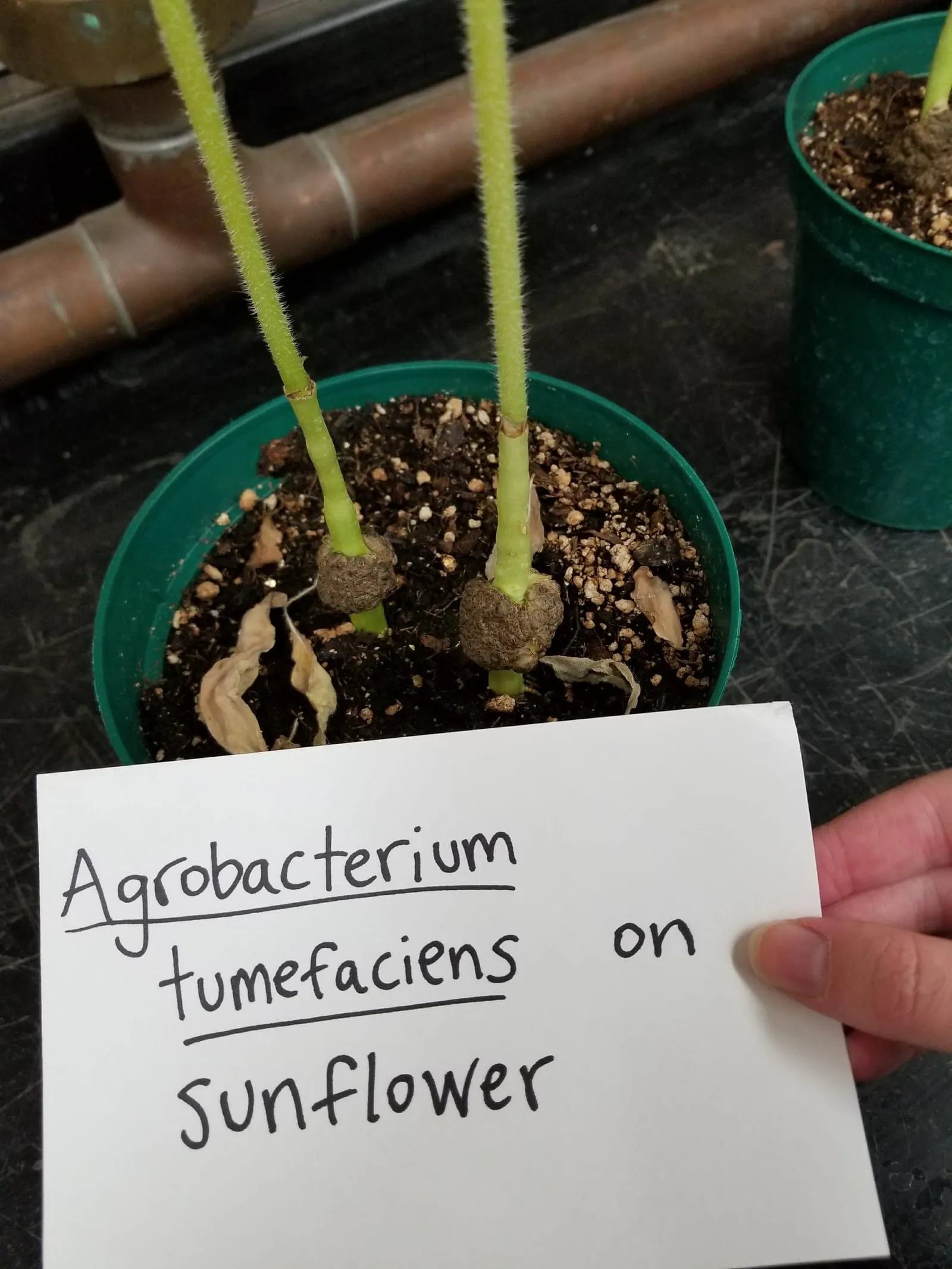
Agrobacterium tumefaciens
Soil-borne bacterium that enters plants through wounds and induces tumor-like galls on roots, crown, and lower stems. Galls reduce vigor and shorten plant lifespan; on Rubus the disease is often fatal.
Modified care for zone 7a
Disease management is the primary adjustment required in zone 7a. High humidity throughout the growing season sustains pressure from Cane Anthracnose, Gray Mold (Botrytis), and Orange Rust, all of which spread readily in dense plantings. Limiting canes to four to six per plant and keeping rows narrow enough for sunlight to reach cane bases is essential, not optional. Remove floricanes immediately after harvest rather than leaving them until dormancy.
Site selection carries more weight in zone 7a than in cooler climates. Low-lying areas with poor air circulation and slow-draining soils create conditions where Phytophthora Root Rot becomes a persistent problem, particularly during wet springs. Raised beds or well-amended planting sites with good drainage reduce this risk substantially. Among the varieties suited to this zone, Niwot has shown better tolerance of warm conditions than Bristol or Jewel, making it worth considering for sites in the warmer portions of zone 7a.
Black Raspberry in adjacent zones
Image: "Rubus occidentalis (35029818313)", by Karen Hine, via Wikimedia Commons, licensed under CC-BY Source.
.jpg)
Related