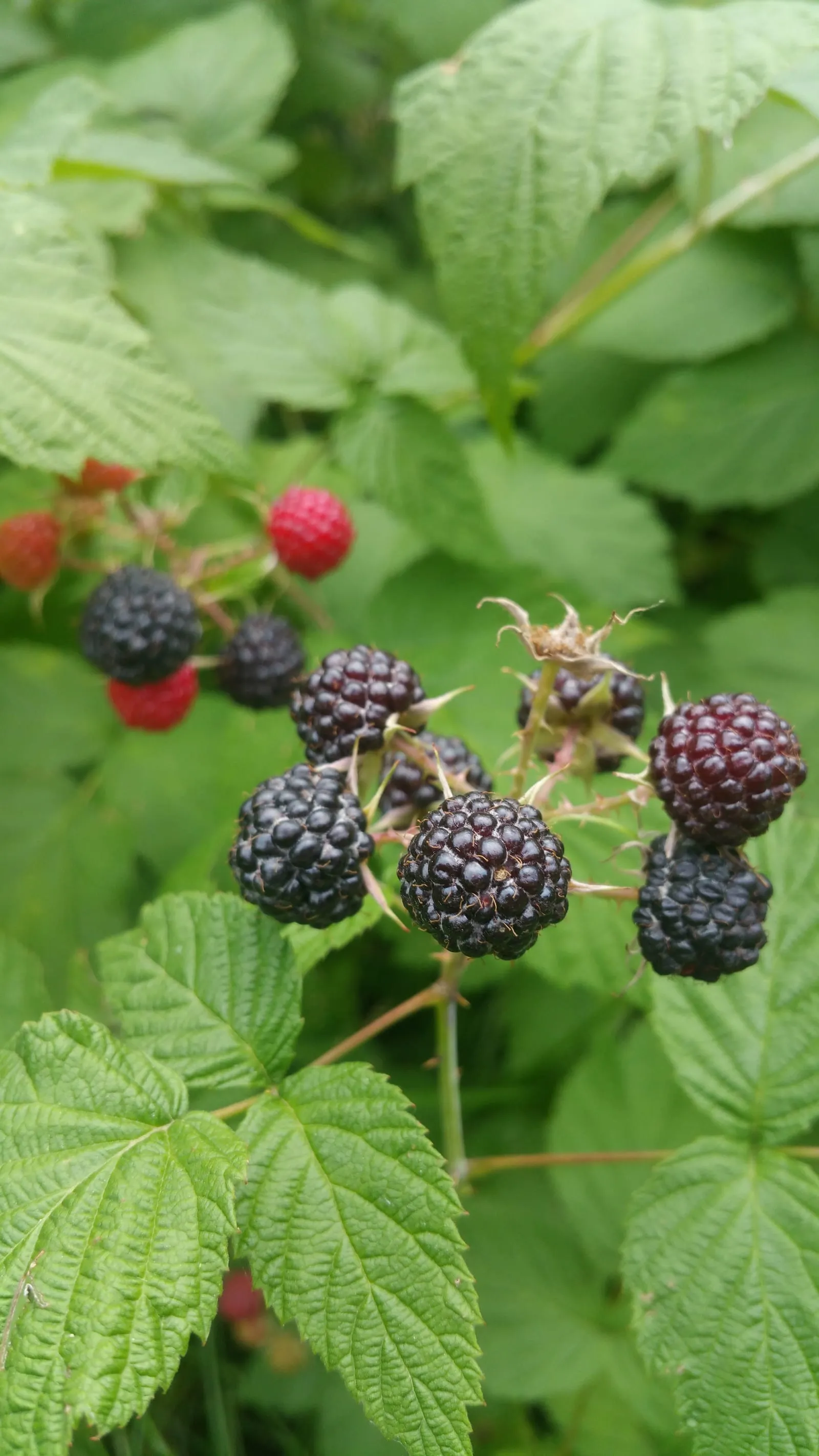
berry in zone 7b
Growing black raspberry in zone 7b
Rubus occidentalis
- Zone
- 7b 5°F to 10°F
- Growing season
- 220 days
- Chill needed
- 700 to 1000 below 45°F
- Suitable varieties
- 2
- Days to harvest
- 30 to 50
The verdict
Zone 7b sits at the warm trailing edge of black raspberry's comfortable range. The crop requires 700 to 1,000 chill hours, and most of zone 7b accumulates enough cold exposure in a typical winter to meet that threshold. Inland Piedmont locations tend to satisfy the full requirement reliably; coastal-influenced and urban heat-island microclimates within the zone may fall short in mild winters, producing weak cane growth and reduced fruiting the following season.
Summer heat is the harder constraint. Black raspberries are noticeably less heat-tolerant than blackberries, and zone 7b's extended growing season of roughly 220 days includes prolonged periods above 90°F that can stress plants during cane establishment. This makes site selection consequential: eastern or northern exposures with afternoon shade reduce thermal load meaningfully. Jewel and Niwot are the varieties with demonstrated performance in the zone's conditions; Jewel in particular has shown adequate heat tolerance for Piedmont production. Zone 7b is workable, but it requires more management than cooler zones in the crop's core range.
Recommended varieties for zone 7b
2 cultivars suited to this zone, with disease-resistance and zone-fit annotations.
| Variety | Notes | Zone fit | Disease resistance |
|---|---|---|---|
| Jewel fits zone 7b | Intensely sweet, rich, deeply complex flavor; fresh, jam, baking, freezing. The standard summer-bearing black raspberry, most widely planted. Vigorous, productive. | | none noted |
| Niwot fits zone 7b | Sweet, intensely flavored, the only true everbearing black raspberry; fresh eating premium. Primary fall crop on first-year canes. | | none noted |
Critical timing for zone 7b
Bloom in zone 7b typically falls in late March to mid-April. Zone 7b's average last frost runs from mid-March in the Piedmont to early April at higher elevations, meaning the bloom window and late frost risk overlap directly. A hard frost during open bloom can eliminate most of the crop for that season; growers in frost pockets should track forecasts closely during this window.
Harvest arrives early, generally mid-June through early July depending on the season's heat accumulation. The short harvest window, often two to three weeks, concentrates fruit ripening quickly. Hot dry spells in June can accelerate ripening and shorten the picking window further. Getting fruit off the canes before sustained heat above 90°F sets in helps maintain quality.
Common challenges in zone 7b
- ▸ Cedar-apple rust pressure heavy in piedmont
- ▸ Japanese beetles
- ▸ Brown marmorated stink bug
- ▸ Late summer disease pressure
Disease pressure to watch for
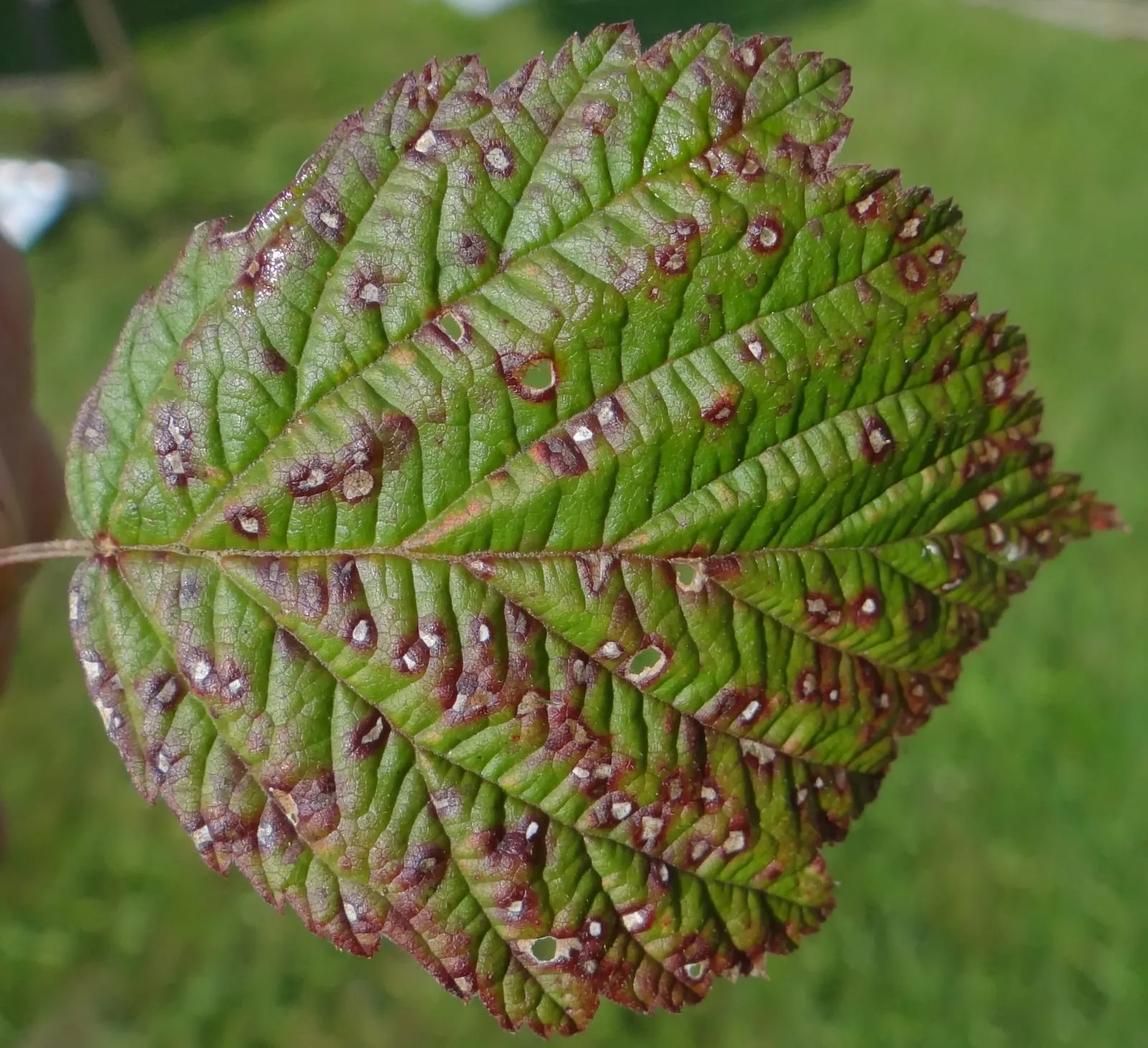
Elsinoe veneta
Fungal cane disease causing purple-bordered lesions that girdle and weaken bramble and Ribes canes, reducing yield over consecutive seasons.
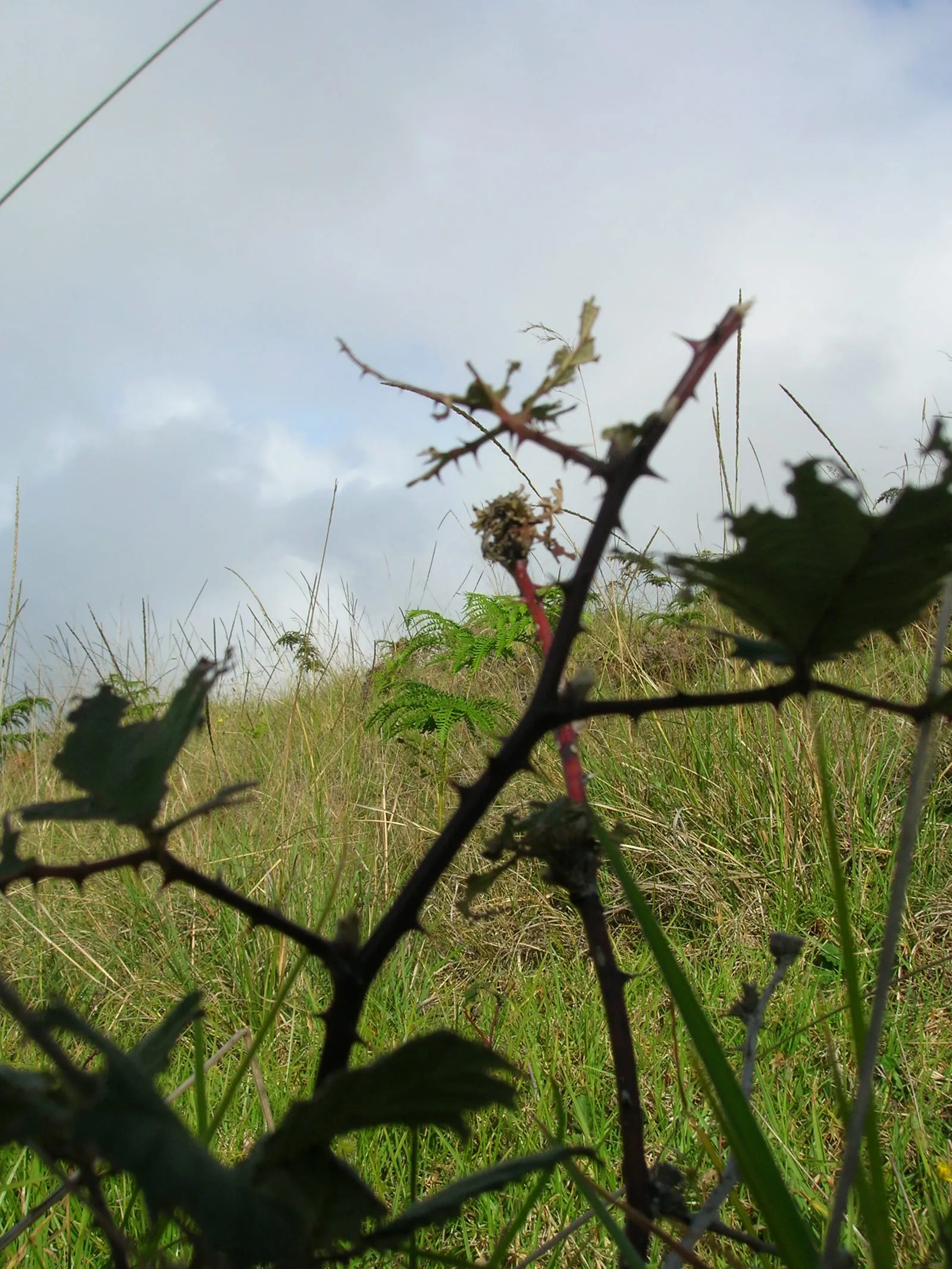
Leptosphaeria coniothyrium
Fungal disease that enters through wounds (often from cane-borer or pruning cuts) and causes dark cankers that wilt and kill canes.
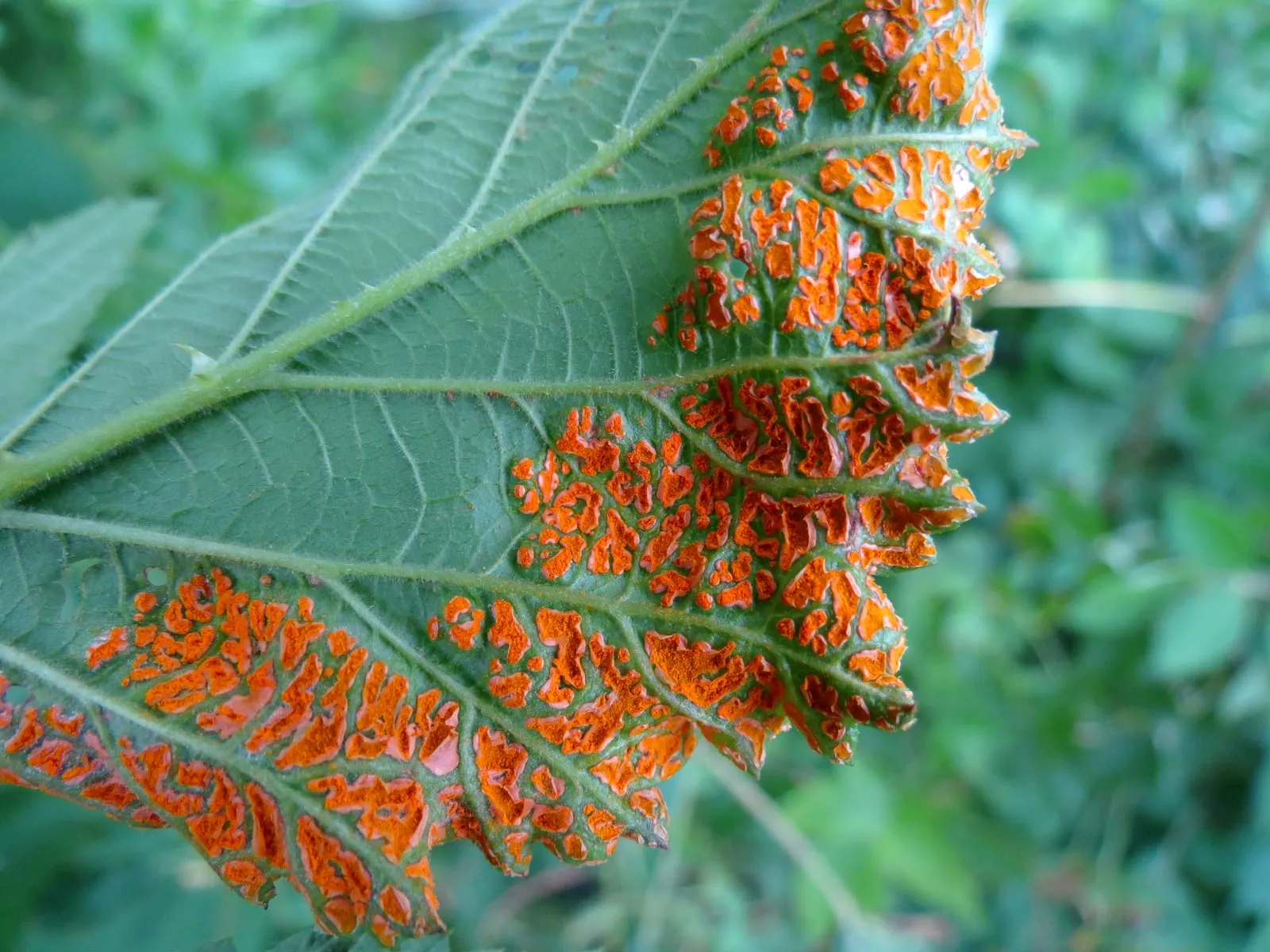
Arthuriomyces peckianus
Systemic fungal disease that permanently infects black raspberries and blackberries (not red raspberry); infected plants must be removed entirely.
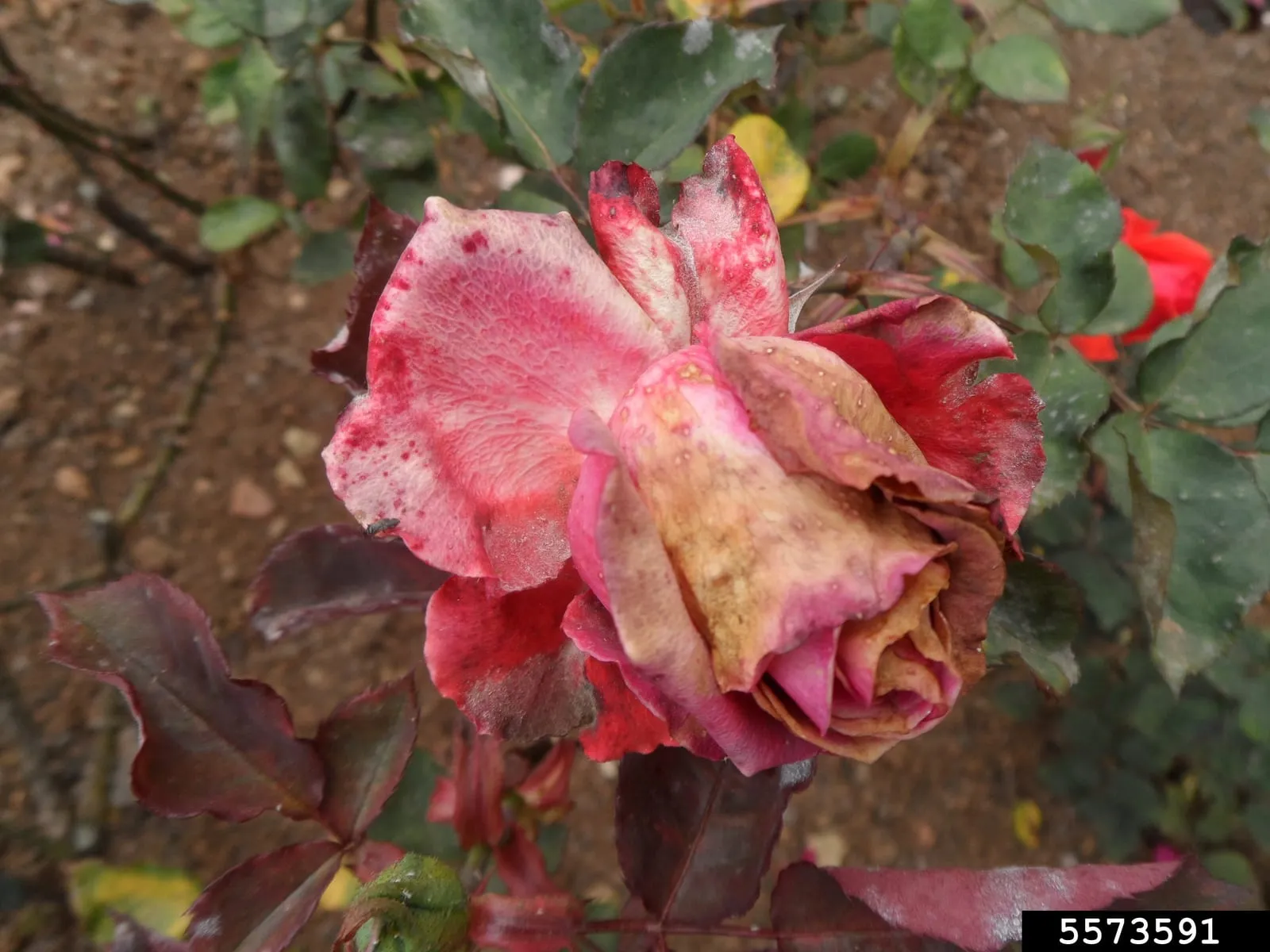
Botrytis cinerea
Ubiquitous fungal disease that causes fruit rot during cool wet weather, often the dominant berry disease in humid regions.
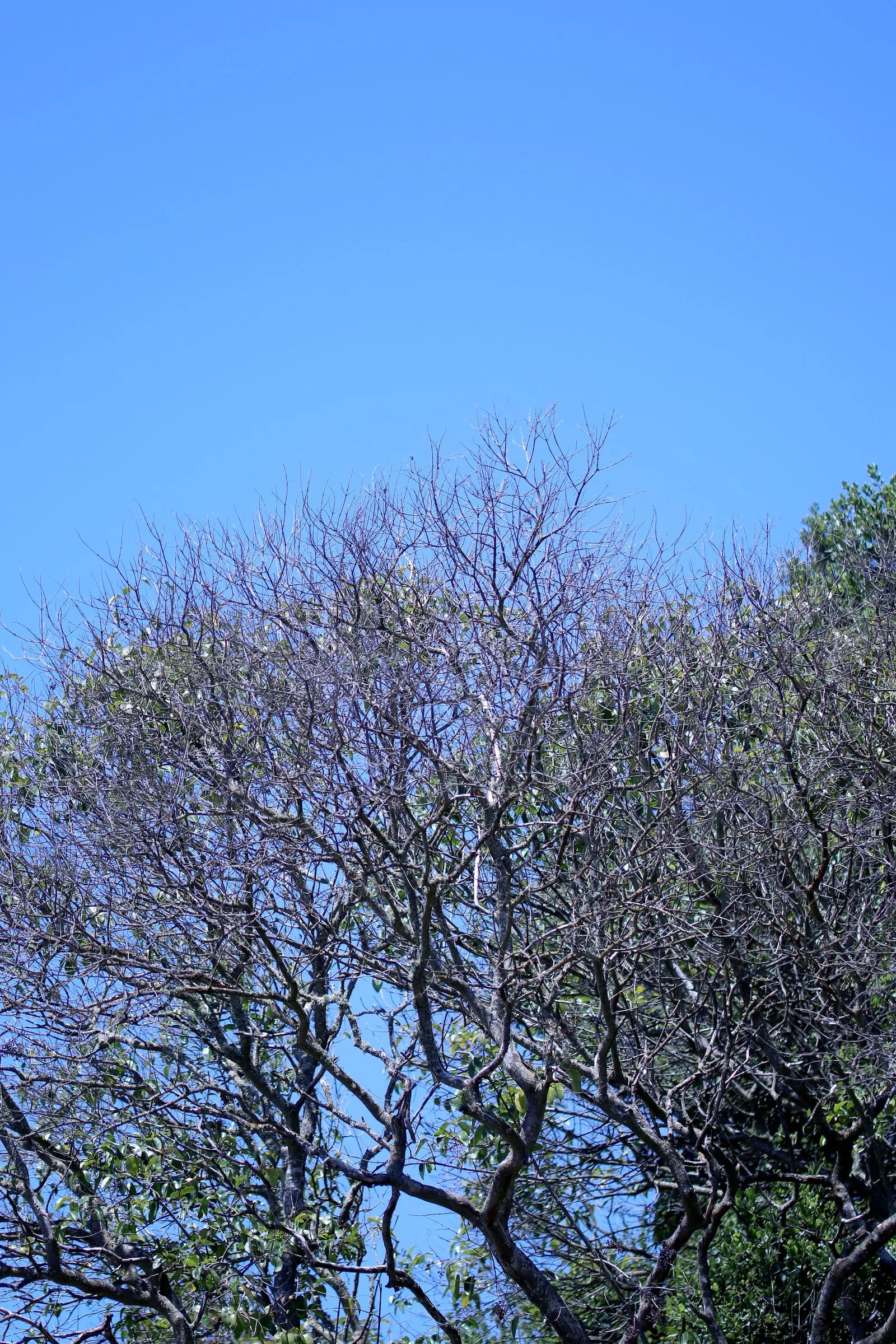
Phytophthora species
Soil-borne water mold that destroys roots in waterlogged soils, the leading cause of blueberry decline in poorly drained sites.
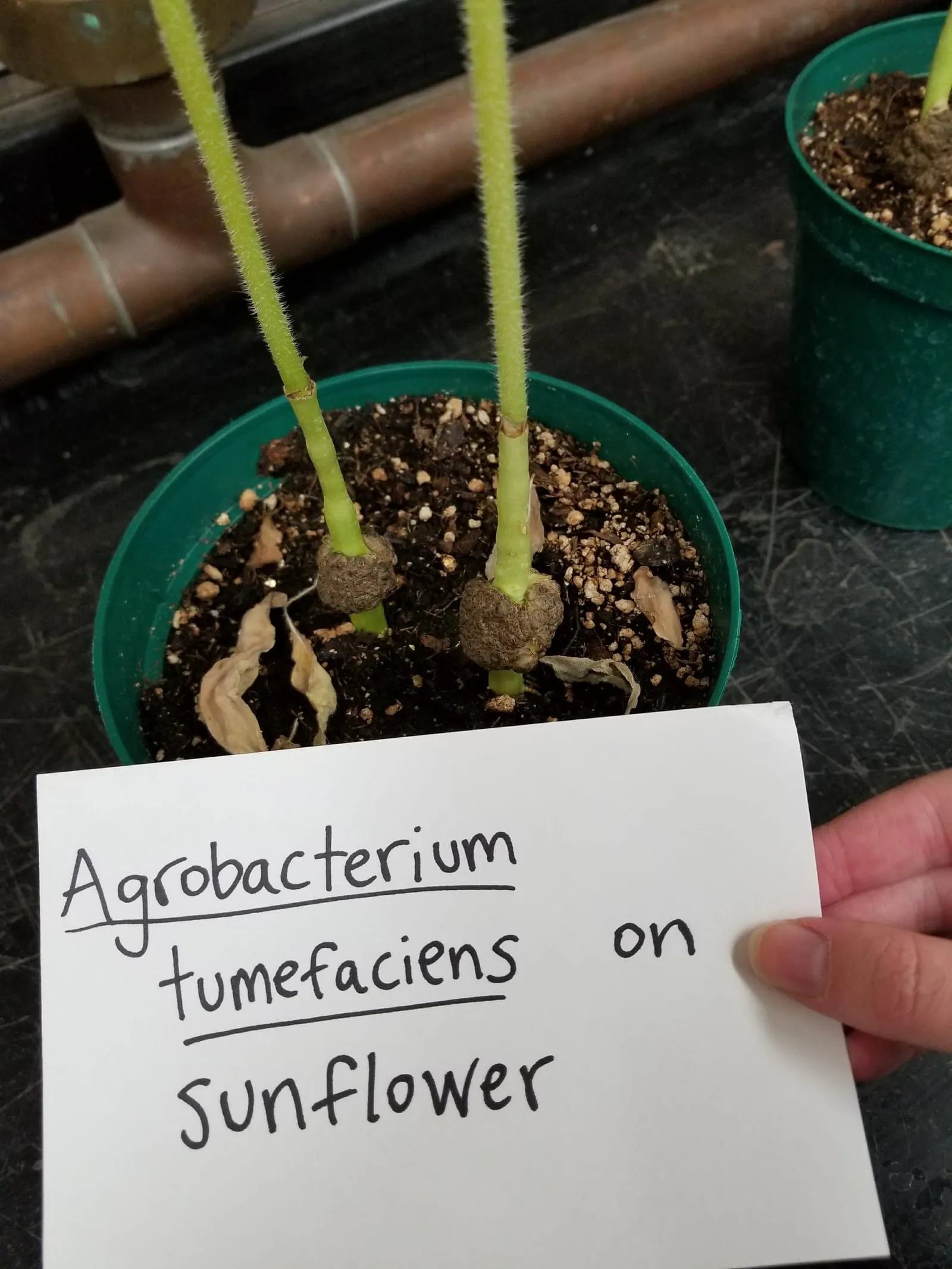
Agrobacterium tumefaciens
Soil-borne bacterium that enters plants through wounds and induces tumor-like galls on roots, crown, and lower stems. Galls reduce vigor and shorten plant lifespan; on Rubus the disease is often fatal.
Modified care for zone 7b
Cane and foliage disease management requires more attention in zone 7b than in cooler, drier climates. The combination of summer humidity and warm nights creates sustained conditions favorable for Cane Anthracnose, Orange Rust, and Gray Mold. Pruning for maximum airflow through the canopy is not optional here; dense plantings that perform adequately in Minnesota will fail quickly in the Piedmont. Fungicide timing matters most at green tip in spring and again post-harvest when new primocanes are developing rapidly.
Japanese beetles arrive during the harvest window and feed on both fruit and foliage; physical exclusion netting offers the most reliable protection during peak emergence. Brown marmorated stink bugs are an additional pressure from midsummer onward. Mulching heavily around the root zone helps buffer soil temperatures during summer heat and reduces moisture stress on shallow roots.
Black Raspberry in adjacent zones
Image: "Rubus occidentalis (35029818313)", by Karen Hine, via Wikimedia Commons, licensed under CC-BY Source.
.jpg)
Related