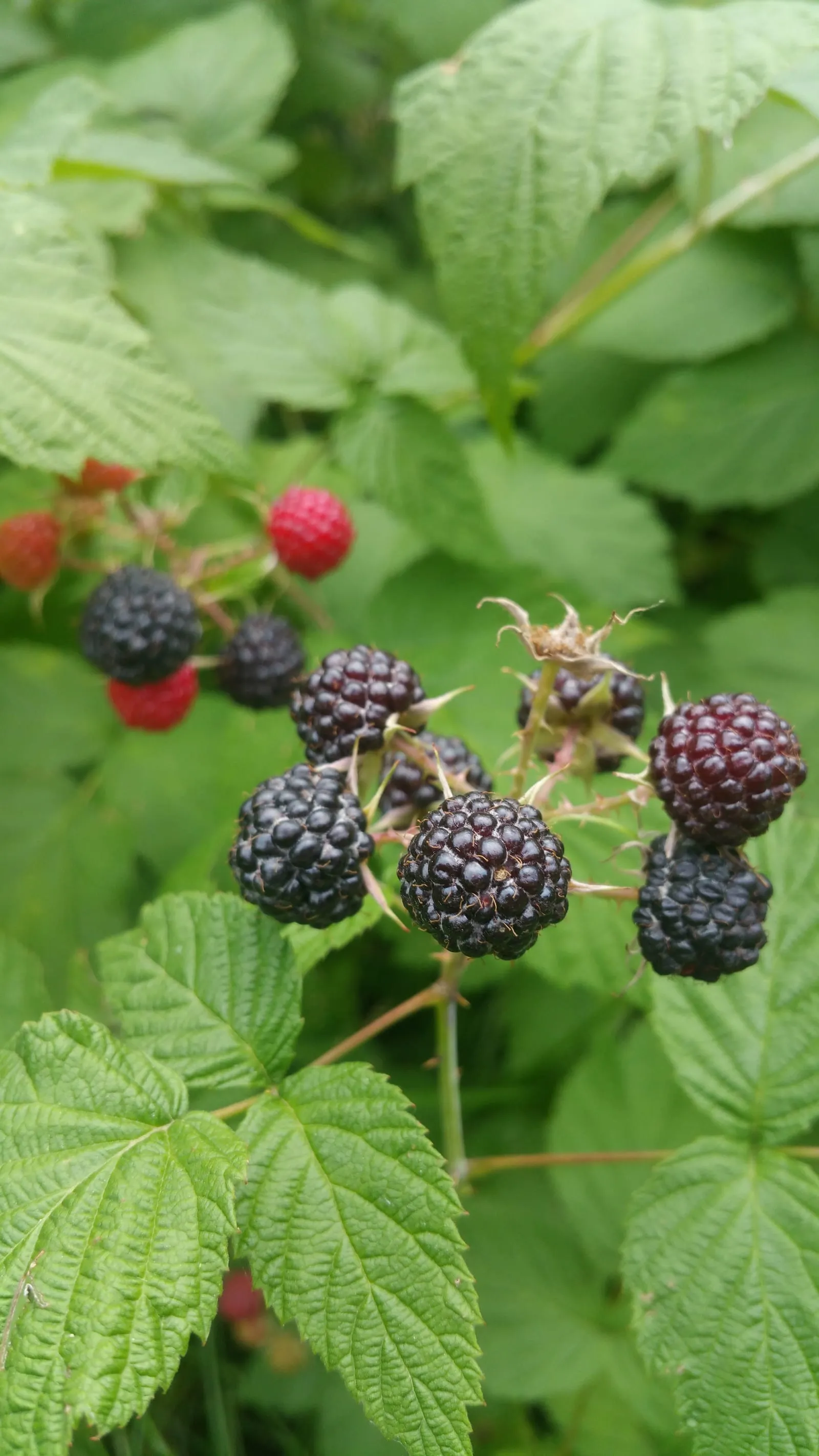
berry in zone 8a
Growing black raspberry in zone 8a
Rubus occidentalis
- Zone
- 8a 10°F to 15°F
- Growing season
- 240 days
- Chill needed
- 700 to 1000 below 45°F
- Suitable varieties
- 0
- Days to harvest
- 30 to 50
The verdict
Zone 8a sits at the warm edge of black raspberry's viable range. The crop requires 700 to 1,000 chill hours annually; zone 8a accumulates roughly 500 to 800 hours depending on elevation, proximity to the coast, and winter severity. In cooler interior or elevated sites within the zone, chill requirements are often met in most years. In low-elevation or coastal locations, shortfalls are common enough that yields become unreliable.
Summer heat compounds the problem: black raspberries are less heat-tolerant than red raspberries, and sustained temperatures above 90°F during cane development reduce both fruit quality and the productive lifespan of established plants. This is a marginal zone for the crop. North-facing slopes, higher elevations, and sites with afternoon shade offer the most viable growing conditions within 8a. Growers in flat, low-elevation, or coastal portions of the zone should weigh the risk of chronic underperformance before committing significant space.
Critical timing for zone 8a
Black raspberry blooms early, typically in late February through March in zone 8a. The zone's minimum temperature range of 10 to 15°F poses little direct threat to established canes at that point, since bloom usually follows the coldest weather of winter. A late cold snap in early April remains a possibility, and open blooms are damaged at temperatures below 28°F.
The more pressing timing constraint in zone 8a is summer heat arriving before harvest finishes. Fruit ripens from late May into June, and as temperatures climb through the 90s, berry quality degrades quickly on the cane. The effective harvest window is often two to three weeks, shorter than in cooler zones where temperatures allow a more gradual ripening period. Picking frequently and early in the morning reduces heat damage to harvested fruit.
Common challenges in zone 8a
- ▸ Insufficient chill hours for some apple varieties
- ▸ Pierce's disease in grapes
- ▸ Heat stress on cool-season crops
Disease pressure to watch for
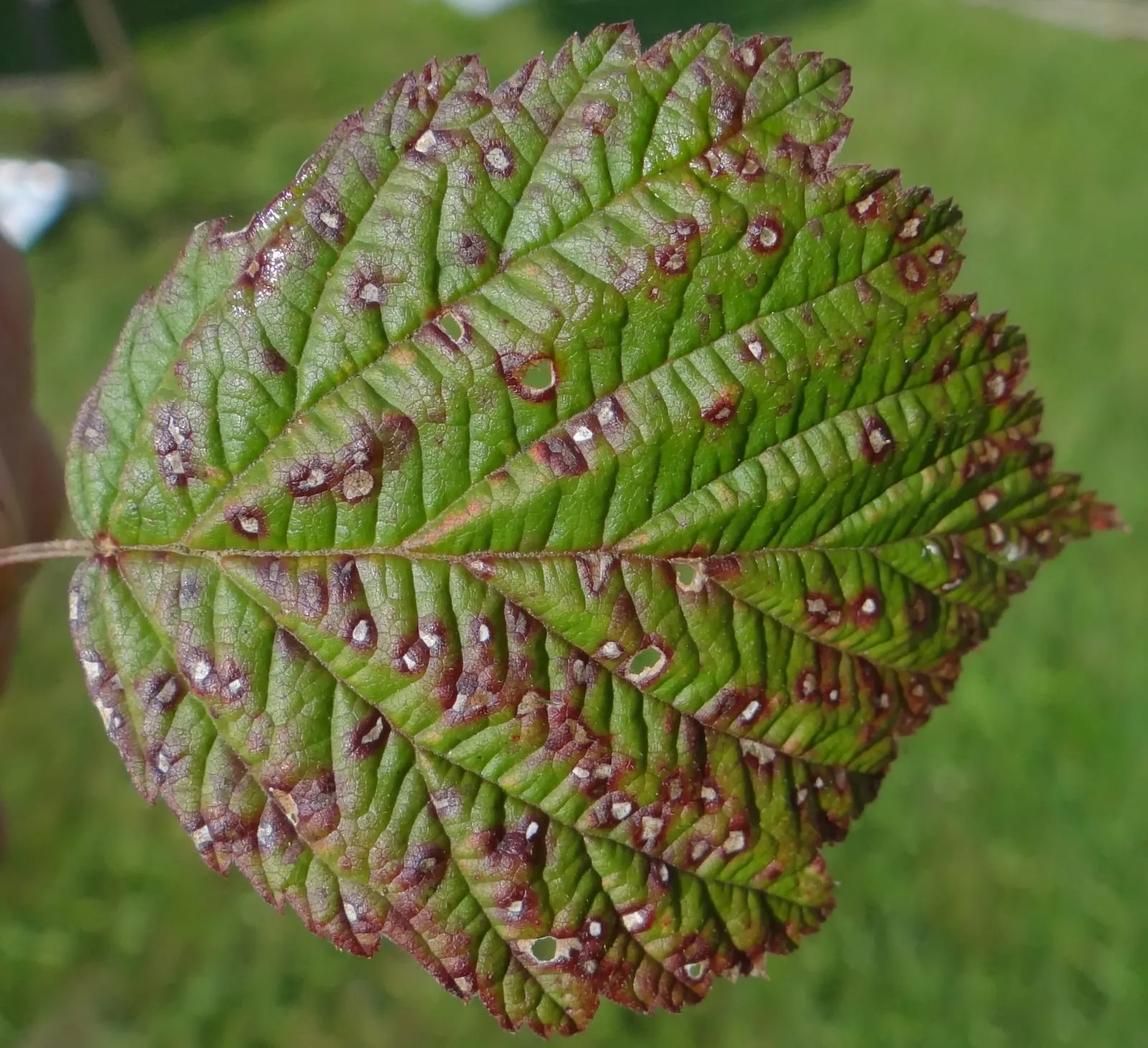
Elsinoe veneta
Fungal cane disease causing purple-bordered lesions that girdle and weaken bramble and Ribes canes, reducing yield over consecutive seasons.
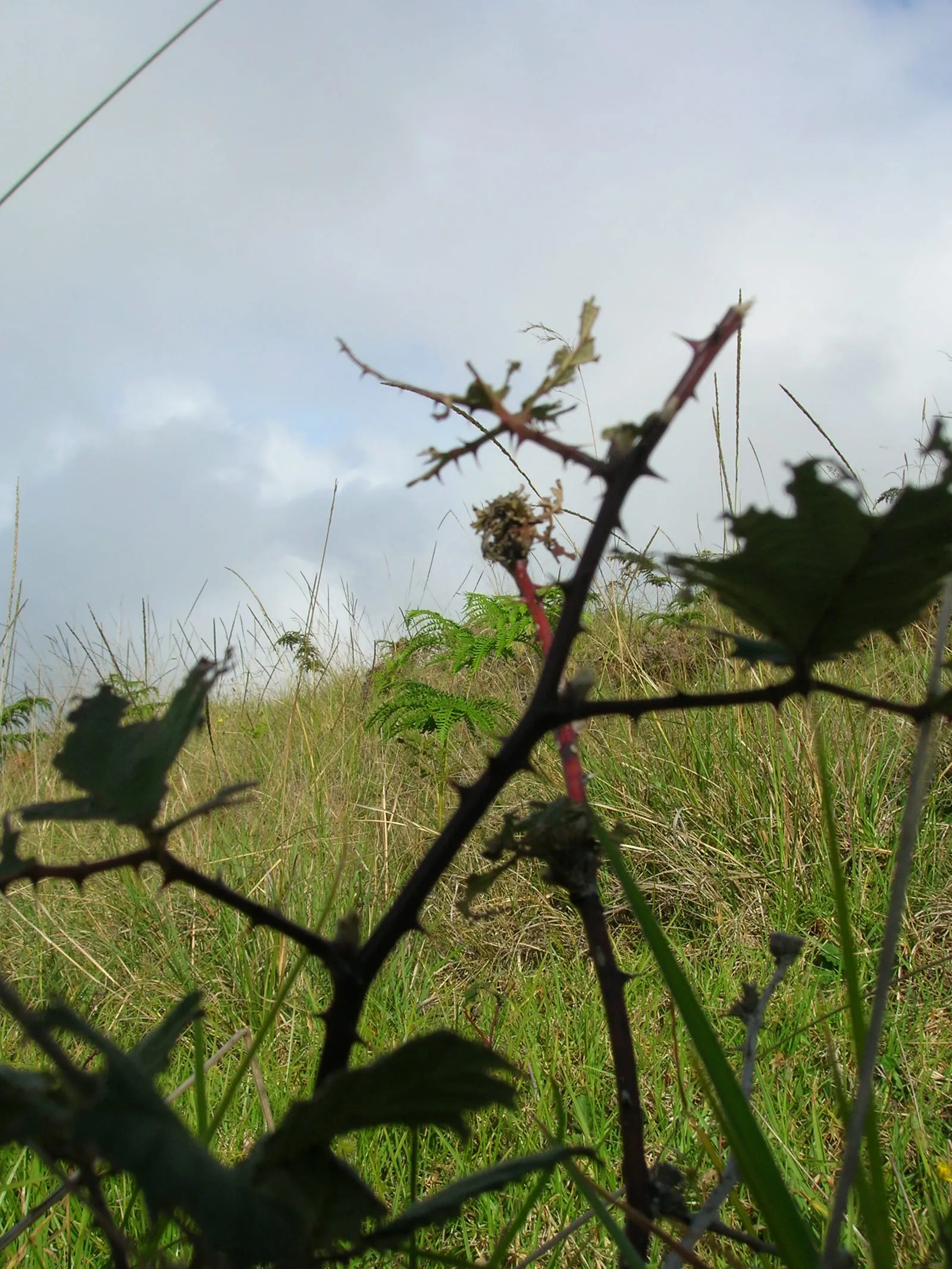
Leptosphaeria coniothyrium
Fungal disease that enters through wounds (often from cane-borer or pruning cuts) and causes dark cankers that wilt and kill canes.
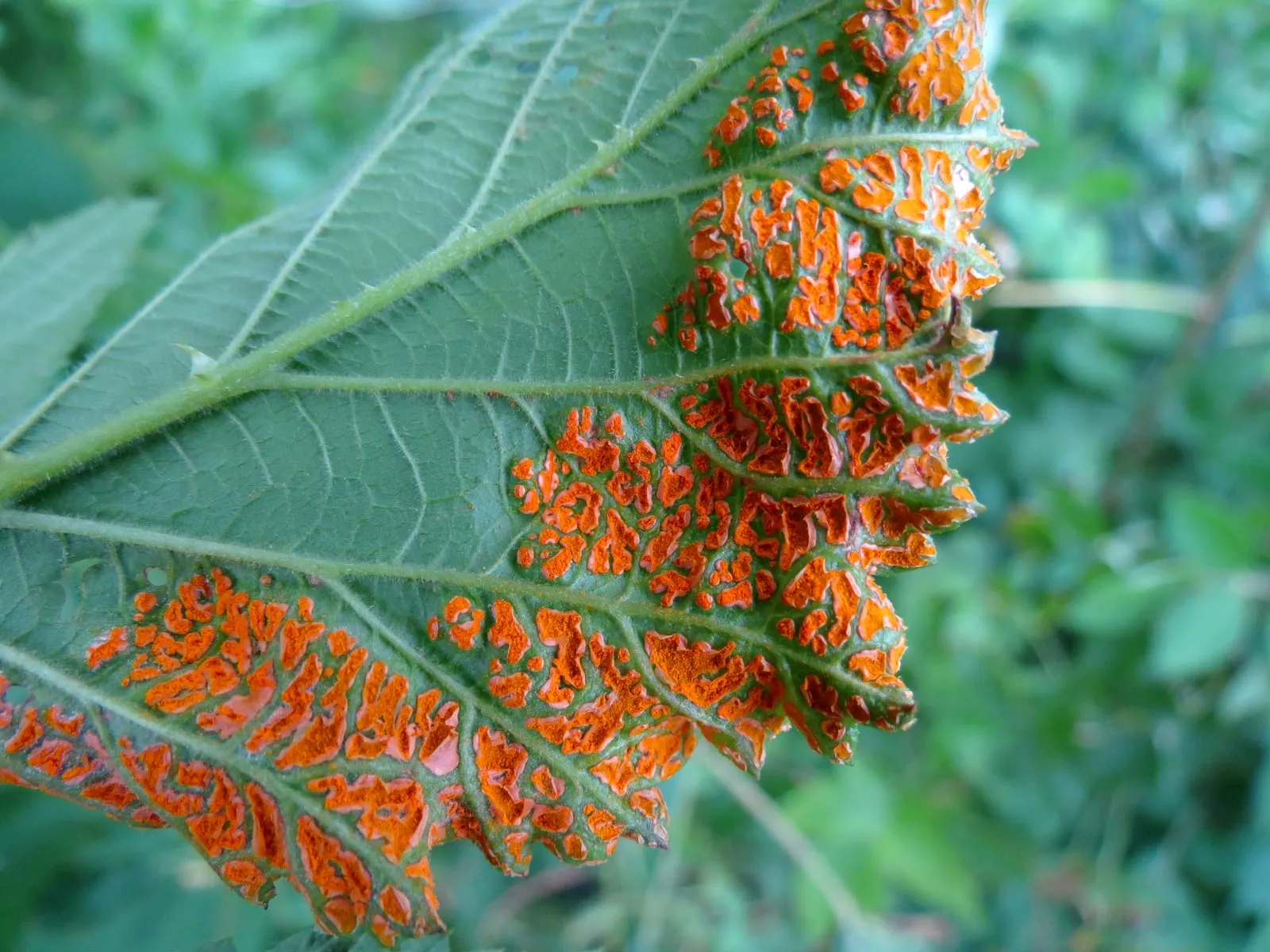
Arthuriomyces peckianus
Systemic fungal disease that permanently infects black raspberries and blackberries (not red raspberry); infected plants must be removed entirely.
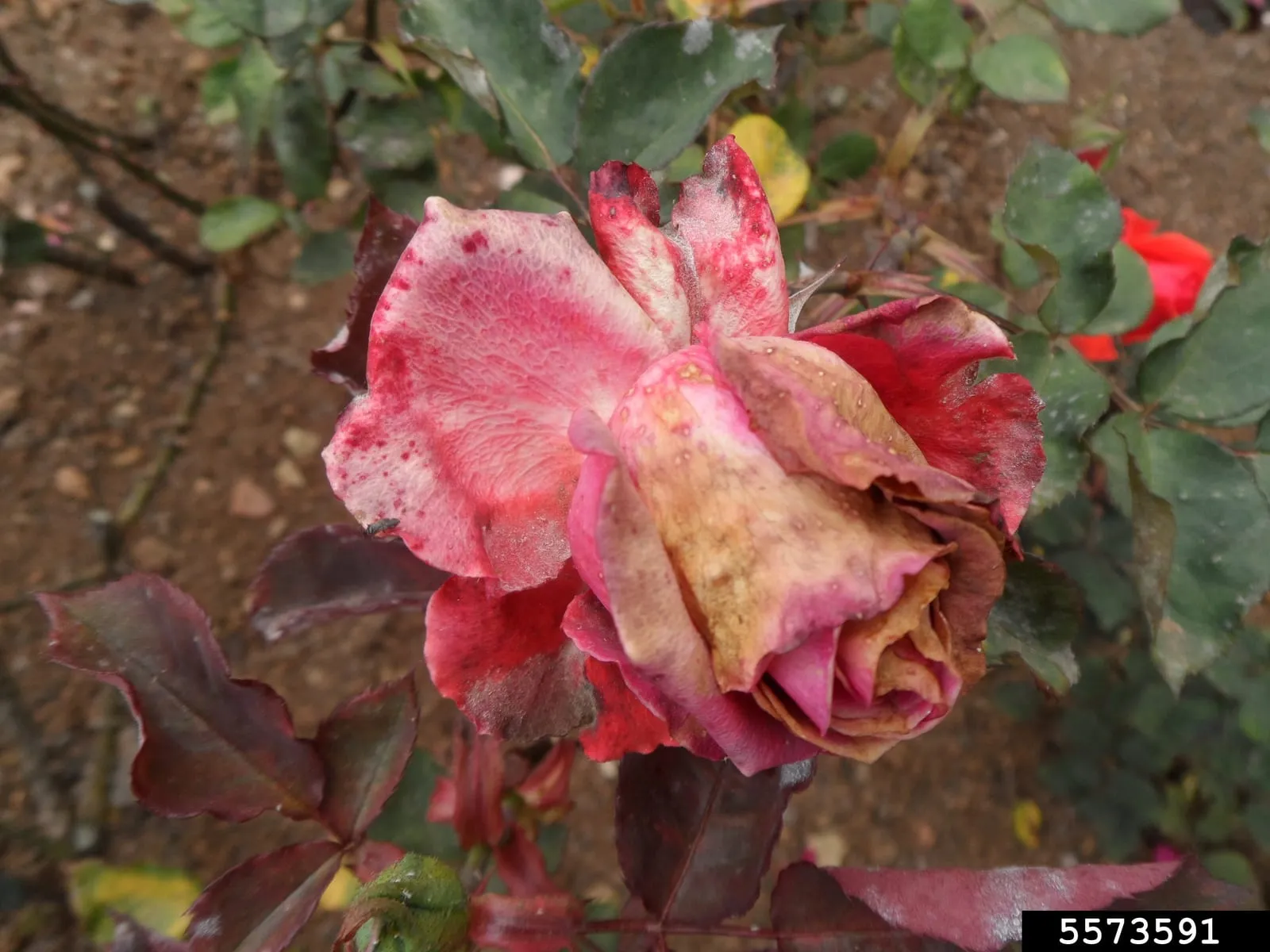
Botrytis cinerea
Ubiquitous fungal disease that causes fruit rot during cool wet weather, often the dominant berry disease in humid regions.
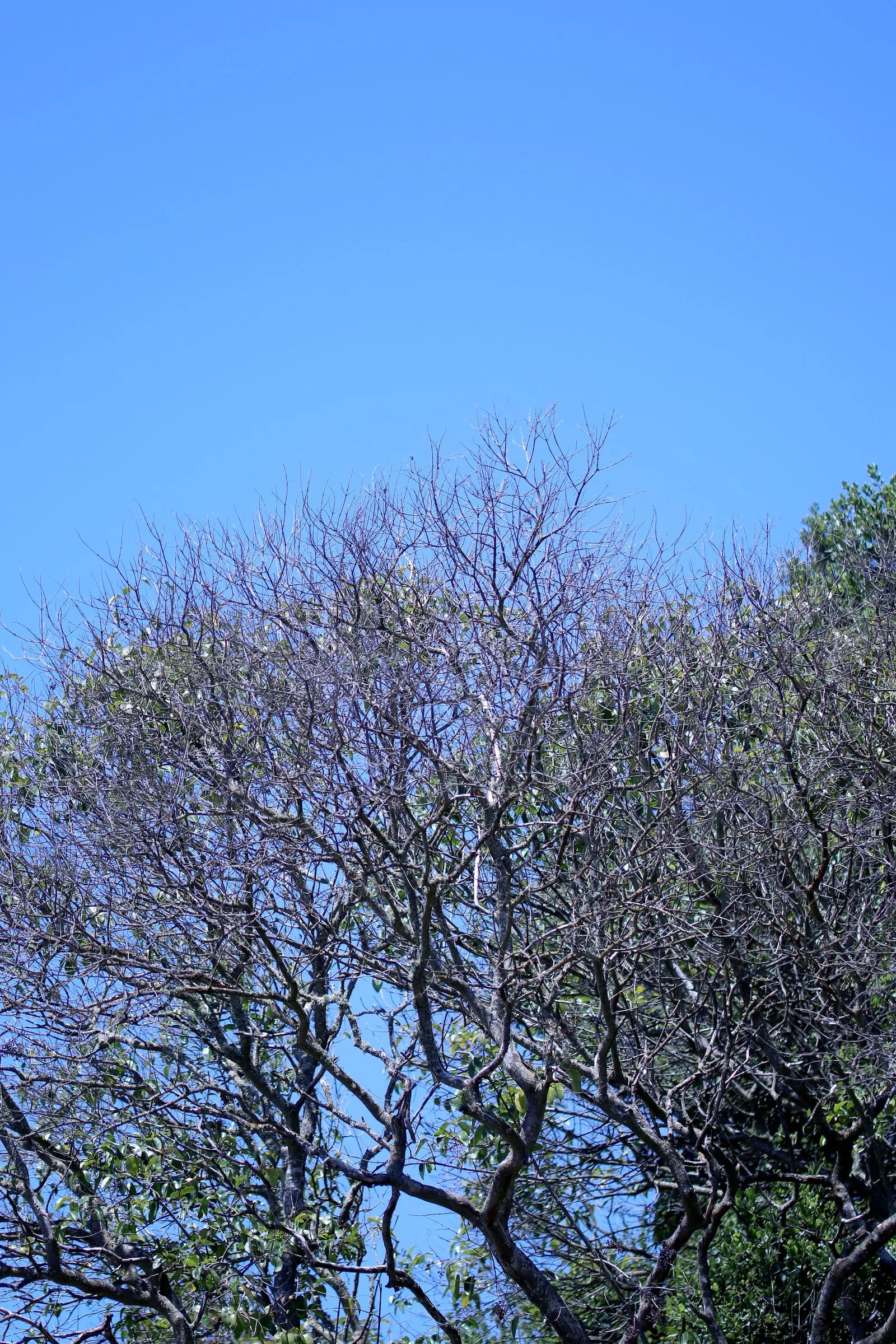
Phytophthora species
Soil-borne water mold that destroys roots in waterlogged soils, the leading cause of blueberry decline in poorly drained sites.

Agrobacterium tumefaciens
Soil-borne bacterium that enters plants through wounds and induces tumor-like galls on roots, crown, and lower stems. Galls reduce vigor and shorten plant lifespan; on Rubus the disease is often fatal.
Modified care for zone 8a
Site selection is the most consequential decision for zone 8a growers. A north-facing slope or location with afternoon shade extends the harvest window and reduces cane heat stress. Heavy mulching (3 to 4 inches of wood chips or straw) moderates root-zone temperature and conserves moisture through the long, hot growing season. Supplemental irrigation is more critical here than in cooler parts of the crop's range; drought stress during primocane development in summer accelerates plant decline.
Disease pressure shifts in zone 8a's humid Southeast portions. Orange Rust is more prevalent under warm, wet conditions; infected canes should be removed and destroyed immediately, as there is no chemical cure once infection is established. Phytophthora root rot risk increases in heavy or poorly drained soils common in many 8a regions. Raised beds or sites with inherently good drainage reduce this risk substantially.
Frequently asked questions
- Is zone 8a too warm for black raspberry?
Zone 8a is marginal, not impossible. The crop needs 700 to 1,000 chill hours; cooler, elevated, or interior sites within 8a are more likely to meet this threshold in most years. Low-elevation and coastal locations face chronic chill-hour shortfalls and summer heat stress that shorten the productive life of plants.
- When does black raspberry ripen in zone 8a?
Harvest typically runs from late May into June in zone 8a. The window is shorter than in cooler zones, often two to three weeks, as rising summer temperatures degrade fruit quality quickly once heat sets in.
- What diseases are most problematic for black raspberry in zone 8a?
Orange Rust and Phytophthora root rot are the primary concerns. Orange Rust is systemic and incurable once established; infected canes must be removed and destroyed immediately. Phytophthora is best managed through site selection: well-drained or raised-bed planting substantially lowers the risk.
+−
+−
+−
Black Raspberry in adjacent zones
Image: "Rubus occidentalis (35029818313)", by Karen Hine, via Wikimedia Commons, licensed under CC-BY Source.
.jpg)
Related