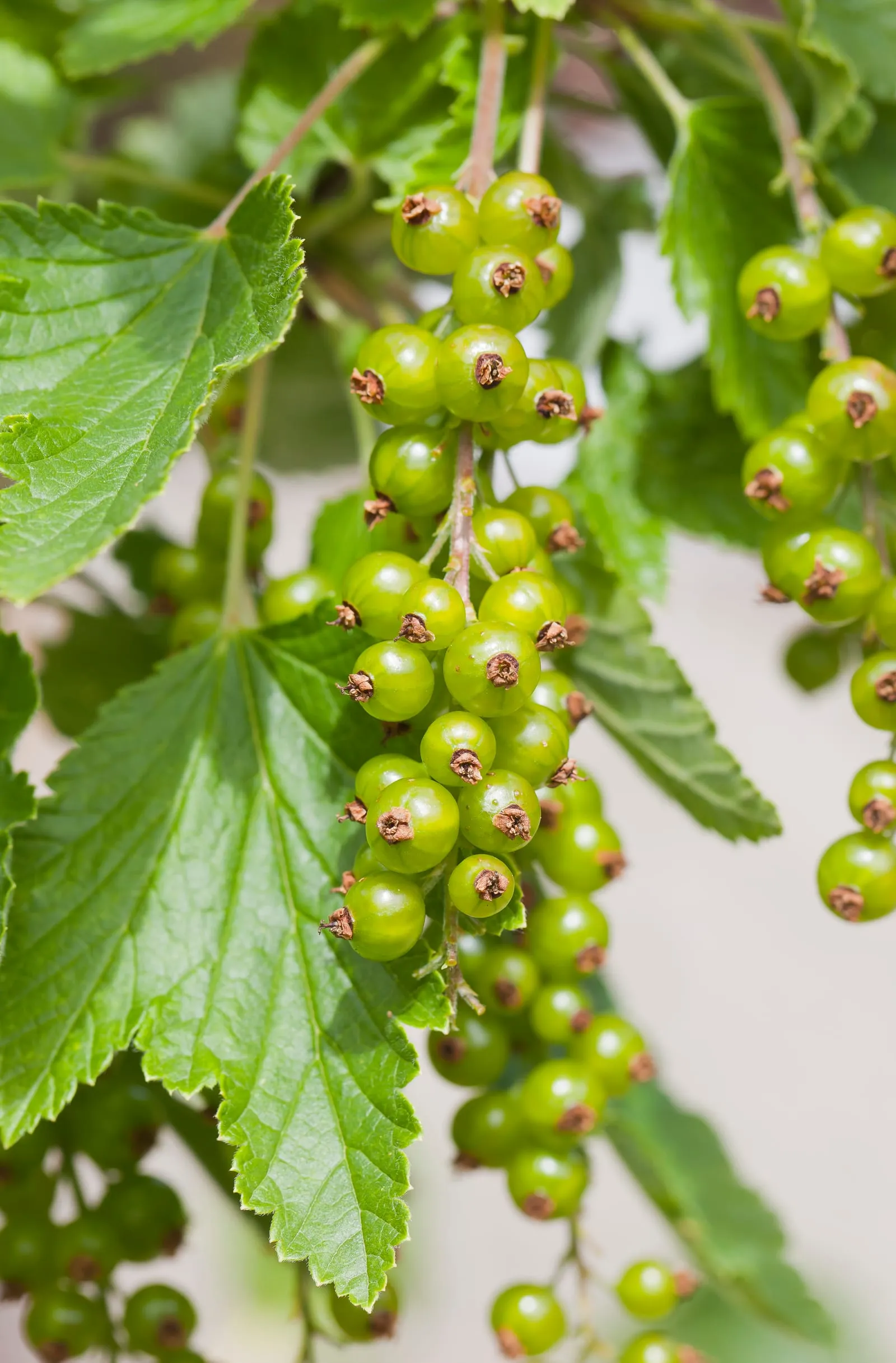
berry in zone 6a
Growing red currant in zone 6a
Ribes rubrum
- Zone
- 6a -10°F to -5°F
- Growing season
- 180 days
- Chill needed
- 800 to 1500 below 45°F
- Suitable varieties
- 4
- Days to harvest
- 70 to 90
The verdict
Zone 6a is a solid fit for red currant, not a marginal one. The crop's chill-hour requirement of 800 to 1,500 hours is comfortably met across most zone 6a winters, where temperatures routinely stay cold long enough from November through February to accumulate well above the lower threshold. Minimum winter temperatures of -10 to -5°F present no significant hardiness problem; red currant tolerates cold far better than most fruiting shrubs, and established plants handle these conditions without meaningful dieback.
The 180-day growing season provides adequate time from bud break through harvest to full cane ripening. Where zone 6a growers sometimes run into trouble is not with cold but with disease load, particularly White Pine Blister Rust, which is regulated or restricted in portions of the Northeast and Great Lakes where white pine forestry is a concern. Check state and county planting restrictions before establishing a planting. Outside of that regulatory variable, zone 6a delivers the cold winters and moderate summers that red currant actually prefers over warmer climates.
Recommended varieties for zone 6a
4 cultivars suited to this zone, with disease-resistance and zone-fit annotations.
| Variety | Notes | Zone fit | Disease resistance |
|---|---|---|---|
| Red Lake fits zone 6a | Tart, bright, translucent red berries in long strigs; the classic jelly and preserve currant, defines red-currant flavor. Productive heritage variety, easy harvest. | | none noted |
| Jonkheer van Tets fits zone 6a | Tart, large bright red berries in long strigs; jelly, juice, fresh with sugar. Early-ripening Dutch variety, very productive, mildew-resistant. | | none noted |
| Rovada fits zone 6a | Tart, large firm berries on extra-long strigs; jelly, juice, dessert with cream. Late-ripening Dutch variety, easiest harvest of any currant, disease-resistant. | | none noted |
| Cherry Currant fits zone 6a | Sweet-tart, large dark red berries; jelly and dessert, sweetest of the red currants. Old European variety with rich flavor. | | none noted |
Critical timing for zone 6a
Red currant breaks dormancy early, typically pushing flowers in zone 6a from late March into April depending on how the winter exits. Bloom is brief and happens before most stone fruit. The zone's average last frost often falls in mid-to-late April, which means some blooms will be exposed to frost in years when cold snaps linger. Red currant flowers tolerate light frost better than peach or cherry buds, and full crop loss from a single frost event is uncommon, though a hard late frost below 28°F during open bloom can reduce yields noticeably.
Harvest in zone 6a typically falls from late June through mid-July, well ahead of peak summer heat. The harvest window per plant is compact, often two to three weeks, so timely picking matters to avoid fruit softening or Botrytis infection on ripe clusters.
Common challenges in zone 6a
- ▸ Brown rot in stone fruit
- ▸ Japanese beetles
- ▸ Spring frost damage to peach buds
Disease pressure to watch for
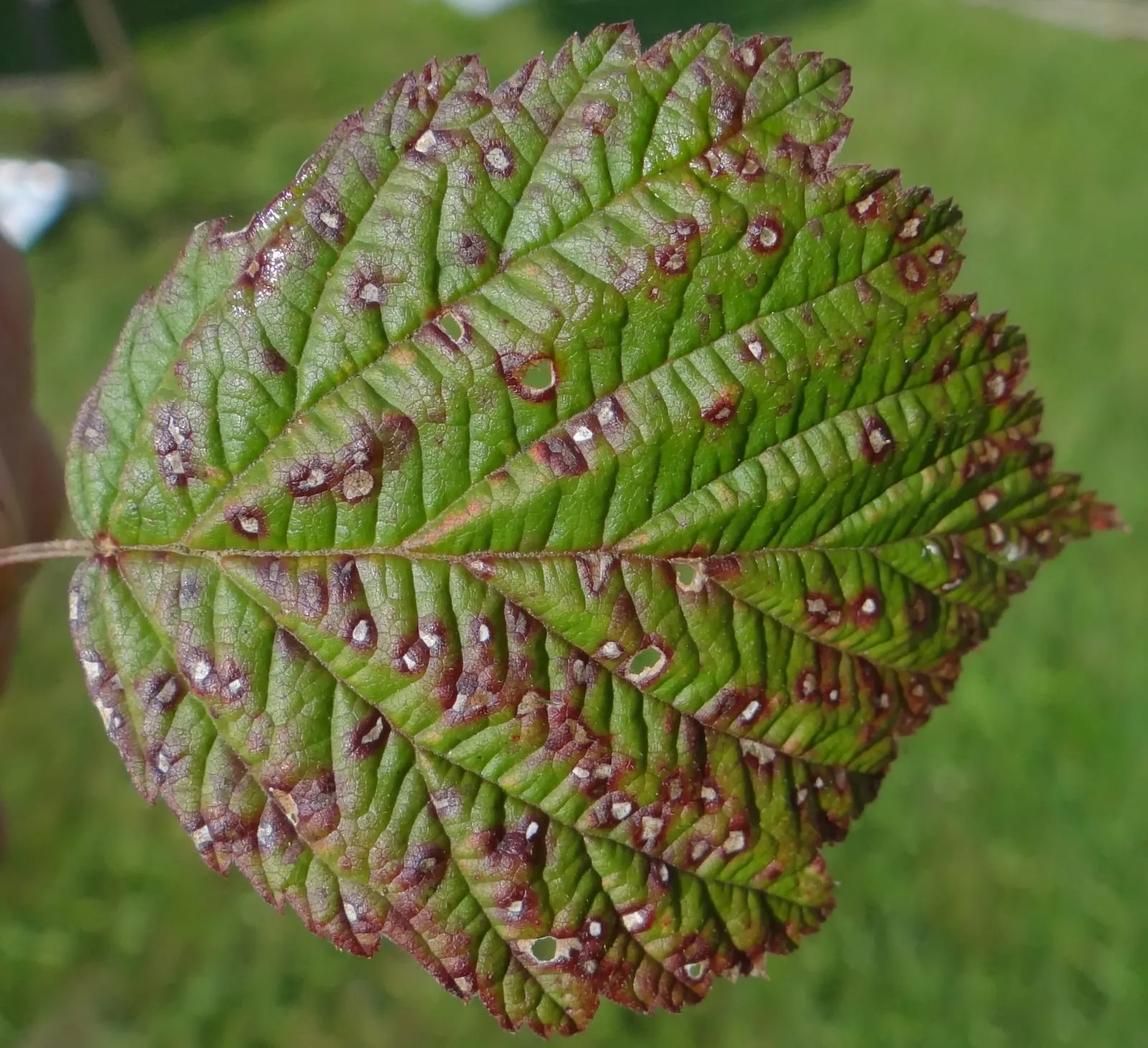
Elsinoe veneta
Fungal cane disease causing purple-bordered lesions that girdle and weaken bramble and Ribes canes, reducing yield over consecutive seasons.
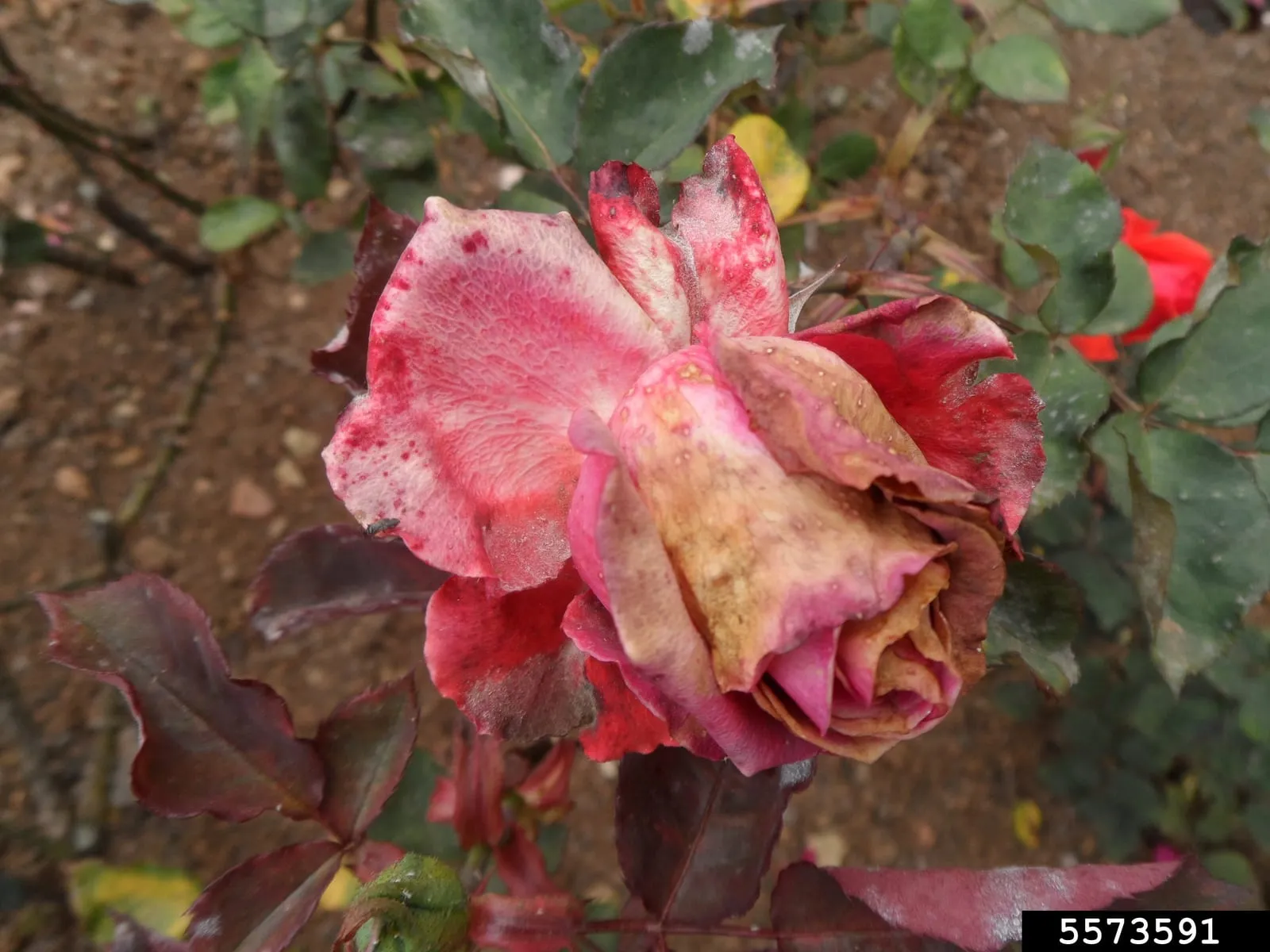
Botrytis cinerea
Ubiquitous fungal disease that causes fruit rot during cool wet weather, often the dominant berry disease in humid regions.
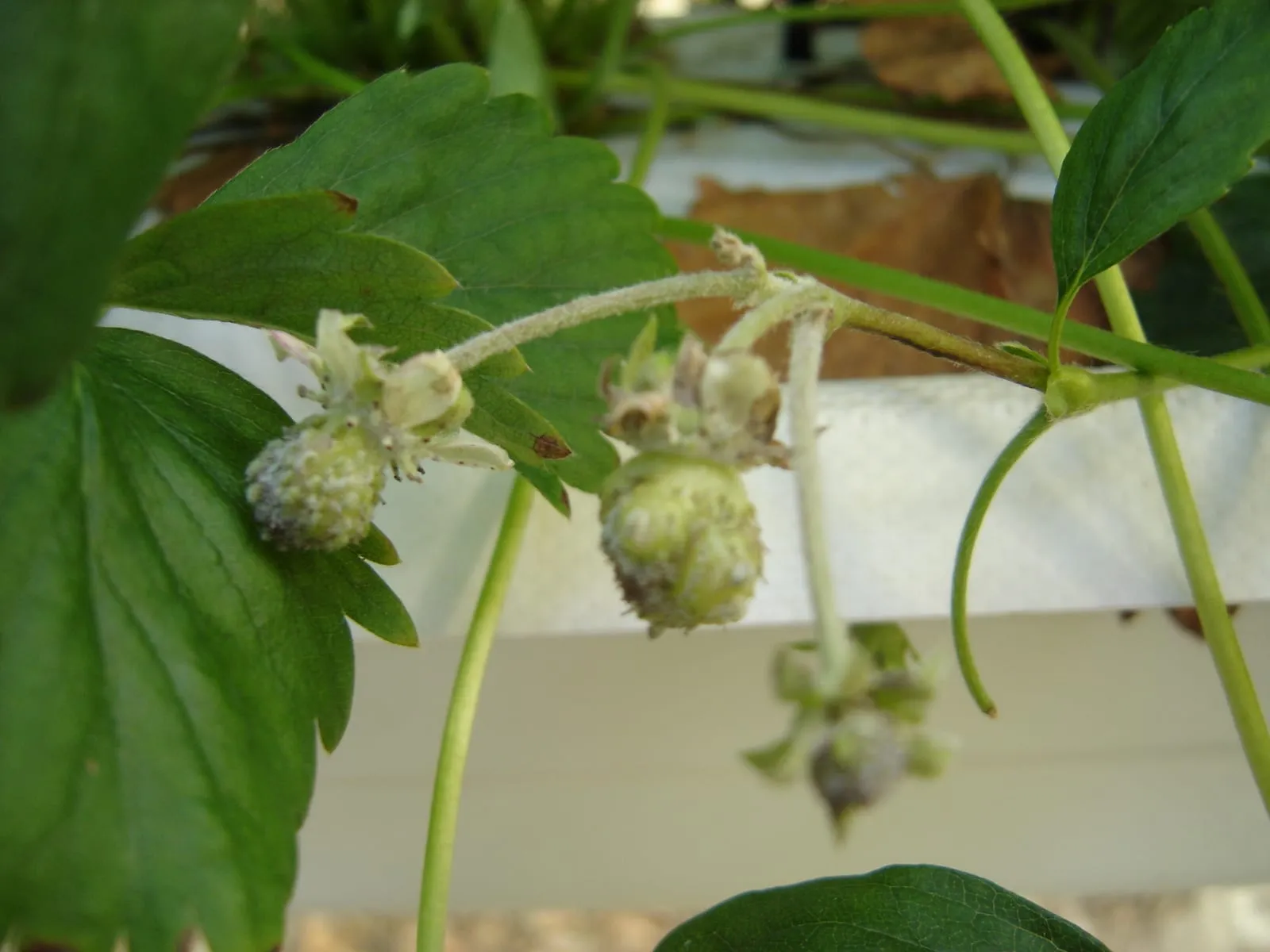
Podosphaera and Sphaerotheca species
Surface-feeding fungal disease producing white powdery growth on leaves and fruit, particularly damaging on gooseberries.
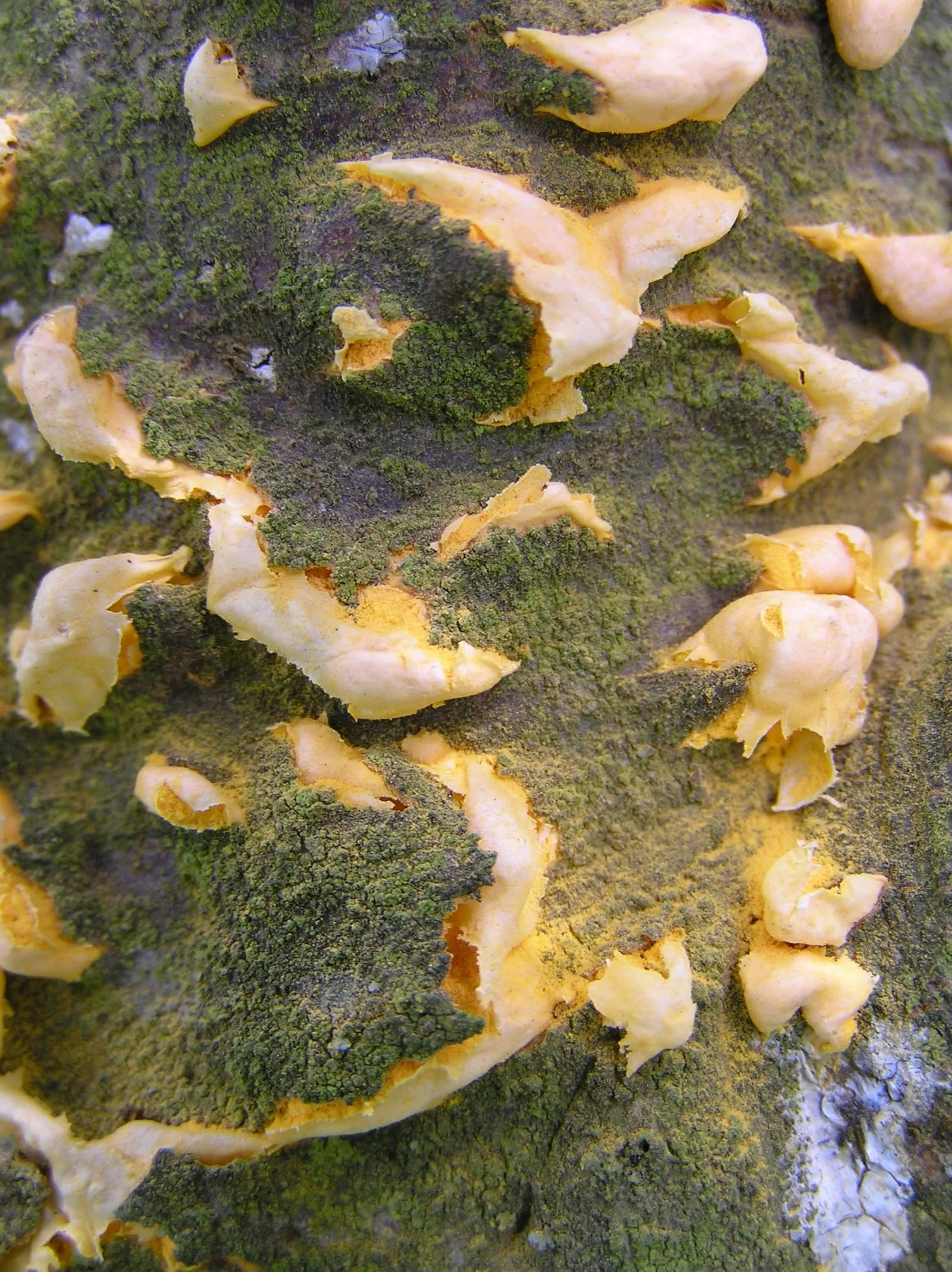
Cronartium ribicola
Two-host rust requiring both Ribes (currants and gooseberries) and white pines. Historically led to Ribes-planting bans in much of the US; some states still restrict black currant cultivation.
Modified care for zone 6a
Air circulation is the most important management variable in zone 6a. Humid summers combined with the dense cane structure of mature currant bushes create conditions where Gray Mold (Botrytis) and Berry Powdery Mildew can become serious problems. Keep plantings thinned to five to eight canes per bush, remove dead wood promptly each dormant season, and avoid overhead irrigation once plants are in leaf.
Japanese beetle pressure, widespread across zone 6a, peaks in July and overlaps directly with late-harvest fruit. Hand-picking at first detection or targeted insecticide applications early in an infestation are more effective than reactive treatment after populations establish on the planting.
White Pine Blister Rust deserves special attention if white pines grow within several hundred feet of the site; spore infection pressure rises considerably in proximity. Selecting resistant varieties where available and inspecting foliage from late summer through fall helps catch infections early. Winter protection is generally unnecessary; canes survive zone 6a minimum temperatures without mulching or wrapping.
Red Currant in adjacent zones
Image: "Grosello rojo (Ribes rubrum), Múnich, Alemania, 2012-06-07, DD 01", by Diego Delso, via Wikimedia Commons, licensed under CC-BY Source.
,_M%C3%BAnich,_Alemania,_2012-06-07,_DD_01.jpg)
Related