berry in zone 6b
Growing red currant in zone 6b
Ribes rubrum
- Zone
- 6b -5°F to 0°F
- Growing season
- 190 days
- Chill needed
- 800 to 1500 below 45°F
- Suitable varieties
- 4
- Days to harvest
- 70 to 90
The verdict
Zone 6b sits comfortably within red currant's preferred range. The crop requires 800 to 1,500 chill hours, and zone 6b winters reliably deliver 900 to 1,200 hours in most locations, placing this well inside the sweet spot rather than at the margins. Winter lows of -5 to 0°F present no meaningful hardiness risk; red currant tolerates temperatures well below -20°F without injury to established canes.
The greater constraint in zone 6b is summer heat rather than winter cold. Red currant is a cool-climate shrub that slows production and drops fruit quality when daytime temperatures regularly exceed 85°F. Zone 6b summers are warm enough to push this threshold on extended heat waves, particularly in urban settings or south-facing exposures. Siting plants where afternoon shade is available in July and August mitigates this. Overall, zone 6b is a reliable, productive zone for red currant, with the caveat that heat management matters more than cold protection.
Recommended varieties for zone 6b
4 cultivars suited to this zone, with disease-resistance and zone-fit annotations.
| Variety | Notes | Zone fit | Disease resistance |
|---|---|---|---|
| Red Lake fits zone 6b | Tart, bright, translucent red berries in long strigs; the classic jelly and preserve currant, defines red-currant flavor. Productive heritage variety, easy harvest. | | none noted |
| Jonkheer van Tets fits zone 6b | Tart, large bright red berries in long strigs; jelly, juice, fresh with sugar. Early-ripening Dutch variety, very productive, mildew-resistant. | | none noted |
| Rovada fits zone 6b | Tart, large firm berries on extra-long strigs; jelly, juice, dessert with cream. Late-ripening Dutch variety, easiest harvest of any currant, disease-resistant. | | none noted |
| Cherry Currant fits zone 6b | Sweet-tart, large dark red berries; jelly and dessert, sweetest of the red currants. Old European variety with rich flavor. | | none noted |
Critical timing for zone 6b
Red currant breaks dormancy early. In zone 6b, flower buds typically swell in late March and bloom opens in early to mid-April. Zone 6b's average last frost falls between April 10 and April 20 depending on exact location, which means bloom routinely overlaps with frost risk. A single late frost during open bloom can eliminate most of that year's crop without damaging the plant itself.
Harvest follows roughly 70 to 80 days after full bloom, placing ripe clusters in late June through mid-July in zone 6b. The 190-day growing season provides ample time for fruit to mature before fall frosts. Picking promptly at peak color prevents berry drop and reduces gray mold pressure, which spikes when ripe fruit stays on the bush into humid July conditions.
Common challenges in zone 6b
- ▸ Cedar-apple rust
- ▸ Fire blight
- ▸ Stink bugs
Disease pressure to watch for
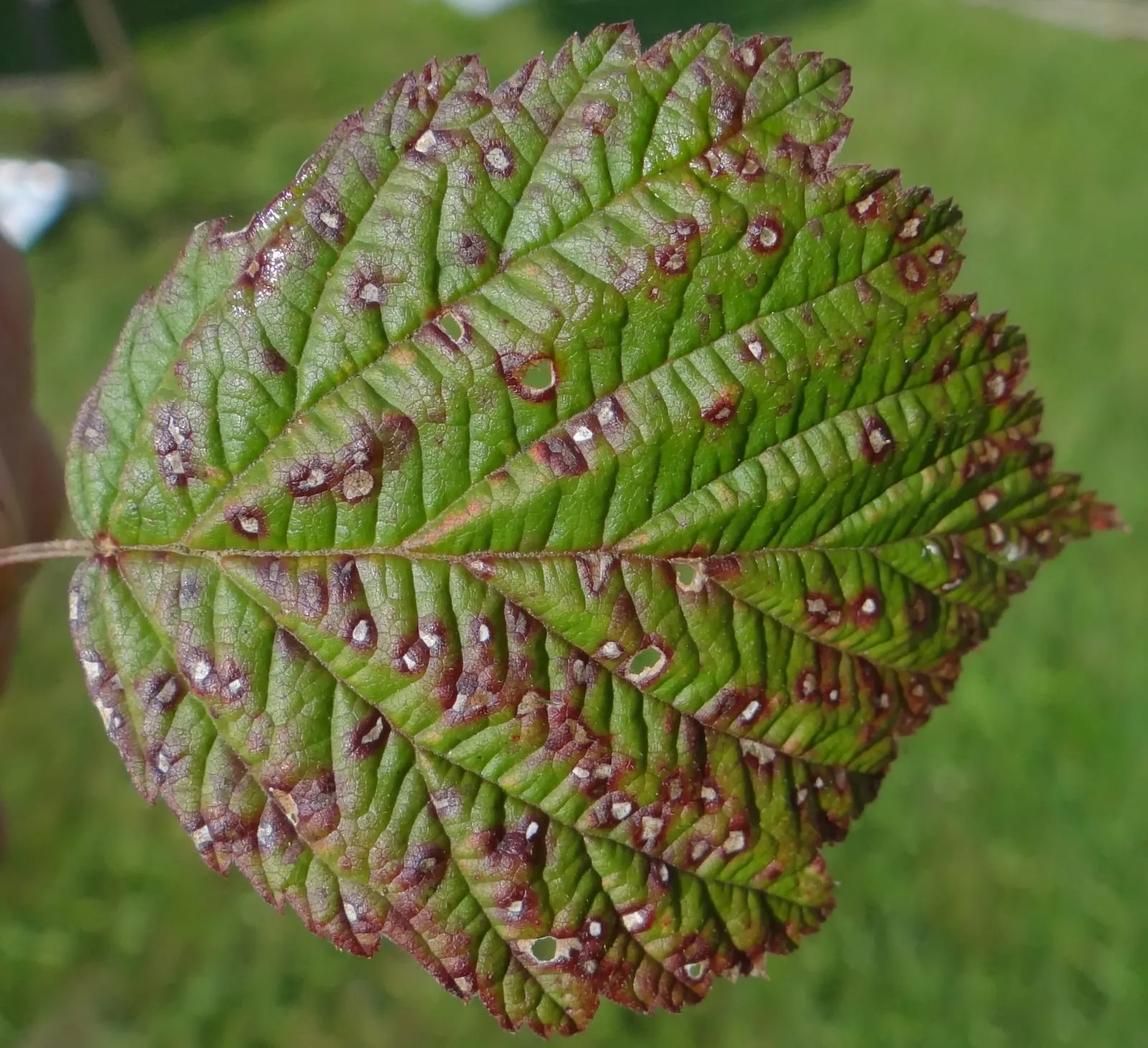
Elsinoe veneta
Fungal cane disease causing purple-bordered lesions that girdle and weaken bramble and Ribes canes, reducing yield over consecutive seasons.
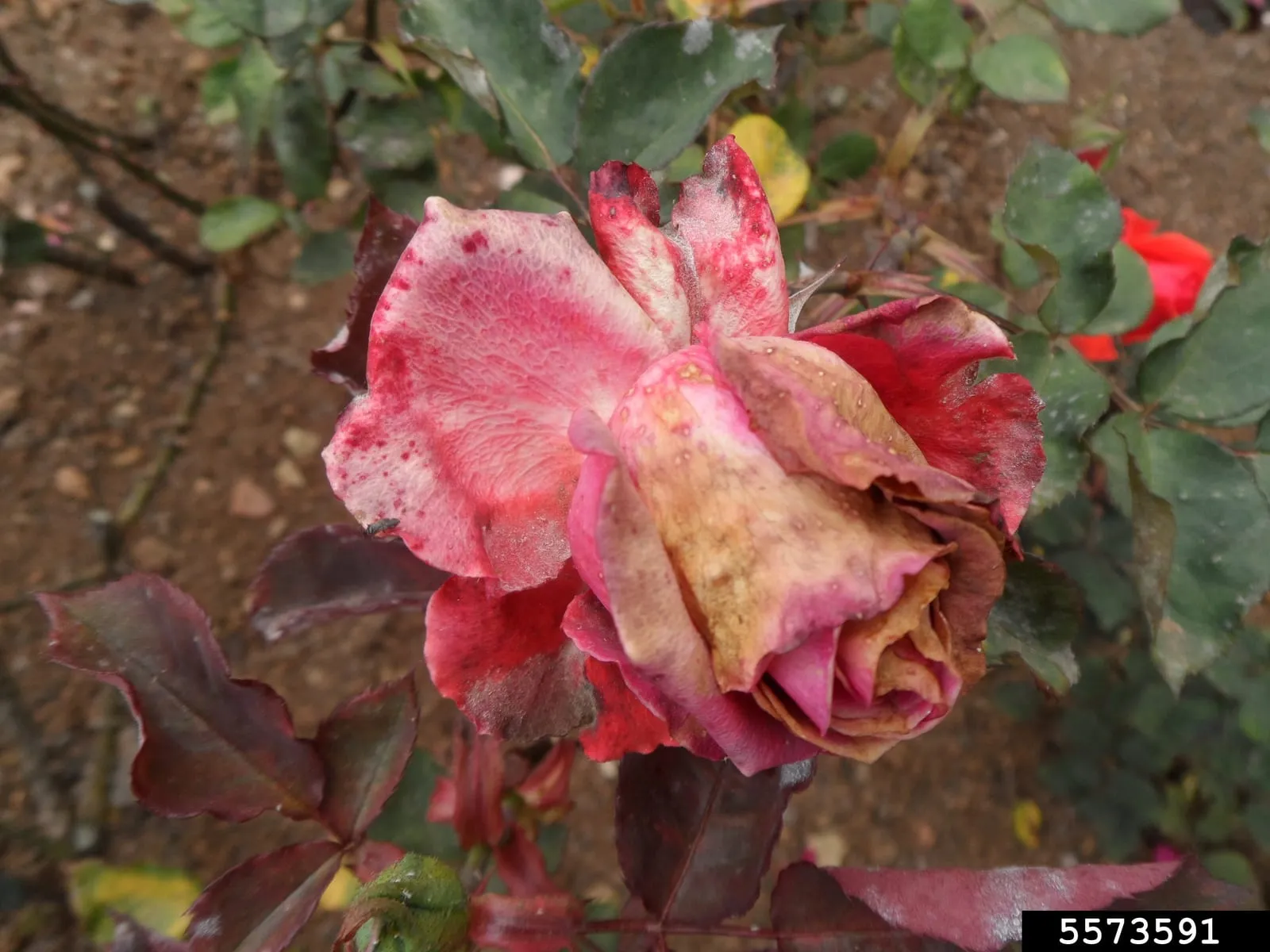
Botrytis cinerea
Ubiquitous fungal disease that causes fruit rot during cool wet weather, often the dominant berry disease in humid regions.
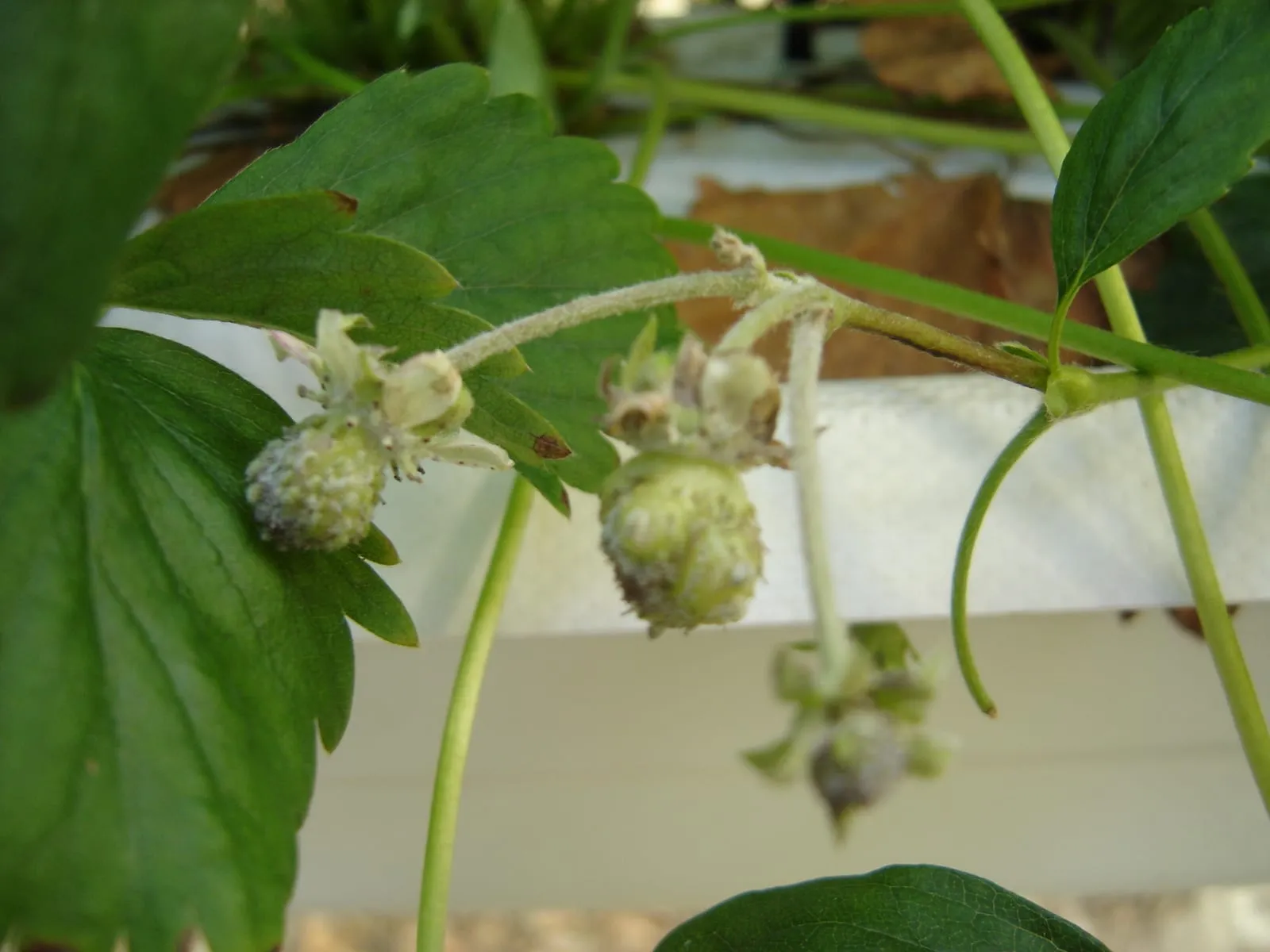
Podosphaera and Sphaerotheca species
Surface-feeding fungal disease producing white powdery growth on leaves and fruit, particularly damaging on gooseberries.
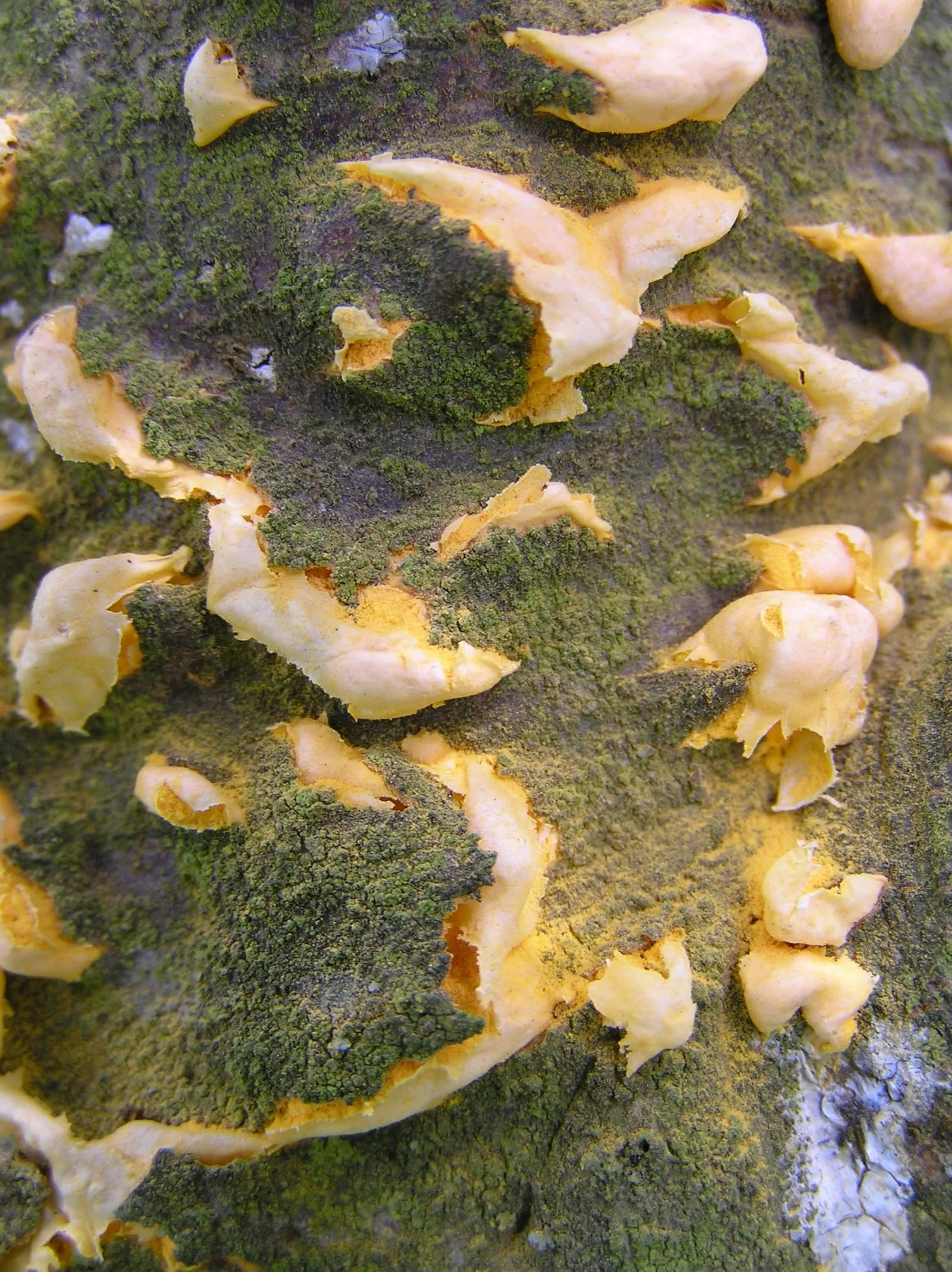
Cronartium ribicola
Two-host rust requiring both Ribes (currants and gooseberries) and white pines. Historically led to Ribes-planting bans in much of the US; some states still restrict black currant cultivation.
Modified care for zone 6b
White Pine Blister Rust is the most zone-specific concern. The pathogen requires both currants and five-needled pines to complete its life cycle, and zone 6b forests frequently include eastern white pine. Growers within a half-mile of white pine stands should prioritize rust-resistant variety selection and monitor for orange pustules on leaf undersides. Some states retain planting restrictions on currants near white pine timber; check local extension guidance before establishing a planting.
Cane anthracnose and gray mold both intensify in humid, poorly ventilated conditions common across much of zone 6b's range. Pruning for an open canopy structure each winter, removing all dead wood promptly, and avoiding overhead irrigation during the growing season are the practical responses. No additional winter protection is warranted in zone 6b; mulching the root zone to moderate soil temperature is sufficient.
Frequently asked questions
- Will red currant survive zone 6b winters?
Yes, without issue. Red currant is hardy to at least -20°F, which is well below the zone 6b minimum of -5°F. Established plants require no wrapping or special winter protection in this zone.
- Which red currant varieties perform best in zone 6b?
Red Lake, Jonkheer van Tets, Rovada, and Cherry Currant all perform reliably in zone 6b. Jonkheer van Tets blooms slightly earlier, which increases late-frost exposure; Rovada's later-ripening window can be an advantage in sites with persistent spring cold.
- How serious is the late-frost risk for red currant bloom in zone 6b?
Meaningful but manageable. Bloom in early to mid-April aligns with the zone's average last frost window, so frost damage to open flowers occurs in most years at least occasionally. Planting on a slight north-facing slope or in a location with thermal mass delays bloom by a few days and reduces exposure.
- Does White Pine Blister Rust make red currant impractical in zone 6b?
Not impractical, but it requires awareness. Growers far from five-needled pines face minimal rust pressure. Those near white pine should confirm there are no state-level planting restrictions and choose planting sites with good air circulation. The disease does not kill currants quickly, but chronic infection reduces yield over time.
+−
+−
+−
+−
Red Currant in adjacent zones
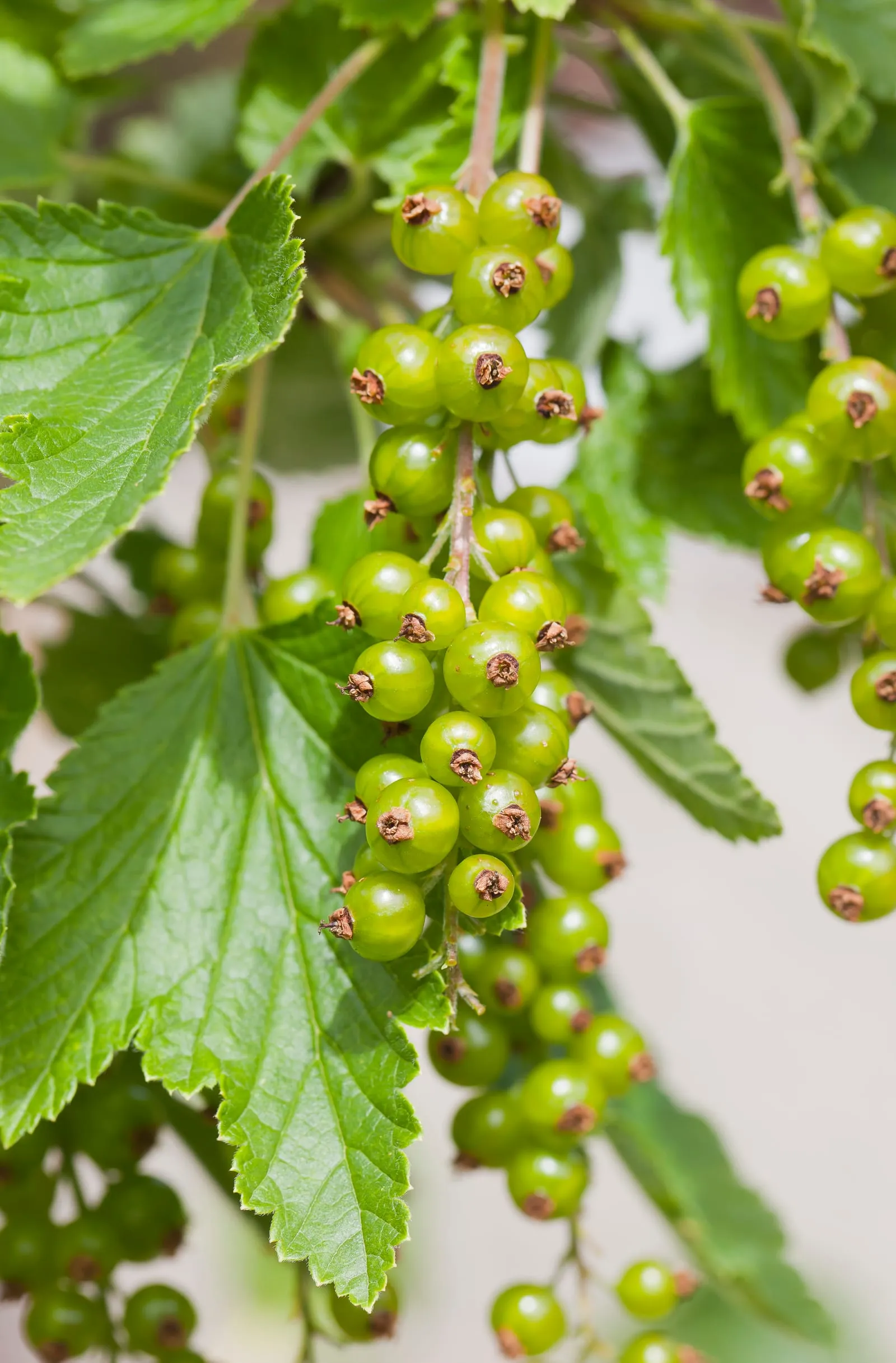
Image: "Grosello rojo (Ribes rubrum), Múnich, Alemania, 2012-06-07, DD 01", by Diego Delso, via Wikimedia Commons, licensed under CC-BY Source.
,_M%C3%BAnich,_Alemania,_2012-06-07,_DD_01.jpg)
Related