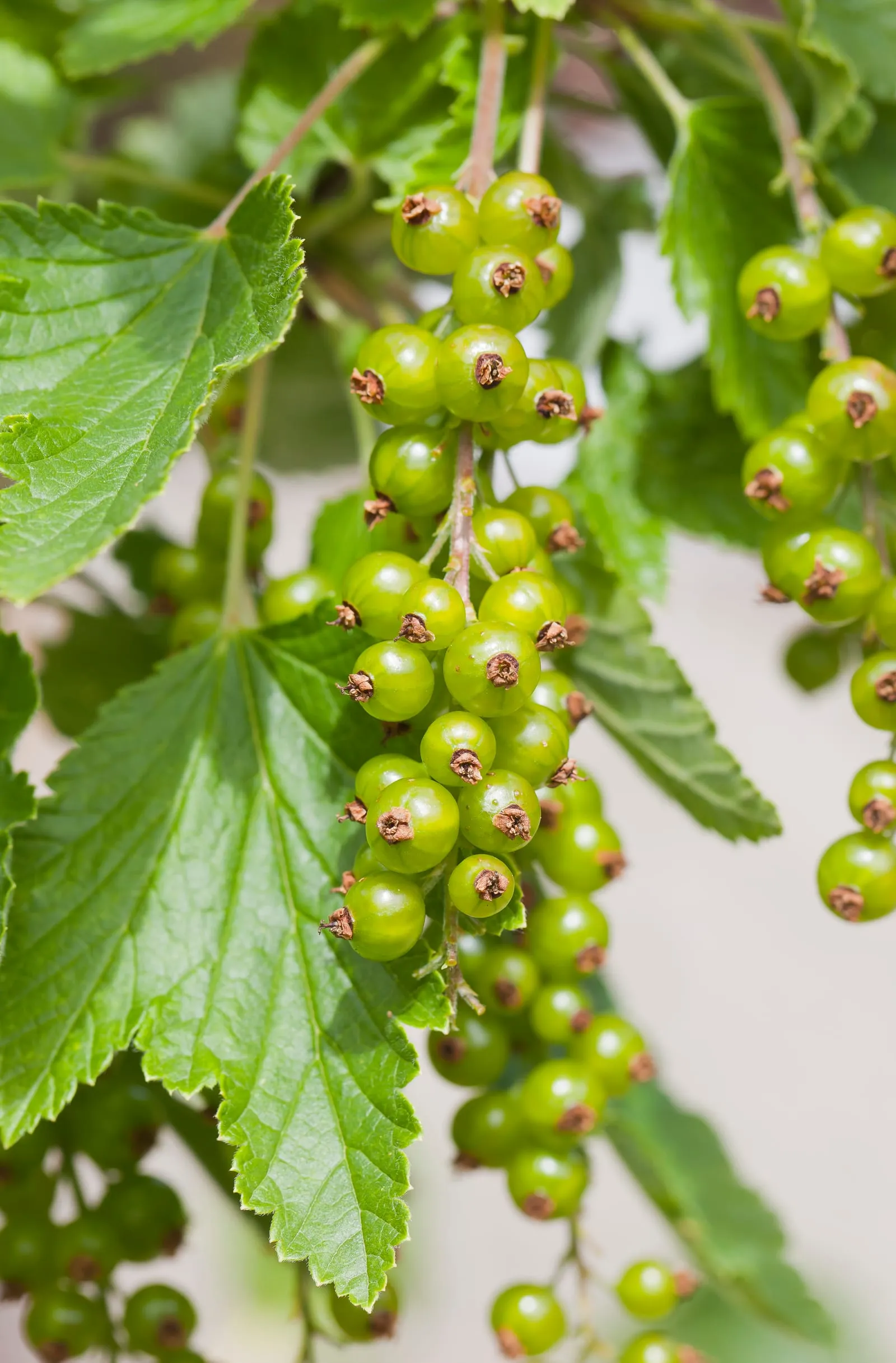
berry in zone 7a
Growing red currant in zone 7a
Ribes rubrum
- Zone
- 7a 0°F to 5°F
- Growing season
- 210 days
- Chill needed
- 800 to 1500 below 45°F
- Suitable varieties
- 2
- Days to harvest
- 70 to 90
The verdict
Zone 7a sits at the warm edge of red currant's viable range. The crop requires 800 to 1,500 chill hours annually, and zone 7a winters typically deliver somewhere near the low end of that window, around 800 to 900 hours depending on the specific location and year-to-year variation. In cooler winters, established plants perform well. In mild winters, chill-hour accumulation can fall short, leading to irregular budbreak and reduced fruit set.
Zones 3 through 6 are generally considered the sweet spot for red currants. Zone 7a is workable, not ideal. Success depends heavily on site selection and variety choice. Jonkheer van Tets and Rovada both tolerate warmer winters better than older European varieties, making them the practical options here. Growers in the cooler microclimates of zone 7a, such as north-facing slopes or higher elevations, will have a more consistent experience than those in low-lying, heat-retaining sites.
Recommended varieties for zone 7a
2 cultivars suited to this zone, with disease-resistance and zone-fit annotations.
| Variety | Notes | Zone fit | Disease resistance |
|---|---|---|---|
| Jonkheer van Tets fits zone 7a | Tart, large bright red berries in long strigs; jelly, juice, fresh with sugar. Early-ripening Dutch variety, very productive, mildew-resistant. | | none noted |
| Rovada fits zone 7a | Tart, large firm berries on extra-long strigs; jelly, juice, dessert with cream. Late-ripening Dutch variety, easiest harvest of any currant, disease-resistant. | | none noted |
Critical timing for zone 7a
Red currants break dormancy early. In zone 7a, buds typically swell in late February, with bloom often occurring in March. The average last frost for zone 7a falls between mid-March and early April, which means open flowers are at real risk during cold snaps. A single late frost during peak bloom can eliminate most of the crop for that season.
Harvest follows roughly 60 to 70 days after full bloom, placing ripe fruit in late May through June for most zone 7a locations. This timing is actually an advantage: fruit ripens and is harvested before the most intense summer heat arrives, reducing heat stress on the berries themselves. Watch the forecast in March, and be prepared to cover plants if temperatures are expected to drop below 28°F after bloom has begun.
Common challenges in zone 7a
- ▸ Cedar-apple rust
- ▸ Brown rot
- ▸ Fire blight
- ▸ High humidity disease pressure
Disease pressure to watch for
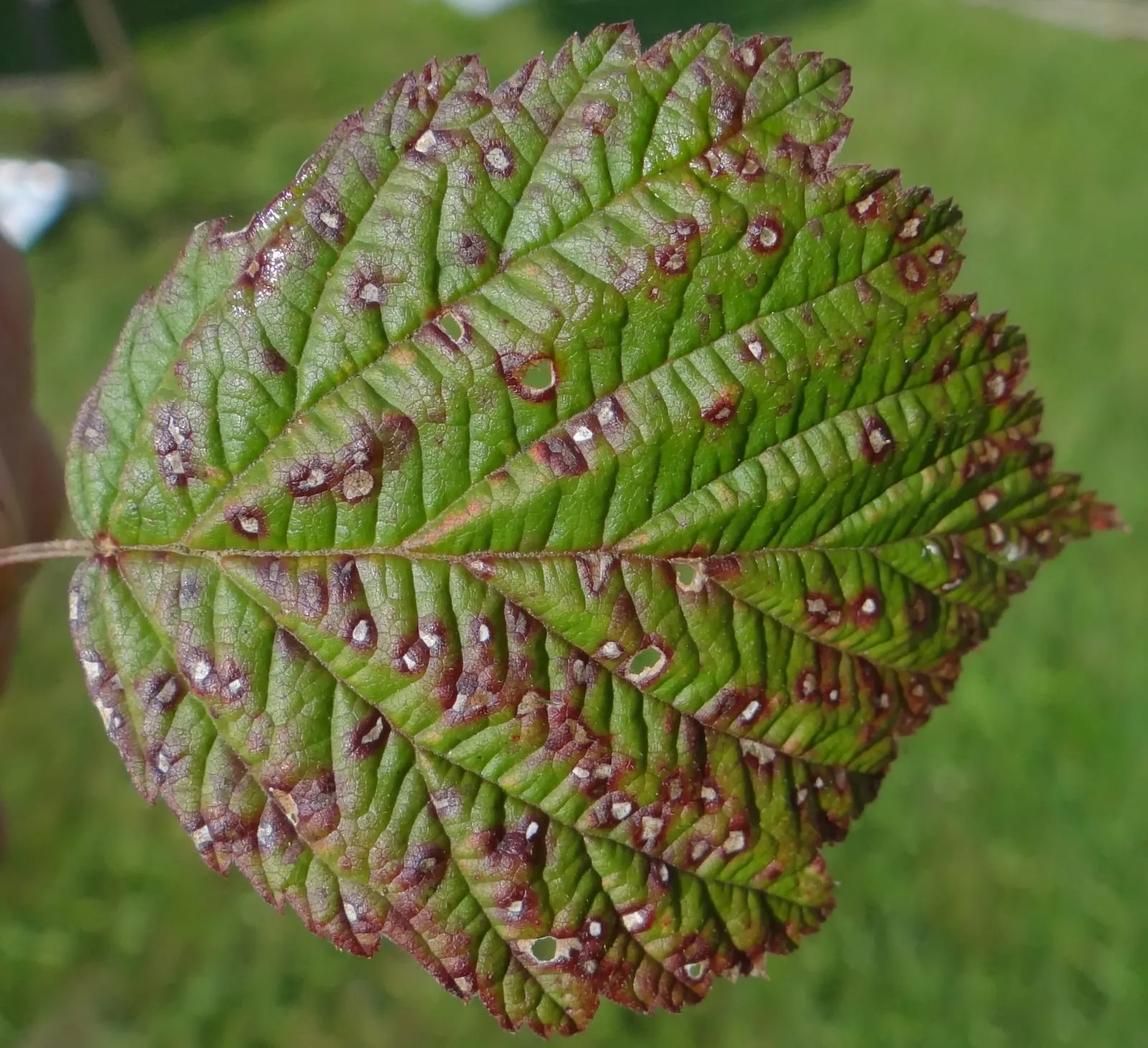
Elsinoe veneta
Fungal cane disease causing purple-bordered lesions that girdle and weaken bramble and Ribes canes, reducing yield over consecutive seasons.
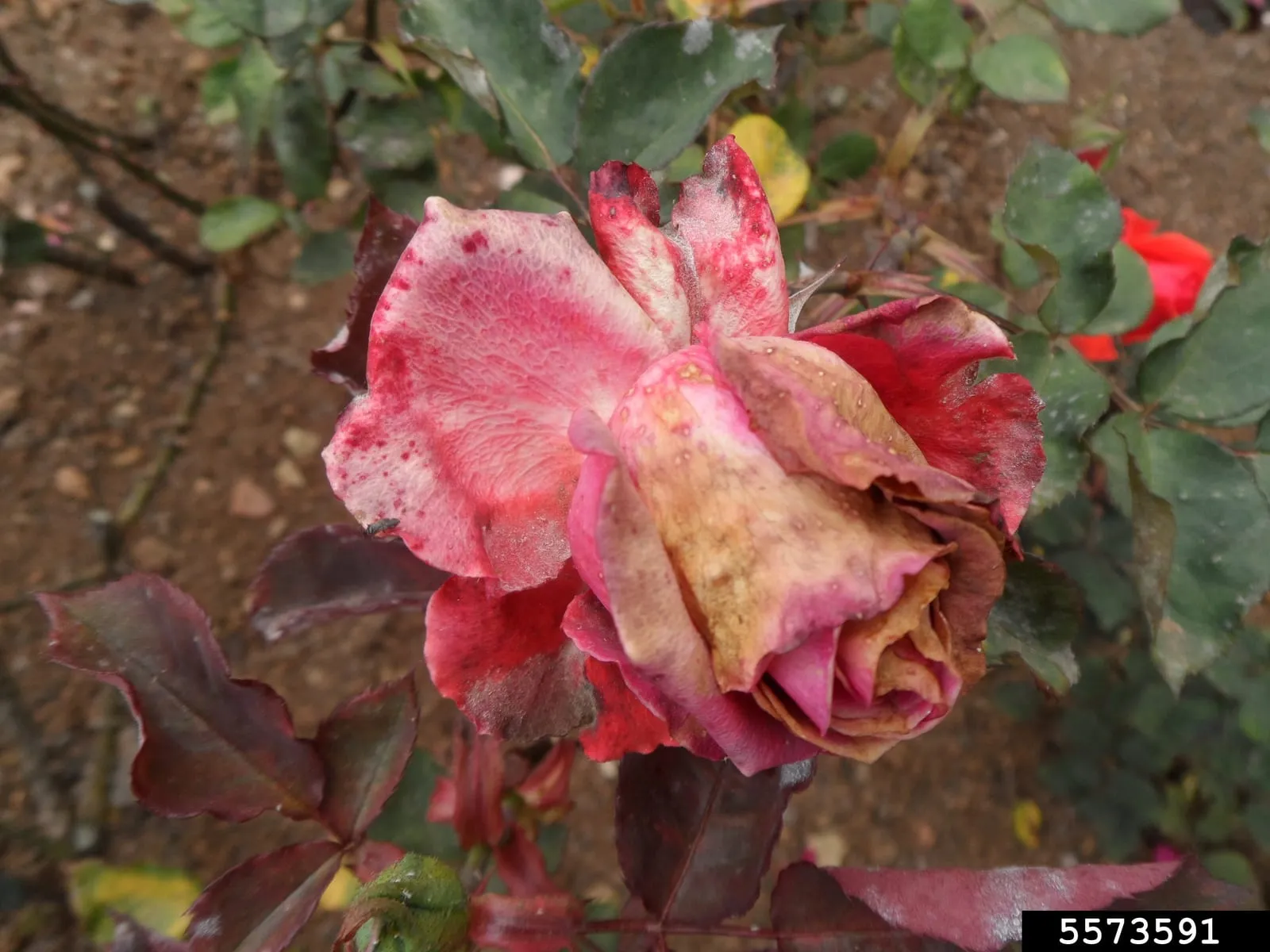
Botrytis cinerea
Ubiquitous fungal disease that causes fruit rot during cool wet weather, often the dominant berry disease in humid regions.
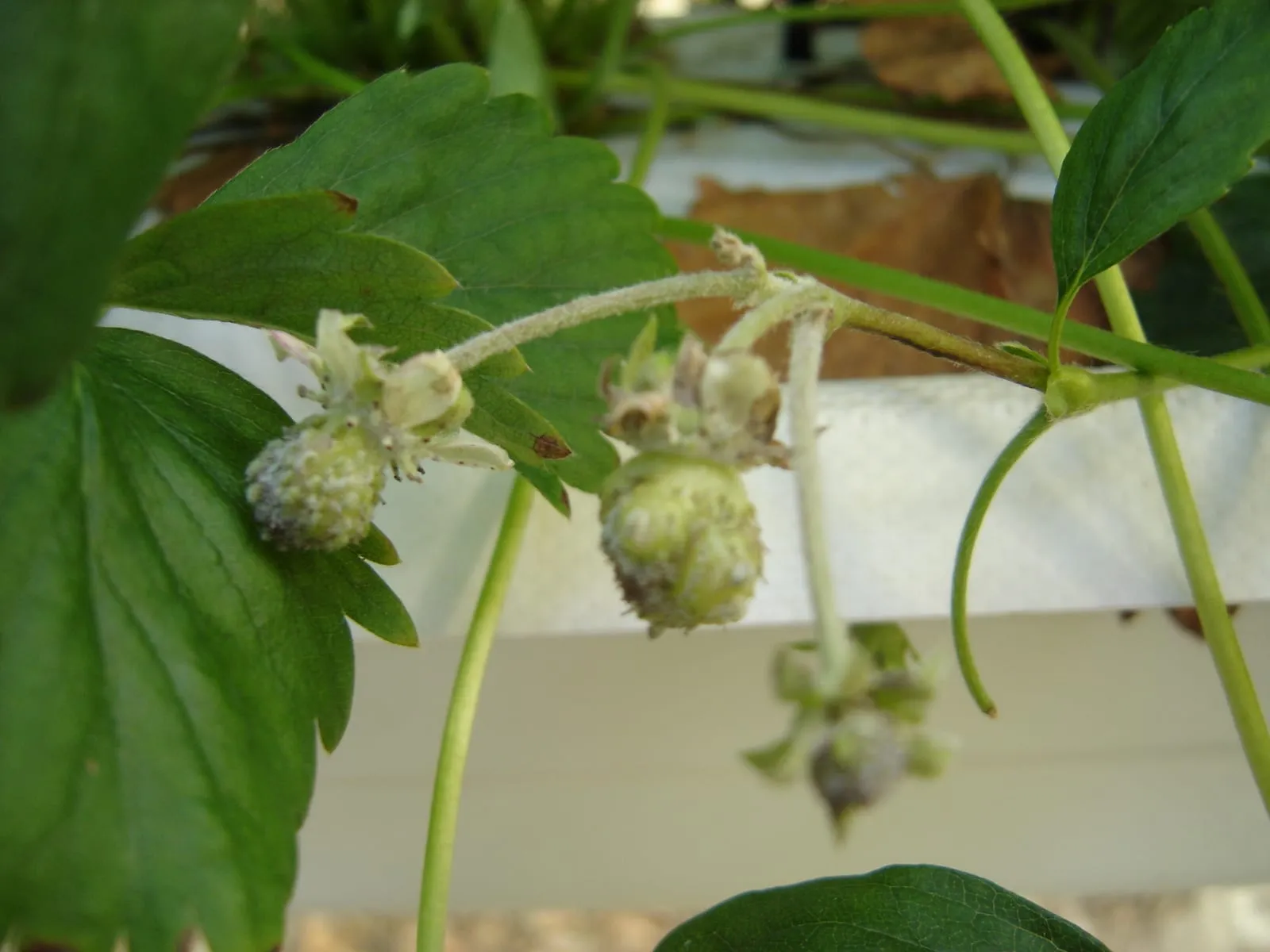
Podosphaera and Sphaerotheca species
Surface-feeding fungal disease producing white powdery growth on leaves and fruit, particularly damaging on gooseberries.
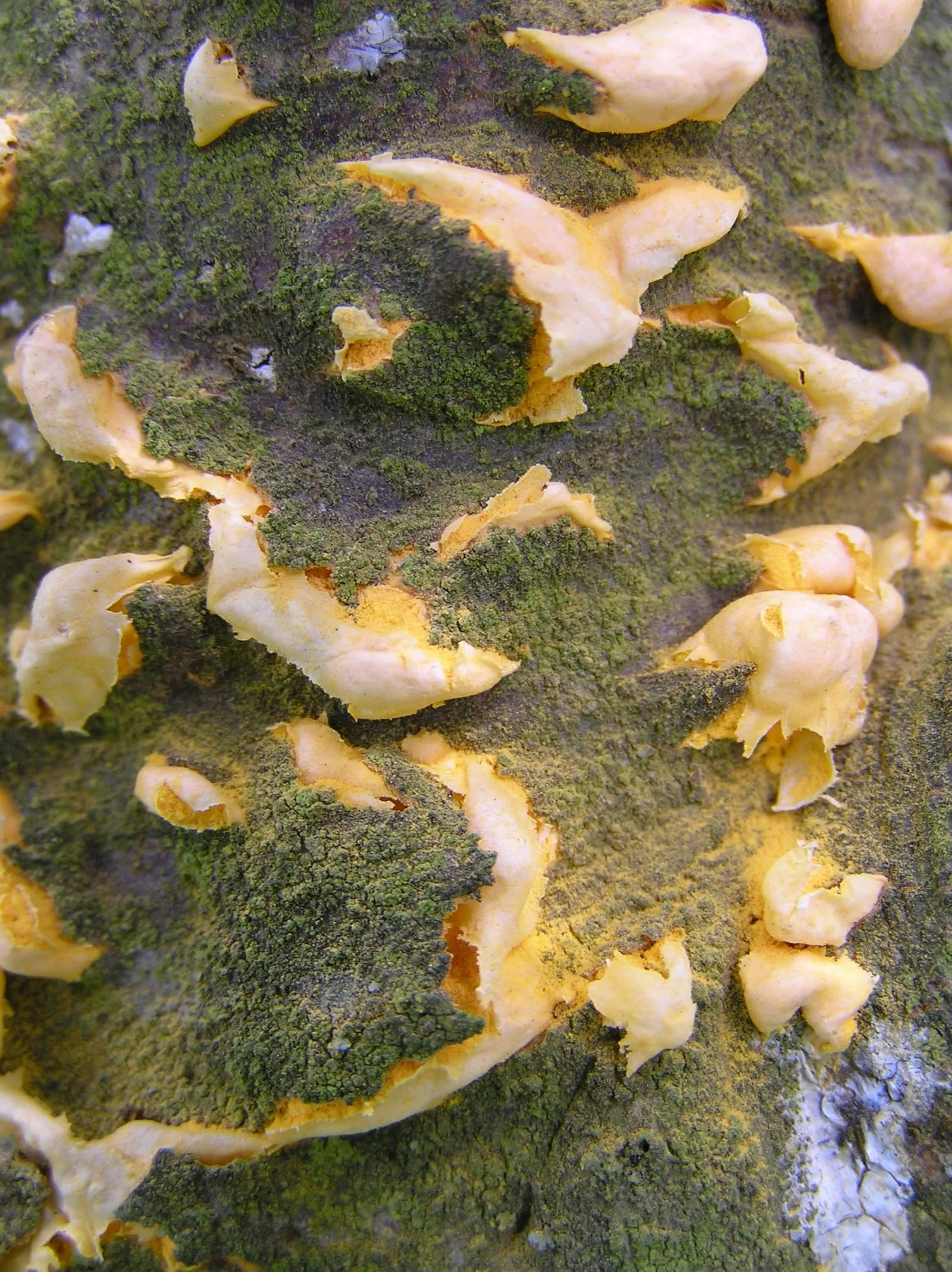
Cronartium ribicola
Two-host rust requiring both Ribes (currants and gooseberries) and white pines. Historically led to Ribes-planting bans in much of the US; some states still restrict black currant cultivation.
Modified care for zone 7a
The primary adjustment in zone 7a is managing disease pressure. The combination of early warmth, high humidity, and a long 210-day growing season creates ideal conditions for Gray Mold (Botrytis), Berry Powdery Mildew, and Cane Anthracnose. Pruning to maintain an open, airy canopy is not optional here; it is the single most effective cultural control available. Remove crossing canes, keep the center of the plant open, and avoid overhead irrigation.
White Pine Blister Rust is a concern where eastern white pine grows nearby. Planting away from white pine stands, or removing nearby pines within a few hundred feet, reduces infection risk substantially.
Afternoon shade from a structure or taller plants can moderate summer heat stress on the root zone. Mulching with 3 to 4 inches of wood chips helps retain soil moisture and keeps roots cooler through summer. In years with borderline chill-hour accumulation, expect some delay or unevenness in budbreak; this is normal and not a sign of plant failure.
Frequently asked questions
- Can red currants survive winters in zone 7a?
Yes, established red currant plants are hardy well below zone 7a minimum temperatures. Winter cold is rarely the problem in zone 7a. The challenge is accumulating enough chill hours, typically 800 or more, in mild winters. Choosing varieties like Rovada or Jonkheer van Tets improves reliability at the warm edge of the range.
- What is the biggest disease risk for red currants in zone 7a?
Gray Mold (Botrytis) and Berry Powdery Mildew are the most common problems, driven by zone 7a's humid summers. Pruning for airflow and avoiding wetting foliage are the first lines of defense. White Pine Blister Rust is a serious concern if eastern white pine grows within a few hundred feet of the planting.
- When should red currants be harvested in zone 7a?
Most zone 7a plantings ripen in late May through June. Harvest when berries are fully colored and have a slight give. The entire cluster ripens together, so whole-cluster picking is efficient. Fruit holds on the plant for one to two weeks after peak ripeness before quality declines.
+−
+−
+−
Red Currant in adjacent zones
Image: "Grosello rojo (Ribes rubrum), Múnich, Alemania, 2012-06-07, DD 01", by Diego Delso, via Wikimedia Commons, licensed under CC-BY Source.
,_M%C3%BAnich,_Alemania,_2012-06-07,_DD_01.jpg)
Related