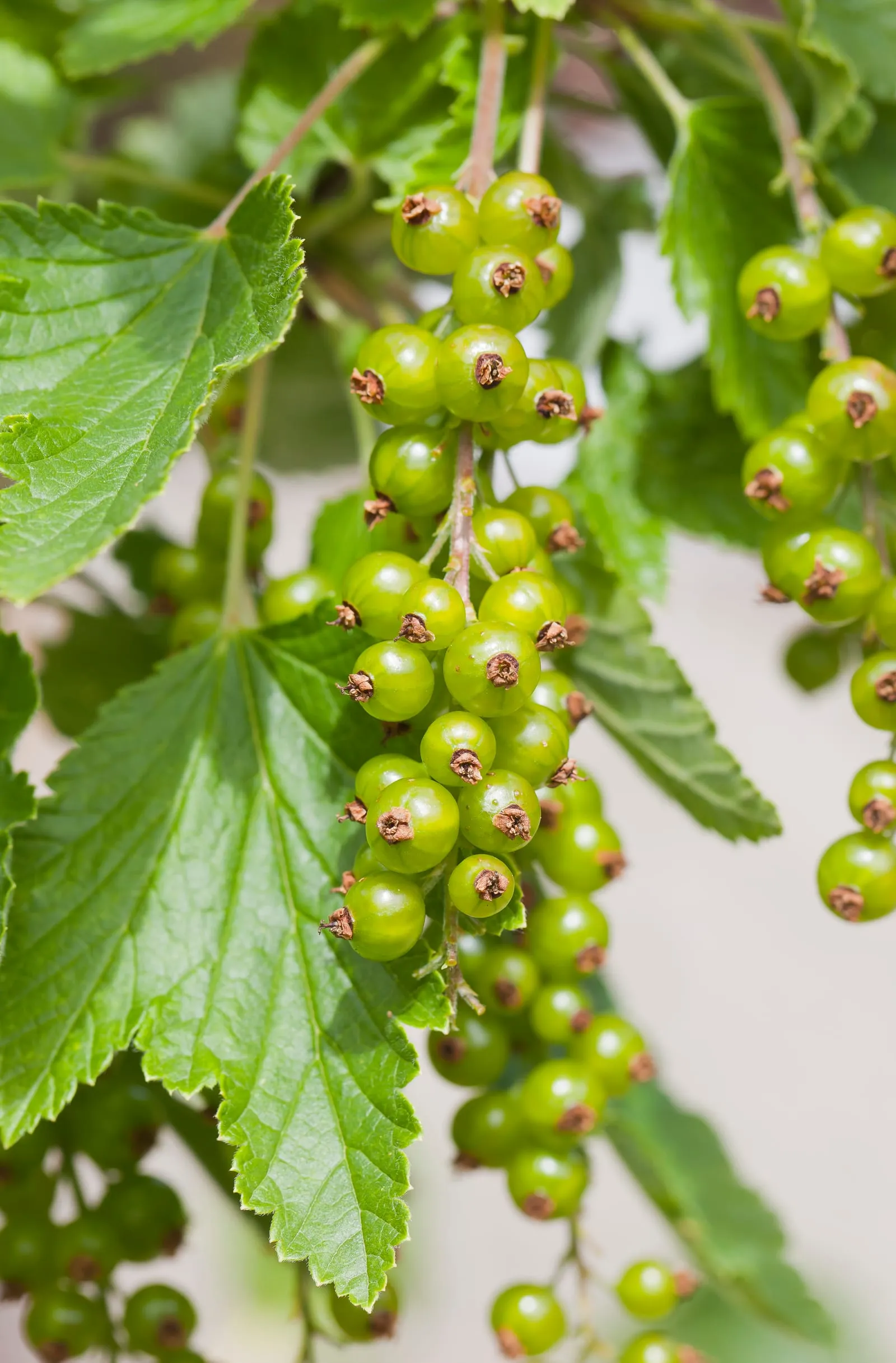
berry
Red Currant
Ribes rubrum
USDA hardiness range
- Zones
- 3a–7a
- Chill hours
- 800 to 1500 below 45°F
- Days to harvest
- 70 to 90
- Sun
- Partial
- Water
- Moderate
- Lifespan
- 15 to 20 years
Growing red currant
Red currant (Ribes rubrum) is one of the most cold-tolerant fruiting shrubs available to northern growers. It performs reliably in zones 3a through 7a, given 800 to 1,500 chill hours below 45°F, and maintains a productive lifespan of 15 to 20 years with modest inputs. The berries are intensely tart and high in pectin, which makes them nearly irreplaceable for jellies, preserves, and juice.
Zone 7a marks the practical southern boundary. Below the 800-hour chill minimum, plants bloom irregularly and yield drops off sharply. Hot, humid summers also amplify powdery mildew and gray mold pressure. Growers in zones 6b and 7a should select late-ripening varieties like Rovada and position plants on north-facing slopes or in spots with afternoon shade to extend dormancy and reduce disease pressure.
In zones 3a through 5b, the limiting factor shifts to late spring frosts. Red currant blooms early in the season, and an ill-timed frost during pollination can eliminate the crop entirely. Site selection in colder zones means avoiding frost pockets and low-lying areas where cold air pools overnight.
Where the chill hours and frost timing align, red currant is productive and largely reliable. The shrubs tolerate partial shade better than most fruiting plants, opening planting sites that would be unsuitable for sun-demanding crops. Per the Cornell Currant and Gooseberry guide, it is among the easiest small fruits for northern home growers to establish.
Recommended varieties
See all 4 →4 cultivars for home growers, with notes on flavor, ripening, and disease resistance.
| Variety | Notes | Zone fit | Disease resistance |
|---|---|---|---|
| Red Lake | Tart, bright, translucent red berries in long strigs; the classic jelly and preserve currant, defines red-currant flavor. Productive heritage variety, easy harvest. | | none noted |
| Jonkheer van Tets | Tart, large bright red berries in long strigs; jelly, juice, fresh with sugar. Early-ripening Dutch variety, very productive, mildew-resistant. | | none noted |
| Rovada | Tart, large firm berries on extra-long strigs; jelly, juice, dessert with cream. Late-ripening Dutch variety, easiest harvest of any currant, disease-resistant. | | none noted |
| Cherry Currant | Sweet-tart, large dark red berries; jelly and dessert, sweetest of the red currants. Old European variety with rich flavor. | | none noted |
Soil and site requirements
Red currant tolerates a wider range of soil conditions than most fruiting shrubs, but performs best in slightly acidic, well-drained soil with a pH of 6.0 to 6.5. It will not tolerate standing water or compacted heavy clay; adequate drainage is the single most important site factor. Raised beds or gently sloped ground improve drainage on marginal sites without major amendment.
The shrubs tolerate partial shade and benefit from afternoon shade in zones 6 and 7, where heat stress and fungal disease pressure both intensify under full-sun exposure. Morning sun with afternoon shade is often the best positioning in warmer zones. In zones 3 through 5, full sun is acceptable, but avoid south-facing slopes that promote early dormancy break and increase frost exposure during bloom.
Space bushes 4 to 5 feet apart in rows, with row spacing of 8 to 10 feet to allow airflow through the planting. Dense canopies trap humidity, which promotes gray mold and powdery mildew regardless of fungicide programs. Annual pruning to keep the canopy center open matters as much as initial spacing decisions.
Red currant grows in both heavy and sandy soils if drainage is adequate and organic matter is maintained. Annual mulching with compost or wood chips conserves moisture, moderates soil temperature, and suppresses weeds, all of which matter in northern zones with short growing seasons.
Common diseases
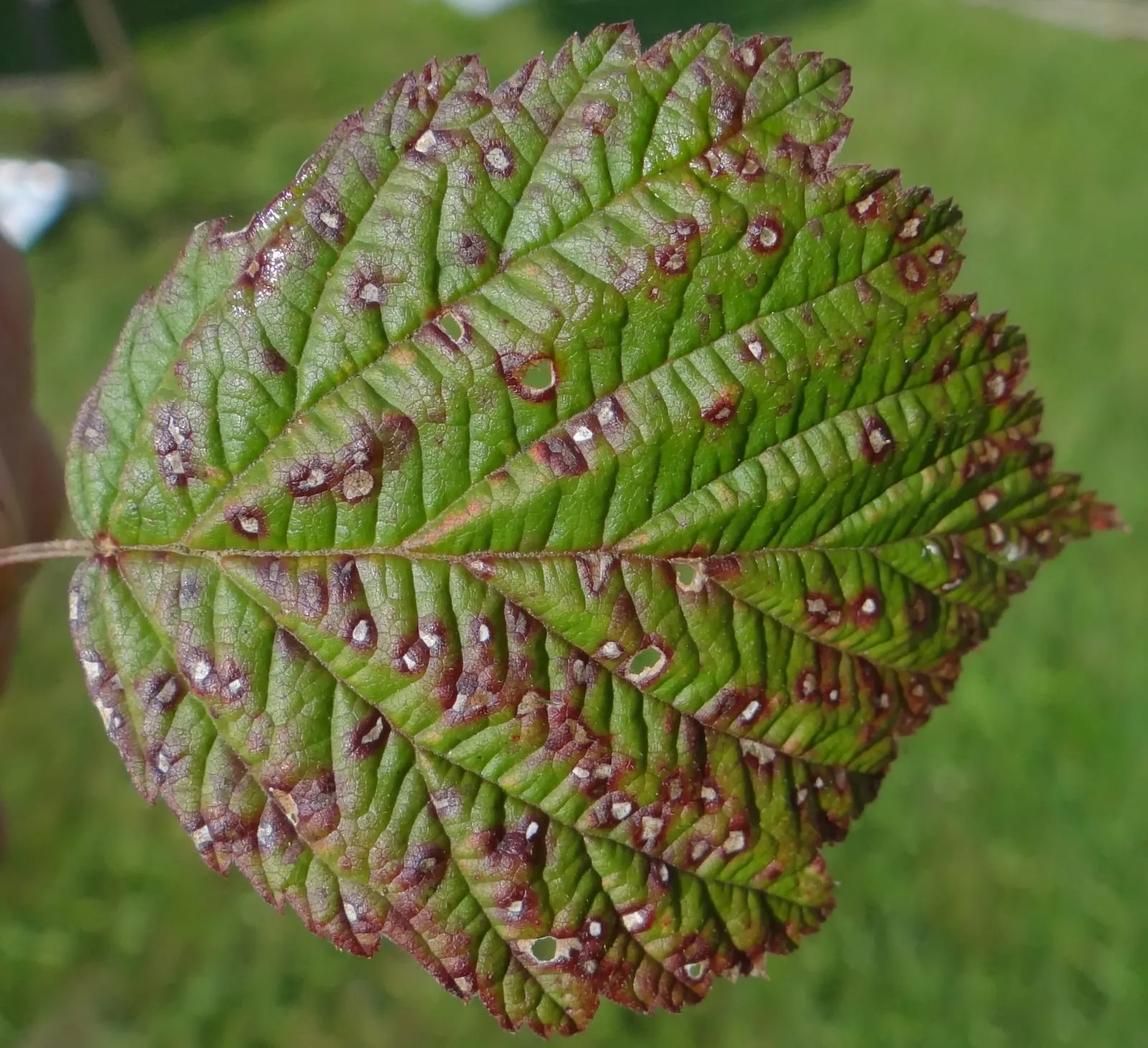
Elsinoe veneta
Fungal cane disease causing purple-bordered lesions that girdle and weaken bramble and Ribes canes, reducing yield over consecutive seasons.
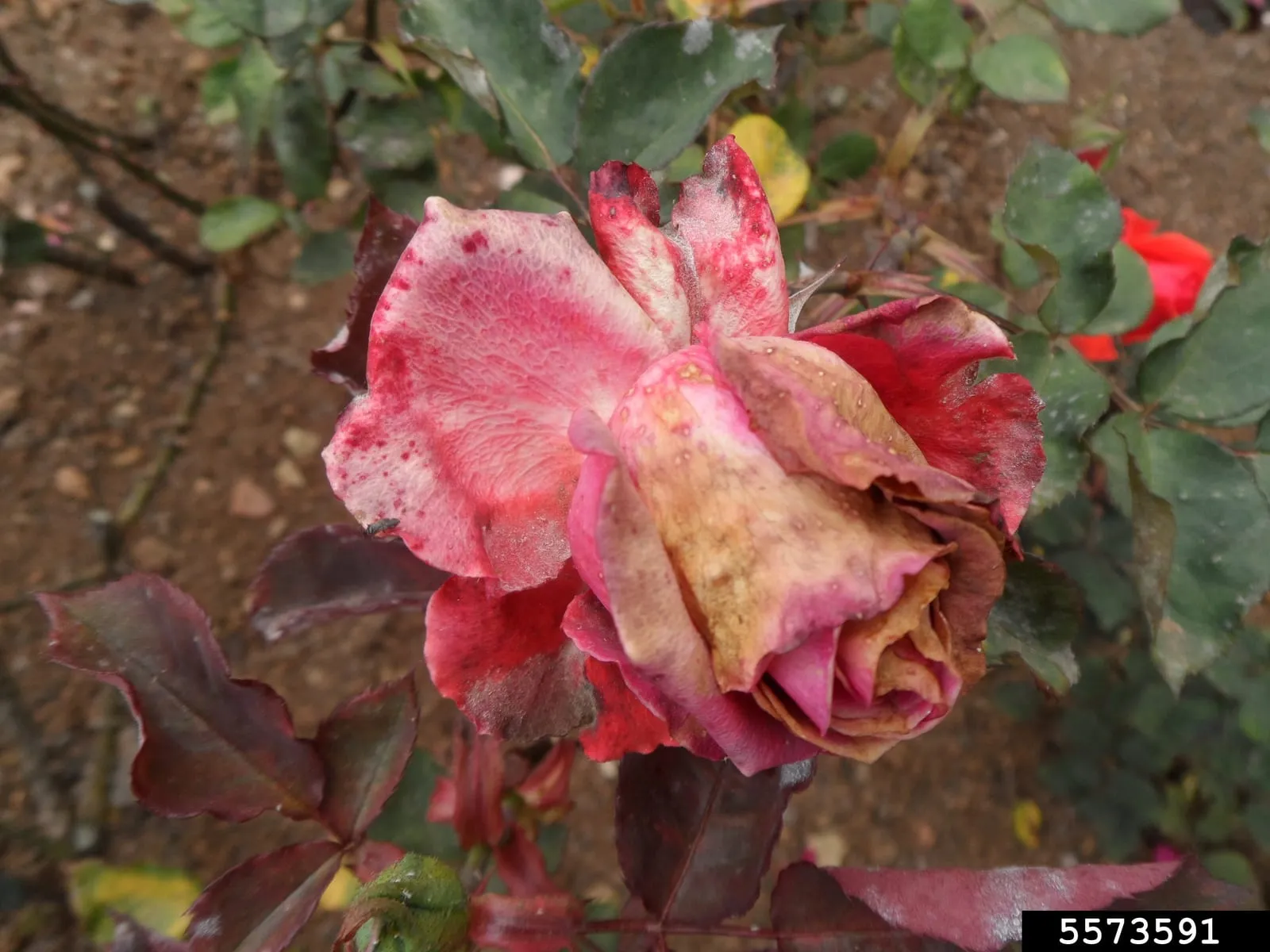
Botrytis cinerea
Ubiquitous fungal disease that causes fruit rot during cool wet weather, often the dominant berry disease in humid regions.
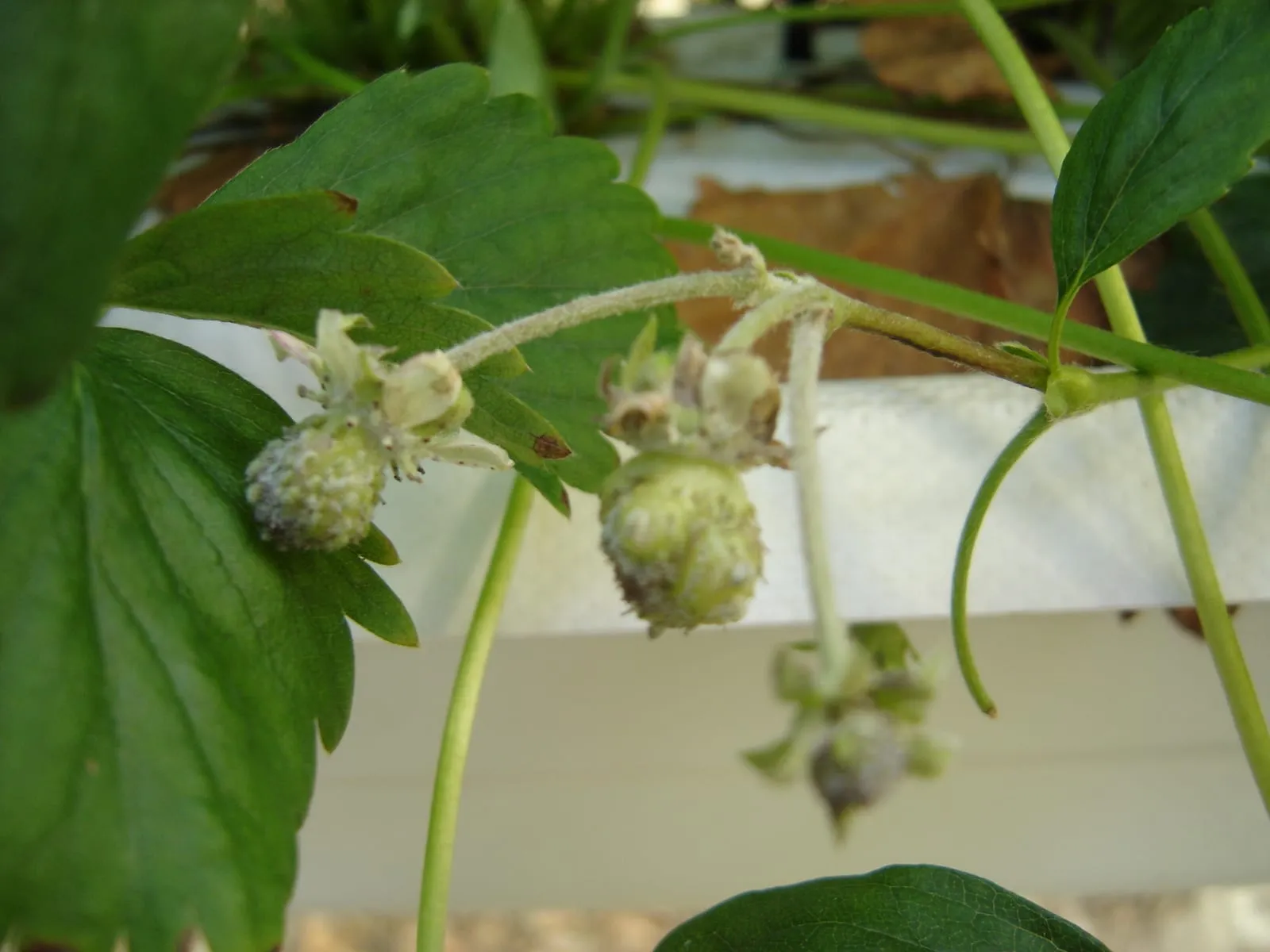
Podosphaera and Sphaerotheca species
Surface-feeding fungal disease producing white powdery growth on leaves and fruit, particularly damaging on gooseberries.
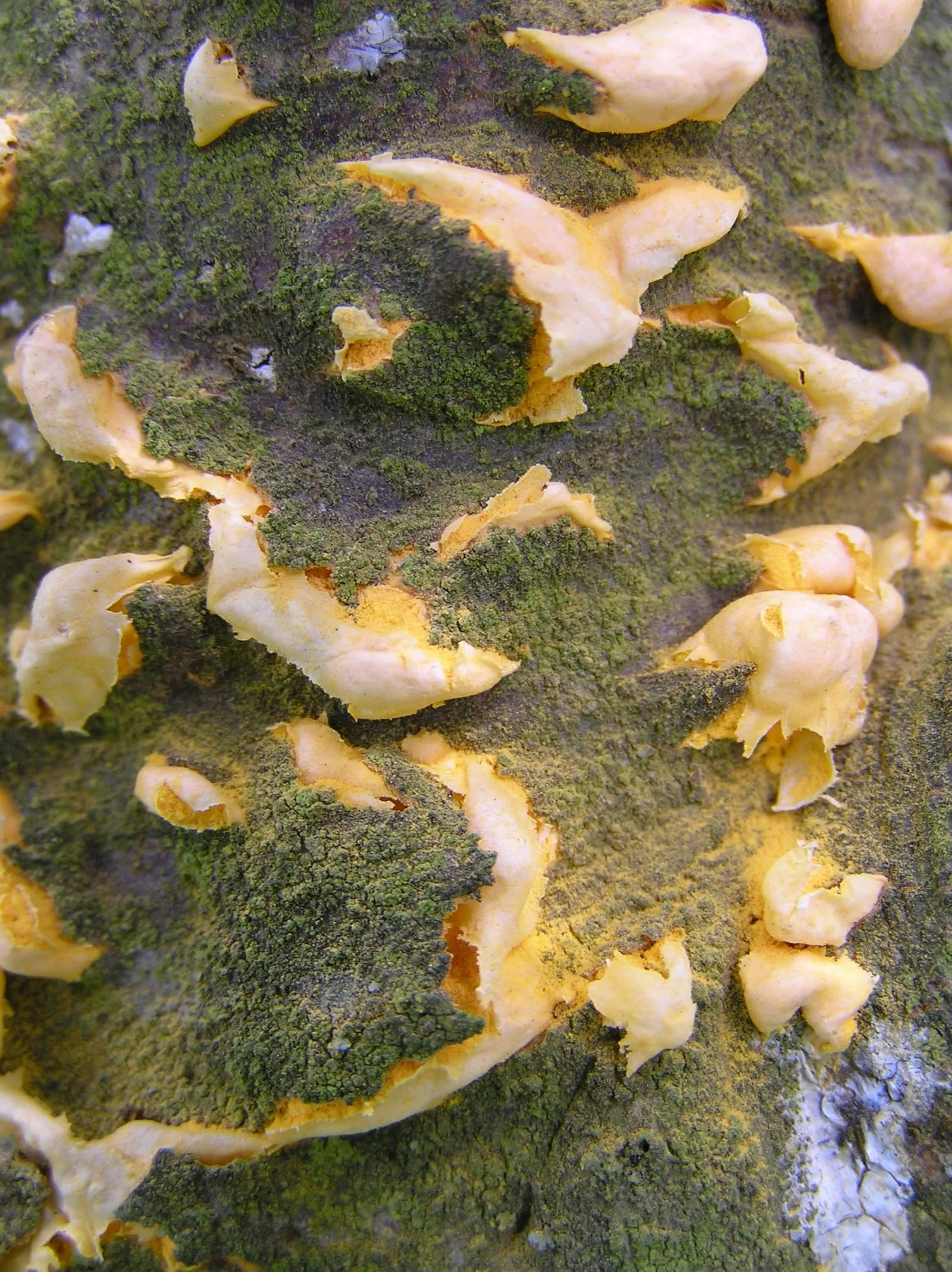
Cronartium ribicola
Two-host rust requiring both Ribes (currants and gooseberries) and white pines. Historically led to Ribes-planting bans in much of the US; some states still restrict black currant cultivation.
Common pests
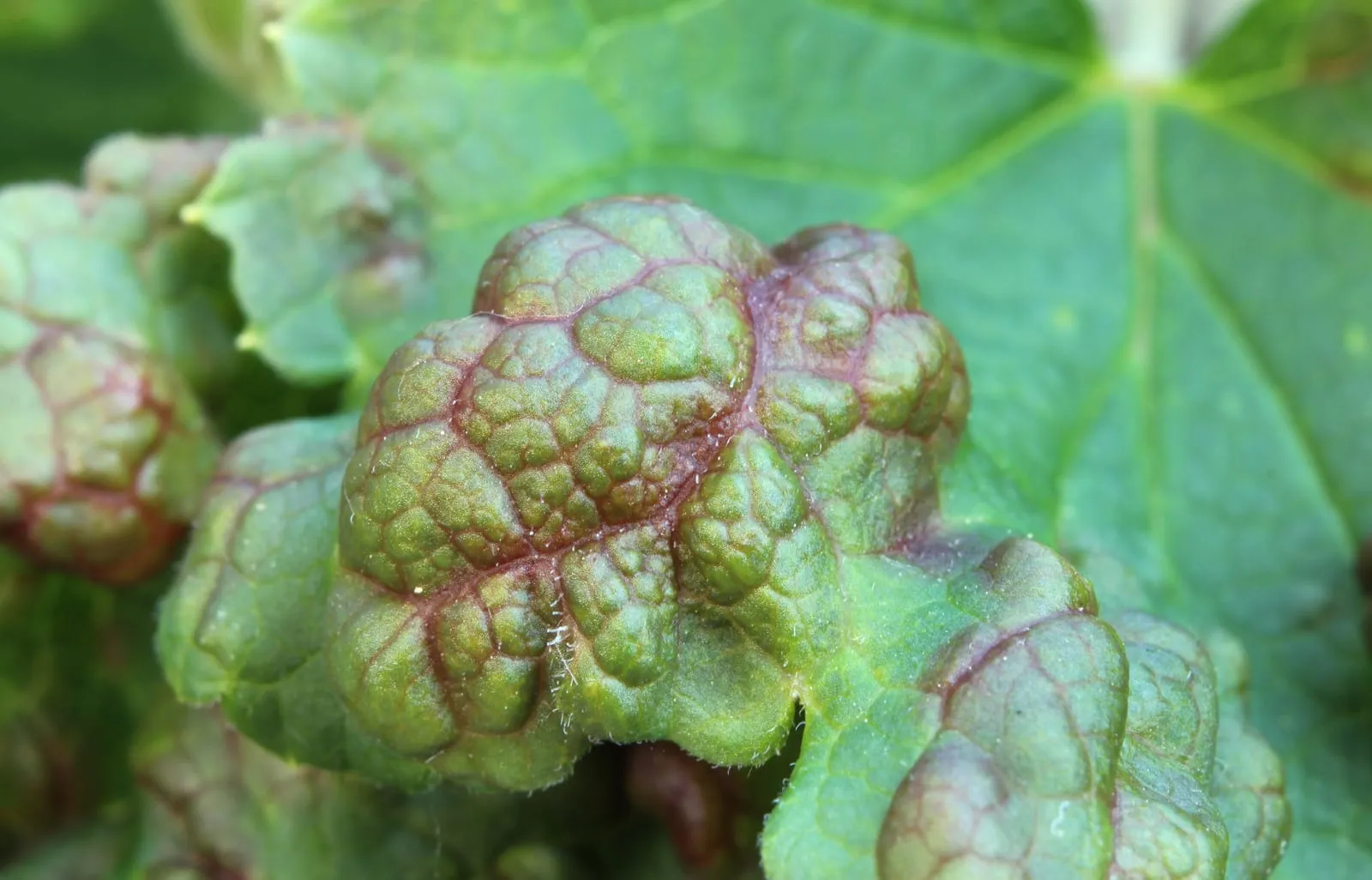
Cryptomyzus ribis
Sap-feeding aphid that causes characteristic red blistering on currant and gooseberry leaves in spring.
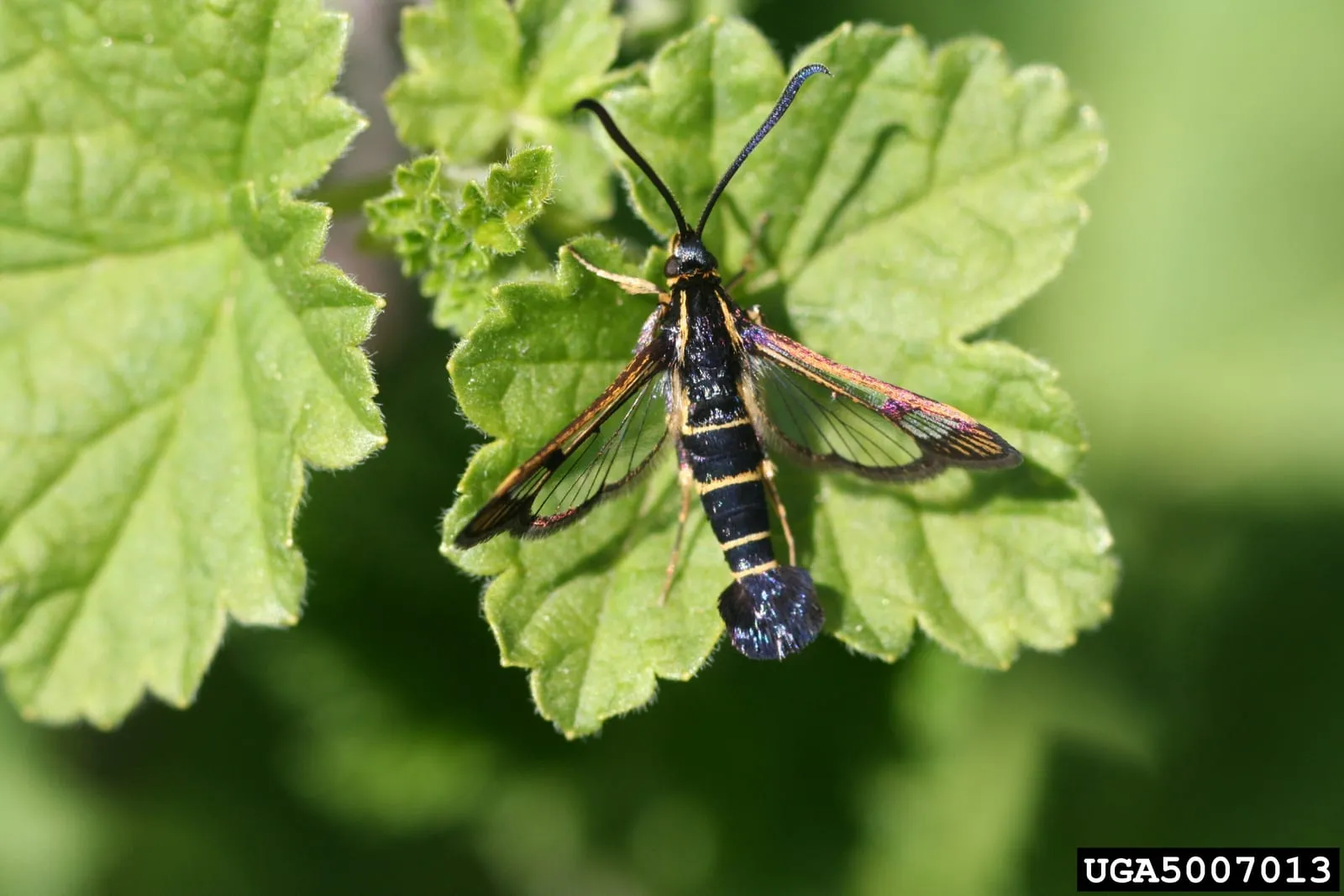
Synanthedon tipuliformis
Clearwing moth whose larvae tunnel inside currant and gooseberry canes, hollowing them out.
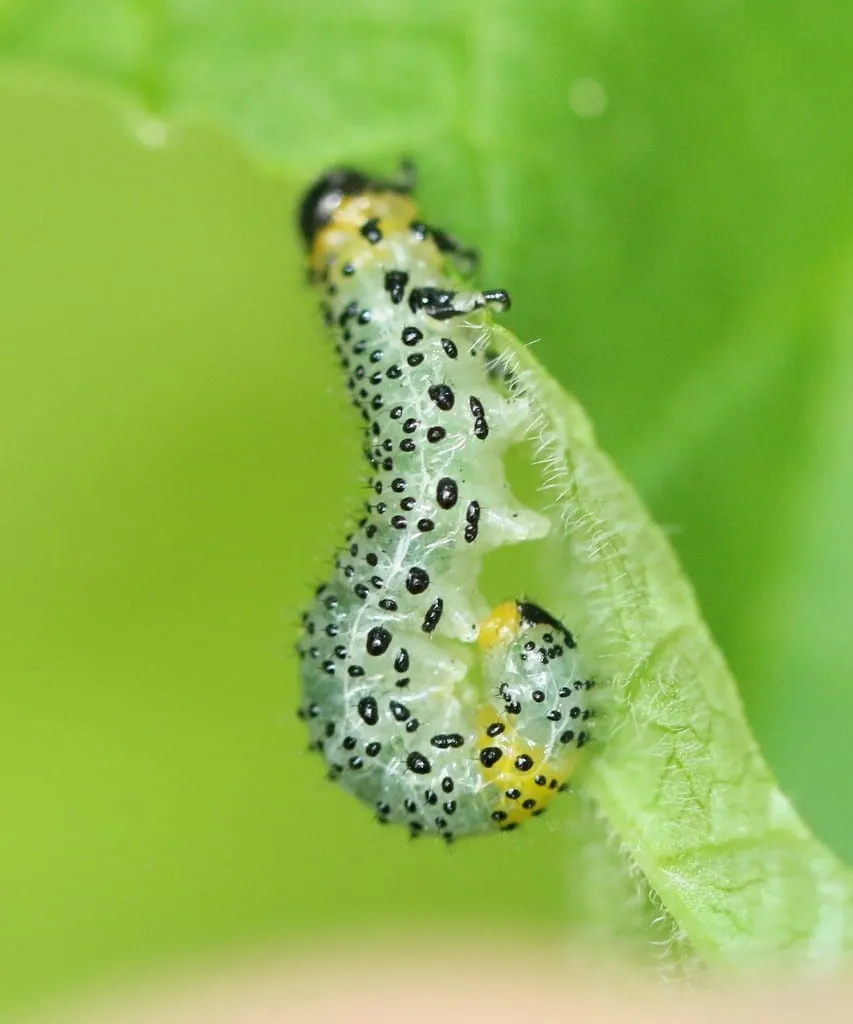
Nematus ribesii
Sawfly whose larvae can rapidly defoliate currant and gooseberry bushes, working from the inside of the bush outward.
Multiple species
Robins, catbirds, mockingbirds, starlings, cedar waxwings and other songbirds can strip ripening berry and fruit crops in days. Crows and blackbirds also damage fresh sweet corn ears in milk stage. The single biggest yield-loss factor in unprotected home plantings.
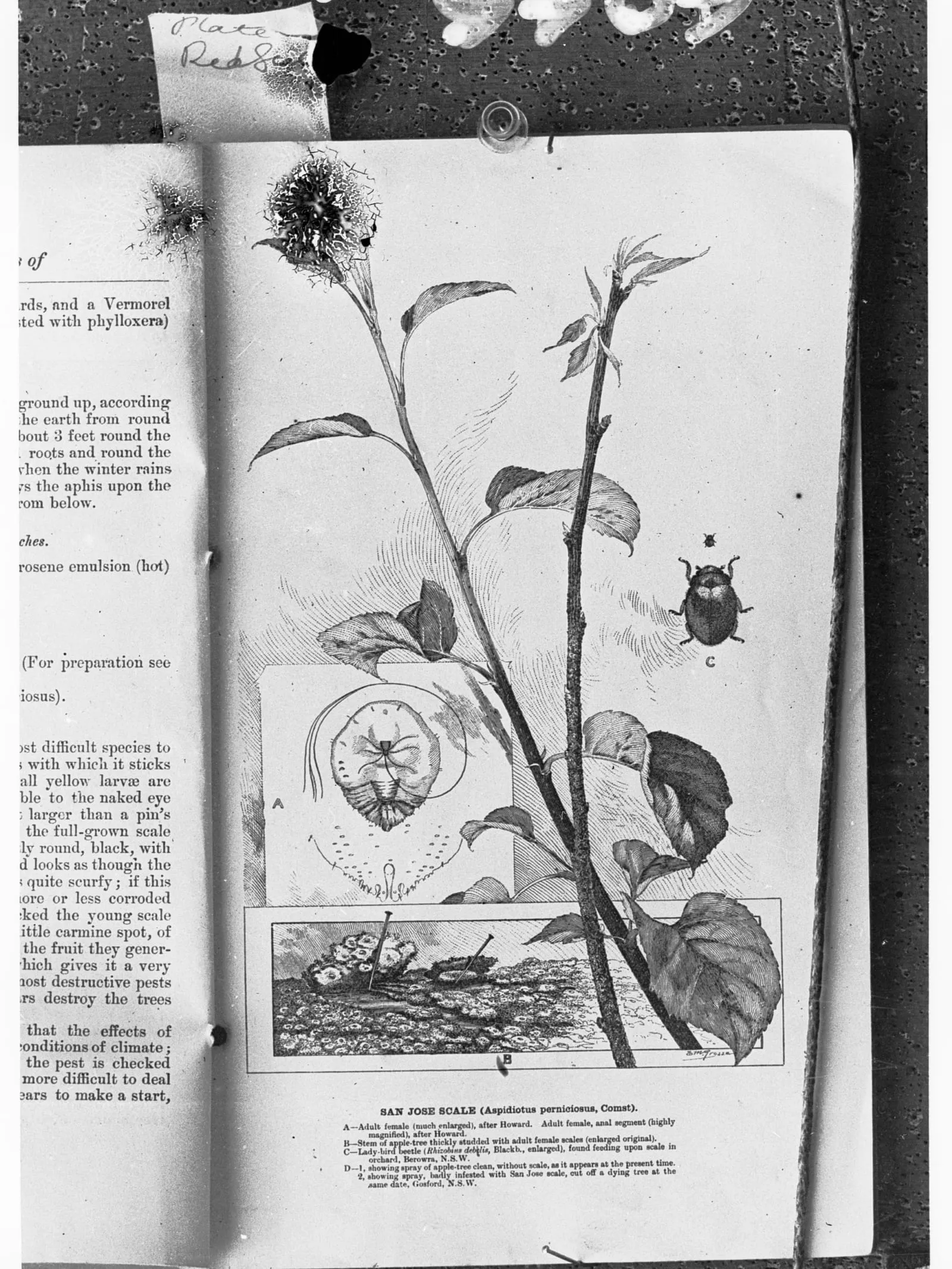
Quadraspidiotus perniciosus
Tiny armored scale insect that encrusts bark, branches, and fruit. Heavy infestations weaken trees and produce red haloed spots on fruit at harvest. Persistent year-over-year if not controlled.
Common challenges
The most consistent point of failure in home plantings is poor site selection that creates conditions for fungal disease. Red currant is susceptible to gray mold (Botrytis), berry powdery mildew, and cane anthracnose. All three intensify in stagnant air and wet foliage. Planting in a location with good airflow, maintaining open canopy structure through annual pruning, and avoiding overhead irrigation address the root cause more reliably than reactive fungicide applications.
The second common failure is planting in zones 6b or 7a without confirming sufficient chill accumulation. The 800-hour minimum is a threshold, not a comfortable target. Sites at the borderline tend to produce irregular flowering, reduced fruit set, and plants that decline progressively over several years. Growers at the southern edge of the viable range who cannot reliably accumulate 800 sub-45°F hours should consider black currant varieties, which tolerate warmer winters better.
White pine blister rust (Cronartium ribicola) is a separate concern worth checking before planting. Ribes species, including red currant, serve as an alternate host for this rust fungus, and some states restrict or prohibit currant planting in counties with significant white pine populations. Restrictions vary and have changed over the years. The Cornell Currant and Gooseberry guide covers current state-level regulations. Planting a restricted variety in a restricted area can result in mandated removal, so a quick check before ordering plants is worthwhile.
Companion plants
Frequently asked questions
- How many chill hours does red currant need?
Red currant requires 800 to 1,500 hours below 45°F during winter dormancy. The 800-hour figure is a minimum threshold; plants at the low end of that range tend to produce less reliably than those in higher-chill zones. Growers in zones 6b and 7a should verify their local chill accumulation before committing to a planting.
- How long does it take red currant to ripen after bloom?
Red currant typically takes 70 to 90 days from bloom to ripe fruit, depending on variety and seasonal temperatures. Early-ripening varieties such as Jonkheer van Tets fall toward the shorter end of that range; late-ripening Rovada extends toward 90 days. Harvest typically falls in early to midsummer across most of the viable zone range.
- What USDA zones can grow red currant?
Red currant is reliably productive in zones 3a through 7a. Zone 7a is the practical southern boundary, constrained by the 800-hour chill minimum. The crop is especially well-suited to the northern tier of the US, the Pacific Northwest, and the upper Midwest, where cool summers also reduce disease pressure.
- Does red currant need a pollinator?
Red currant is self-fertile and does not require a second variety to set fruit. A single bush will produce a full crop. Planting multiple varieties can marginally improve yield through cross-pollination, but it is not a requirement for a productive planting.
- What is the most common disease problem on red currant?
Gray mold (Botrytis cinerea) and berry powdery mildew are the most frequently encountered fungal diseases in home plantings. Both intensify in stagnant air and wet foliage. Adequate plant spacing, open canopy pruning, and avoiding overhead irrigation reduce pressure substantially. Cane anthracnose is also common and is managed primarily through removal of affected wood during dormant pruning.
- Are there legal restrictions on planting red currant?
In some states, planting Ribes species (including red currant) is restricted due to their role as an alternate host for white pine blister rust. Restrictions vary by county and state and have changed over the decades as rust-resistant white pine populations have expanded. The Cornell Currant and Gooseberry guide summarizes current state-level regulations.
- How long does a red currant plant remain productive?
With proper pruning and site management, red currant shrubs remain productive for 15 to 20 years. Annual removal of wood older than three years keeps yields strong; neglected bushes that are never pruned decline significantly within 5 to 8 years as old canes crowd out new growth.
+−
+−
+−
+−
+−
+−
+−
Sources
Image: "Grosello rojo (Ribes rubrum), Múnich, Alemania, 2012-06-07, DD 01", by Diego Delso, via Wikimedia Commons, licensed under CC-BY. Source.
,_M%C3%BAnich,_Alemania,_2012-06-07,_DD_01.jpg)
Red Currant by zone
Related