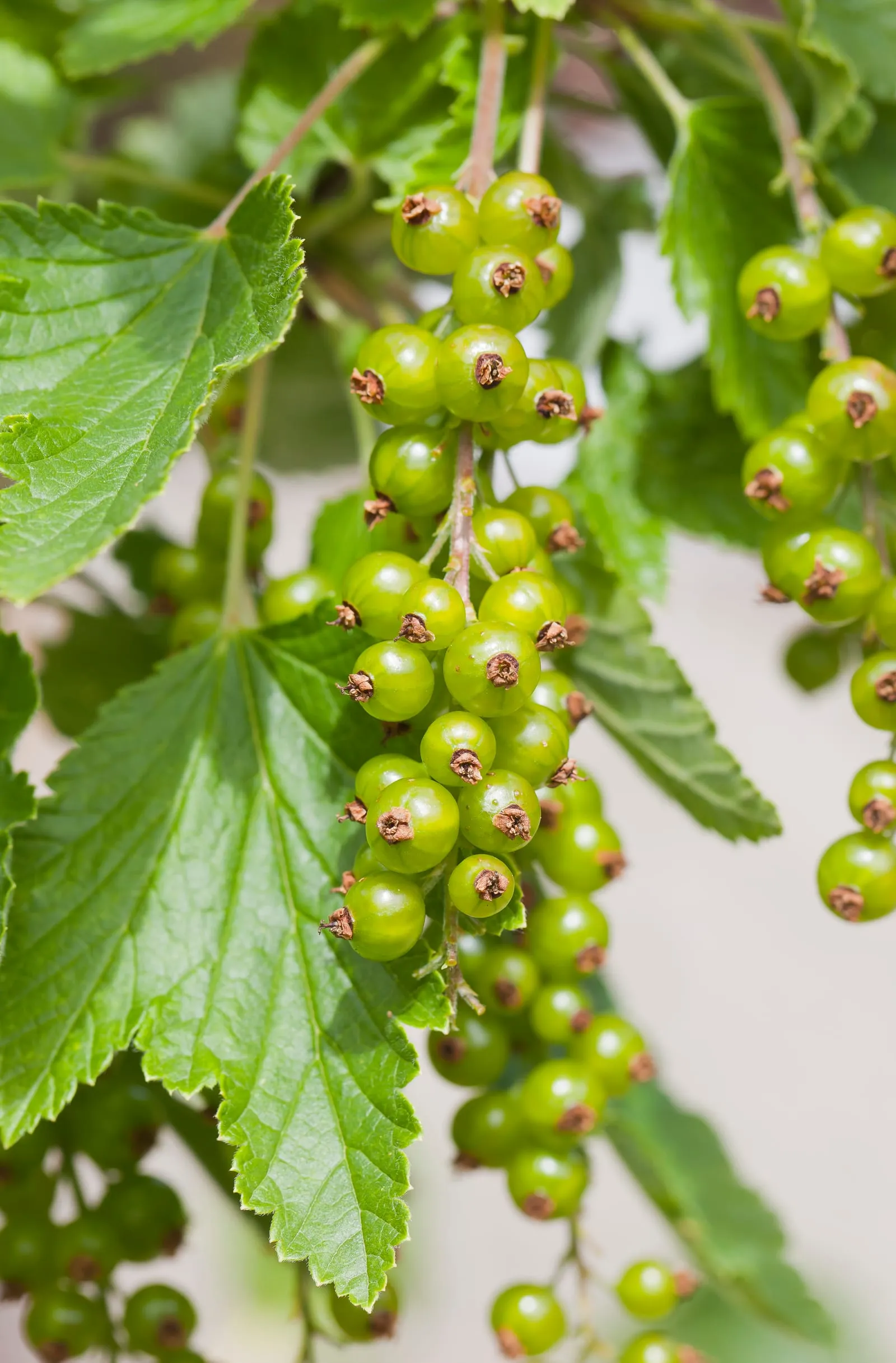
berry in zone 4a
Growing red currant in zone 4a
Ribes rubrum
- Zone
- 4a -30°F to -25°F
- Growing season
- 120 days
- Chill needed
- 800 to 1500 below 45°F
- Suitable varieties
- 4
- Days to harvest
- 70 to 90
The verdict
Zone 4a is a sweet spot for red currant, not a marginal one. The crop's chill-hour requirement of 800 to 1500 hours is reliably met by zone 4a winters, which push minimum temperatures to -30 to -25°F. Red currant canes are cold-hardy well below those thresholds, so winterkill is rarely the limiting factor here.
The 120-day growing season is sufficient for fruit development; red currants typically ripen 60 to 70 days after bloom, leaving a reasonable buffer before first fall frost. Varieties bred for cold-climate performance, including Red Lake and Rovada, have documented track records in zone 4 conditions. Jonkheer van Tets, an early-ripening Dutch selection, takes advantage of the shorter season by finishing fruit set before summer heat peaks.
The main constraint is not hardiness but late spring frosts that intersect with the crop's early bloom window, a recognized challenge throughout zone 4a.
Recommended varieties for zone 4a
4 cultivars suited to this zone, with disease-resistance and zone-fit annotations.
| Variety | Notes | Zone fit | Disease resistance |
|---|---|---|---|
| Red Lake fits zone 4a | Tart, bright, translucent red berries in long strigs; the classic jelly and preserve currant, defines red-currant flavor. Productive heritage variety, easy harvest. | | none noted |
| Jonkheer van Tets fits zone 4a | Tart, large bright red berries in long strigs; jelly, juice, fresh with sugar. Early-ripening Dutch variety, very productive, mildew-resistant. | | none noted |
| Rovada fits zone 4a | Tart, large firm berries on extra-long strigs; jelly, juice, dessert with cream. Late-ripening Dutch variety, easiest harvest of any currant, disease-resistant. | | none noted |
| Cherry Currant fits zone 4a | Sweet-tart, large dark red berries; jelly and dessert, sweetest of the red currants. Old European variety with rich flavor. | | none noted |
Critical timing for zone 4a
Red currant blooms early relative to most fruiting shrubs, typically in late April to early May in zone 4a. That timing puts flowers squarely in the zone's late-frost window, where events below 28°F after petal break can reduce or eliminate the season's crop.
Harvest in zone 4a generally falls between late June and mid-July, depending on variety. Jonkheer van Tets tends to ripen earliest; Rovada runs later and extends the harvest window by a week or more. The 120-day growing season is not the bottleneck, and fruit development rarely races the first fall frost. The risk is concentrated at the front end of the season, during the two to three weeks when flowers are open.
Common challenges in zone 4a
- ▸ Late frosts damage early bloomers
- ▸ Limited peach varieties
Disease pressure to watch for
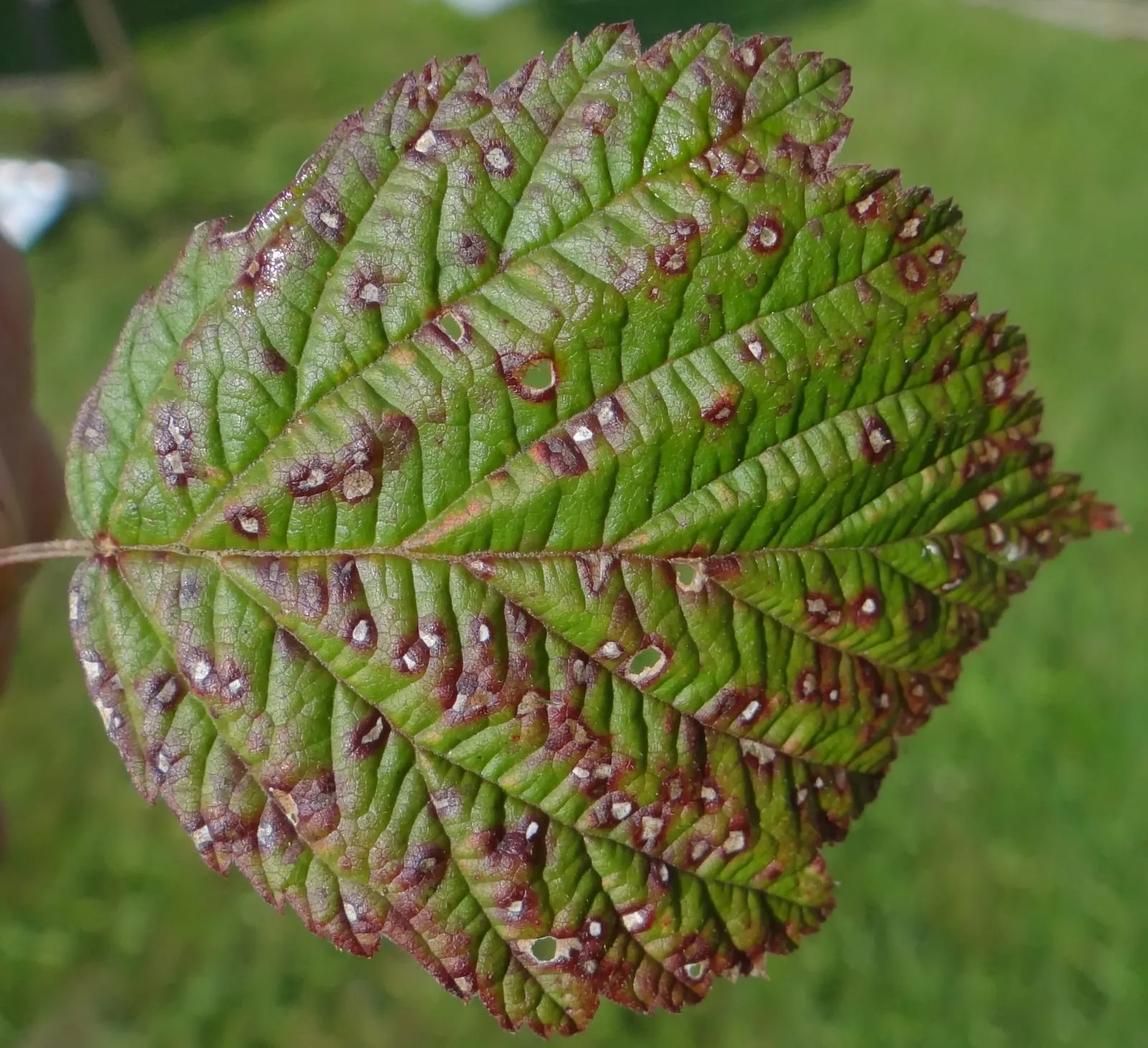
Elsinoe veneta
Fungal cane disease causing purple-bordered lesions that girdle and weaken bramble and Ribes canes, reducing yield over consecutive seasons.
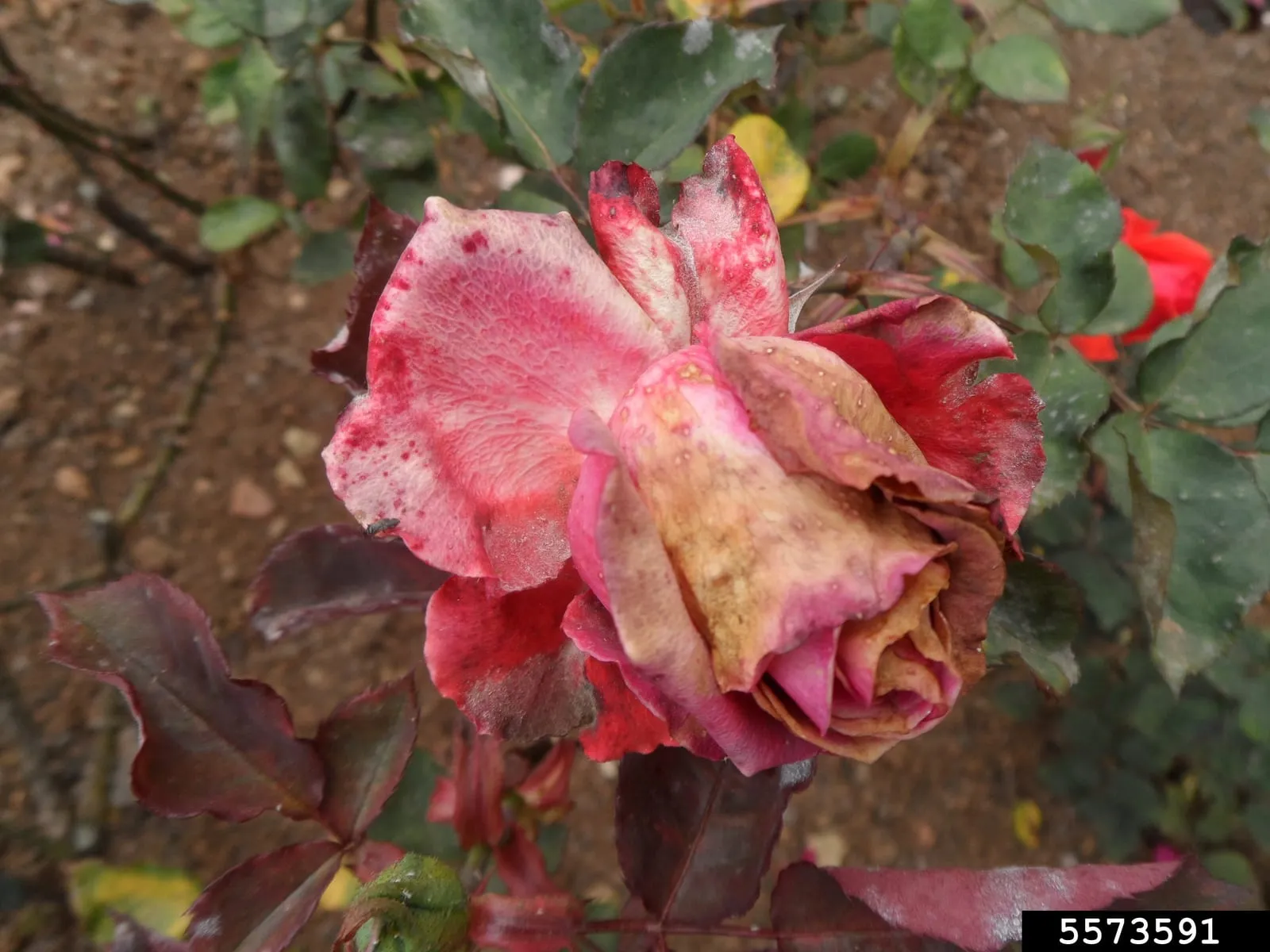
Botrytis cinerea
Ubiquitous fungal disease that causes fruit rot during cool wet weather, often the dominant berry disease in humid regions.
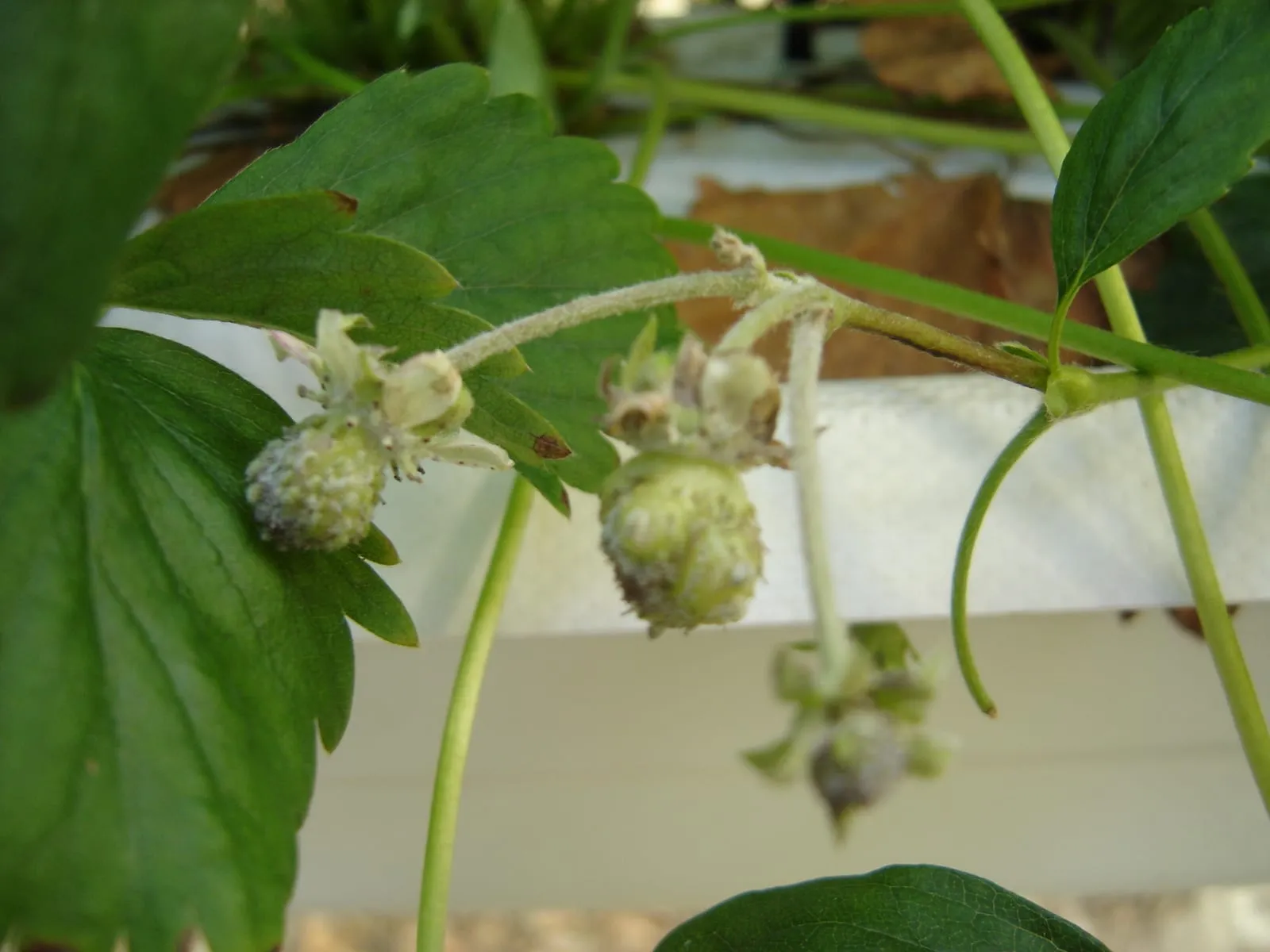
Podosphaera and Sphaerotheca species
Surface-feeding fungal disease producing white powdery growth on leaves and fruit, particularly damaging on gooseberries.
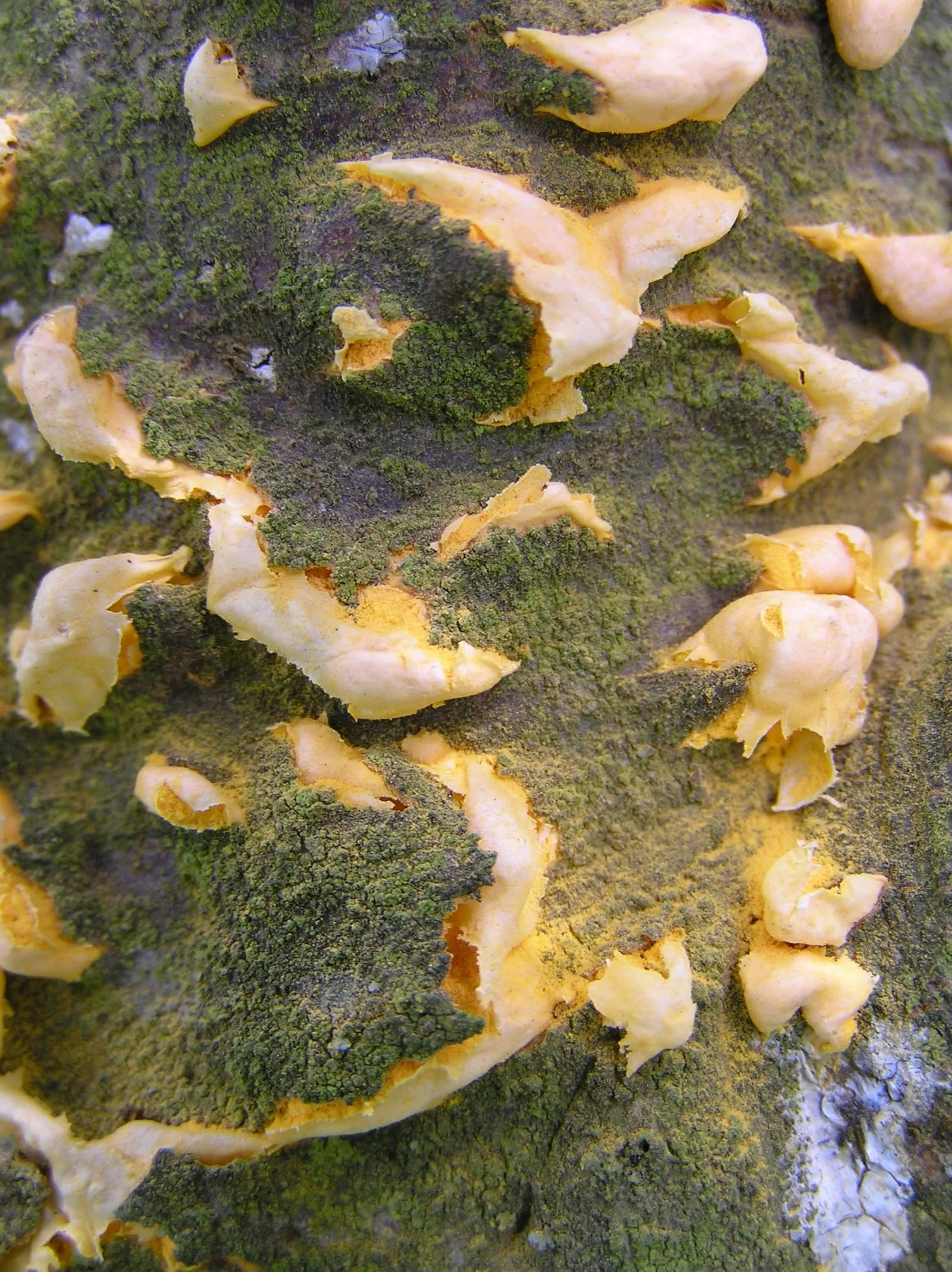
Cronartium ribicola
Two-host rust requiring both Ribes (currants and gooseberries) and white pines. Historically led to Ribes-planting bans in much of the US; some states still restrict black currant cultivation.
Modified care for zone 4a
Standard red currant culture requires only targeted adjustments in zone 4a. Mulching the root zone with 3 to 4 inches of wood chips or straw helps moderate freeze-thaw cycling in late winter, though established canes seldom need additional protection.
White Pine Blister Rust (Cronartium ribicola) warrants particular attention in zone 4a, where white pine is common in surrounding landscapes. The pathogen requires an alternate host in the Ribes genus to complete its life cycle. Siting plantings at least 300 feet from white pine stands reduces risk; inspect leaf undersides each summer for orange, blister-like pustules.
Gray Mold (Botrytis) is favored by the cool, wet springs typical of zone 4a. Pruning for open canopy structure and avoiding overhead irrigation during ripening are the primary controls. Infected canes from Cane Anthracnose should be removed and destroyed rather than left in the planting.
Red Currant in adjacent zones
Image: "Grosello rojo (Ribes rubrum), Múnich, Alemania, 2012-06-07, DD 01", by Diego Delso, via Wikimedia Commons, licensed under CC-BY Source.
,_M%C3%BAnich,_Alemania,_2012-06-07,_DD_01.jpg)
Related