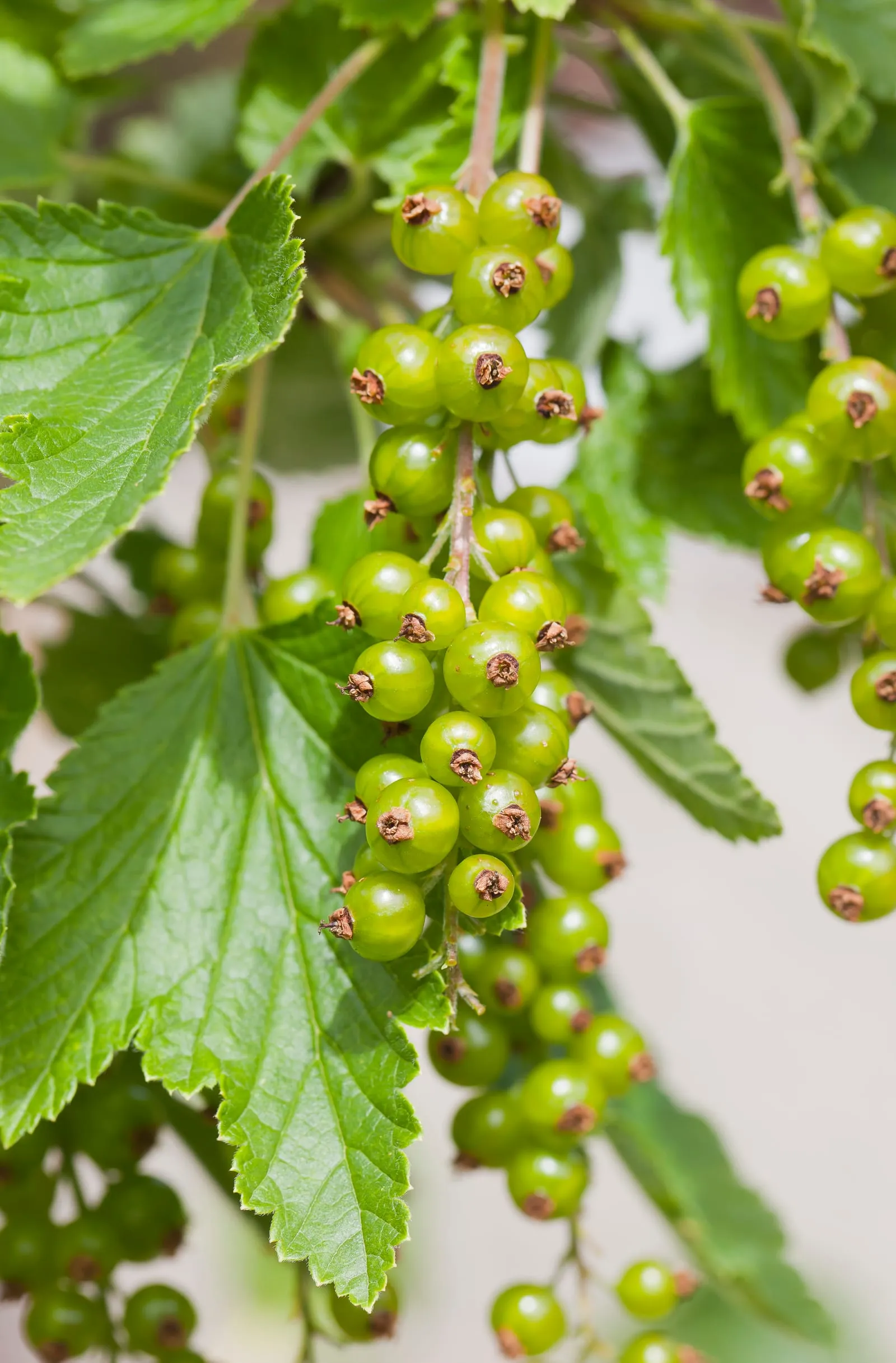
berry in zone 4b
Growing red currant in zone 4b
Ribes rubrum
- Zone
- 4b -25°F to -20°F
- Growing season
- 130 days
- Chill needed
- 800 to 1500 below 45°F
- Suitable varieties
- 4
- Days to harvest
- 70 to 90
The verdict
Zone 4b sits well within red currant's preferred chill-hour range. The crop requires 800 to 1,500 hours below 45°F to break dormancy reliably, and zone 4b winters accumulate that total comfortably, often exceeding 1,200 hours across most of the zone. This is not a marginal situation; for red currant, zone 4b is close to ideal from a chill standpoint.
The genuine risk in zone 4b is spring frost timing, not winter cold. Red currant blooms early, sometimes before the last hard freeze has cleared, and open flowers are damaged at temperatures below 28°F. A poorly timed late April or early May frost can reduce fruit set substantially even when the plants themselves come through winter without injury.
Cane berry winter dieback is a common zone 4b concern for raspberries and blackberries, but red currant is considerably hardier than either. Established plants tolerate the zone's minimum temperatures of -25 to -20°F without significant structural damage when planted in a sheltered site.
Recommended varieties for zone 4b
4 cultivars suited to this zone, with disease-resistance and zone-fit annotations.
| Variety | Notes | Zone fit | Disease resistance |
|---|---|---|---|
| Red Lake fits zone 4b | Tart, bright, translucent red berries in long strigs; the classic jelly and preserve currant, defines red-currant flavor. Productive heritage variety, easy harvest. | | none noted |
| Jonkheer van Tets fits zone 4b | Tart, large bright red berries in long strigs; jelly, juice, fresh with sugar. Early-ripening Dutch variety, very productive, mildew-resistant. | | none noted |
| Rovada fits zone 4b | Tart, large firm berries on extra-long strigs; jelly, juice, dessert with cream. Late-ripening Dutch variety, easiest harvest of any currant, disease-resistant. | | none noted |
| Cherry Currant fits zone 4b | Sweet-tart, large dark red berries; jelly and dessert, sweetest of the red currants. Old European variety with rich flavor. | | none noted |
Critical timing for zone 4b
In zone 4b, red currant typically breaks bud in late April and reaches full bloom by early to mid-May. Last frost dates across zone 4b commonly run through mid-May, which means the bloom window and the frost risk window overlap directly. A single night below 28°F during open bloom can cause significant flower drop and reduce the season's yield.
Harvest falls in late June through mid-July for most varieties. Rovada, the latest-ripening of the compatible selections, can extend harvest into late July. The zone's 130-day growing season provides adequate time for fruit to develop fully before the first fall frost, which typically arrives in late September to early October across most of zone 4b.
Common challenges in zone 4b
- ▸ Spring frost timing
- ▸ Apple scab pressure
- ▸ Cane berry winter dieback
Disease pressure to watch for
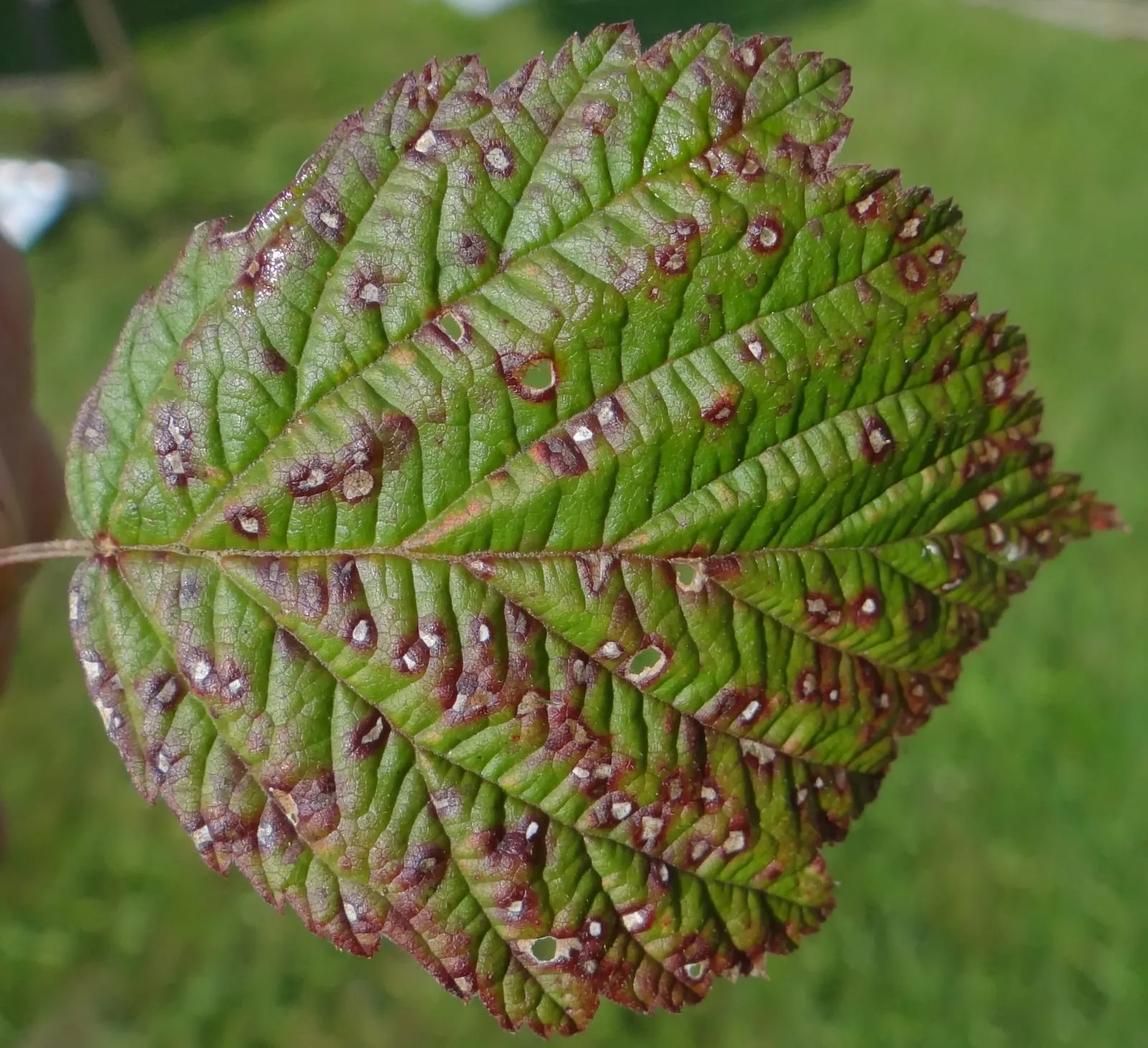
Elsinoe veneta
Fungal cane disease causing purple-bordered lesions that girdle and weaken bramble and Ribes canes, reducing yield over consecutive seasons.
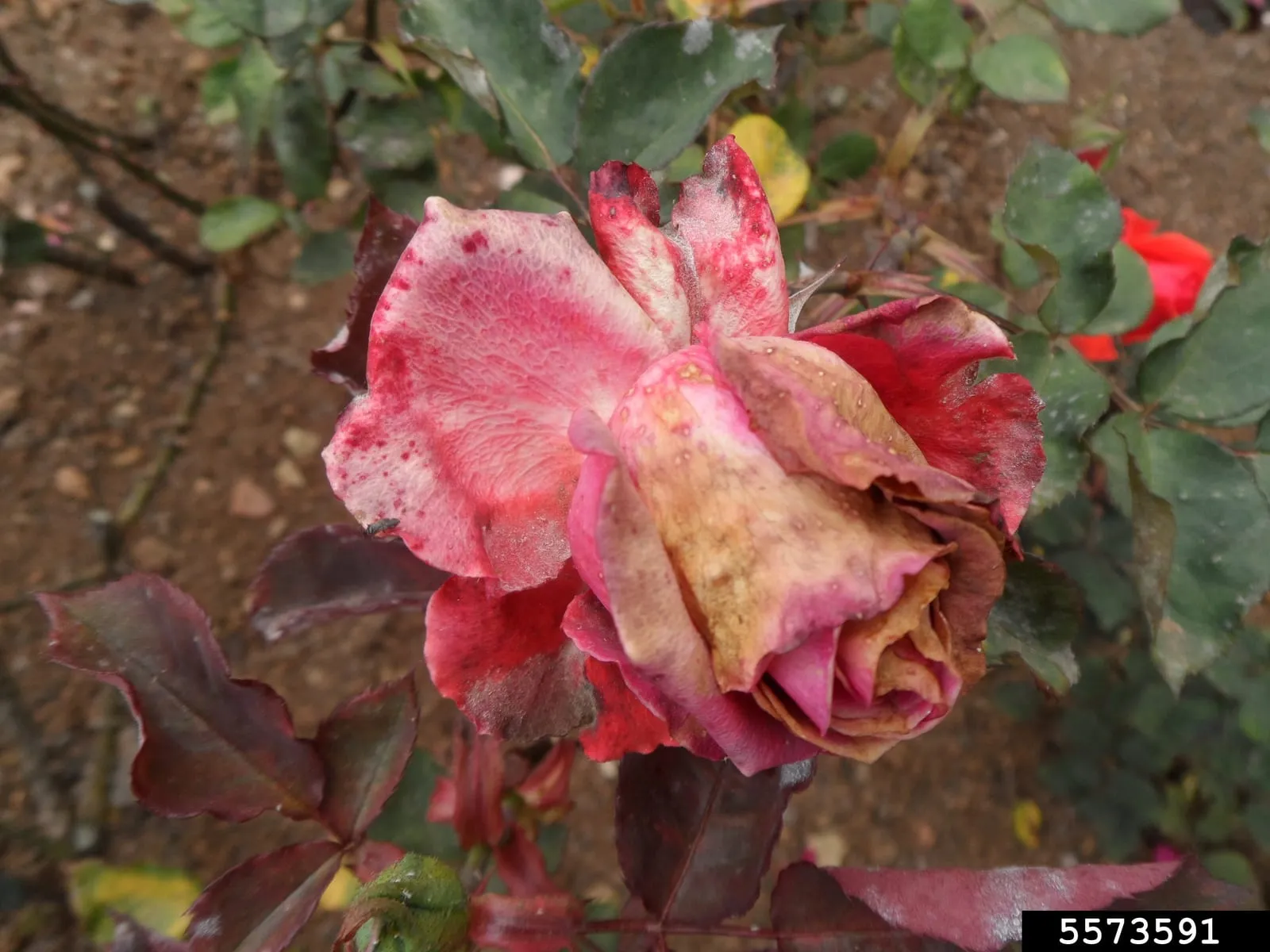
Botrytis cinerea
Ubiquitous fungal disease that causes fruit rot during cool wet weather, often the dominant berry disease in humid regions.
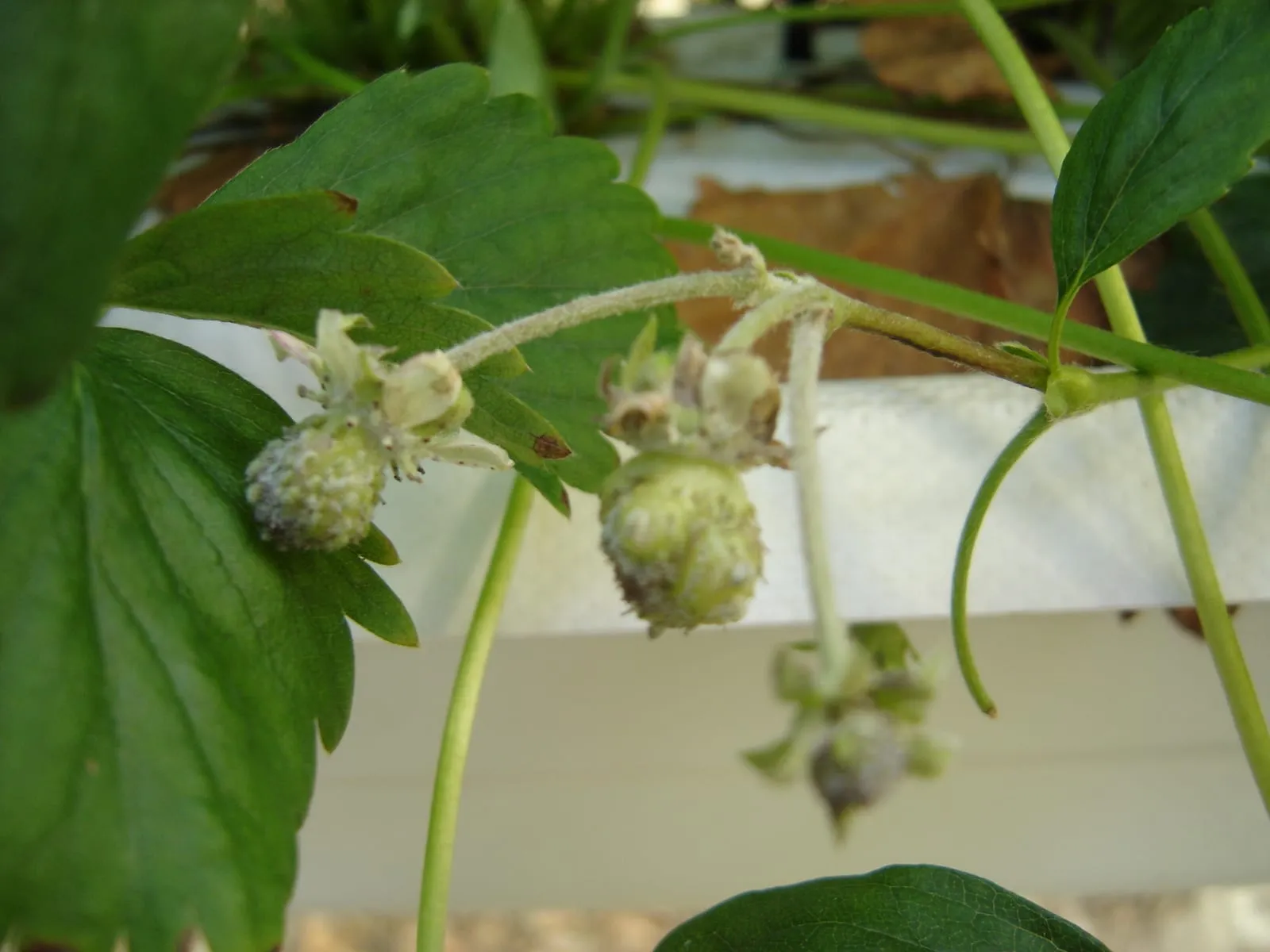
Podosphaera and Sphaerotheca species
Surface-feeding fungal disease producing white powdery growth on leaves and fruit, particularly damaging on gooseberries.
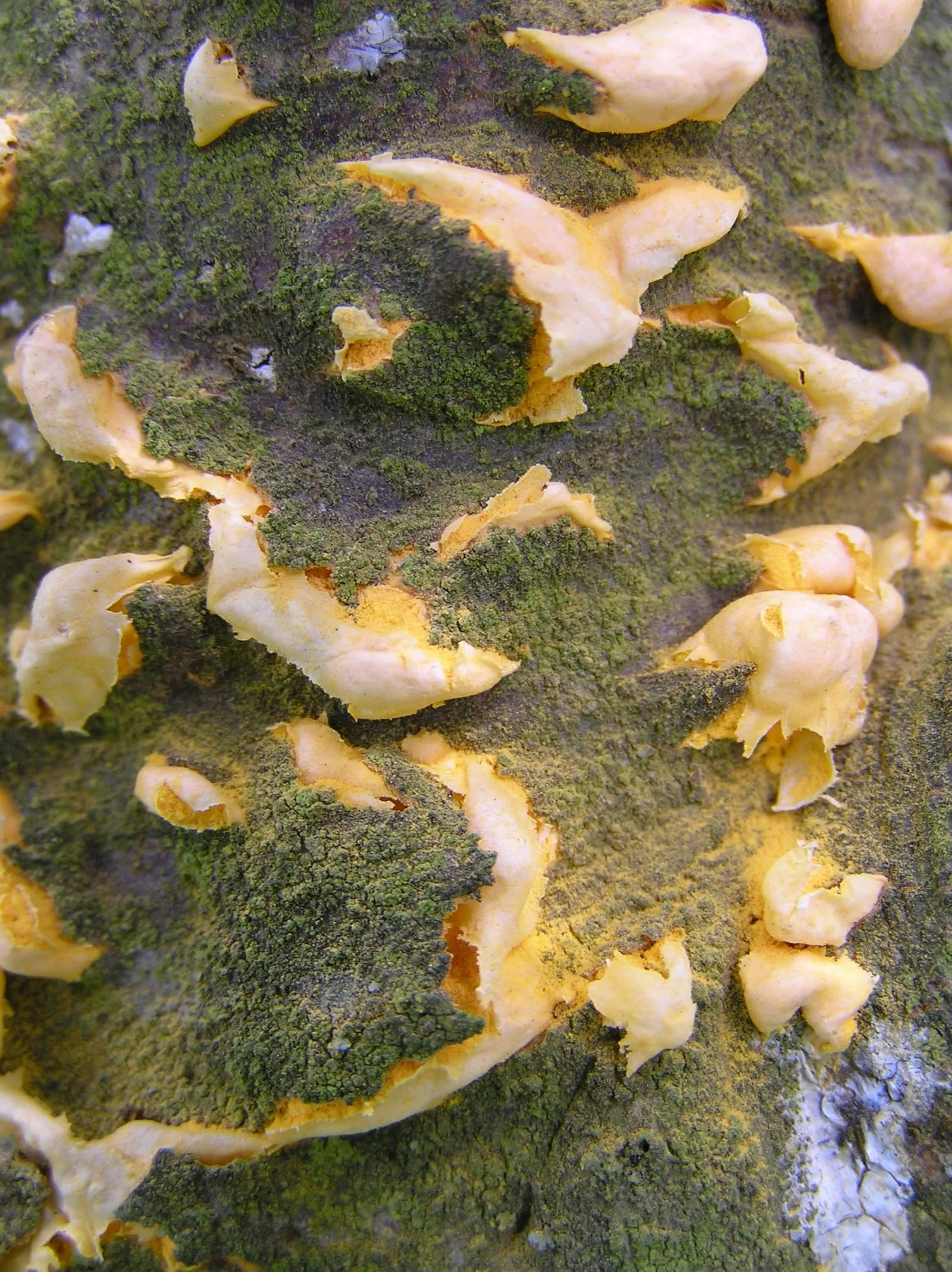
Cronartium ribicola
Two-host rust requiring both Ribes (currants and gooseberries) and white pines. Historically led to Ribes-planting bans in much of the US; some states still restrict black currant cultivation.
Modified care for zone 4b
The most effective adaptation in zone 4b is deliberate siting. Planting on a north-facing slope or in a location with natural shade in early spring delays bud break by 5 to 10 days, which can push bloom past the most dangerous frost window. Floating row cover applied during forecast frost events at open bloom provides direct protection when siting alone is insufficient.
White pine blister rust is a significant concern wherever five-needled pines grow nearby, and zone 4b includes substantial five-needled pine habitat across the northern tier. Maintaining a separation of several hundred feet from host trees, or selecting varieties with documented rust tolerance, reduces infection risk substantially.
Cane anthracnose and gray mold both favor the cool, wet springs common in zone 4b. Pruning for an open canopy and ensuring good air drainage around plantings lowers humidity at the fruiting zone, reducing conditions both pathogens require to establish.
Red Currant in adjacent zones
Image: "Grosello rojo (Ribes rubrum), Múnich, Alemania, 2012-06-07, DD 01", by Diego Delso, via Wikimedia Commons, licensed under CC-BY Source.
,_M%C3%BAnich,_Alemania,_2012-06-07,_DD_01.jpg)
Related