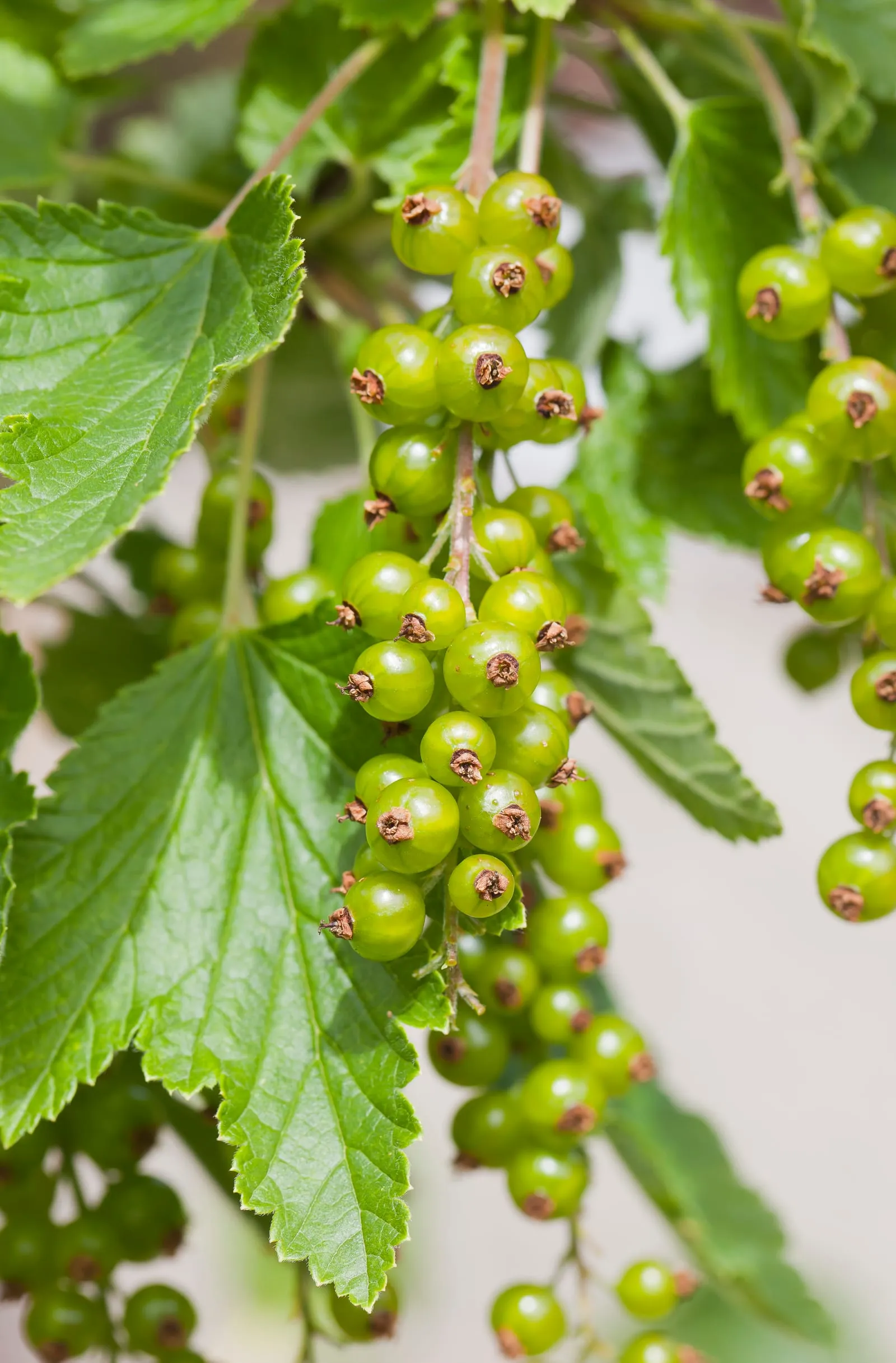
berry in zone 5a
Growing red currant in zone 5a
Ribes rubrum
- Zone
- 5a -20°F to -15°F
- Growing season
- 150 days
- Chill needed
- 800 to 1500 below 45°F
- Suitable varieties
- 4
- Days to harvest
- 70 to 90
The verdict
Zone 5a is a reliable fit for red currant, and in most respects a sweet spot. The crop requires 800 to 1,500 chill hours annually; zone 5a winters consistently deliver that range with margin to spare. Cold hardiness is not a limiting factor: red currant survives minimum temperatures well below the -20 to -15°F floor of zone 5a, so winter dieback is rarely the problem here that it is in milder zones where chill accumulation runs short.
The 150-day growing season aligns comfortably with red currant's relatively compact development arc. Fruit ripens and can be harvested well before the first autumn frost closes the season. Growers who have struggled with red currant in zone 6 or warmer will find zone 5a considerably more forgiving from a climate-matching standpoint. The main variable is site selection: a low frost pocket that traps cold air in spring will undercut an otherwise suitable zone.
Recommended varieties for zone 5a
4 cultivars suited to this zone, with disease-resistance and zone-fit annotations.
| Variety | Notes | Zone fit | Disease resistance |
|---|---|---|---|
| Red Lake fits zone 5a | Tart, bright, translucent red berries in long strigs; the classic jelly and preserve currant, defines red-currant flavor. Productive heritage variety, easy harvest. | | none noted |
| Jonkheer van Tets fits zone 5a | Tart, large bright red berries in long strigs; jelly, juice, fresh with sugar. Early-ripening Dutch variety, very productive, mildew-resistant. | | none noted |
| Rovada fits zone 5a | Tart, large firm berries on extra-long strigs; jelly, juice, dessert with cream. Late-ripening Dutch variety, easiest harvest of any currant, disease-resistant. | | none noted |
| Cherry Currant fits zone 5a | Sweet-tart, large dark red berries; jelly and dessert, sweetest of the red currants. Old European variety with rich flavor. | | none noted |
Critical timing for zone 5a
Red currant blooms early, typically late April in zone 5a, before most other fruiting plants. That timing creates a meaningful collision with late spring frosts, which remain a genuine threat through late April or early May across much of the zone. A single hard frost at petal-fall can eliminate most of the crop for that year.
Harvest falls in mid to late July under typical zone 5a conditions. The window from bloom to ripe fruit runs roughly 80 to 90 days, which is one reason the crop fits the 150-day season with ease. Growers tracking their local last-frost date should pay particular attention to years when a warm March accelerates budbreak: an early start does not guarantee an early end to frost risk.
Common challenges in zone 5a
- ▸ Fire blight in pears
- ▸ Cedar-apple rust
- ▸ Late spring frosts
Disease pressure to watch for
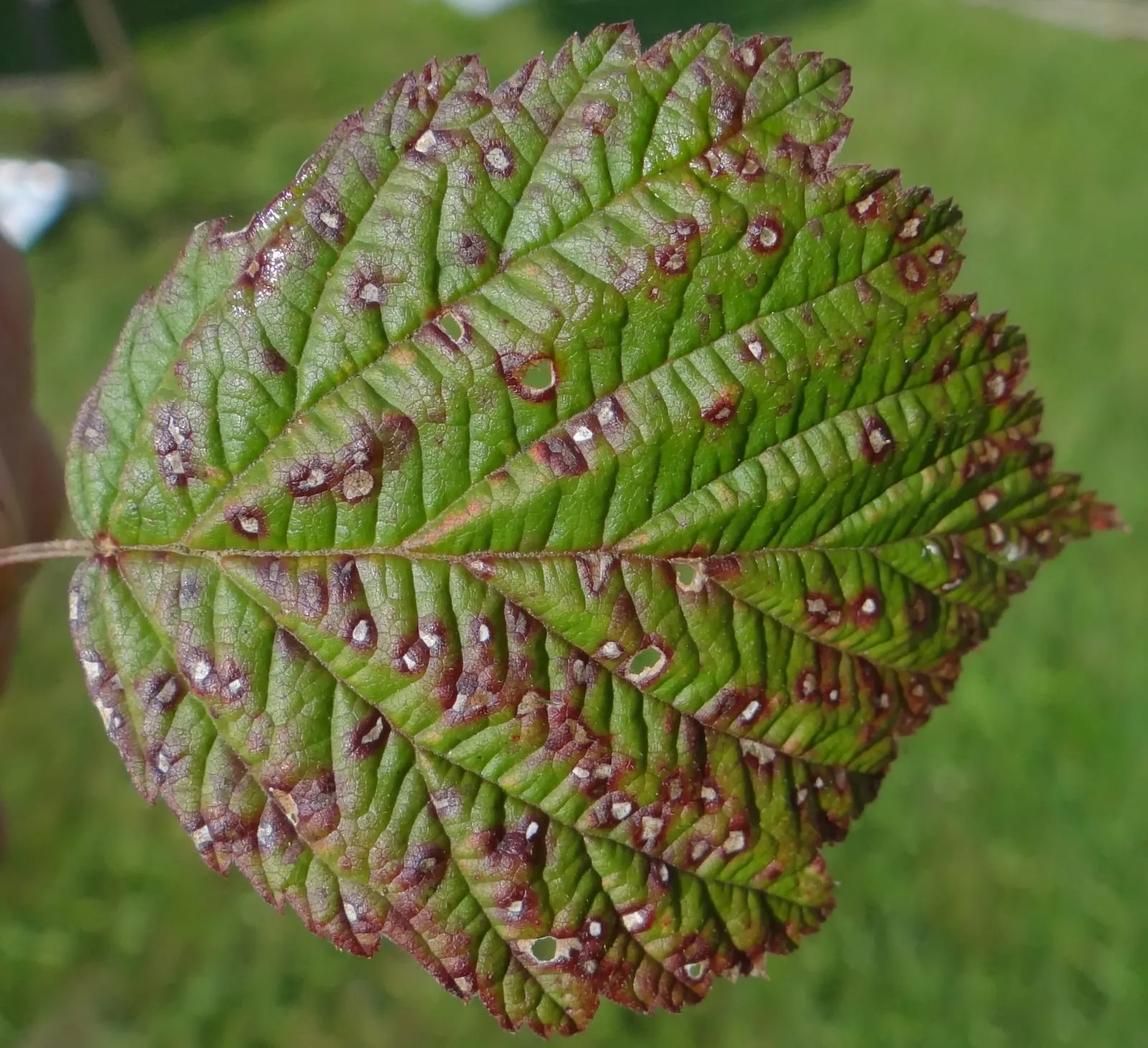
Elsinoe veneta
Fungal cane disease causing purple-bordered lesions that girdle and weaken bramble and Ribes canes, reducing yield over consecutive seasons.
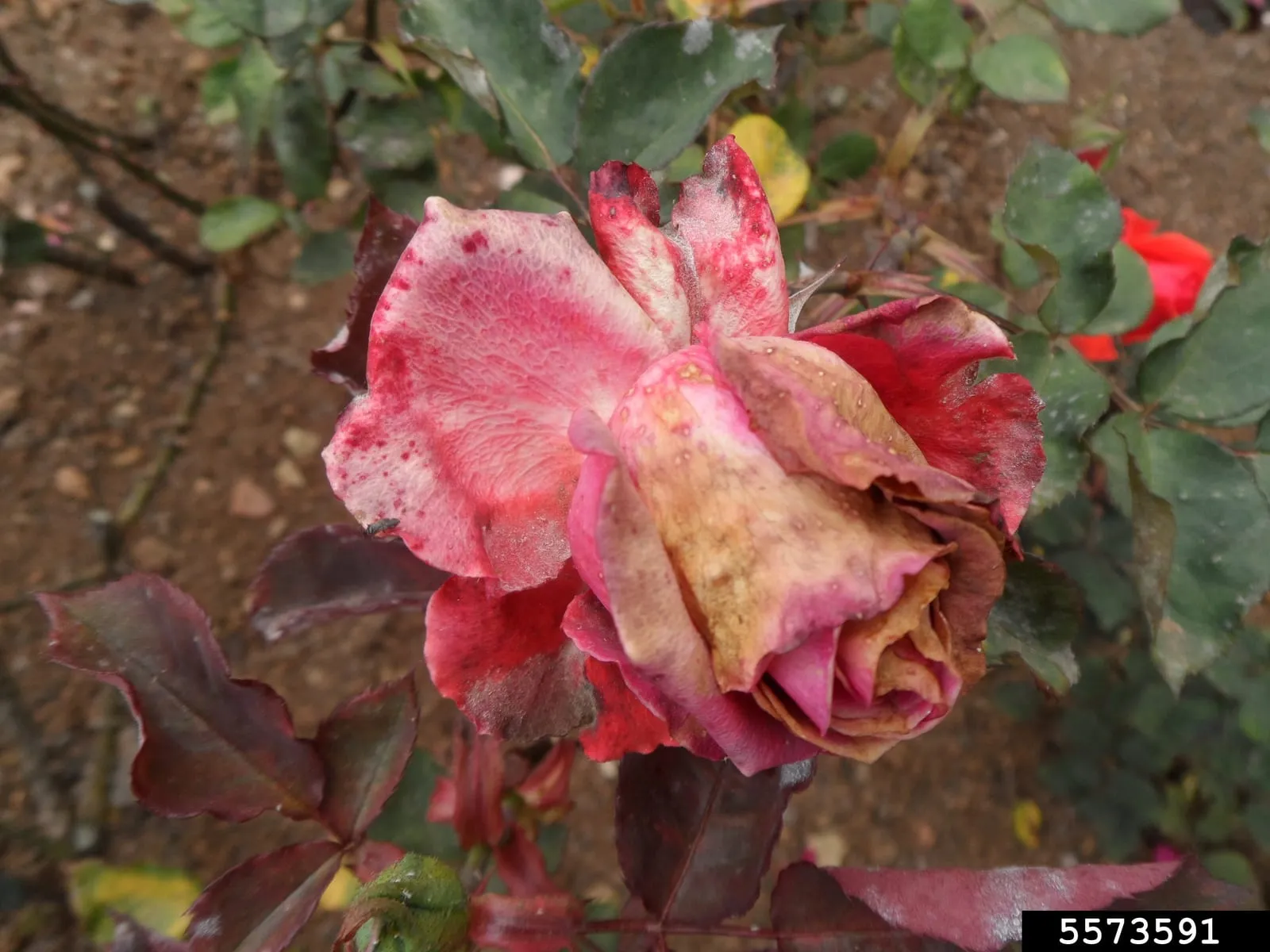
Botrytis cinerea
Ubiquitous fungal disease that causes fruit rot during cool wet weather, often the dominant berry disease in humid regions.
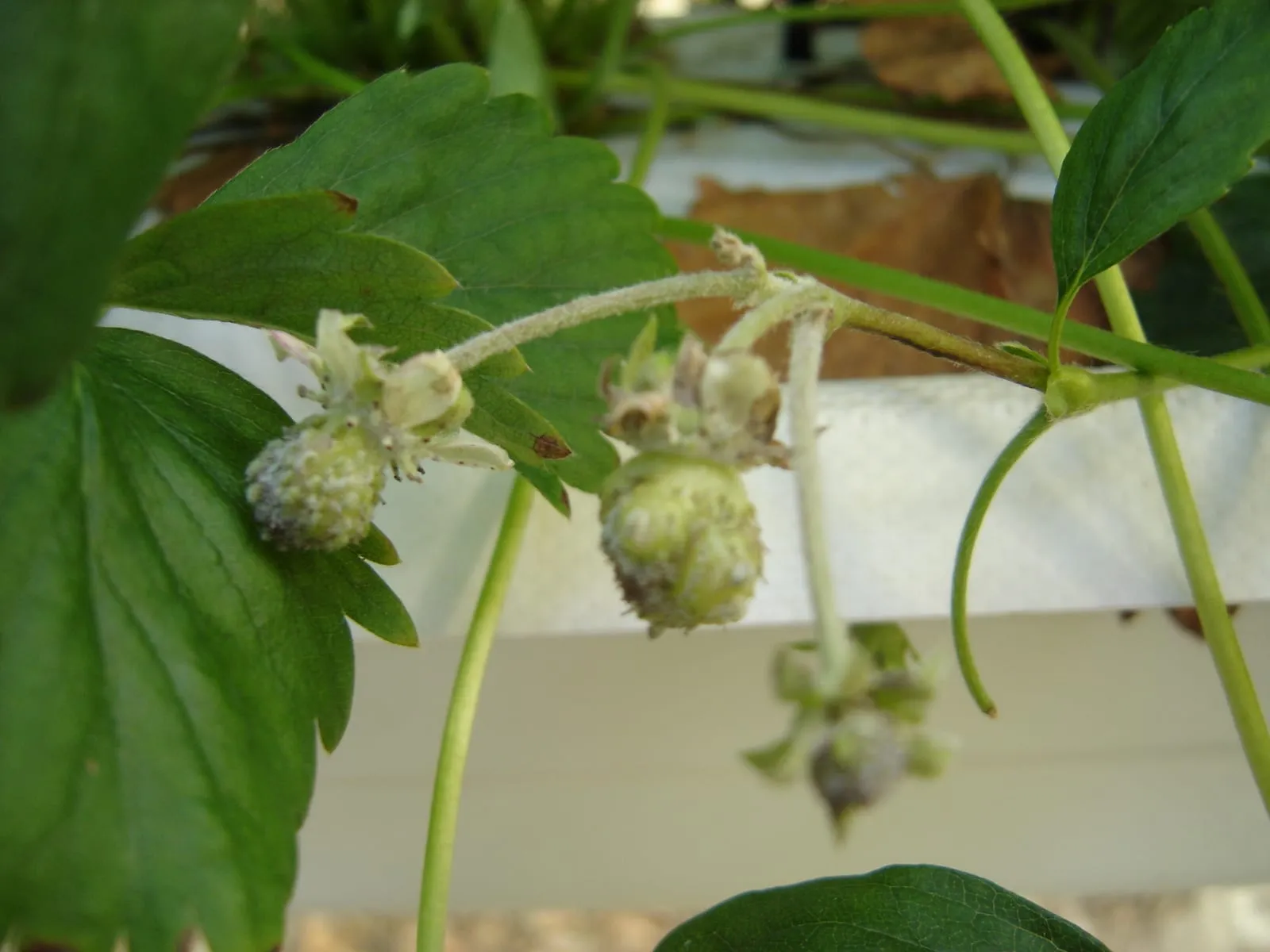
Podosphaera and Sphaerotheca species
Surface-feeding fungal disease producing white powdery growth on leaves and fruit, particularly damaging on gooseberries.
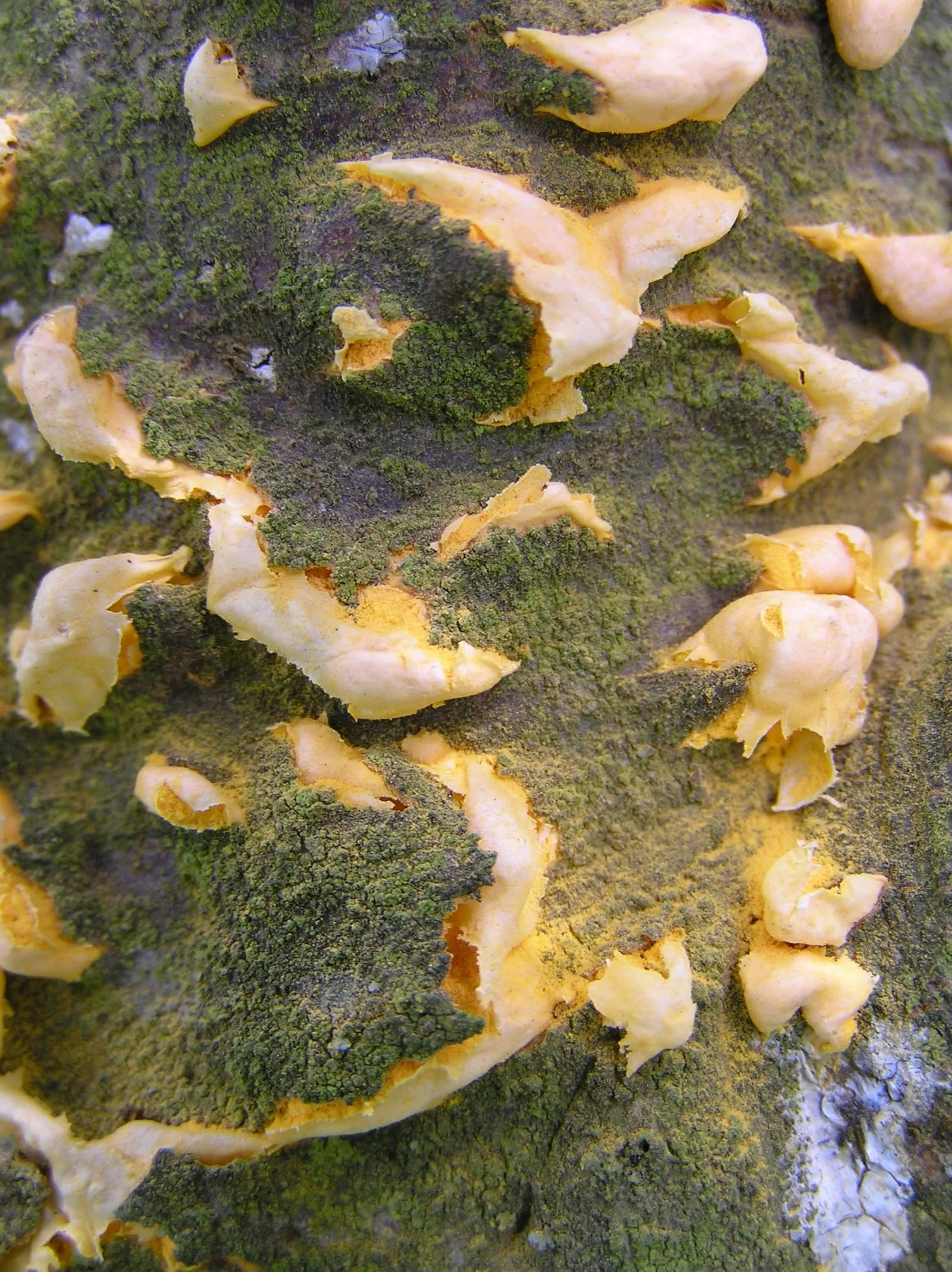
Cronartium ribicola
Two-host rust requiring both Ribes (currants and gooseberries) and white pines. Historically led to Ribes-planting bans in much of the US; some states still restrict black currant cultivation.
Modified care for zone 5a
The primary disease concern in zone 5a that warrants extra attention is White Pine Blister Rust, caused by Cronartium ribicola. Several states restrict or prohibit Ribes planting within a set distance of white pine stands; verify local regulations before siting a planting. Among the compatible varieties, Rovada and Red Lake have shown reasonable field tolerance, though no variety offers complete resistance.
Winter protection of the crown is rarely necessary given the crop's cold hardiness, but mulching the root zone in the first two winters helps establish root systems before they face the full stress of a -20°F event. Air circulation matters more in zone 5a than in drier climates: Gray Mold (Botrytis) and Berry Powdery Mildew both escalate in humid spring conditions common to the eastern half of the zone. Prune for an open vase structure and avoid overhead irrigation during fruit development.
Frequently asked questions
- Does zone 5a provide enough chill hours for red currant?
Yes. Red currant requires 800 to 1,500 chill hours, and zone 5a winters routinely exceed the lower threshold. Cold is not a constraint here; the -20 to -15°F minimum temperatures are well within the crop's hardiness range.
- Which red currant varieties perform best in zone 5a?
Red Lake is widely planted across the upper Midwest and performs reliably in zone 5a. Rovada ripens later and tends to produce larger, more clustered fruit. Jonkheer van Tets is an early variety, which increases frost-intercept risk in a late-spring zone.
- Does White Pine Blister Rust affect where red currant can be planted in zone 5a?
It can. White Pine Blister Rust uses Ribes species as an alternate host, and some states within the zone 5a range have restrictions on currant planting near white pine stands. Check with your state's department of agriculture before choosing a site.
+−
+−
+−
Red Currant in adjacent zones
Image: "Grosello rojo (Ribes rubrum), Múnich, Alemania, 2012-06-07, DD 01", by Diego Delso, via Wikimedia Commons, licensed under CC-BY Source.
,_M%C3%BAnich,_Alemania,_2012-06-07,_DD_01.jpg)
Related