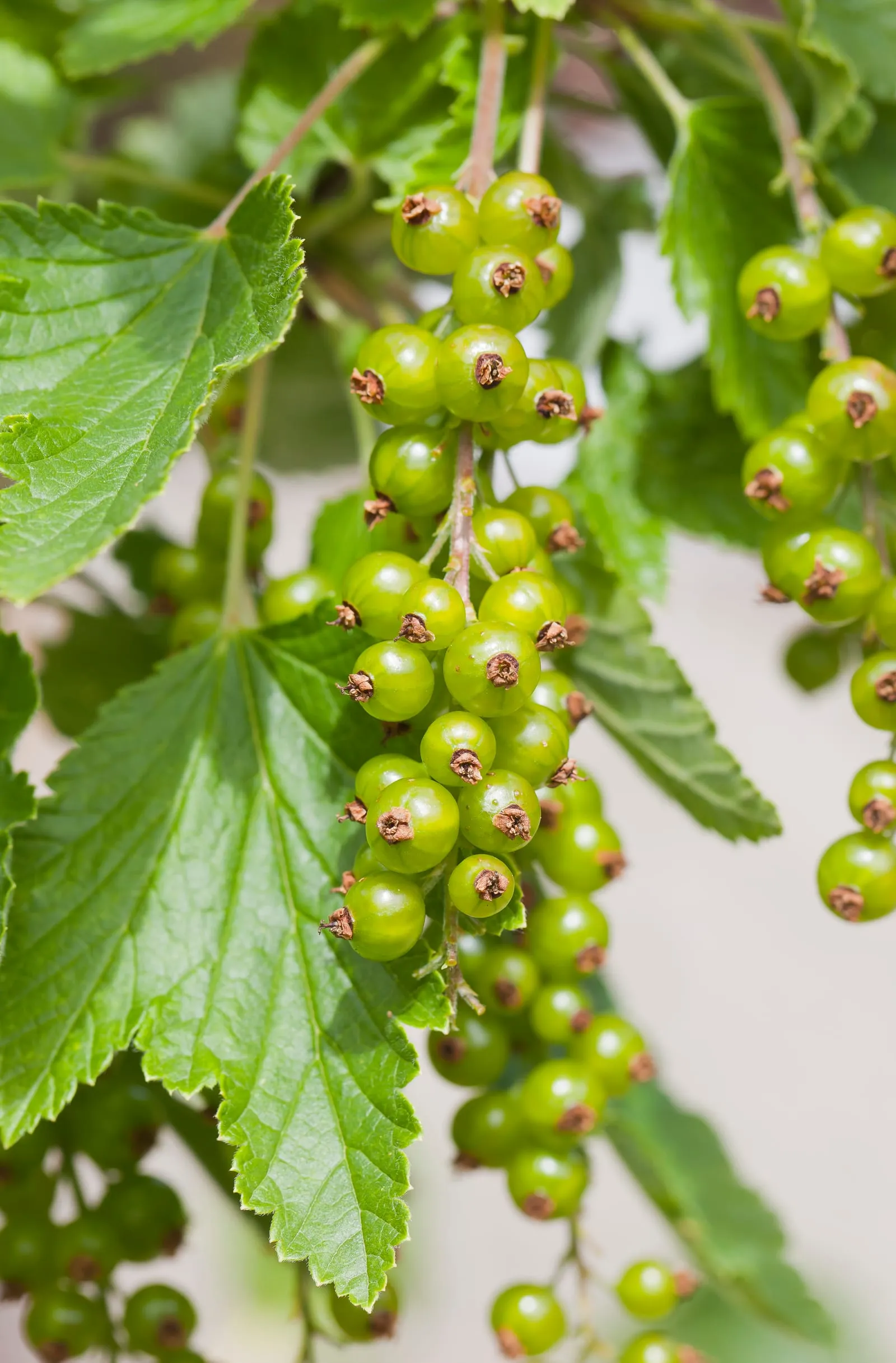
berry in zone 5b
Growing red currant in zone 5b
Ribes rubrum
- Zone
- 5b -15°F to -10°F
- Growing season
- 165 days
- Chill needed
- 800 to 1500 below 45°F
- Suitable varieties
- 4
- Days to harvest
- 70 to 90
The verdict
Zone 5b is a core growing range for red currant, not a marginal one. The crop's chill-hour requirement of 800 to 1,500 hours is reliably met across zone 5b, where most locations accumulate 1,200 or more chilling hours in a typical winter. Cold hardiness is not the limiting factor: red currant tolerates temperatures well below zone 5b's minimum of -15 to -10°F, so winter kill of established canes is uncommon in normal years.
The 165-day growing season provides adequate time for full fruit development and ripening before fall frosts arrive. The more meaningful risk in zone 5b is late spring frost intersecting with early bloom, since red currant breaks dormancy and flowers earlier than most small fruits. Growers with microsite flexibility can reduce this risk by siting plants on north-facing slopes or in spots with good cold-air drainage, which delays bloom slightly and lowers frost exposure during the critical pollination window.
Recommended varieties for zone 5b
4 cultivars suited to this zone, with disease-resistance and zone-fit annotations.
| Variety | Notes | Zone fit | Disease resistance |
|---|---|---|---|
| Red Lake fits zone 5b | Tart, bright, translucent red berries in long strigs; the classic jelly and preserve currant, defines red-currant flavor. Productive heritage variety, easy harvest. | | none noted |
| Jonkheer van Tets fits zone 5b | Tart, large bright red berries in long strigs; jelly, juice, fresh with sugar. Early-ripening Dutch variety, very productive, mildew-resistant. | | none noted |
| Rovada fits zone 5b | Tart, large firm berries on extra-long strigs; jelly, juice, dessert with cream. Late-ripening Dutch variety, easiest harvest of any currant, disease-resistant. | | none noted |
| Cherry Currant fits zone 5b | Sweet-tart, large dark red berries; jelly and dessert, sweetest of the red currants. Old European variety with rich flavor. | | none noted |
Critical timing for zone 5b
Red currant breaks dormancy early. In zone 5b, bloom typically falls in mid to late April, with the specific timing varying by as much as two weeks depending on elevation and local cold-air patterns. Zone 5b last-frost dates commonly run from late April through early May, so some overlap with bloom is expected in most years. A single hard frost during open bloom can reduce fruit set substantially.
Fruit development is rapid once bloom finishes. Berries ripen from late June through mid-July under zone 5b conditions, roughly 60 to 70 days after pollination. Harvest should be completed promptly when clusters reach full color, as the berries soften and shed acidity quickly once summer heat arrives. Delaying harvest by even a week in warm years reduces the tartness that makes red currant useful for preserves and sauces.
Common challenges in zone 5b
- ▸ Plum curculio
- ▸ Codling moth
- ▸ Cedar-apple rust
Disease pressure to watch for
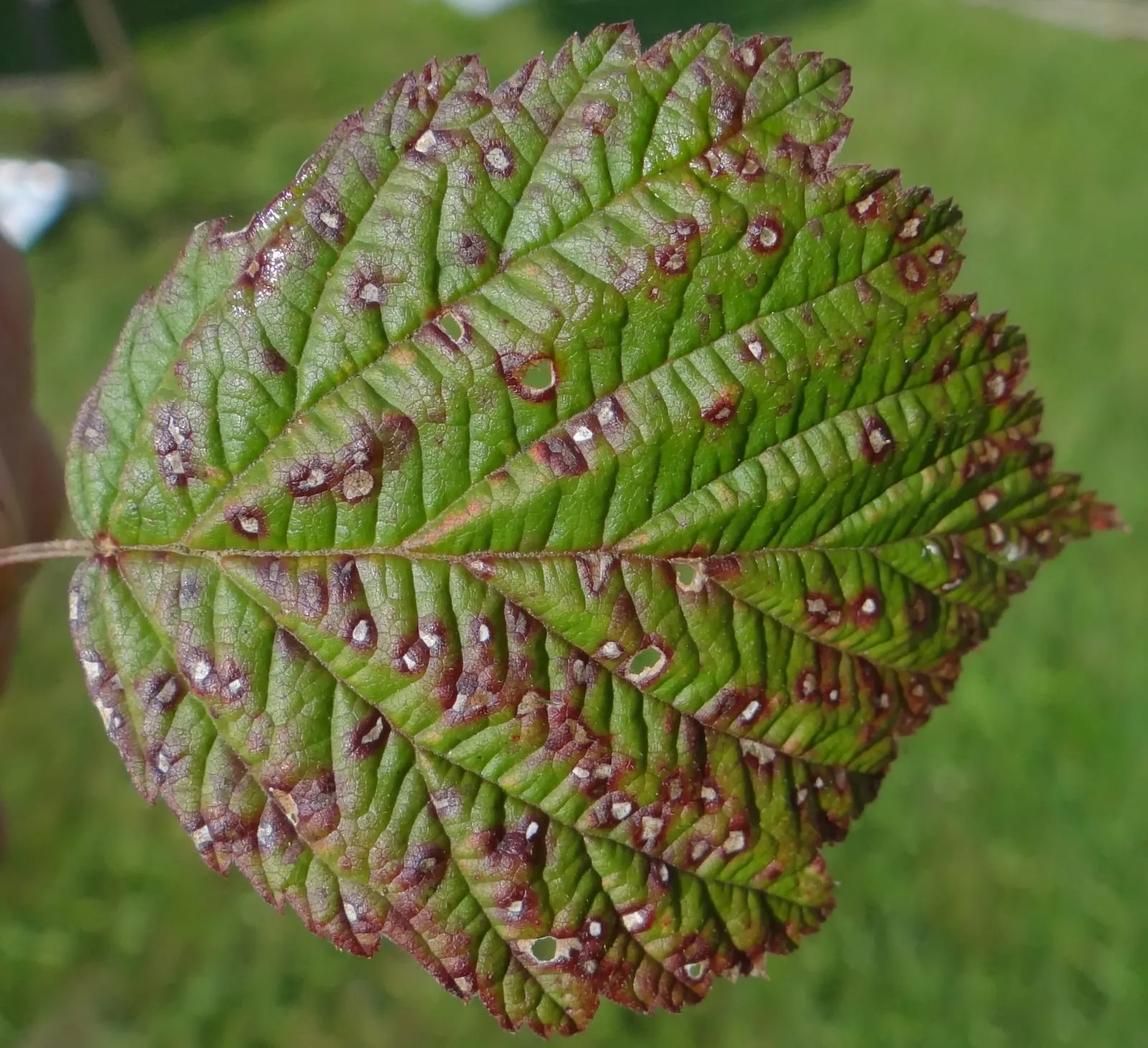
Elsinoe veneta
Fungal cane disease causing purple-bordered lesions that girdle and weaken bramble and Ribes canes, reducing yield over consecutive seasons.
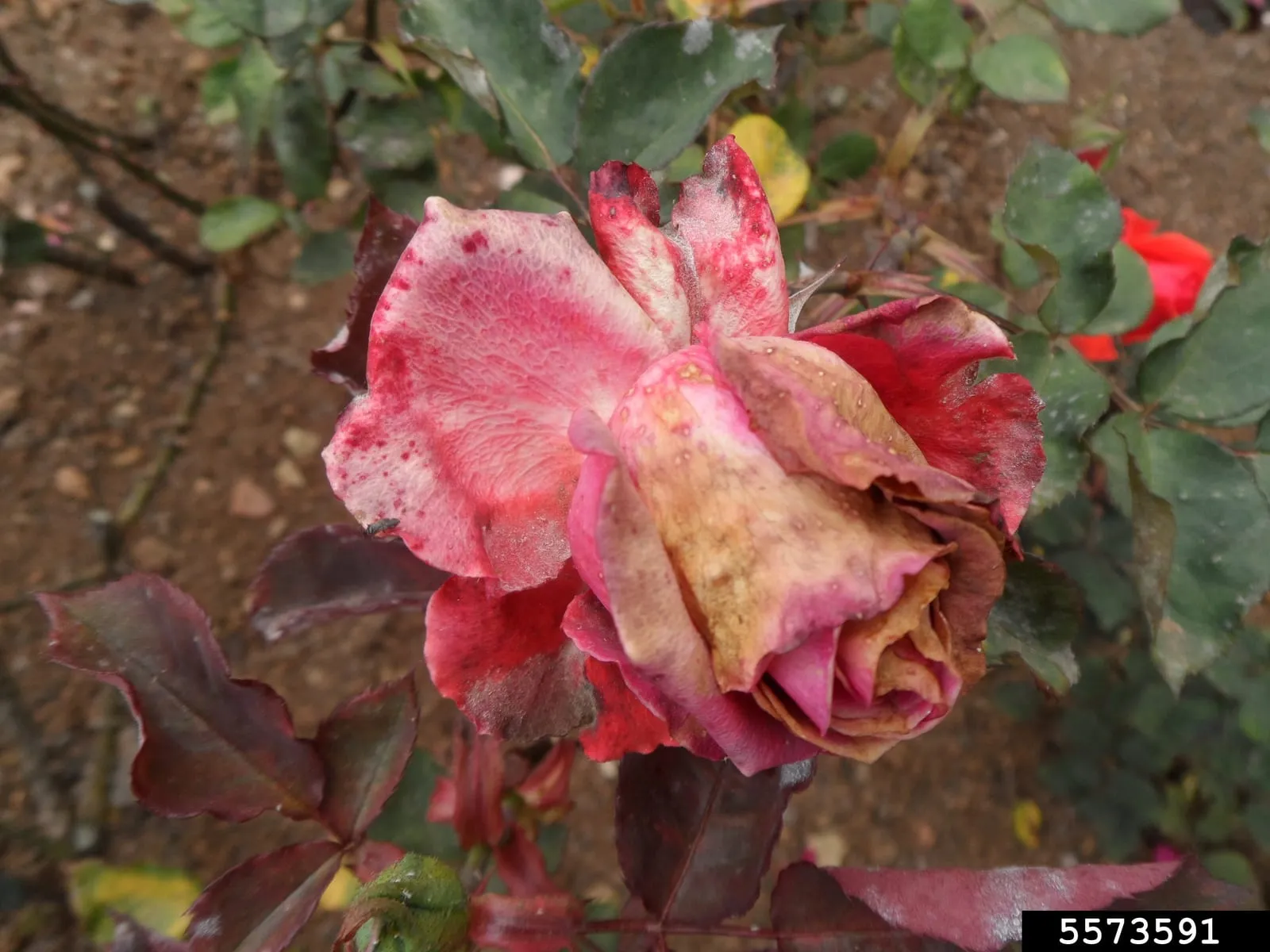
Botrytis cinerea
Ubiquitous fungal disease that causes fruit rot during cool wet weather, often the dominant berry disease in humid regions.
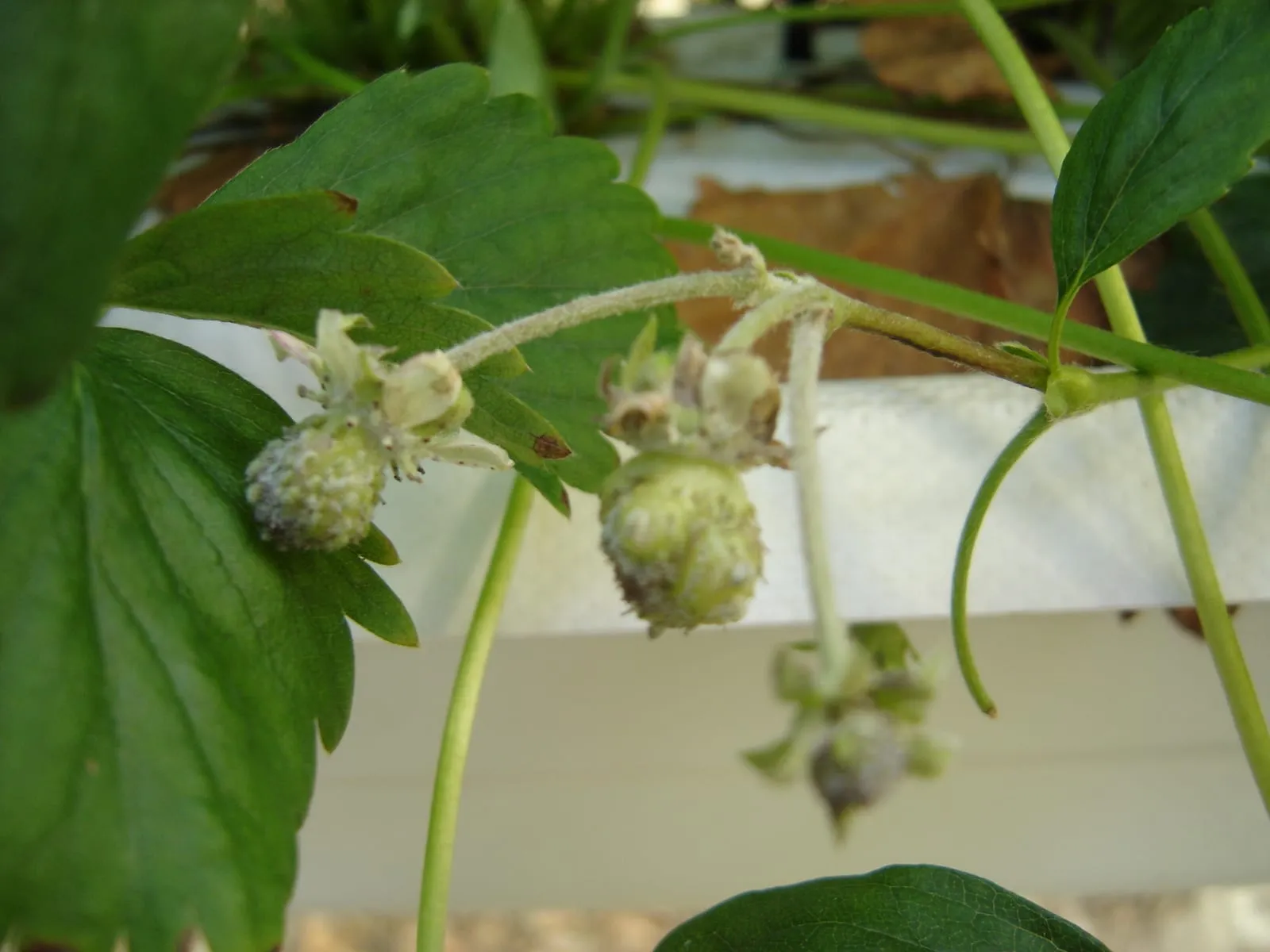
Podosphaera and Sphaerotheca species
Surface-feeding fungal disease producing white powdery growth on leaves and fruit, particularly damaging on gooseberries.
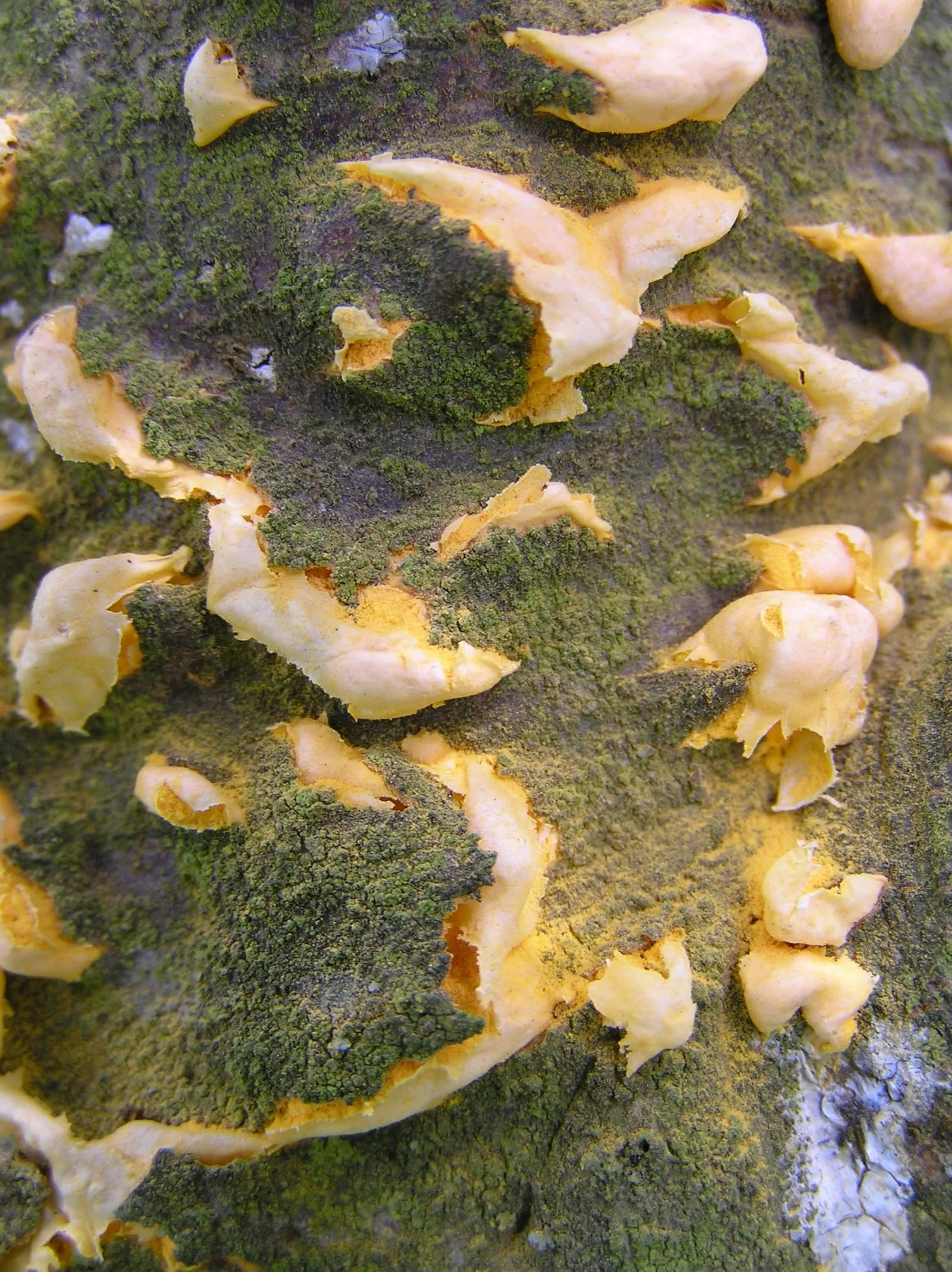
Cronartium ribicola
Two-host rust requiring both Ribes (currants and gooseberries) and white pines. Historically led to Ribes-planting bans in much of the US; some states still restrict black currant cultivation.
Modified care for zone 5b
The most consequential disease risk in zone 5b is White Pine Blister Rust (Cronartium ribicola). Red currant is a confirmed alternate host in the blister rust life cycle, and zone 5b covers large portions of the northeastern and upper midwestern U.S. where white pine is abundant. Planting within 300 feet of white pines is inadvisable, and some states retain planting restrictions on Ribes species in high-risk areas. Verify local regulations before establishing plants.
Cool, wet springs typical of zone 5b also favor Gray Mold (Botrytis) and Cane Anthracnose. Annual renewal pruning to remove older canes, combined with spacing plants to maximize airflow, reduces both. Avoid overhead irrigation during the season. Among the compatible varieties for this zone, Rovada and Red Lake have shown reasonable field tolerance to Berry Powdery Mildew, which tends to flare during mid-summer heat flushes even in cooler zones.
Frequently asked questions
- Is zone 5b cold enough for red currant to fruit reliably?
Yes. Red currant performs well in zone 5b. The zone accumulates sufficient chilling hours to meet the crop's 800 to 1,500 hour requirement in most winters, and the plant's cold hardiness far exceeds the zone's minimum temperatures. The main concern is late spring frost coinciding with early bloom, not winter cold.
- Can red currant be planted near white pine trees in zone 5b?
It is not recommended. Red currant is an alternate host for White Pine Blister Rust, and proximity to white pine increases disease pressure significantly. Some states with high white pine populations still restrict Ribes planting near pine stands. Check current state regulations before planting.
- Which red currant varieties are best suited to zone 5b conditions?
Red Lake, Jonkheer van Tets, Rovada, and Cherry Currant are all compatible with zone 5b. Rovada is a late-ripening variety that can help avoid the worst late-frost risk on bloom. Red Lake is widely available and has a long track record in northern zones.
- When does red currant ripen in zone 5b?
Harvest generally falls between late June and mid-July in zone 5b, roughly 60 to 70 days after bloom. The window is relatively short; berries on a full cluster should be picked when they reach uniform red color rather than waiting for all clusters on the plant to finish.
+−
+−
+−
+−
Red Currant in adjacent zones
Image: "Grosello rojo (Ribes rubrum), Múnich, Alemania, 2012-06-07, DD 01", by Diego Delso, via Wikimedia Commons, licensed under CC-BY Source.
,_M%C3%BAnich,_Alemania,_2012-06-07,_DD_01.jpg)
Related