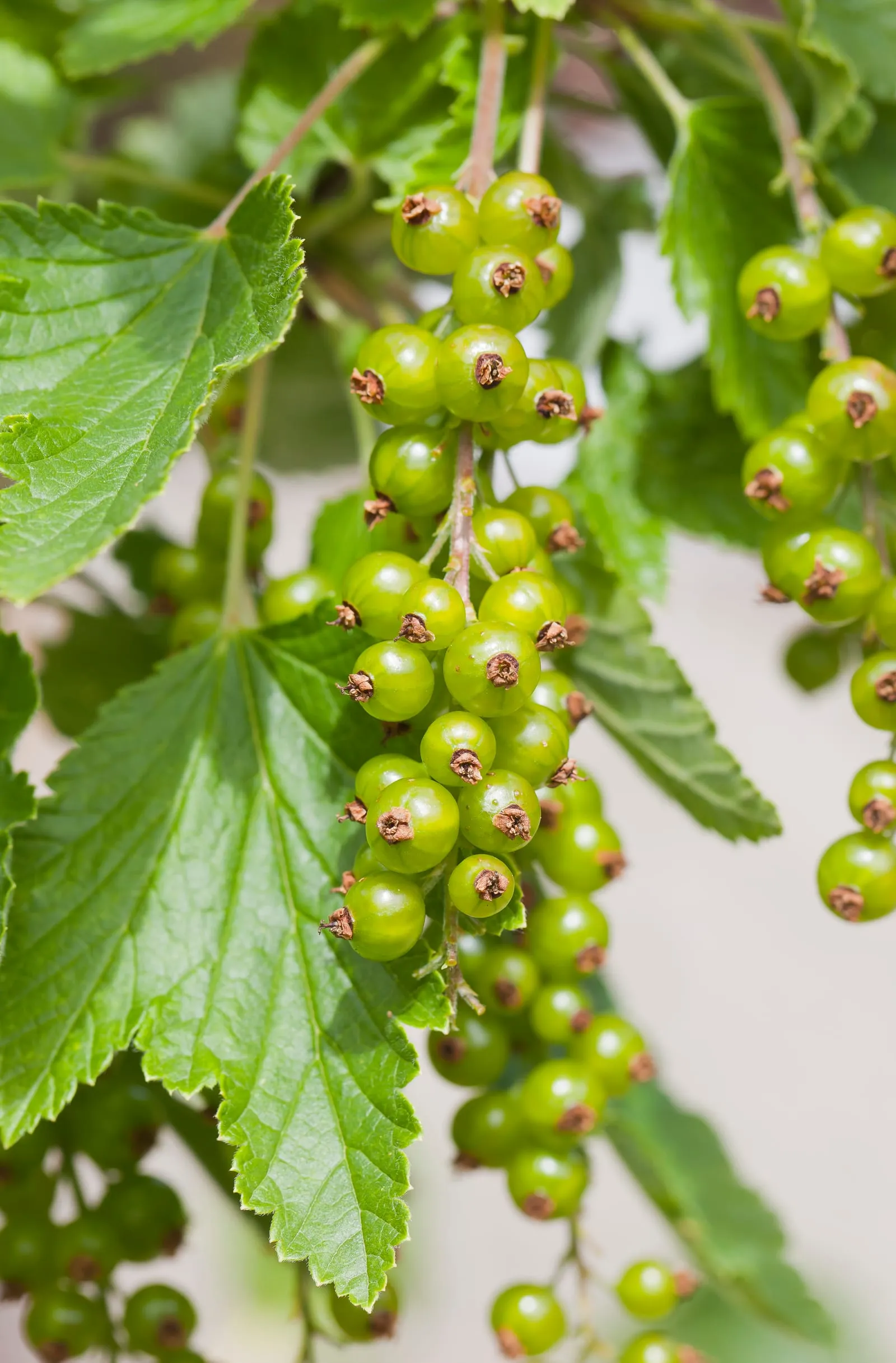
berry in zone 3b
Growing red currant in zone 3b
Ribes rubrum
- Zone
- 3b -35°F to -30°F
- Growing season
- 100 days
- Chill needed
- 800 to 1500 below 45°F
- Suitable varieties
- 3
- Days to harvest
- 70 to 90
The verdict
Red currant is well matched to zone 3b. With a chill-hour requirement of 800 to 1,500 hours, zone 3b clears that threshold comfortably in nearly every winter. This is a sweet spot for the crop, not a marginal zone. Established plants typically survive temperatures to -35°F or colder, which aligns directly with zone 3b's minimum range. The 100-day growing season is tight but adequate: most red currant varieties complete their flowering, fruit set, and ripening cycle within 90 to 100 days from bloom. Red Lake and Rovada, both reliable performers in northern climates, fall within that window. What limits red currant in zone 3b is not cold tolerance but site-specific variables. A frost pocket or wind-exposed ridge can effectively shorten the usable season by two to three weeks, shifting a workable situation into a difficult one. On a sheltered, south-facing slope with well-drained soil, zone 3b growers can expect consistent harvests.
Recommended varieties for zone 3b
3 cultivars suited to this zone, with disease-resistance and zone-fit annotations.
| Variety | Notes | Zone fit | Disease resistance |
|---|---|---|---|
| Red Lake fits zone 3b | Tart, bright, translucent red berries in long strigs; the classic jelly and preserve currant, defines red-currant flavor. Productive heritage variety, easy harvest. | | none noted |
| Jonkheer van Tets fits zone 3b | Tart, large bright red berries in long strigs; jelly, juice, fresh with sugar. Early-ripening Dutch variety, very productive, mildew-resistant. | | none noted |
| Rovada fits zone 3b | Tart, large firm berries on extra-long strigs; jelly, juice, dessert with cream. Late-ripening Dutch variety, easiest harvest of any currant, disease-resistant. | | none noted |
Critical timing for zone 3b
Red currant blooms early in zone 3b, typically from late April into mid-May depending on elevation and local microclimate. Last frost dates across zone 3b commonly extend into late May and occasionally into the first days of June. That overlap is the primary timing risk: an open bloom hit by a late frost significantly reduces fruit set. Harvest follows roughly 60 to 70 days after bloom for most varieties. Jonkheer van Tets, an early-ripening selection, can finish by mid-July in favorable years. Rovada runs later, often extending into early August. The compressed 100-day frost-free window makes variety selection consequential. Growers at the shorter end of the local season should prioritize early-maturing selections and avoid varieties marketed for longer-season regions.
Common challenges in zone 3b
- ▸ Short season
- ▸ Winter desiccation
- ▸ Site selection critical for fruit trees
Disease pressure to watch for
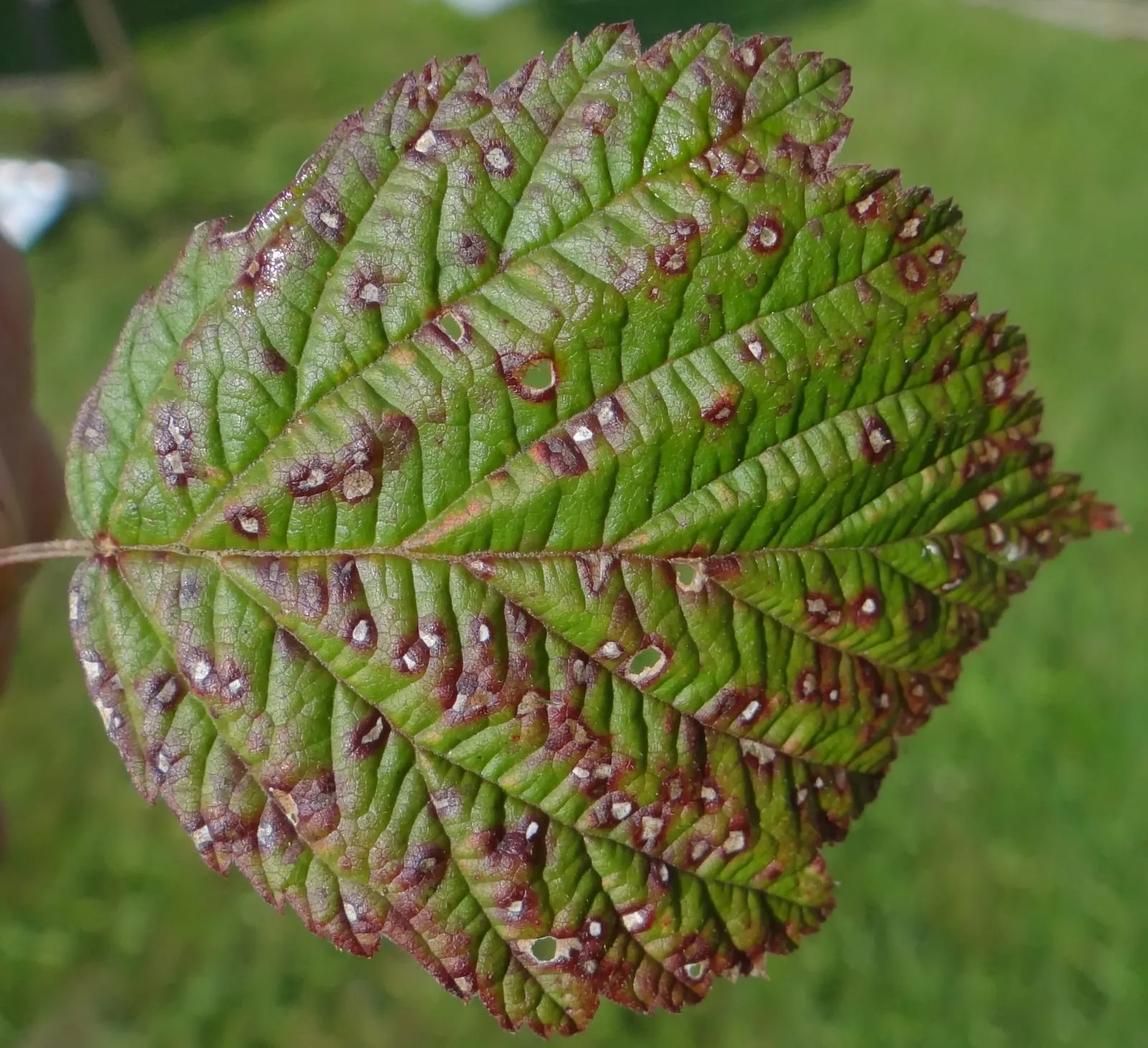
Elsinoe veneta
Fungal cane disease causing purple-bordered lesions that girdle and weaken bramble and Ribes canes, reducing yield over consecutive seasons.
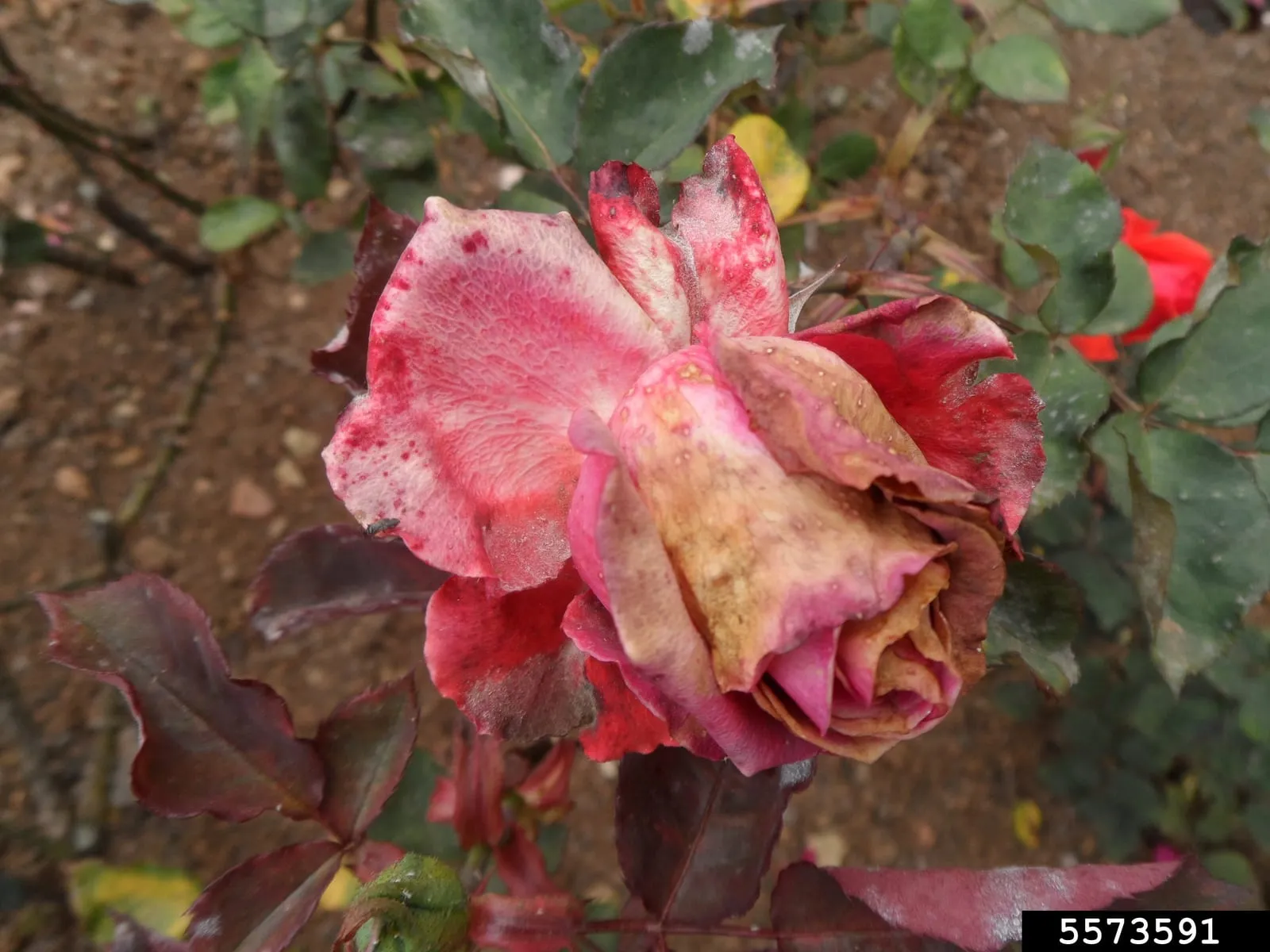
Botrytis cinerea
Ubiquitous fungal disease that causes fruit rot during cool wet weather, often the dominant berry disease in humid regions.
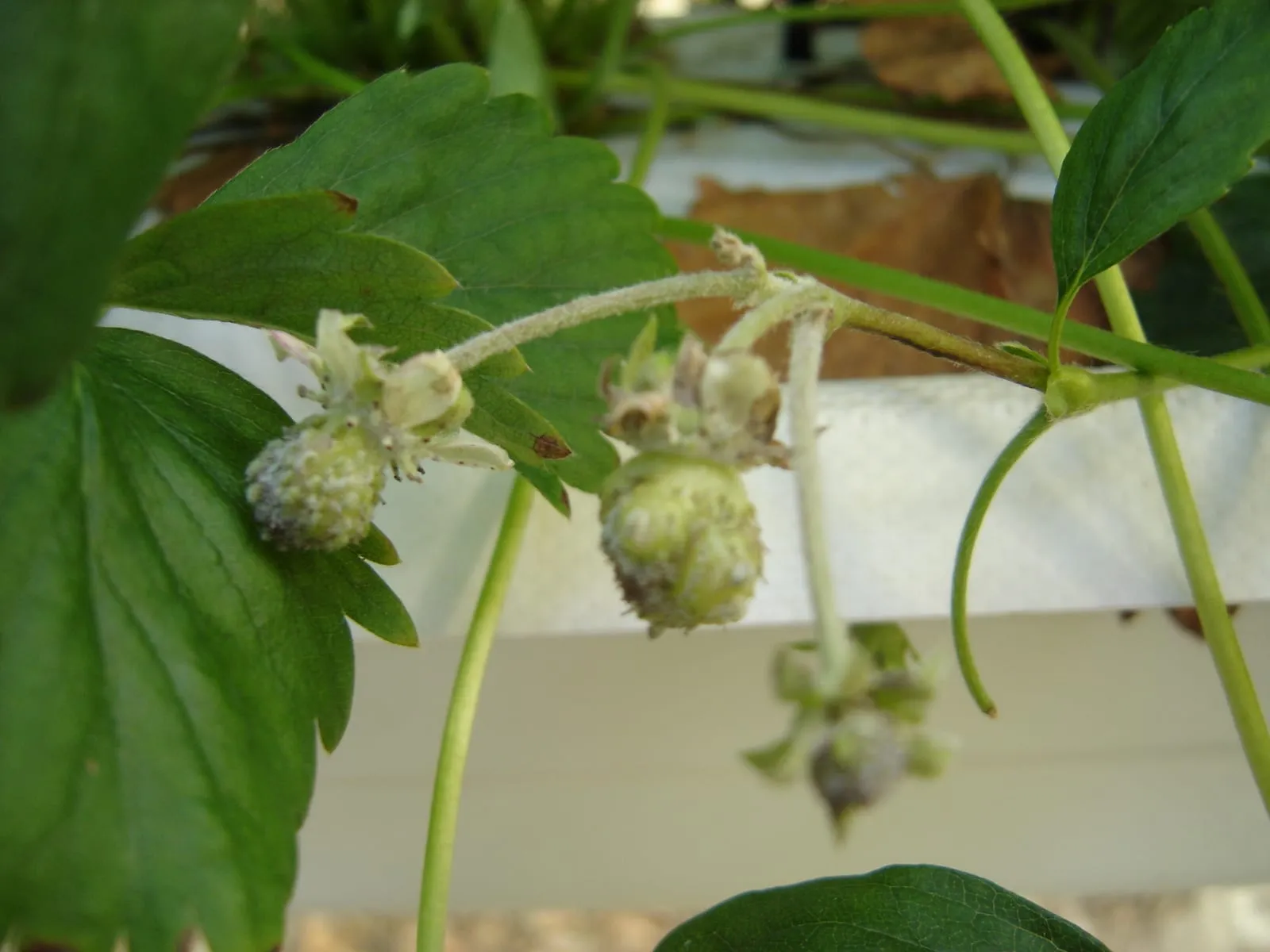
Podosphaera and Sphaerotheca species
Surface-feeding fungal disease producing white powdery growth on leaves and fruit, particularly damaging on gooseberries.
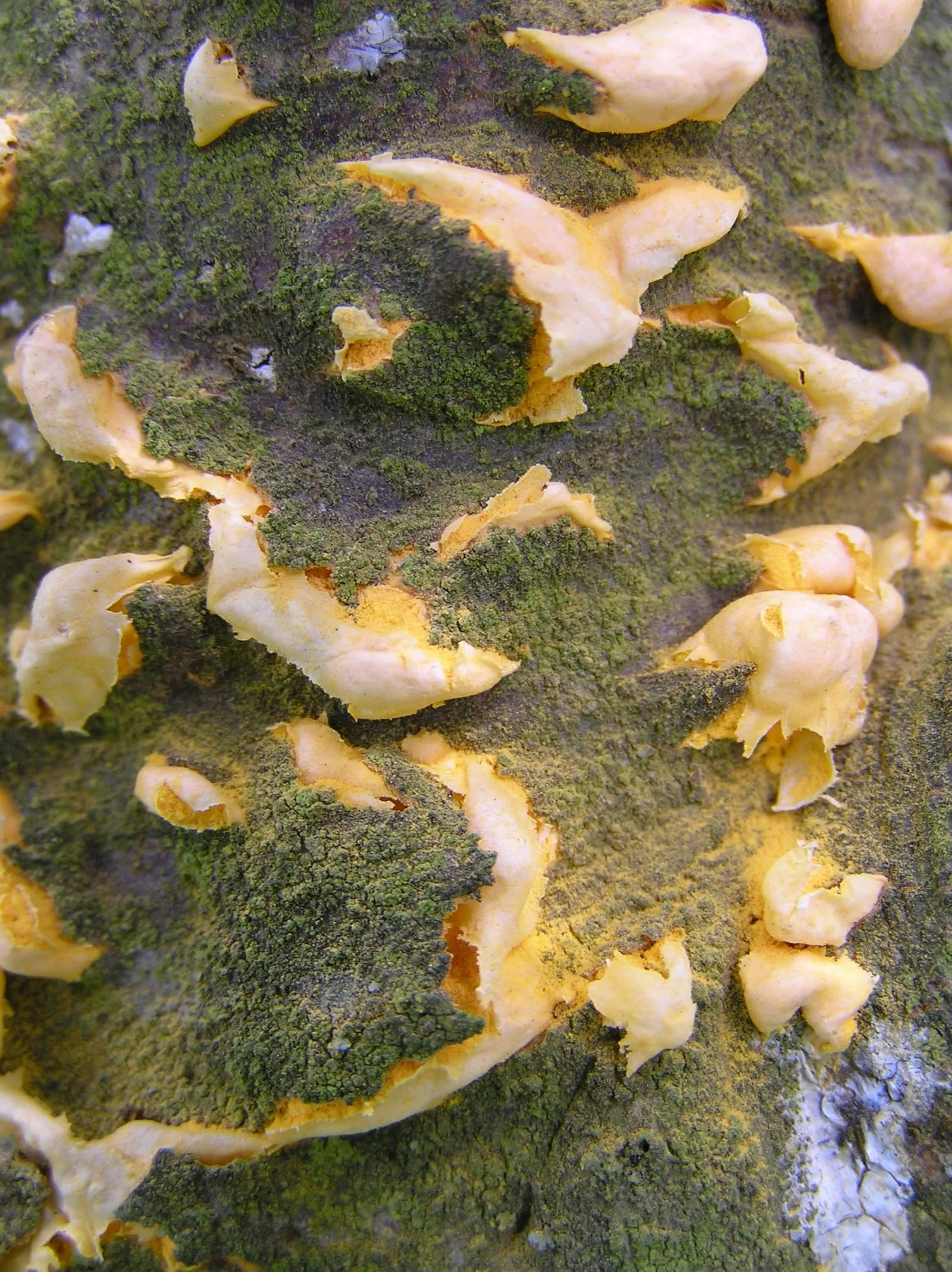
Cronartium ribicola
Two-host rust requiring both Ribes (currants and gooseberries) and white pines. Historically led to Ribes-planting bans in much of the US; some states still restrict black currant cultivation.
Modified care for zone 3b
Winter desiccation is a more consistent threat in zone 3b than outright cold injury. Dormant canes can desiccate during extended cold, dry, and windy periods even when temperatures alone would not cause damage. Planting near a windbreak or on the east side of a structure reduces exposure. Heavy mulching at the base helps retain soil moisture through repeated freeze-thaw cycles.
White Pine Blister Rust (Cronartium ribicola) warrants specific attention. Red currants serve as alternate hosts for this rust, which is severely damaging to eastern white pine. Some northern states and counties have maintained or have had planting restrictions on Ribes species near white pine stands. Check current local regulations before establishing plants in forested or mixed-wood settings.
Gray Mold (Botrytis) tends to be more problematic in the compressed harvest window typical of zone 3b, when warm, humid days accelerate disease development on ripening fruit. Pruning for open canopy structure and avoiding overhead irrigation reduces pressure meaningfully.
Red Currant in adjacent zones
Image: "Grosello rojo (Ribes rubrum), Múnich, Alemania, 2012-06-07, DD 01", by Diego Delso, via Wikimedia Commons, licensed under CC-BY Source.
,_M%C3%BAnich,_Alemania,_2012-06-07,_DD_01.jpg)
Related