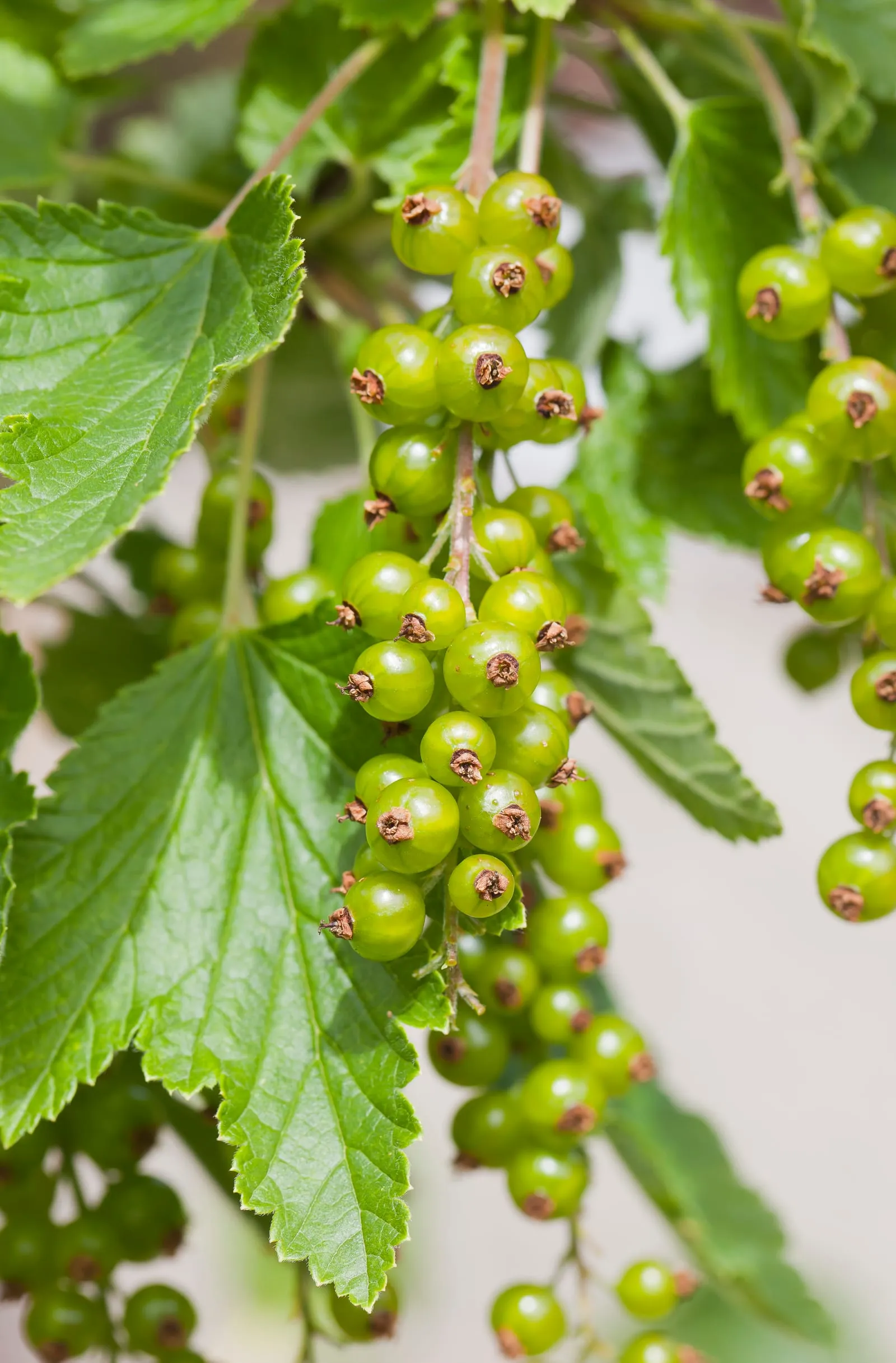
berry in zone 3a
Growing red currant in zone 3a
Ribes rubrum
- Zone
- 3a -40°F to -35°F
- Growing season
- 90 days
- Chill needed
- 800 to 1500 below 45°F
- Suitable varieties
- 1
- Days to harvest
- 70 to 90
The verdict
Red currant is one of the better-matched small fruits for zone 3a. The crop's chill hour requirement, ranging from 800 to 1500 hours, is reliably satisfied in a climate where winter temperatures regularly drop to -40°F; this zone does not undersell the crop on cold, it delivers it. Red currant canes are rated hardy to -30 to -40°F depending on variety, placing zone 3a near the center of the crop's cold-hardiness range rather than at its margin. Red Lake, the primary variety with confirmed performance in this zone, has a long track record in northern climates and is the practical default here. The 90-day growing season is tight but workable: red currant fruit ripens roughly 60 to 70 days from bloom, fitting the window in most summers. The real constraints are not cold tolerance or chill-hour satisfaction but disease pressure from White Pine Blister Rust and the narrow calendar margin between late spring frosts and early fall.
Recommended varieties for zone 3a
1 cultivar suited to this zone, with disease-resistance and zone-fit annotations.
| Variety | Notes | Zone fit | Disease resistance |
|---|---|---|---|
| Red Lake fits zone 3a | Tart, bright, translucent red berries in long strigs; the classic jelly and preserve currant, defines red-currant flavor. Productive heritage variety, easy harvest. | | none noted |
Critical timing for zone 3a
In zone 3a, red currant typically blooms in late May to early June, once soil temperatures begin to climb after the final spring frost. The bloom window overlaps with the tail end of late spring frost risk, which in this zone can extend into late May. A hard frost during or just after bloom will abort fruit set for that season; low-lying sites with cold-air drainage are especially vulnerable and should be avoided at planting. Harvest falls in the second half of July, with exact timing depending on accumulated seasonal heat. The 90-day growing season leaves little margin on either end. A late spring followed by an early fall frost can compress the productive window further, and growers should not count on extending harvest reliably past early August.
Common challenges in zone 3a
- ▸ Very short growing season
- ▸ Late spring frosts
- ▸ Limited fruit-tree options
- ▸ Heavy mulching required
Disease pressure to watch for
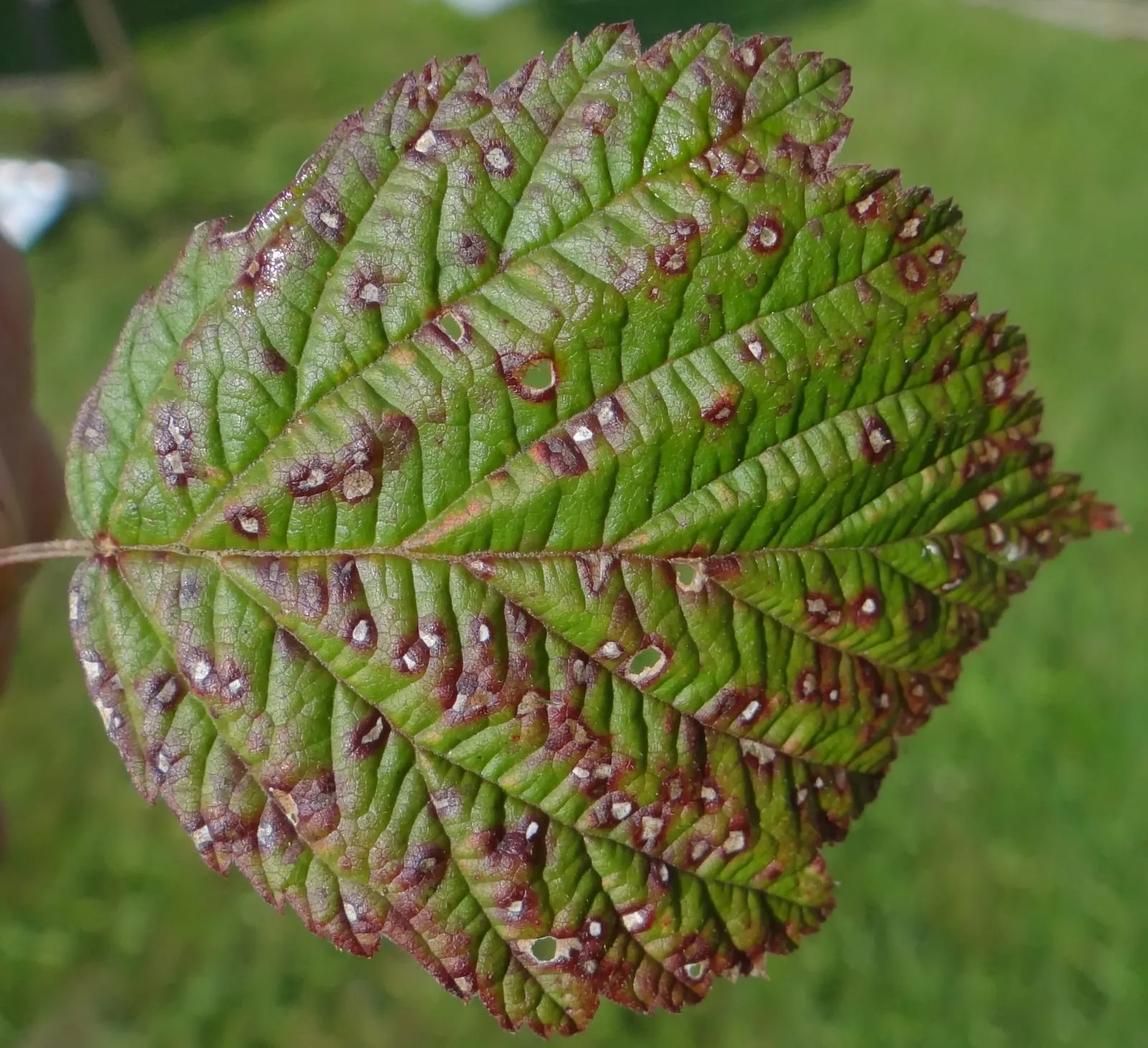
Elsinoe veneta
Fungal cane disease causing purple-bordered lesions that girdle and weaken bramble and Ribes canes, reducing yield over consecutive seasons.
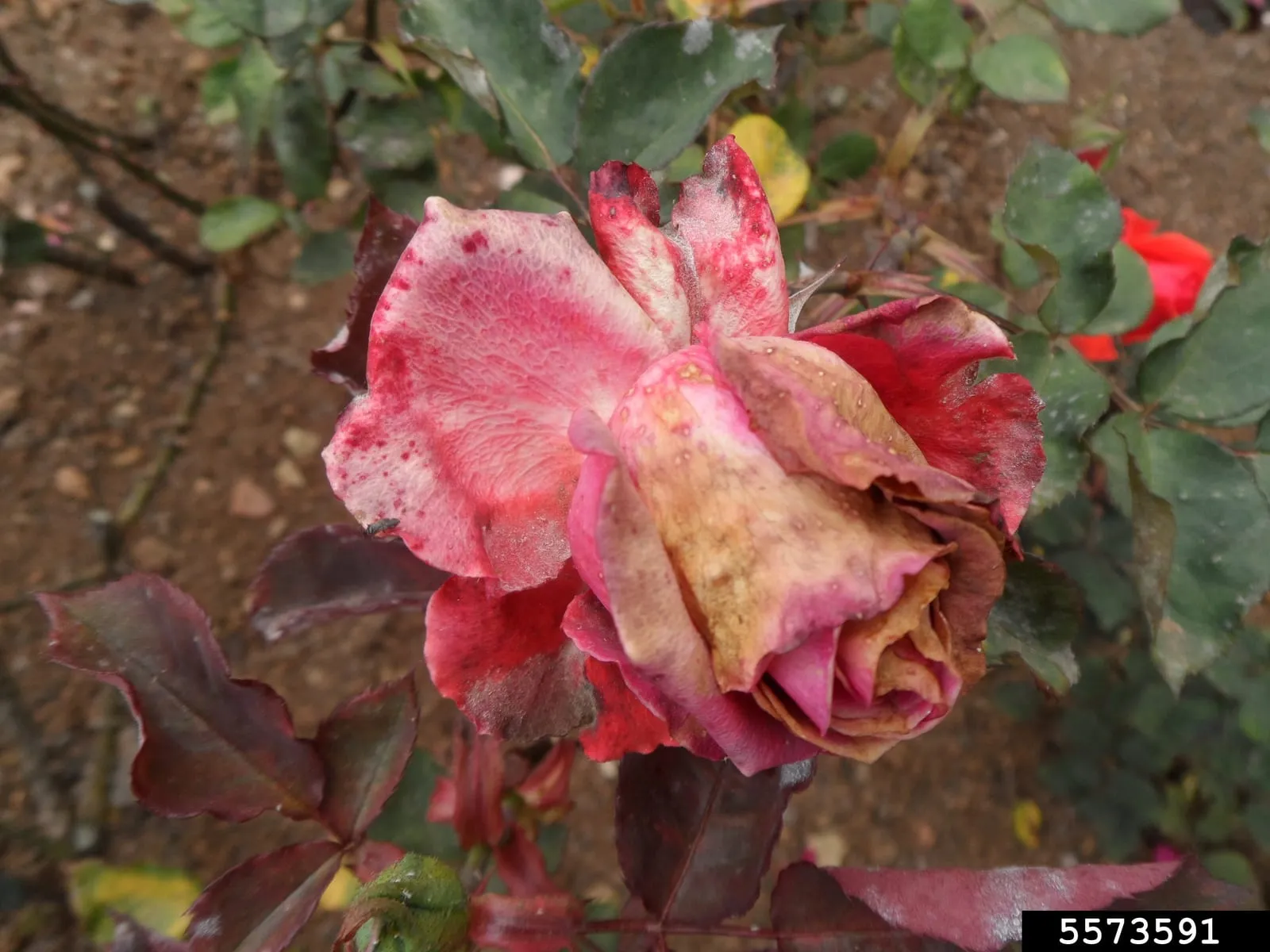
Botrytis cinerea
Ubiquitous fungal disease that causes fruit rot during cool wet weather, often the dominant berry disease in humid regions.
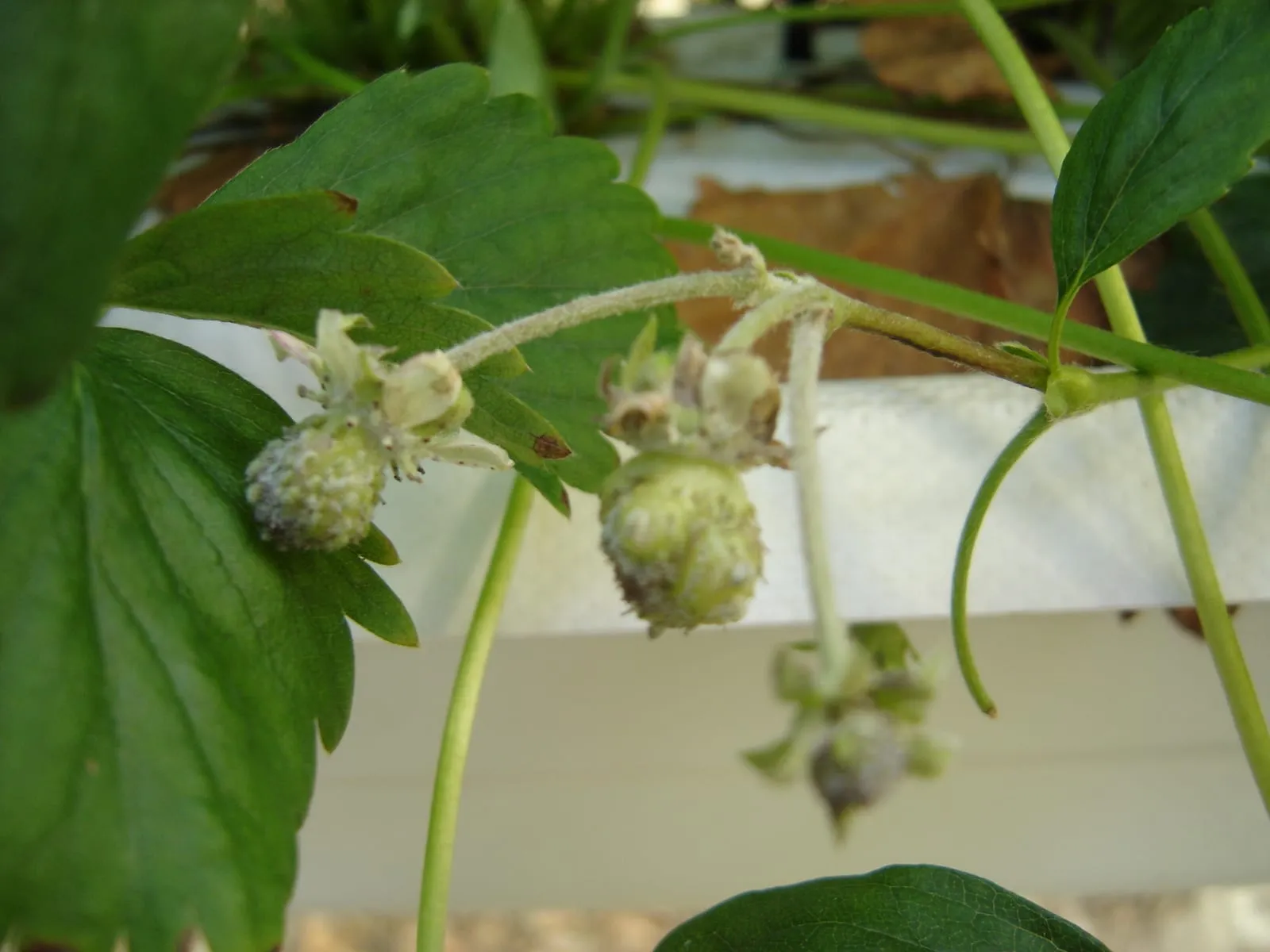
Podosphaera and Sphaerotheca species
Surface-feeding fungal disease producing white powdery growth on leaves and fruit, particularly damaging on gooseberries.
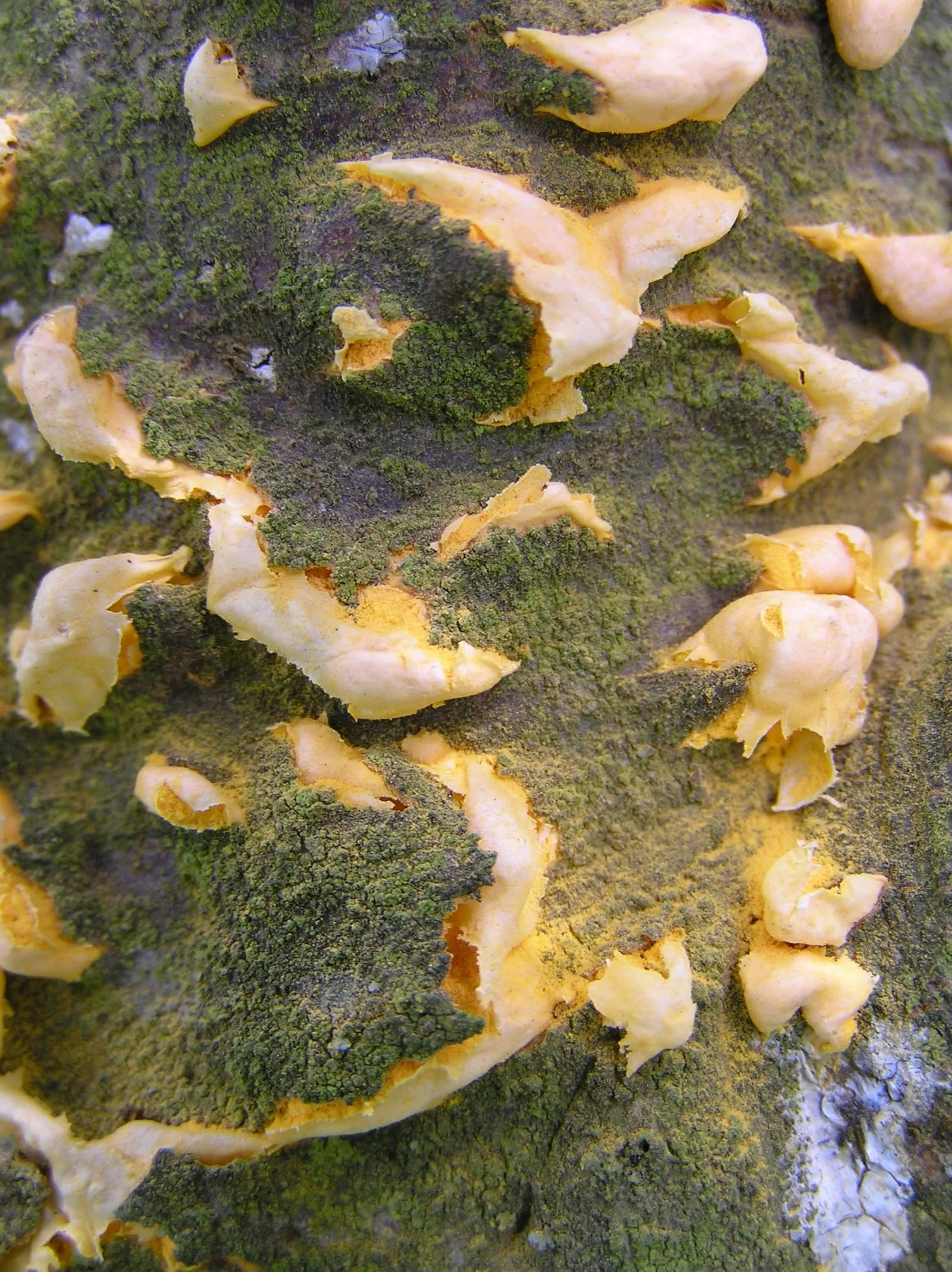
Cronartium ribicola
Two-host rust requiring both Ribes (currants and gooseberries) and white pines. Historically led to Ribes-planting bans in much of the US; some states still restrict black currant cultivation.
Modified care for zone 3a
Zone 3a demands more winter preparation than the crop requires in zones 5 or 6. Heavy mulching of the root zone, 4 to 6 inches of straw or wood chips applied after the ground hardens, is standard practice and moderates soil temperature swings that can heave shallow roots. Established canes do not typically need wrapping, but first-year plants benefit from a windbreak on the north and northwest sides while root systems establish. White Pine Blister Rust is a serious concern wherever eastern white pines grow nearby; the disease cycles between currants and pines as alternate hosts, and some counties in the northern tier carry removal ordinances. Confirm local regulations before planting. Gray Mold pressure rises in cool, damp summers. Thinning each plant to 6 to 8 well-spaced canes and removing old wood promptly after harvest is the primary control; routine fungicide programs are generally unnecessary when pruning is consistent.
Frequently asked questions
- Is zone 3a too cold for red currant?
No. Red currant is among the most cold-hardy small fruits, with canes tolerating temperatures to around -40°F. Zone 3a winters satisfy the crop's chill-hour requirement of 800 to 1500 hours without difficulty. Cold hardiness is not the limiting factor in this zone.
- What is White Pine Blister Rust and should it affect my planting decision?
White Pine Blister Rust is a fungal disease that requires both currants (or gooseberries) and five-needled pines to complete its life cycle. In areas with eastern white pine, infection risk is real. Some counties in northern states restrict or prohibit currant planting to protect commercial pine timber. Check with your local extension office before establishing a planting.
- Which red currant variety performs best in zone 3a?
Red Lake is the most reliably documented variety for zone 3a conditions. It has a long history of use in northern climates, consistent fruit quality, and sufficient cold hardiness. Other varieties may perform adequately, but documented performance data for zone 3a is thin outside Red Lake.
- How do I protect red currant from late spring frosts in zone 3a?
Site selection is the first defense: avoid frost pockets and low-lying areas where cold air pools. Row cover or floating fabric applied overnight when frost is forecast during bloom can protect flower clusters. Remove covers promptly once temperatures rise to avoid heat buildup.
+−
+−
+−
+−
Red Currant in adjacent zones
Image: "Grosello rojo (Ribes rubrum), Múnich, Alemania, 2012-06-07, DD 01", by Diego Delso, via Wikimedia Commons, licensed under CC-BY Source.
,_M%C3%BAnich,_Alemania,_2012-06-07,_DD_01.jpg)
Related