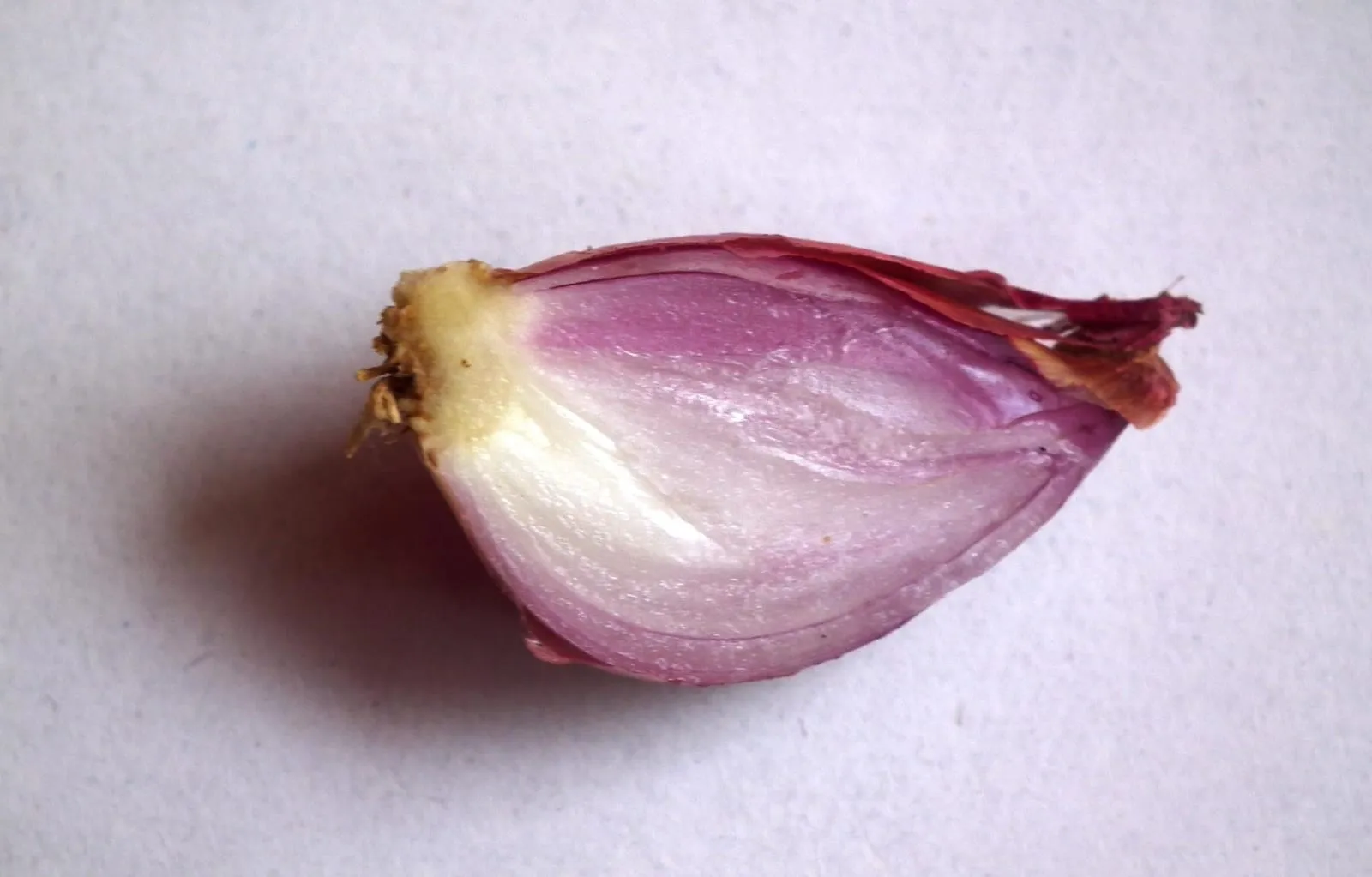
vegetable in zone 6a
Growing shallot in zone 6a
Allium cepa var. aggregatum
- Zone
- 6a -10°F to -5°F
- Growing season
- 180 days
- Suitable varieties
- 2
- Days to harvest
- 100 to 120
The verdict
Zone 6a is a reliable fit for shallots, not a marginal one. The winter low range of -10 to -5°F aligns well with shallot's cold-hardiness: the bulbs tolerate hard freezes when planted at proper depth and mulched adequately, and the cold period itself helps trigger dormancy and robust spring regrowth. Shallots are long-day alliums, meaning they need sufficient day length to initiate bulbing. Zone 6a's 180-day growing season provides ample time between last frost and midsummer harvest. French Red and Dutch Yellow, both suited to this zone, are reliable performers in zones 5 through 7, so 6a sits squarely in their range rather than at either edge. The main limiting factor is not cold tolerance but disease pressure: Onion White Rot persists in soil for decades and becomes more problematic as allium plantings accumulate in the same beds over years.
Recommended varieties for zone 6a
2 cultivars suited to this zone, with disease-resistance and zone-fit annotations.
| Variety | Notes | Zone fit | Disease resistance |
|---|---|---|---|
| French Red fits zone 6a | Sweet, complex, mild garlicky-onion flavor; copper-skinned elongated bulbs. Vinaigrettes, sauces, sauteing where finesse matters. Stores 6-9 months. | | none noted |
| Dutch Yellow fits zone 6a | Mild-sweet, refined, less pungent than onion; round yellow-skinned bulbs. Sauces, vinaigrettes, raw applications. Stores 6-8 months. The European workhorse shallot. | | none noted |
Critical timing for zone 6a
In zone 6a, shallot sets or divisions are typically planted in early spring, as soon as the soil can be worked, often late March into early April. Last frost in 6a averages mid-April, so early-planted shallots may see late frosts but the foliage tolerates light frost without significant damage. Bulbing begins as day length increases past 14 hours, usually in June, and harvest falls in mid-to-late July once the foliage begins to fall over and yellow. Fall planting is also viable in zone 6a: sets planted in October establish roots before freeze-up, overwinter under mulch, and can be harvested several weeks earlier the following summer than spring-planted stock.
Common challenges in zone 6a
- ▸ Brown rot in stone fruit
- ▸ Japanese beetles
- ▸ Spring frost damage to peach buds
Disease pressure to watch for
Modified care for zone 6a
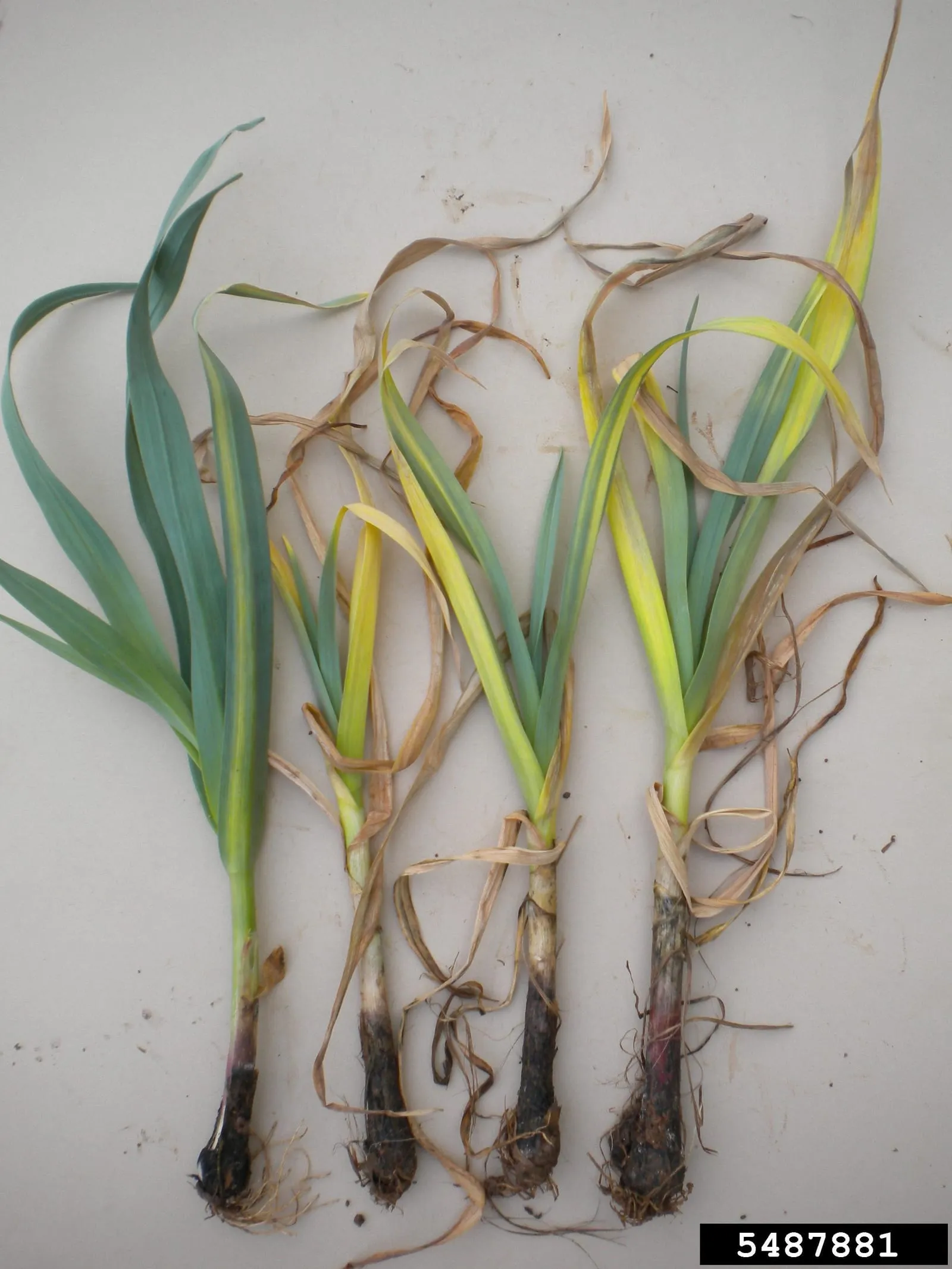
Fall-planted shallots in zone 6a benefit from 3 to 4 inches of straw mulch applied after the ground begins to harden in November. This moderates temperature swings and reduces frost heave that can expose shallow-planted sets. In spring, pull the mulch back as growth resumes to allow the soil to warm. Onion White Rot warrants attention: avoid planting alliums in the same bed more frequently than once every 4 to 5 years, since the fungal sclerotia persist in soil and the pathogen has no effective in-ground remedy once established. Foliage should stay dry when possible; crowded plantings or overhead watering in humid stretches increases disease risk. Japanese beetles feed on many plants but rarely target alliums, so they are not a primary concern for shallot beds specifically.
Frequently asked questions
- Can shallots survive zone 6a winters in the ground?
Yes, with mulch. Shallots tolerate temperatures down to around -10°F when planted at the correct depth (about 1 inch) and covered with 3 to 4 inches of straw after the ground starts to harden. Without mulch, repeated freeze-thaw cycles can heave sets out of the soil.
- Is fall or spring planting better for shallots in zone 6a?
Both work. Fall planting produces a slightly earlier and sometimes larger harvest the following summer. Spring planting is more forgiving for gardeners new to shallots, since there is no risk of losing overwintering sets to an unusually severe winter.
- What causes shallot bulbs to stay small in zone 6a?
The most common causes are planting too late (missing the window for maximum day-length exposure during bulbing), overcrowding, or drought stress in June. Shallots form their bulbs as days lengthen past 14 hours; anything that delays or stresses the plant during that window reduces final bulb size.
+−
+−
+−
Shallot in adjacent zones
Image: "Shallot - Piece", by Ramesh NG, via Wikimedia Commons, licensed under CC-BY Source.

Related