vegetable in zone 5b
Growing shallot in zone 5b
Allium cepa var. aggregatum
- Zone
- 5b -15°F to -10°F
- Growing season
- 165 days
- Suitable varieties
- 2
- Days to harvest
- 100 to 120
The verdict
Shallot is a strong fit for zone 5b. As a cool-season allium, it benefits from the cold winters and long enough summers to develop full bulbs before heat sets in. Unlike fruit crops that require specific chill-hour accumulation, shallots respond to photoperiod and temperature together: the cold stratification zone 5b provides naturally triggers proper dormancy and supports vigorous spring growth.
The 165-day growing season is adequate for both spring-planted sets and fall-planted bulbs, though fall planting carries some risk. Winter minimums of -15 to -10°F can damage or kill overwintering sets without protection. Spring planting, once the soil can be worked in late March or April, is the lower-risk approach and still leaves ample time to reach full maturity before mid-summer harvest.
French Red and Dutch Yellow are both well-documented performers in northern zones and should size up reliably under zone 5b conditions. This is not a marginal zone for shallots; if anything, the cool springs favor bulb quality.
Recommended varieties for zone 5b
2 cultivars suited to this zone, with disease-resistance and zone-fit annotations.
| Variety | Notes | Zone fit | Disease resistance |
|---|---|---|---|
| French Red fits zone 5b | Sweet, complex, mild garlicky-onion flavor; copper-skinned elongated bulbs. Vinaigrettes, sauces, sauteing where finesse matters. Stores 6-9 months. | | none noted |
| Dutch Yellow fits zone 5b | Mild-sweet, refined, less pungent than onion; round yellow-skinned bulbs. Sauces, vinaigrettes, raw applications. Stores 6-8 months. The European workhorse shallot. | | none noted |
Critical timing for zone 5b
In zone 5b, last frost typically falls between late April and early May, depending on elevation and local topography. Spring-planted sets go in as early as the soil is workable, often late March to mid-April, even with frost still possible. Shallots tolerate light frost once rooted.
Bulb development accelerates as day length increases through May and June. Flowering scapes may appear in late June or July if bulbs are left in the ground; removing scapes redirects energy to bulb sizing. Harvest readiness is signaled by foliage dieback and neck softening, typically mid-July to early August for spring-planted crops, roughly 90 to 110 days after planting.
Fall planting (late September to October) targets establishment before hard freezes. Zone 5b's early and severe freeze events compress the establishment window compared to zones 6 and warmer.
Common challenges in zone 5b
- ▸ Plum curculio
- ▸ Codling moth
- ▸ Cedar-apple rust
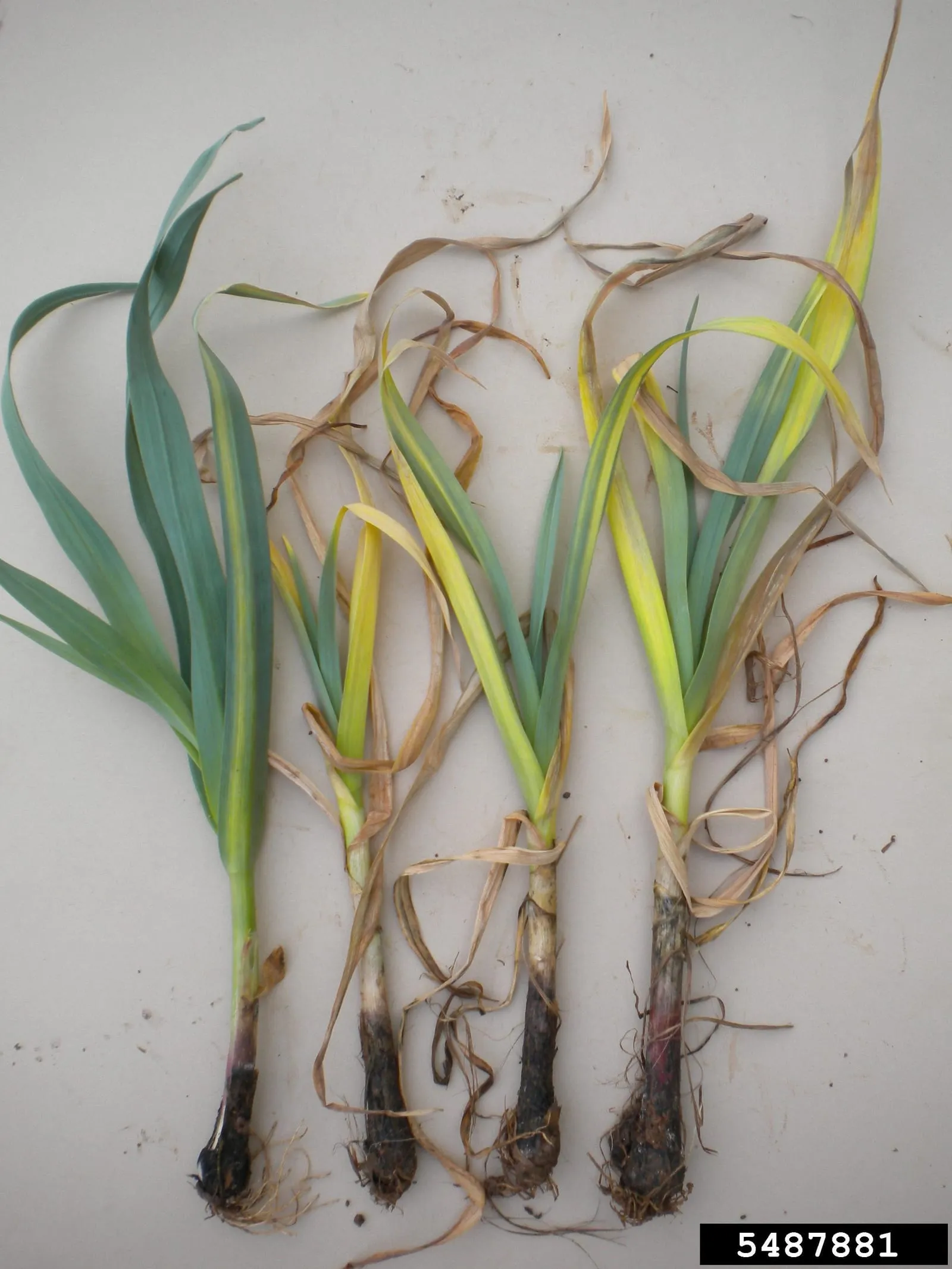
Disease pressure to watch for
Modified care for zone 5b
The primary zone 5b adjustment for fall-planted shallots is winter protection. A 4 to 6 inch layer of straw mulch applied after the first hard freeze reduces frost heave and buffer against the -10 to -15°F minimums this zone regularly sees. Remove mulch gradually in early spring to avoid promoting rot as soils warm.
Onion White Rot, a persistent soilborne fungus, is more active in cool, moist conditions, which describes zone 5b springs accurately. Rotate allium plantings on a minimum four-year cycle. Avoid overwatering in May when soils are still cold; good drainage is more important here than in warmer zones where soil temperatures rise faster and dry more quickly.
Spring-planted sets in zone 5b can be pushed out early, but plant into well-drained raised beds or amended soil to prevent waterlogging during the typical wet April period. Deep clay soils common in parts of this zone benefit from significant organic matter incorporation before planting.
Frequently asked questions
- Can shallots overwinter in zone 5b?
Yes, but with protection. Zone 5b winters regularly reach -10 to -15°F, which can kill unprotected sets. Fall-planted shallots need 4 to 6 inches of straw mulch applied after the first hard freeze. Spring planting is more reliable and still allows full maturity before mid-summer harvest.
- What shallot varieties perform best in zone 5b?
French Red and Dutch Yellow are both suited to the zone 5b growing season. Both are day-length sensitive and bulb up well under the long June days typical of this latitude. Either can be spring or fall planted, though spring planting carries less winter-kill risk.
- How do I manage Onion White Rot in zone 5b?
Onion White Rot thrives in the cool, moist spring conditions zone 5b delivers reliably. The most effective control is a strict four-year rotation away from any allium crop. The fungal sclerotia can persist in soil for 20 or more years, so avoid importing soil or transplants from infected beds.
- When should I harvest shallots in zone 5b?
For spring-planted sets, expect harvest between mid-July and early August, roughly 90 to 110 days after planting. Watch for foliage yellowing and toppling, and check that the neck has softened before pulling. Cure harvested bulbs in a dry, ventilated spot for two to three weeks before storage.
+−
+−
+−
+−
Shallot in adjacent zones
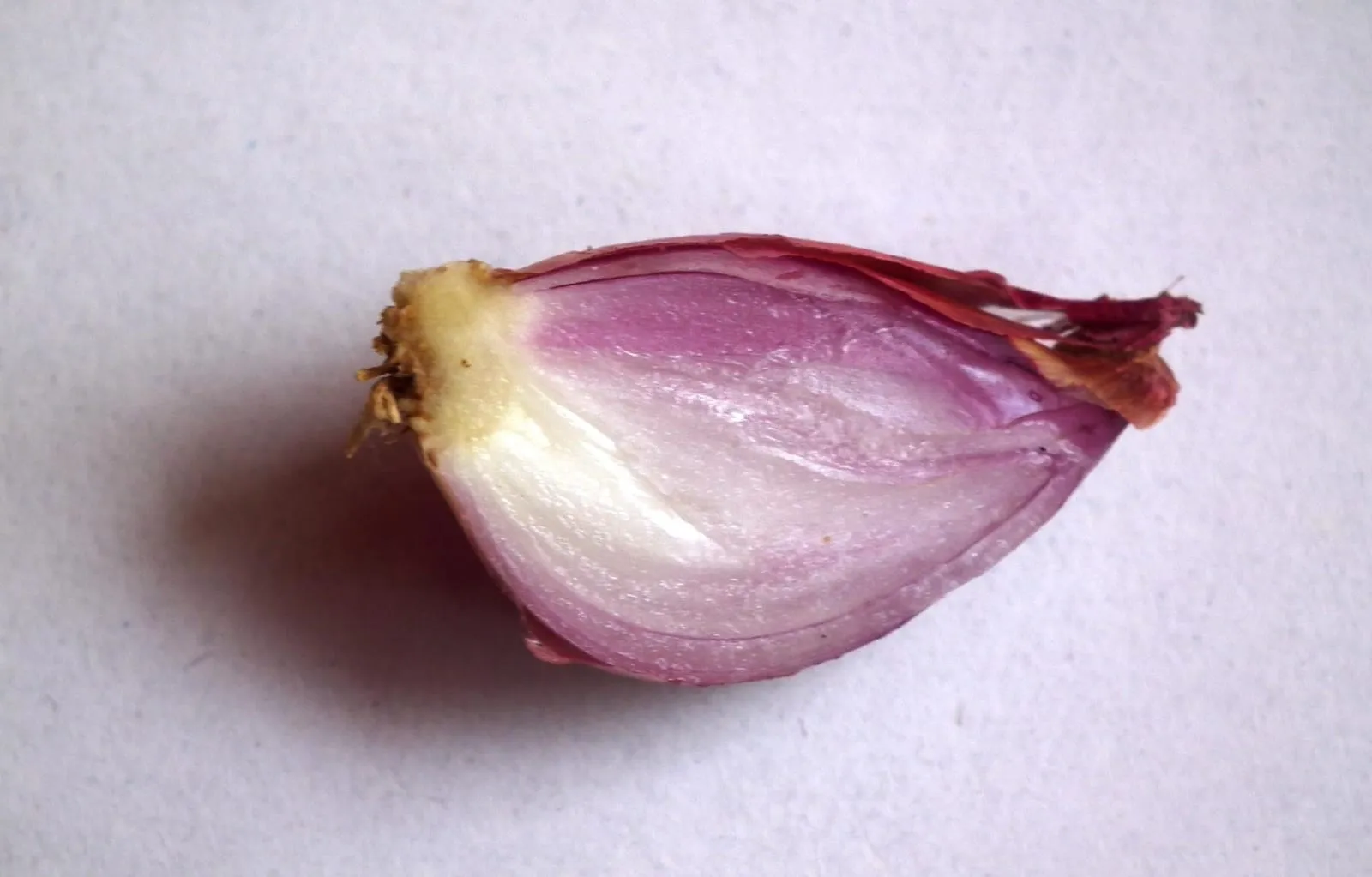
Image: "Shallot - Piece", by Ramesh NG, via Wikimedia Commons, licensed under CC-BY Source.

Related