vegetable in zone 5a
Growing shallot in zone 5a
Allium cepa var. aggregatum
- Zone
- 5a -20°F to -15°F
- Growing season
- 150 days
- Suitable varieties
- 2
- Days to harvest
- 100 to 120
The verdict
Zone 5a is a reliable growing region for shallots, not a marginal one. Shallots are cool-season alliums that require a cold vernalization period to trigger proper bulb development, and the zone's winter lows of -20 to -15°F provide that signal readily. The 150-day growing season is sufficient for most varieties to complete their cycle, particularly French Red and Dutch Yellow, both of which were selected to perform in northern climates with abbreviated seasons.
Shallots do not require chill hours in the same way tree fruits do, but they do respond to day-length and cold exposure. Zone 5a delivers both. Fall-planted sets that overwinter under mulch emerge earlier in spring and often produce larger bulbs than spring-planted stock. The main limiting factor is not cold tolerance but rather soil drainage during the freeze-thaw cycles common to this zone.
Recommended varieties for zone 5a
2 cultivars suited to this zone, with disease-resistance and zone-fit annotations.
| Variety | Notes | Zone fit | Disease resistance |
|---|---|---|---|
| French Red fits zone 5a | Sweet, complex, mild garlicky-onion flavor; copper-skinned elongated bulbs. Vinaigrettes, sauces, sauteing where finesse matters. Stores 6-9 months. | | none noted |
| Dutch Yellow fits zone 5a | Mild-sweet, refined, less pungent than onion; round yellow-skinned bulbs. Sauces, vinaigrettes, raw applications. Stores 6-8 months. The European workhorse shallot. | | none noted |
Critical timing for zone 5a
Fall planting runs from mid-October through early November, before the ground freezes hard. Sets planted in this window establish roots before dormancy and break dormancy earlier the following spring, typically in late March or early April when soil temperatures reach 35 to 40°F.
Spring planting is possible and more common, with sets going in as soon as the soil is workable, usually late March to mid-April in zone 5a. Late spring frosts, a documented zone challenge, pose some risk to emerging foliage but rarely cause serious damage since shallot tops regenerate quickly. Bulbs are ready for harvest when the foliage yellows and flops over, typically mid-July through early August for fall-planted stock and late July through August for spring-planted.
Common challenges in zone 5a
- ▸ Fire blight in pears
- ▸ Cedar-apple rust
- ▸ Late spring frosts
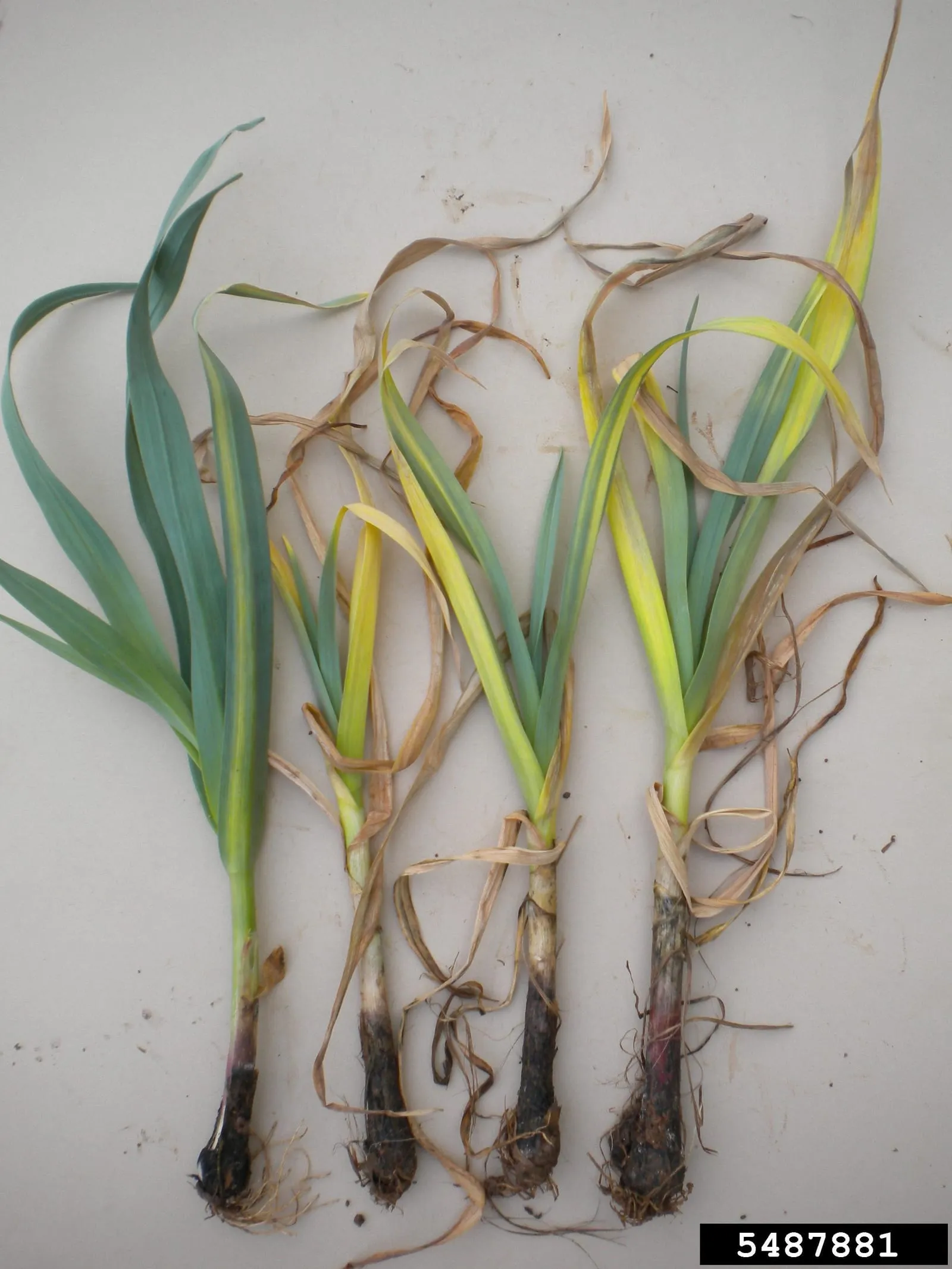
Disease pressure to watch for
Modified care for zone 5a
Fall-planted shallots in zone 5a need 3 to 4 inches of straw or shredded leaf mulch applied after the first hard freeze to protect bulbs from repeated freeze-thaw heaving. Remove the mulch gradually in early spring as growth resumes.
Onion White Rot (Sclerotium cepivorum) is the primary disease concern. This soilborne fungus thrives in the cool, wet soil conditions that are common in zone 5a during spring. Crop rotation on a minimum 8-year cycle is the most effective management approach; the sclerotia persist in soil for decades and no fungicide fully controls established infestations. Raised beds or amended sandy loam that drains quickly reduces infection pressure considerably. Avoid overhead irrigation once bulb initiation begins in June, as wet foliage in cool weather extends the fungus's active window.
Frequently asked questions
- Can shallots overwinter in zone 5a without protection?
Shallots can survive zone 5a winters but perform better with mulch. Without mulch, repeated freeze-thaw cycles can heave bulbs out of the soil, exposing them to desiccation. A 3 to 4 inch straw layer applied after the ground first freezes reduces heaving and improves spring emergence.
- Which shallot variety performs best in zone 5a?
Both French Red and Dutch Yellow are suitable for zone 5a. French Red tends to have better cold tolerance for fall planting; Dutch Yellow is more forgiving of spring planting and stores well through winter. Local trial results from zone 4 and 5 extension trials favor Dutch Yellow for reliable bulb size in shorter seasons.
- How do I know when shallots are ready to harvest in zone 5a?
Harvest when roughly half the foliage has yellowed and fallen over, typically mid-July through August depending on planting date. Dig bulbs on a dry day and cure them in a warm, ventilated spot for 2 to 3 weeks before storage. Harvesting too early results in poor storage life.
+−
+−
+−
Shallot in adjacent zones
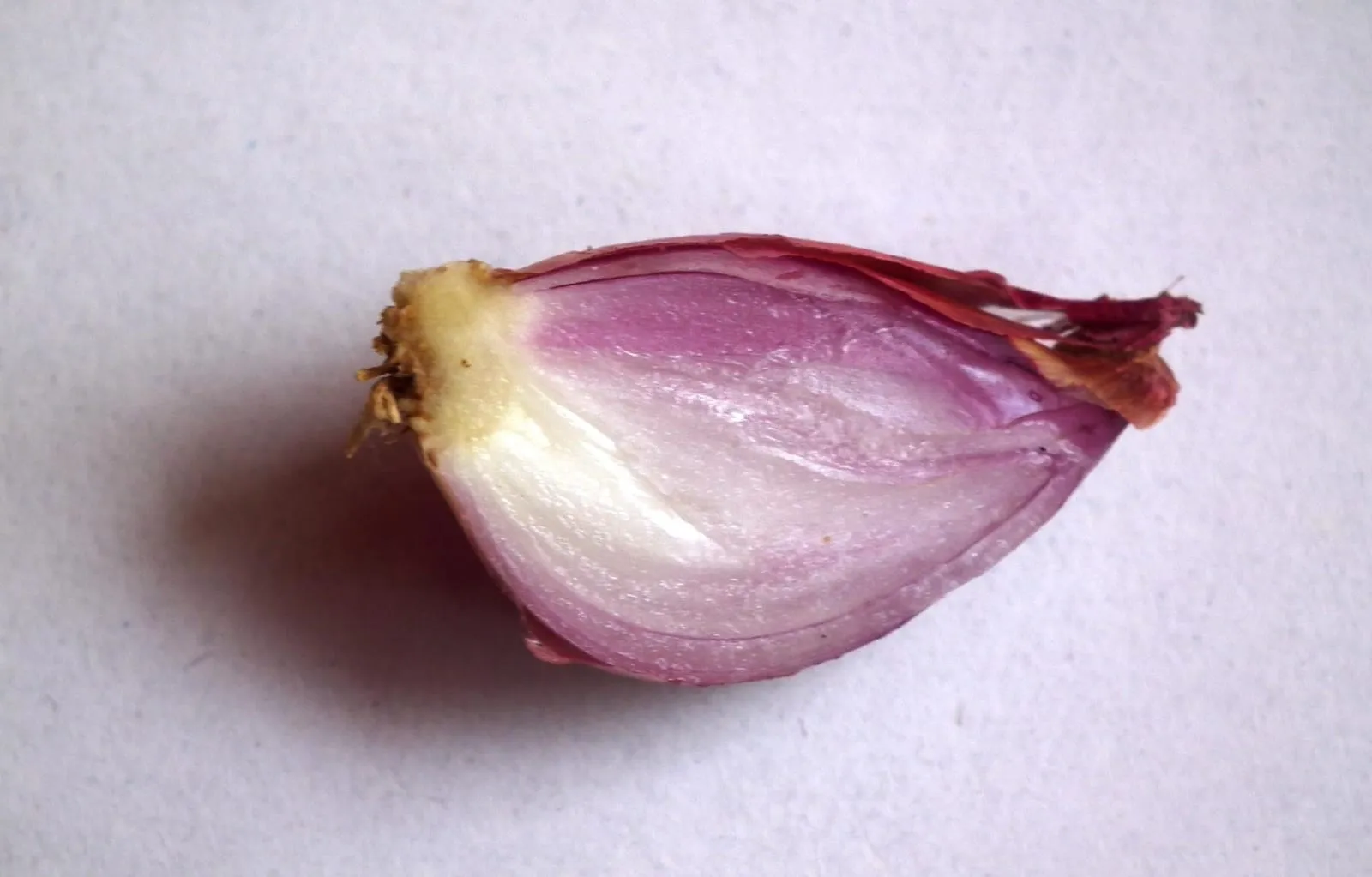
Image: "Shallot - Piece", by Ramesh NG, via Wikimedia Commons, licensed under CC-BY Source.

Related