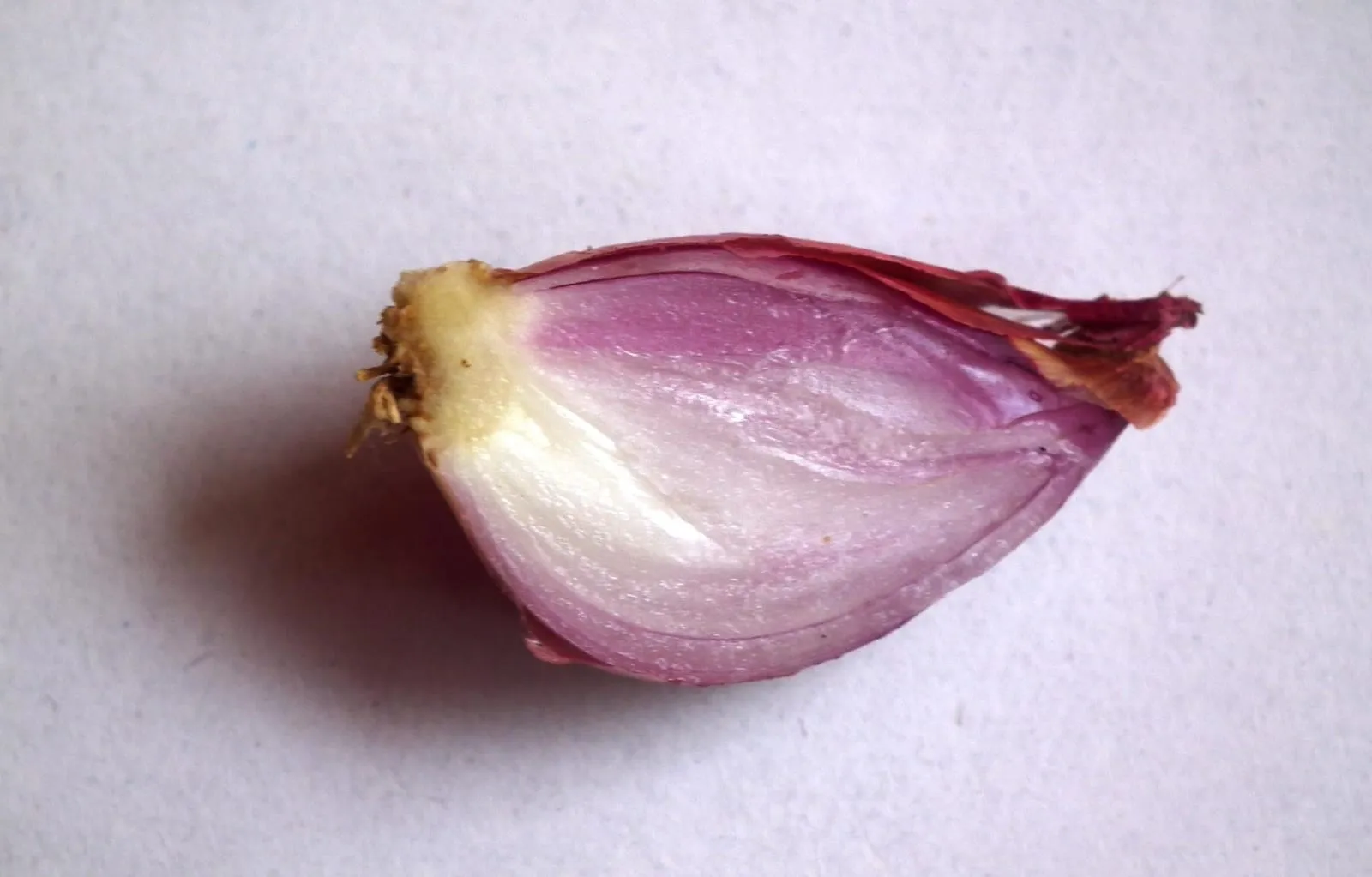
vegetable in zone 4b
Growing shallot in zone 4b
Allium cepa var. aggregatum
- Zone
- 4b -25°F to -20°F
- Growing season
- 130 days
- Suitable varieties
- 2
- Days to harvest
- 100 to 120
The verdict
Shallots are well-suited to zone 4b and perform reliably across most of the northern growing range. Unlike fruit trees, shallots have no meaningful chill-hour requirement; their growth cycle is governed by day length and soil temperature rather than accumulated winter cold. The 130-day growing season in zone 4b is sufficient for both French Red and Dutch Yellow to size up fully before the end of summer, though it leaves little margin for a late start.
This is not a marginal zone for shallots. The hard winters (-25°F to -20°F) are not a limiting factor for spring-planted sets, which go in after the last frost and are well above ground before any critical cold returns. The primary constraint is the compressed window between last spring frost (often mid-May in zone 4b) and the harvest window in late July to August. Growers who plant promptly and choose fast-maturing varieties consistently get full-sized bulbs.
Recommended varieties for zone 4b
2 cultivars suited to this zone, with disease-resistance and zone-fit annotations.
| Variety | Notes | Zone fit | Disease resistance |
|---|---|---|---|
| French Red fits zone 4b | Sweet, complex, mild garlicky-onion flavor; copper-skinned elongated bulbs. Vinaigrettes, sauces, sauteing where finesse matters. Stores 6-9 months. | | none noted |
| Dutch Yellow fits zone 4b | Mild-sweet, refined, less pungent than onion; round yellow-skinned bulbs. Sauces, vinaigrettes, raw applications. Stores 6-8 months. The European workhorse shallot. | | none noted |
Critical timing for zone 4b
In zone 4b, shallots are planted in spring, not fall. Sets go into the ground as soon as the soil can be worked and daytime temperatures are consistently above 40°F, typically late April to early May. Because the last frost in zone 4b often falls in mid-May, early plantings may need a row cover for the first few weeks.
Bulbing begins as day length increases past 14 hours, generally in late June. Tops begin to die back in late July, signaling that harvest is near. Pulling bulbs in early to mid-August, before prolonged wet weather arrives, gives the best curing results. Allowing plants to flower shortens the storage life of the bulbs; if scapes appear, remove them promptly.
Common challenges in zone 4b
- ▸ Spring frost timing
- ▸ Apple scab pressure
- ▸ Cane berry winter dieback
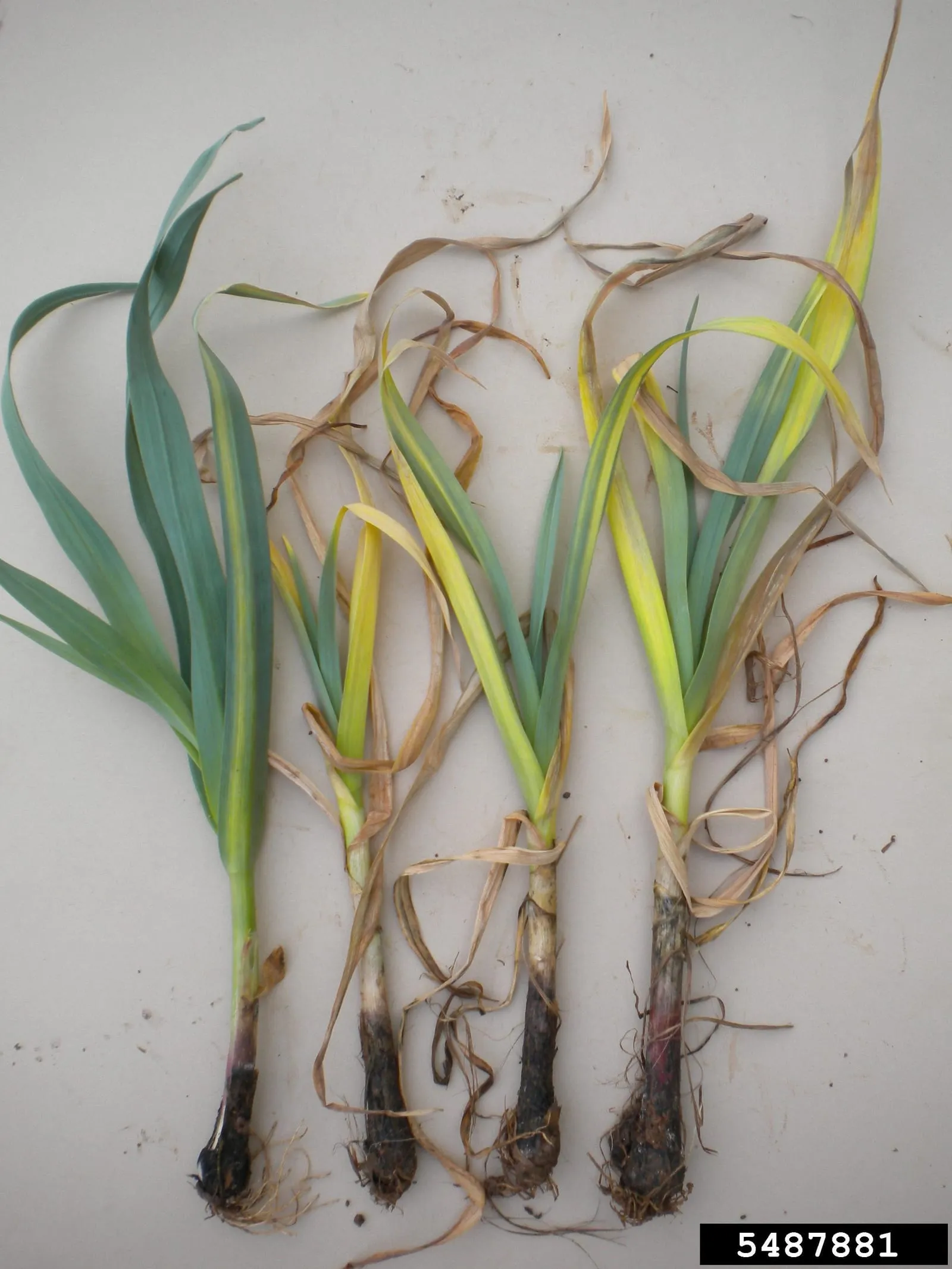
Disease pressure to watch for
Modified care for zone 4b
The most significant adjustment in zone 4b is timing: shallots that would be fall-planted in zones 6 and warmer must be spring-planted here. Delaying past mid-May compresses the bulbing window and reduces final size. Plant sets shallowly, about 1 inch deep, and mulch lightly to hold soil moisture during dry spells in June.
Onion White Rot (Sclerotium cepivorum) is the primary disease risk for alliums in zone 4b. The pathogen persists in soil for decades and is most active in cool, moist spring conditions, exactly when shallots are establishing. Avoid planting in beds with any history of white rot, and do not compost infected material. Rotating alliums to a new bed every three to four years is the most practical preventive measure available to home growers.
Frequently asked questions
- Can shallots be planted in fall in zone 4b?
Fall planting is not reliable in zone 4b. Winter minimums of -25°F to -20°F, combined with freeze-thaw heaving in early spring, kill or dislodge unestablished sets before they can root deeply. Spring planting as soon as the soil is workable is the standard approach for zone 4b.
- Which shallot varieties perform best in zone 4b?
French Red and Dutch Yellow are both established performers in cold northern zones. French Red tends to have a more pungent flavor and stores slightly longer; Dutch Yellow produces milder, golden-skinned bulbs and matures a few days earlier, which matters in a 130-day season.
- How do I know when shallots are ready to harvest in zone 4b?
Harvest when roughly half the tops have fallen over and begun to yellow, typically early to mid-August in zone 4b. Pull a test bulb first; the outer skin should feel papery and dry. Cure bulbs in a single layer in a warm, ventilated spot for two to three weeks before storage.
+−
+−
+−
Shallot in adjacent zones
Image: "Shallot - Piece", by Ramesh NG, via Wikimedia Commons, licensed under CC-BY Source.

Related