vegetable in zone 4a
Growing shallot in zone 4a
Allium cepa var. aggregatum
- Zone
- 4a -30°F to -25°F
- Growing season
- 120 days
- Suitable varieties
- 2
- Days to harvest
- 100 to 120
The verdict
Shallots are a reliable fit for zone 4a. Unlike many alliums grown primarily for heat, shallots are long-day bulb crops that respond to photoperiod rather than accumulated chill hours, so the -30 to -25°F winter temperature range is not a disqualifier. The 120-day growing season is tight but workable: most shallot varieties mature in 90 to 110 days from transplant or set, leaving a reasonable buffer before first fall frost.
French Red and Dutch Yellow are both appropriate choices for this zone. French Red tends to have a shorter dormancy requirement and handles variable spring temperatures reasonably well. Dutch Yellow is a heavier yielder and stores reliably through winter, which matters in a zone where the season ends abruptly.
The primary constraint in zone 4a is not cold tolerance but timing: the compressed season requires disciplined spring planting and leaves little room for a late start. Shallots are not marginal here, but growers cannot afford the delays that milder zones absorb.
Recommended varieties for zone 4a
2 cultivars suited to this zone, with disease-resistance and zone-fit annotations.
| Variety | Notes | Zone fit | Disease resistance |
|---|---|---|---|
| French Red fits zone 4a | Sweet, complex, mild garlicky-onion flavor; copper-skinned elongated bulbs. Vinaigrettes, sauces, sauteing where finesse matters. Stores 6-9 months. | | none noted |
| Dutch Yellow fits zone 4a | Mild-sweet, refined, less pungent than onion; round yellow-skinned bulbs. Sauces, vinaigrettes, raw applications. Stores 6-8 months. The European workhorse shallot. | | none noted |
Critical timing for zone 4a
In zone 4a, sets or transplants go in the ground as soon as soil is workable in spring, typically late April to mid-May. Shallots tolerate light frost and benefit from early establishment before day length surpasses 14 hours, which triggers bulb initiation. Planting after the window closes produces small, underdeveloped bulbs.
Harvest lands in late August to mid-September, depending on planting date and variety. Tops will begin to yellow and fall over as bulbs mature. With a 120-day growing season, there is little slack: sets planted in mid-May are racing to mature before the first hard frost in late September or early October.
Fall planting is possible in zone 4a but risky. Sets planted in October need heavy mulch to survive temperatures that can reach -30°F, and survival rates are inconsistent without reliable snow cover.
Common challenges in zone 4a
- ▸ Late frosts damage early bloomers
- ▸ Limited peach varieties
Disease pressure to watch for
Modified care for zone 4a
The most important adjustment in zone 4a is planting timing. Missing the early spring window by two to three weeks can reduce bulb size noticeably, because plants spend less time in vegetative growth before day length forces them into bulb formation.
For fall-planted sets, a 4- to 6-inch mulch layer of straw or shredded leaves is necessary to insulate against the hard freezes characteristic of this zone. Remove mulch gradually in spring to prevent rot as soils warm.
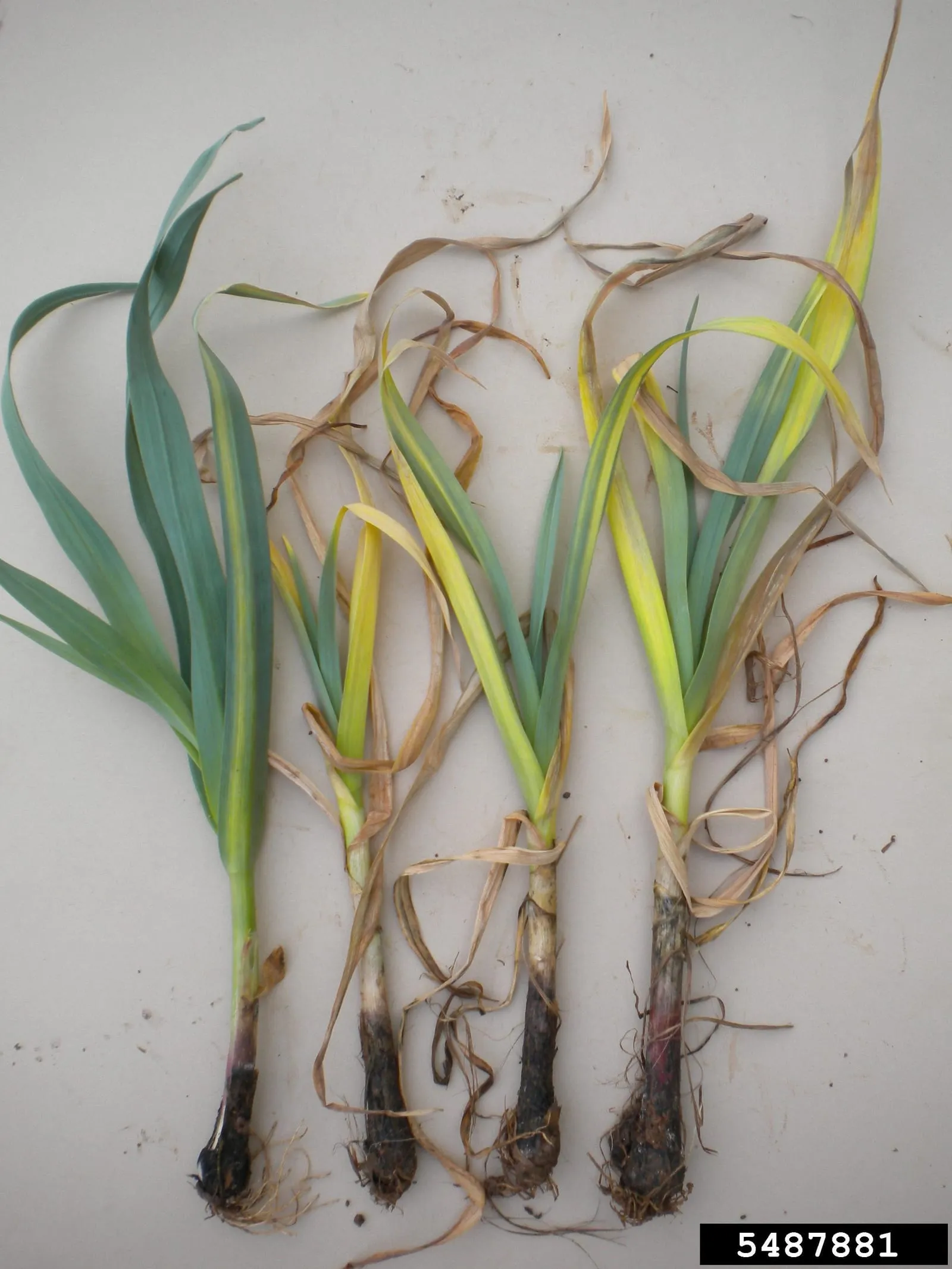
Onion White Rot, caused by the soilborne fungus Stromatinia cepivora, is the primary disease concern. The pathogen persists in soil for decades, so rotation is essential. Do not plant alliums in the same bed more than once every four to five years. In wet, cool springs typical of zone 4a, soil conditions favor infection; raised beds or well-drained sites reduce risk meaningfully. There are no fully resistant shallot varieties, so prevention through site management is the only reliable control.
Frequently asked questions
- Can shallots overwinter in zone 4a?
Fall-planted sets can survive zone 4a winters with 4 to 6 inches of mulch, but survival is not guaranteed when temperatures drop to -30°F without consistent snow cover. Spring planting is more reliable in this zone.
- Which shallot variety performs better in zone 4a, French Red or Dutch Yellow?
Both are suited to zone 4a. Dutch Yellow is a heavier yielder with better long-term storage, making it practical where the harvest season ends abruptly. French Red matures slightly earlier and handles variable spring temperatures well.
- How do I reduce Onion White Rot pressure in my shallot bed?
Rotate alliums to a new bed every four to five years, since the causal fungus persists in soil for decades. Well-drained or raised-bed sites dry out faster in cool, wet springs, which reduces infection pressure.
- What happens if shallots are planted too late in spring in zone 4a?
Late planting cuts into vegetative growth time before day length triggers bulb initiation. The result is smaller, less developed bulbs at harvest. In a 120-day season, even a two-week delay has a measurable effect on yield.
+−
+−
+−
+−
Shallot in adjacent zones
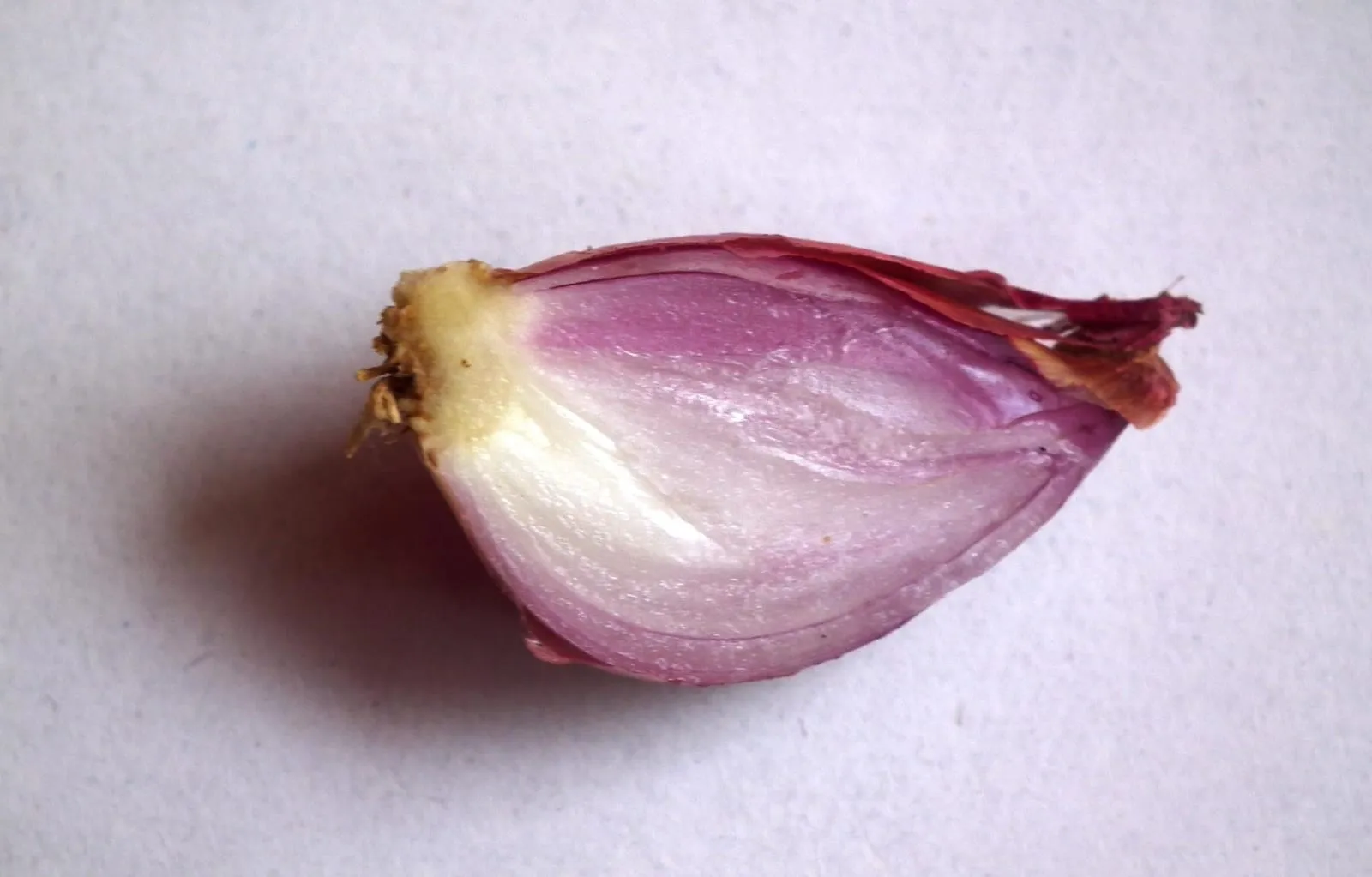
Image: "Shallot - Piece", by Ramesh NG, via Wikimedia Commons, licensed under CC-BY Source.

Related