vegetable in zone 3b
Growing shallot in zone 3b
Allium cepa var. aggregatum
- Zone
- 3b -35°F to -30°F
- Growing season
- 100 days
- Suitable varieties
- 0
- Days to harvest
- 100 to 120
The verdict
Shallots are a reasonable fit for zone 3b, though the 100-day growing season leaves little margin. Shallots grown from sets typically reach maturity in 90 to 110 days, which fits the window when planted as soon as soil is workable in late April or early May. Unlike fruit trees, shallots have no meaningful chill-hour requirement; they are long-day bulb crops that initiate bulbing once day length exceeds roughly 14 hours, a threshold zone 3b crosses reliably in June. The zone's temperature range of -35 to -30°F rules out fall planting and overwintering in the ground without heavy mulch, so most growers work with spring-planted sets rather than relying on established bulbs carrying over from the previous season. This is not a marginal zone for shallots as it is for many crops; it is simply a zone that requires timing discipline. Onion white rot is the primary disease risk to monitor, particularly in years with wet, cool spring soils.
Critical timing for zone 3b
Set planting begins as soon as the ground thaws and soil temperature reaches at least 35°F, typically late April to early May in zone 3b. Foliage growth accelerates through June and July as days lengthen. Bulbing initiates in late June once photoperiod conditions are met, and harvest falls in mid to late August when roughly half the tops have fallen over naturally. Curing before storage requires 2 to 3 weeks in a warm, dry location with good airflow. The first fall frost arrives as early as mid-September in much of zone 3b, so harvest timing is not flexible; delay past early September risks loss of cured bulbs to unexpected early frost.
Common challenges in zone 3b
- ▸ Short season
- ▸ Winter desiccation
- ▸ Site selection critical for fruit trees
Disease pressure to watch for
Modified care for zone 3b
The most critical adaptation in zone 3b is selecting the planting date precisely. Planting too early into cold, waterlogged soil invites rot at the base of the set; planting too late compresses the bulbing window. Sets planted in the first two weeks of May consistently outperform those planted in late April in zones with short seasons. Soil drainage matters more here than in milder zones because cool, wet spring conditions favor onion white rot, which can spread through a planting quickly. Raised beds or mounded rows improve drainage and warm faster in spring. Mulching with straw after planting moderates soil temperature swings in May. No summer shade is needed; zone 3b's moderate summer temperatures suit shallots well. Storage after curing should be at 32 to 40°F with low humidity to carry bulbs through the long winter.
Frequently asked questions
- Can shallots overwinter in zone 3b?
Overwintering shallots in the ground is unreliable in zone 3b given winter lows of -35 to -30°F. Spring planting from sets is the standard approach. Bulbs can be stored indoors over winter and replanted the following season.
- Is the 100-day growing season long enough for shallots?
Generally yes. Shallots from sets mature in 90 to 110 days. Planted in early May and harvested in mid-August, most varieties fit comfortably within zone 3b's frost-free window.
- What is onion white rot and how serious is it in zone 3b?
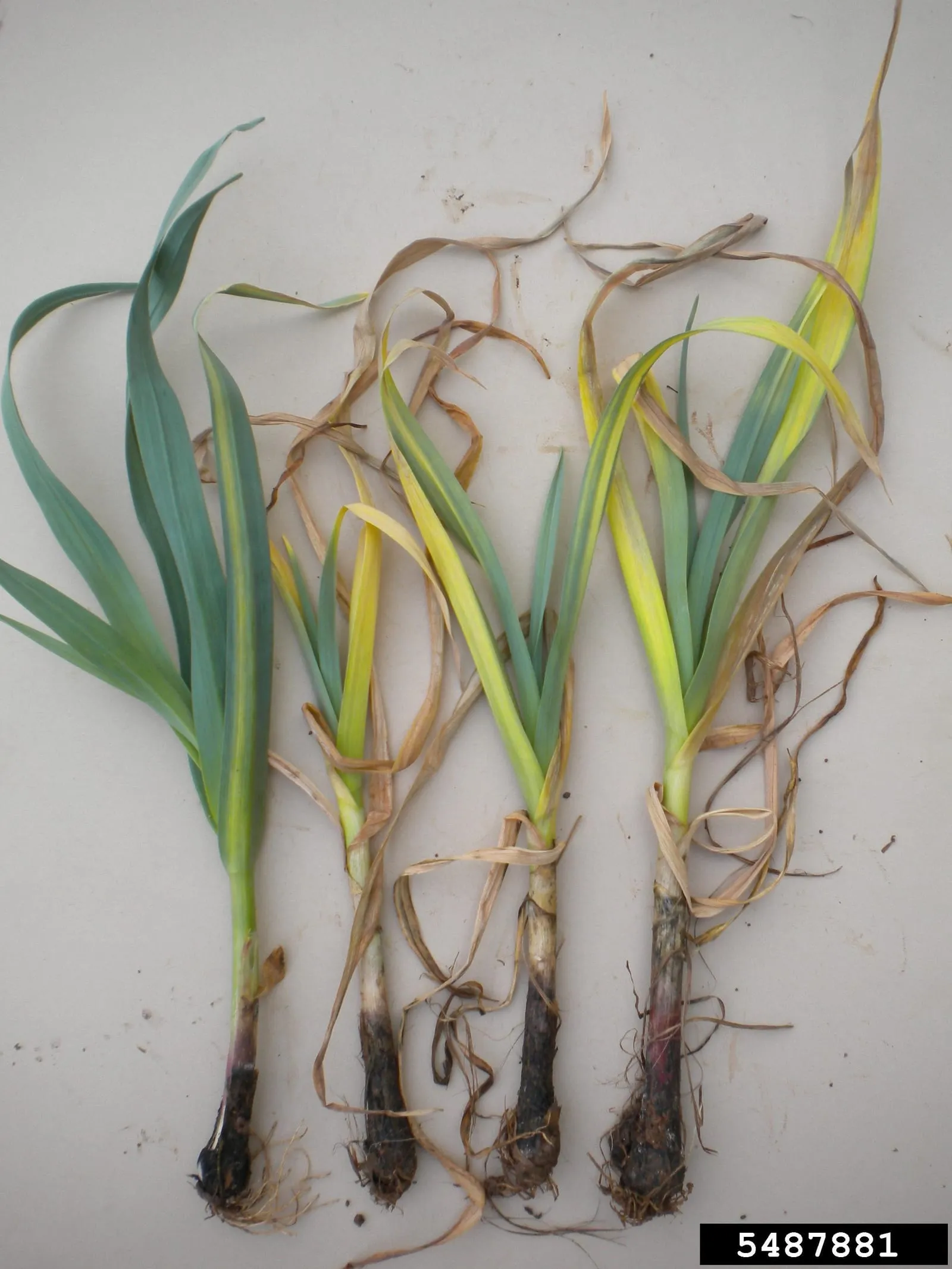
Onion white rot is a soilborne fungal disease that rots bulbs and roots, often visible as white fluffy growth at the bulb base. Cool, wet spring soils increase risk. Rotation and drainage are the main preventive measures; there is no effective cure once the pathogen establishes in a bed.
+−
+−
+−
Shallot in adjacent zones
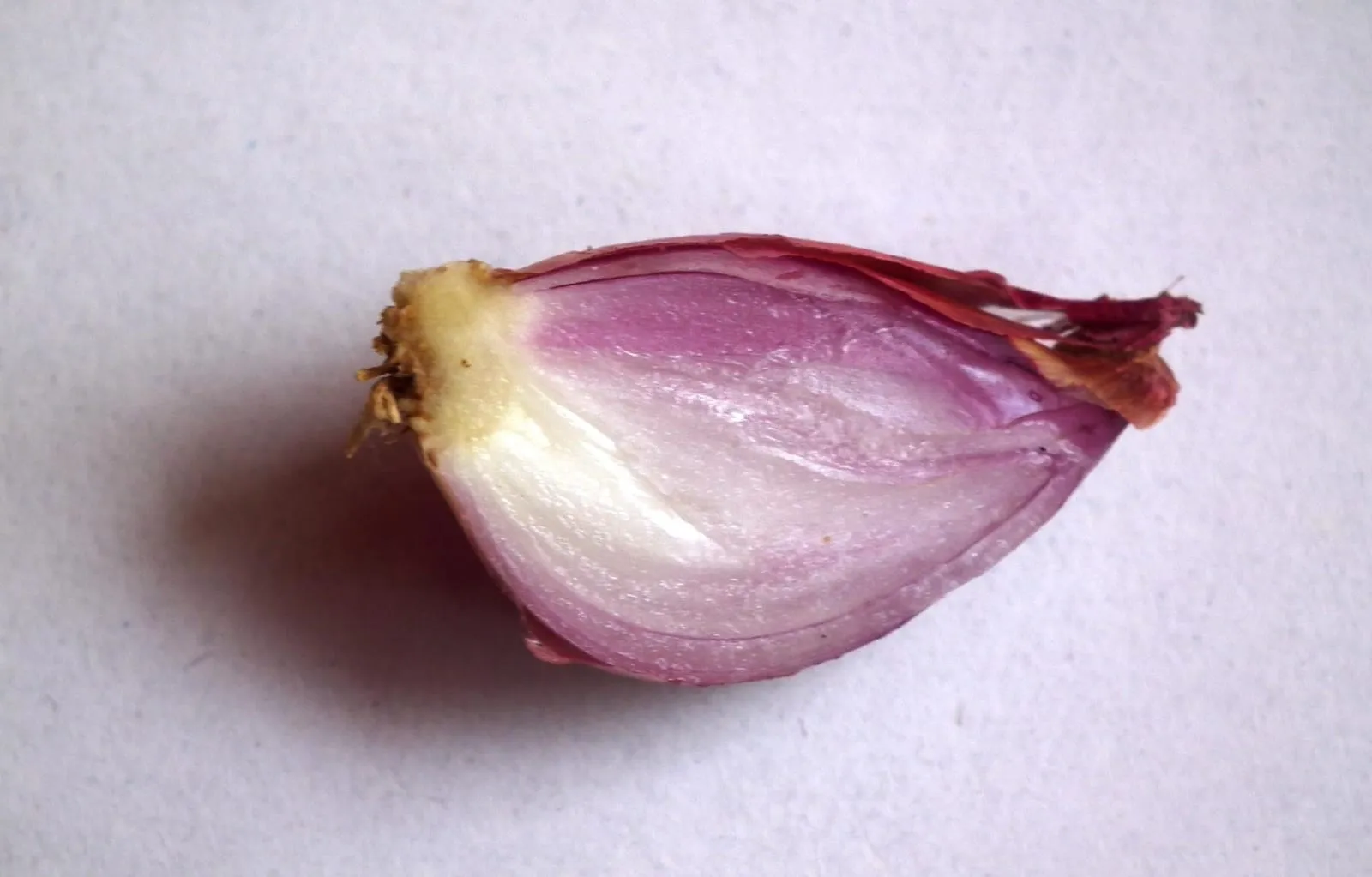
Image: "Shallot - Piece", by Ramesh NG, via Wikimedia Commons, licensed under CC-BY Source.

Related