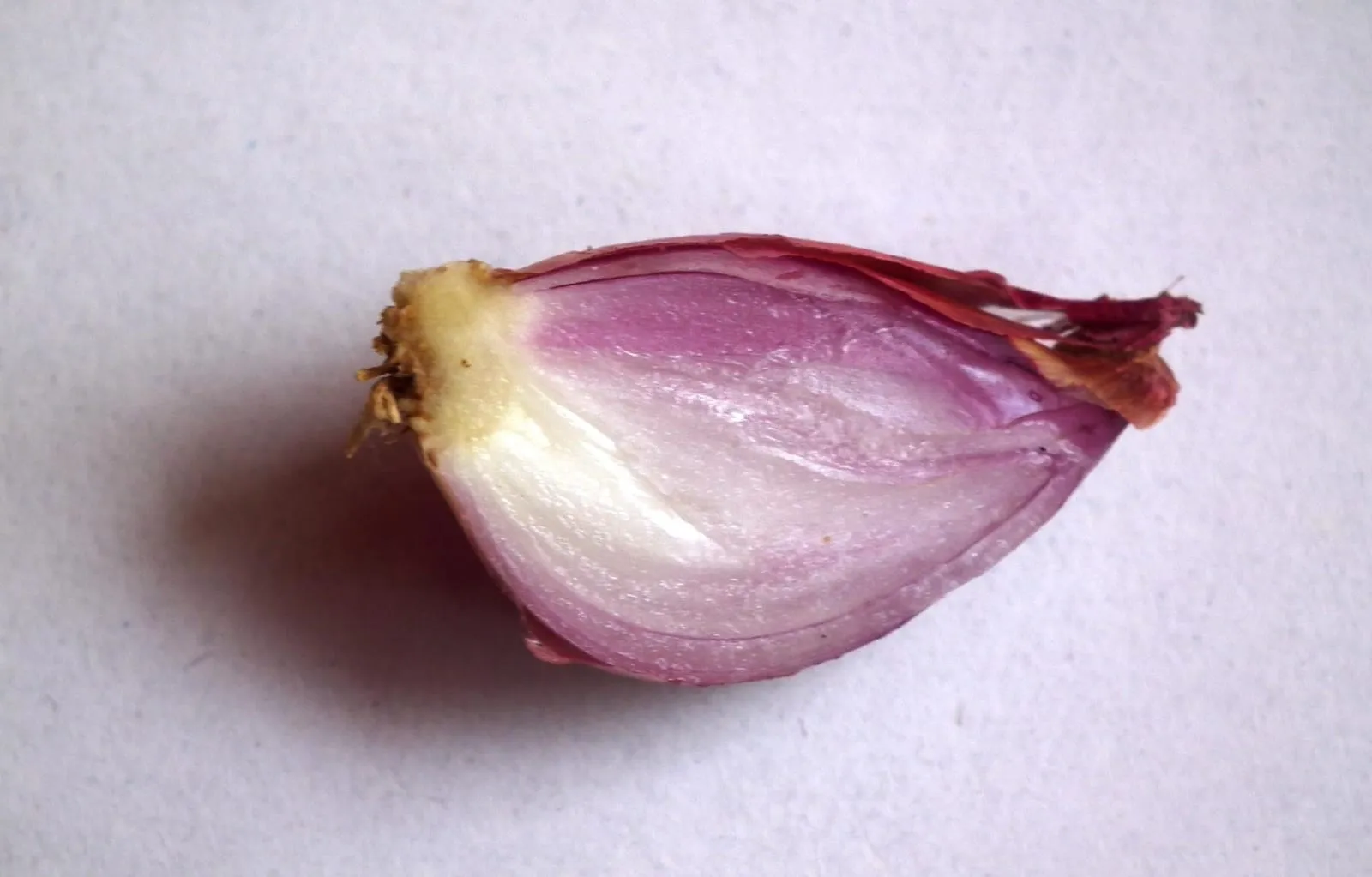
vegetable
Shallot
Allium cepa var. aggregatum
USDA hardiness range
- Zones
- 3b–8a
- Days to harvest
- 100 to 120
- Sun
- Full
- Water
- Moderate
- Lifespan
- biennial grown as annual
Growing shallot
Shallots occupy a distinct niche in the allium family: smaller, milder, and more complex than onions, with better storage capacity and a higher culinary ceiling. They perform reliably across a wide band from zone 3b through 8a, tolerating both the short growing seasons of the upper Midwest and the mild winters of the Mid-Atlantic. Beyond zone 8a, summer heat arrives before bulbs can size up properly, making consistent production difficult.
The crop is typically planted in early spring in zones 3b-6b, once the soil is workable but before sustained warm temperatures set in. In zones 7a-8a, fall planting (similar to garlic) is worth considering: bulbs overwinter as small sets and resume active growth in late winter, often producing larger yields than spring-planted stock.
What separates productive shallot plantings from failed ones is almost always soil drainage and planting time. Shallots rot readily in heavy, wet soils and will bolt prematurely if exposed to hard freezes after significant top growth has begun. Getting planting depth (1 to 2 inches for sets), spacing, and timing right at the start does more good than any mid-season adjustment. Days to harvest range from 100 to 120 depending on variety and planting date, with fall-planted bulbs often reaching maturity earlier in the season due to their established root systems.
Recommended varieties
See all 2 →2 cultivars for home growers, with notes on flavor, ripening, and disease resistance.
| Variety | Notes | Zone fit | Disease resistance |
|---|---|---|---|
| French Red | Sweet, complex, mild garlicky-onion flavor; copper-skinned elongated bulbs. Vinaigrettes, sauces, sauteing where finesse matters. Stores 6-9 months. | | none noted |
| Dutch Yellow | Mild-sweet, refined, less pungent than onion; round yellow-skinned bulbs. Sauces, vinaigrettes, raw applications. Stores 6-8 months. The European workhorse shallot. | | none noted |
Soil and site requirements
Shallots perform best in loose, well-drained loam or sandy loam with a pH between 6.0 and 7.0. Compacted or clay-heavy soils impede bulb expansion and trap moisture at the base of the plant, creating conditions favorable for Onion White Rot. Raised beds or mounded rows are worth the extra preparation on any site that drains slowly.
Full sun is not optional; shallots need at least 6 hours of direct light daily for reliable bulb formation. Partially shaded sites produce abundant greens but consistently undersized bulbs.
Spacing matters more than many growers expect. Sets or transplants placed 6 inches apart in rows 12 inches apart give each clump room to divide into multiple bulbs without competing for resources. Crowded plantings regularly yield small, poorly formed bulbs regardless of soil quality.
Microclimate selection is relevant in zones 4 and 5, where late spring frosts can damage emerging tops after planting. A south-facing bed or a site adjacent to a wall or structure offers a few degrees of frost protection that can make a material difference in marginal springs. Avoid low-lying areas where cold air pools and drainage is slow.
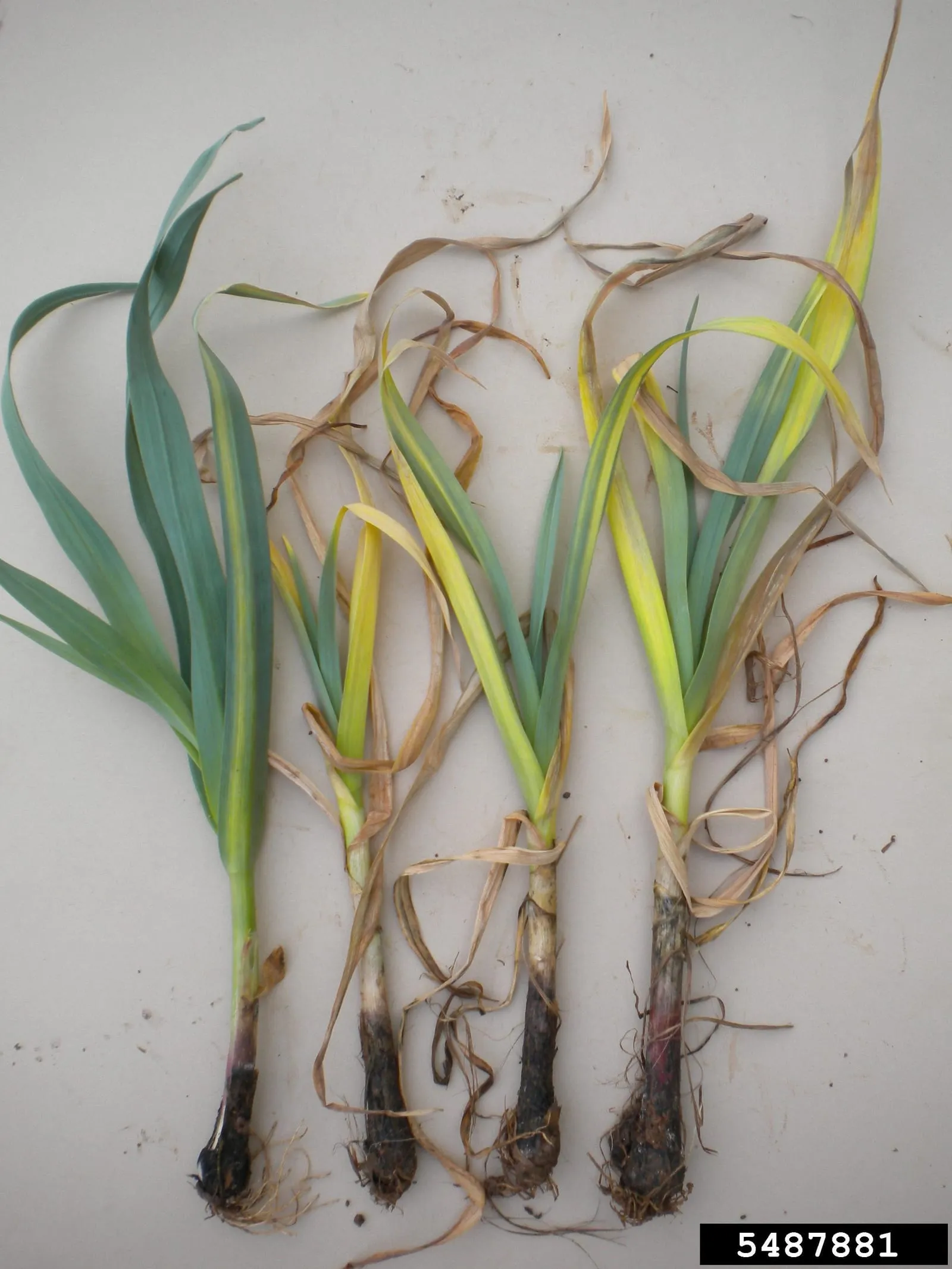
Common diseases
Common pests
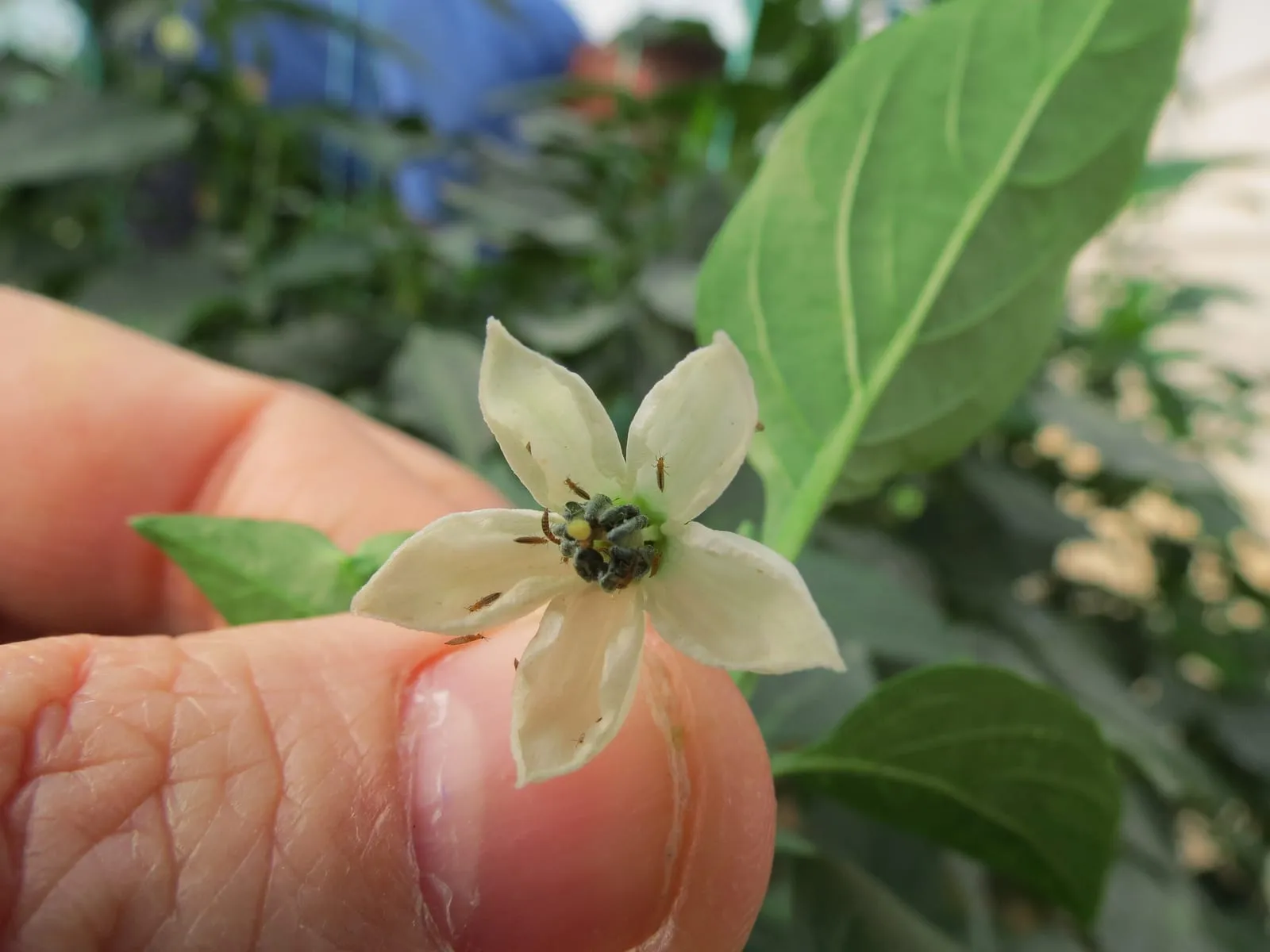
Thrips tabaci
Tiny slender insects that rasp leaf surfaces and suck plant juices. Most damaging on onion and garlic where they reduce bulb size and transmit Iris yellow spot virus.

Delia antiqua
Fly whose larvae tunnel into onion bulbs and roots, causing rot and stunted plants. Three generations per year in most US zones.
Common challenges
Onion White Rot is the most consequential disease threat. Caused by the soil-borne fungus Sclerotium cepivorum, it produces white mycelium at the base of the plant and small black sclerotia that persist in soil for 20 years or more. There is no effective cure once a planting is infected. Prevention means sourcing certified disease-free sets, rotating alliums out of any affected bed for at least seven to ten years, and avoiding moving soil from contaminated areas. Cornell Shallot Production covers the full management picture.
Onion Thrips (Thrips tabaci) feed on foliage and can reduce yields significantly during hot, dry stretches. Damage appears as silvery streaking on leaves. Overhead irrigation, which thrips dislike, serves as a practical deterrent; insecticidal soap or spinosad addresses heavier infestations.
The third common failure is premature bolting, triggered by extended cold exposure after the plant has begun active growth. This is more a timing error than a pest or disease problem: sets planted too early in spring in zones 3b-5b, or too late into fall in zones 7a-8a, are the usual culprits. Monitoring soil temperature and local frost-date windows at planting time reduces this risk considerably.
Frequently asked questions
- Do shallots require a chill period to form bulbs?
Shallots are day-length-sensitive rather than chill-hour-dependent. Bulb formation is triggered by long days (typically above 14 hours), not cold accumulation. Vernalization can influence bolting behavior but is not a prerequisite for bulb development the way it is for garlic or true biennial onions.
- How many days do shallots take from planting to harvest?
100 to 120 days, depending on variety and planting method. Fall-planted shallots in zones 7a-8a tend to mature earlier in the growing season because they resume active growth from an established root system in late winter rather than starting from scratch in spring.
- What USDA zones are suitable for growing shallots?
Zones 3b through 8a. Below zone 3b, the growing season may be too short for full bulb development even with spring planting. Above zone 8a, summer heat typically arrives before bulbs can mature, making reliable yields difficult.
- Are shallots self-fertile, or do they require pollinators?
Shallots propagate vegetatively: each planted set divides into a cluster of bulbs without any pollination. No pollinators are required for the bulb harvest. If grown for seed, pollinator access improves seed set, but most home growers are harvesting bulbs, not saving seed.
- What is the most common disease affecting shallots?
Onion White Rot, caused by the soil-borne fungus Sclerotium cepivorum. The black sclerotia it produces can remain viable in soil for 20 years or more, making prevention far more effective than treatment. Use certified disease-free planting stock and maintain long rotations out of alliums in any bed that has been affected.
- Can shallots be fall-planted like garlic?
In zones 7a through 8a, fall planting is a practical option. Sets planted in October or November overwinter and resume growth in late winter, often producing larger bulbs than spring-planted stock. In zones 6b and colder, fall-planted tops are vulnerable to winter kill, and spring planting is the standard approach.
- How long do harvested shallots store?
French Red stores 6 to 9 months; Dutch Yellow stores 6 to 8 months. Both require cool, dry, well-ventilated conditions. Curing bulbs in a warm, airy location for two to three weeks immediately after harvest, before moving them to long-term storage, extends shelf life noticeably.
+−
+−
+−
+−
+−
+−
+−
Sources
Image: "Shallot - Piece", by Ramesh NG, via Wikimedia Commons, licensed under CC-BY. Source.

Shallot by zone
Related