vegetable in zone 7b
Growing shallot in zone 7b
Allium cepa var. aggregatum
- Zone
- 7b 5°F to 10°F
- Growing season
- 220 days
- Suitable varieties
- 2
- Days to harvest
- 100 to 120
The verdict
Zone 7b is a reliable zone for shallots, sitting comfortably within the crop's preferred range rather than at its margins. Unlike fruit trees, shallots do not require a fixed chill-hour accumulation; they respond to day length and temperature transitions to trigger bulb development. Zone 7b's minimum winter temperatures of 5 to 10°F are cold enough to satisfy vernalization requirements for fall-planted sets without causing lethal freeze damage to established bulbs.
The 220-day growing season accommodates both planting windows: fall sets planted in October establish roots before dormancy and swell rapidly in late winter, while spring-planted sets have enough season to mature before summer heat stalls development. French Red and Dutch Yellow both perform well here, with Dutch Yellow showing somewhat better tolerance for the humid piedmont summers common in zone 7b.
The main risk is not cold but heat arriving early. When June temperatures climb before foliage has yellowed and toppled, bulbs stop sizing up and quality drops. Timing harvest correctly matters more in zone 7b than in cooler northern zones.
Recommended varieties for zone 7b
2 cultivars suited to this zone, with disease-resistance and zone-fit annotations.
| Variety | Notes | Zone fit | Disease resistance |
|---|---|---|---|
| French Red fits zone 7b | Sweet, complex, mild garlicky-onion flavor; copper-skinned elongated bulbs. Vinaigrettes, sauces, sauteing where finesse matters. Stores 6-9 months. | | none noted |
| Dutch Yellow fits zone 7b | Mild-sweet, refined, less pungent than onion; round yellow-skinned bulbs. Sauces, vinaigrettes, raw applications. Stores 6-8 months. The European workhorse shallot. | | none noted |
Critical timing for zone 7b
Fall planting is the preferred window in zone 7b: sets go in from late September through mid-November, root before the ground hardens, then resume active growth in late February as soil temperatures climb above 40°F. Flower scapes may emerge in late April or May, particularly on stressed or crowded plants; remove them promptly to redirect energy into bulb development.
Harvest typically runs from late May through mid-June, depending on planting date and season. The signal is foliage yellowing and falling over naturally, not a calendar date. Zone 7b's last frost generally falls between late March and mid-April, so established fall-planted bulbs face minimal frost risk during spring growth. Spring-planted sets, started in February or early March, follow a compressed 90 to 100 day schedule and generally yield smaller bulbs than fall-planted stock.
Common challenges in zone 7b
- ▸ Cedar-apple rust pressure heavy in piedmont
- ▸ Japanese beetles
- ▸ Brown marmorated stink bug
- ▸ Late summer disease pressure
Disease pressure to watch for
Modified care for zone 7b
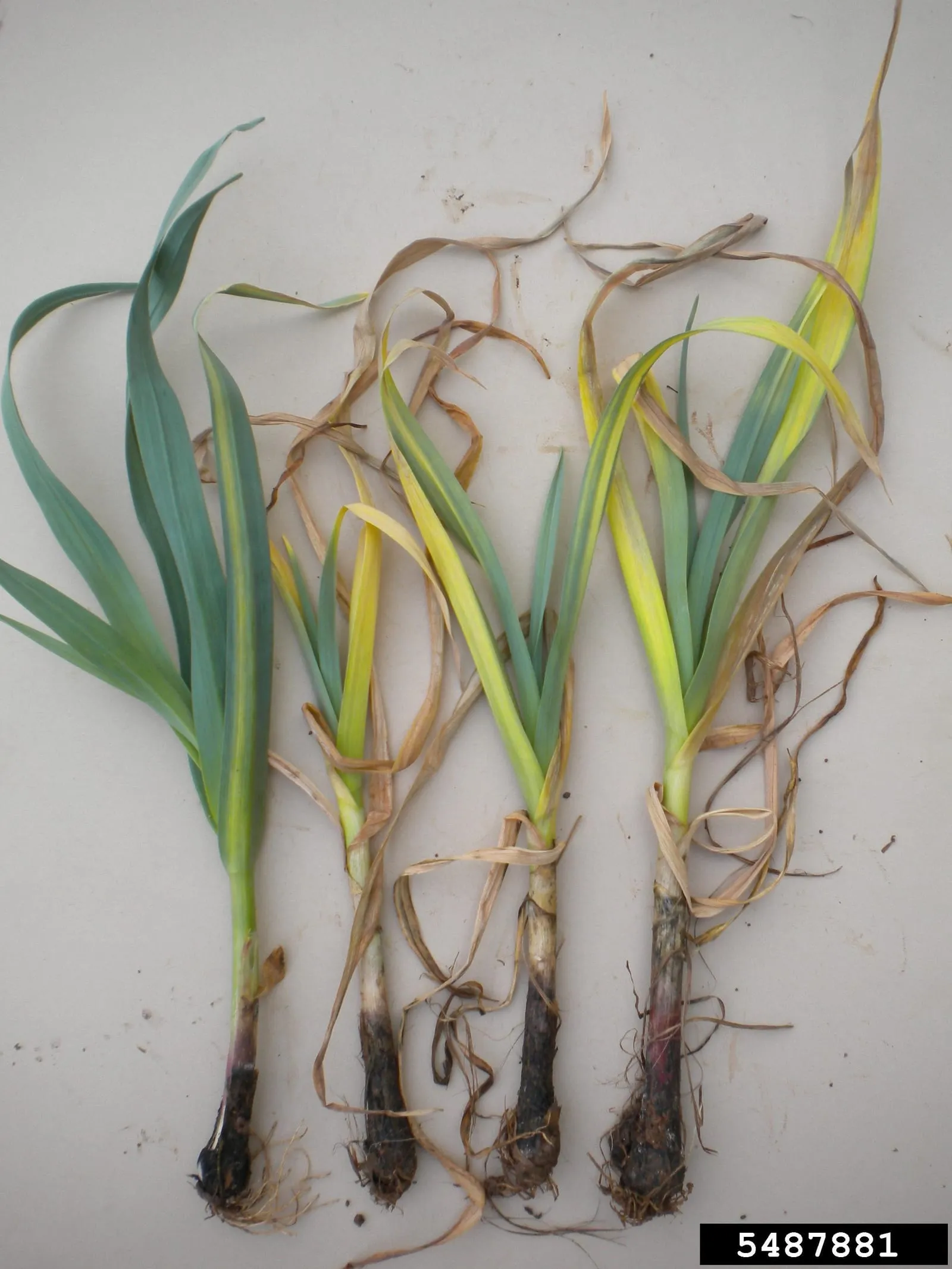
Onion White Rot (caused by Sclerotium cepivorum) is the most consequential disease risk in zone 7b. The fungus thrives in cool, moist spring conditions and produces sclerotia that persist in soil for 20 or more years. Strict rotation is the primary control: avoid planting any allium crop in a bed with known white rot history for at least eight years. There are no effective fungicide rescues once infection is visible at the bulb base.
Japanese beetles peak in June and July, overlapping with the curing period after harvest. They pose limited direct threat to shallot bulbs but can slow late-season foliage if populations are heavy, reducing bulb size in a poor year.
Brown marmorated stink bugs are worth monitoring from late August onward for any second-planting fall sets. Feeding punctures on young sets create entry points for fungal pathogens. A lightweight row cover during the first four weeks after fall planting reduces stink bug exposure without meaningfully altering soil temperature.
Shallot in adjacent zones
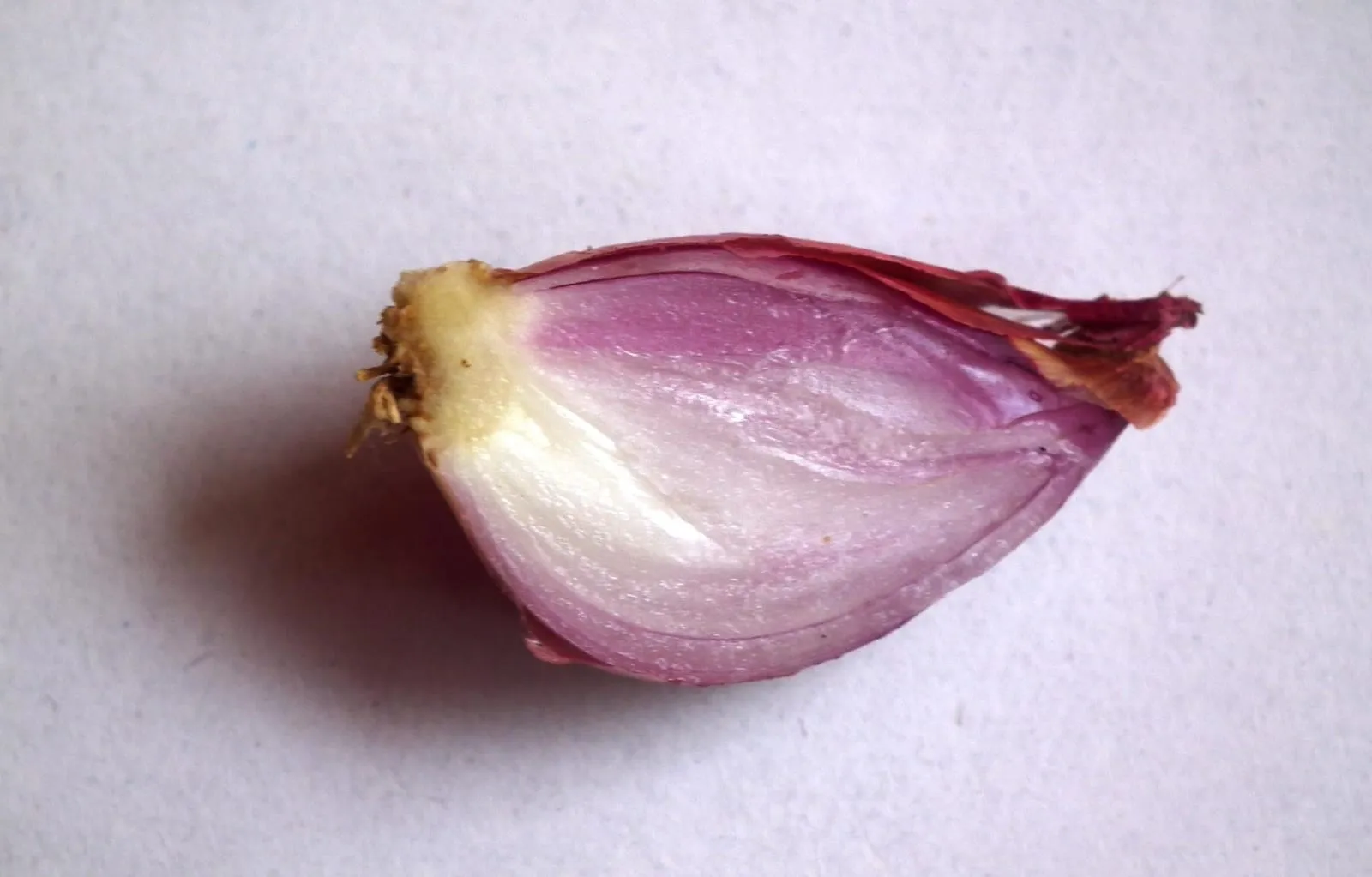
Image: "Shallot - Piece", by Ramesh NG, via Wikimedia Commons, licensed under CC-BY Source.

Related