vegetable in zone 8a
Growing shallot in zone 8a
Allium cepa var. aggregatum
- Zone
- 8a 10°F to 15°F
- Growing season
- 240 days
- Suitable varieties
- 0
- Days to harvest
- 100 to 120
The verdict
Zone 8a is a workable zone for shallots, not a marginal one, provided growers commit to fall planting. Shallots are cool-season alliums with no meaningful chill-hour requirement in the apple-variety sense; what they need is a sustained cool period for bulb development, which zone 8a's 10-15°F winter lows and mild shoulder seasons supply reliably. The 240-day growing season is an asset when used correctly: sets planted in September or October establish roots before cold arrives, resume growth in late February, and are ready to harvest before summer heat collapses the foliage.
The real constraint is the trailing edge of the season. Zone 8a summers arrive early and run hot. Shallots left in the ground past late May risk heat-induced rot and premature, undersized bulbs. The productive window is well-defined; growers who hit it consistently find zone 8a quite favorable.
Critical timing for zone 8a
Fall planting is the standard approach in zone 8a. Sets or transplants go in from late September through November, giving them roughly 10 to 14 weeks of cool weather before the coldest months slow top growth. Bulb division and sizing happen primarily from February through April as temperatures recover.
Harvest typically falls between late April and mid-May, just around zone 8a's average last frost (mid-February to mid-March for most of the zone). By the time frost risk has passed, shallots are often close to or at peak maturity. Watch the foliage: when roughly half the tops have fallen over and yellowed, the bulbs are ready to cure. Waiting for the traditional "all tops down" signal can push harvest into June heat in zone 8a, which risks loss.
Common challenges in zone 8a
- ▸ Insufficient chill hours for some apple varieties
- ▸ Pierce's disease in grapes
- ▸ Heat stress on cool-season crops
Disease pressure to watch for
Modified care for zone 8a
The primary adaptation in zone 8a is abandoning spring planting as a default strategy. In cooler zones, spring-planted sets have adequate time to size up before summer. In zone 8a, the window between soil workability and sustained heat is too narrow; sets planted in March or April frequently produce small, single-clove bulbs rather than divided clusters.
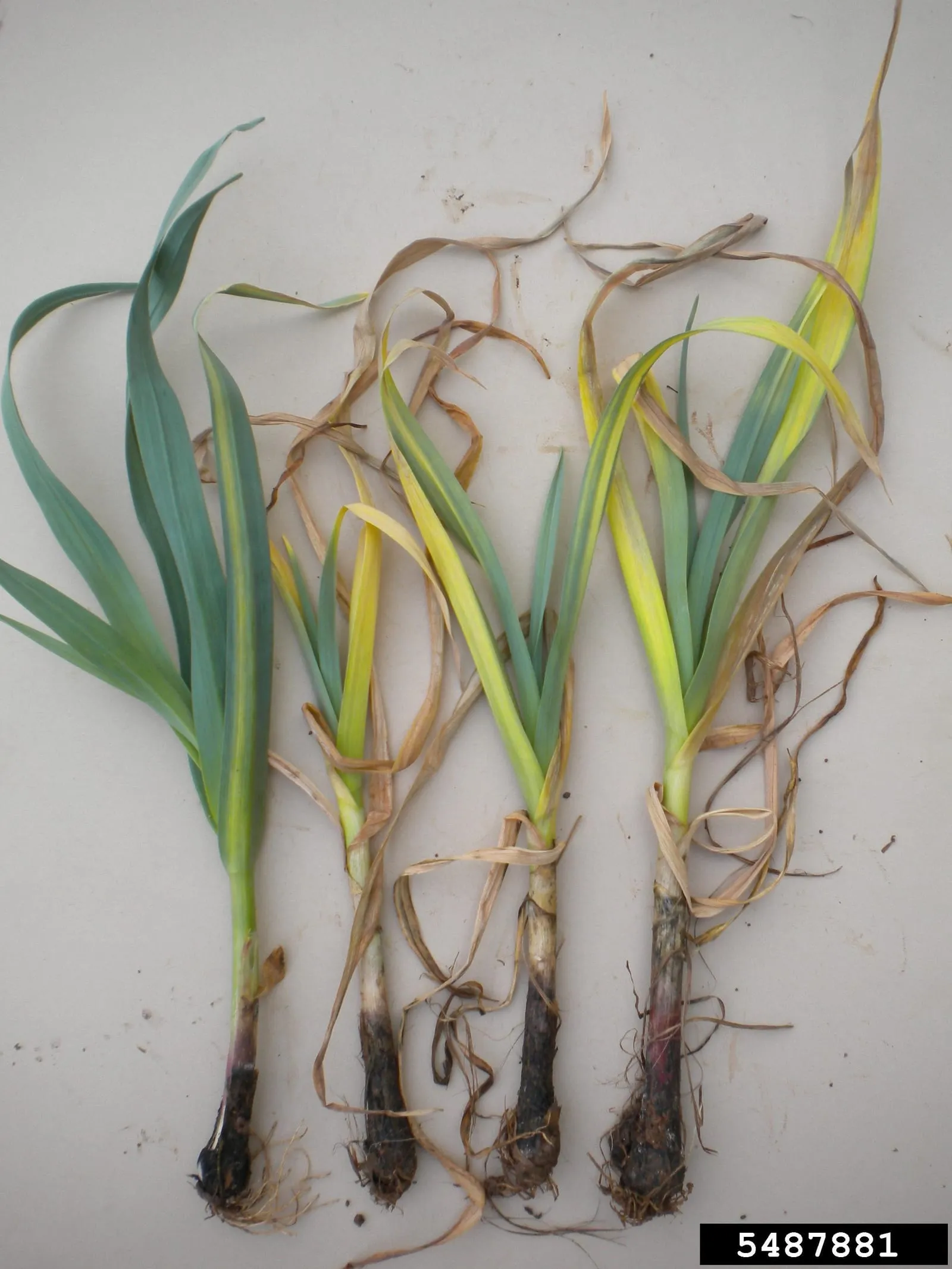
Onion white rot (Sclerotium cepivorum) is the disease most worth managing proactively here. The pathogen thrives in the cool, moist soil conditions that define a zone 8a winter, and its sclerotia persist in soil for 20 or more years once established. Rotate shallots and all alliums to a fresh bed every three to four years. Any bed where white rot has appeared should be treated as permanently contaminated for alliums. There is no effective chemical remedy after the fact; exclusion and rotation are the only practical tools.
Frequently asked questions
- Can shallots be grown as a spring crop in zone 8a?
Technically yes, but results are usually poor. The window between last frost and summer heat in zone 8a is too short for sets planted in spring to divide and size up properly. Fall planting, with harvest in late April or May, is the reliable approach for this zone.
- How serious is onion white rot in zone 8a?
Serious enough to plan around before it appears. Sclerotium cepivorum persists in soil for decades and has no effective post-infection treatment. Zone 8a's cool, wet winters create favorable conditions for infection. Rotating alliums to fresh ground every three to four years is the main preventive measure.
- When should shallots be harvested in zone 8a?
Late April through mid-May is the target window for most of zone 8a. Watch foliage rather than the calendar: harvest when roughly half the tops have yellowed and fallen. Waiting longer risks pushing into early summer heat, which can cause bulbs to rot in the ground before curing.
+−
+−
+−
Shallot in adjacent zones
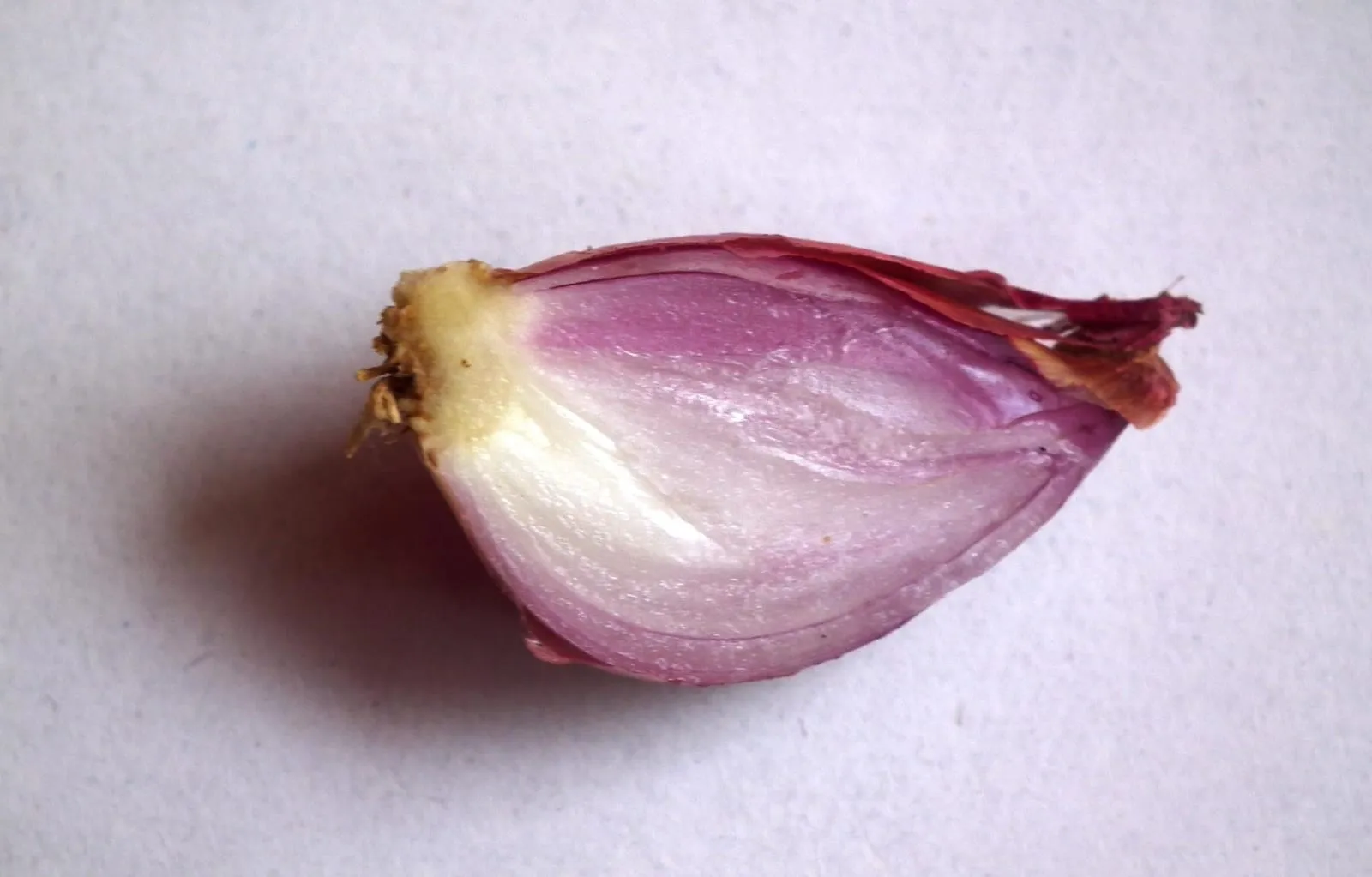
Image: "Shallot - Piece", by Ramesh NG, via Wikimedia Commons, licensed under CC-BY Source.

Related