vegetable in zone 7a
Growing shallot in zone 7a
Allium cepa var. aggregatum
- Zone
- 7a 0°F to 5°F
- Growing season
- 210 days
- Suitable varieties
- 2
- Days to harvest
- 100 to 120
The verdict
Zone 7a sits comfortably within the shallot's preferred range. Shallots are cool-season alliums that need a cold period to initiate bulb development, and zone 7a winters (minimum temperatures of 0 to 5°F) deliver that reliably without posing excessive risk to overwintering sets. The 210-day growing season is more than sufficient; shallots typically need 90 to 120 days from fall planting to harvest, well within what the zone provides.
French Red and Dutch Yellow both perform well here. French Red tends toward a more pronounced flavor and slightly better heat tolerance as spring warms; Dutch Yellow bulbs up quickly and stores reliably. Neither variety is marginal in 7a. The main limiting factor is not temperature but soil drainage and disease management, particularly Onion White Rot, which thrives in the cool, moist soil conditions that shallots also prefer.
Recommended varieties for zone 7a
2 cultivars suited to this zone, with disease-resistance and zone-fit annotations.
| Variety | Notes | Zone fit | Disease resistance |
|---|---|---|---|
| French Red fits zone 7a | Sweet, complex, mild garlicky-onion flavor; copper-skinned elongated bulbs. Vinaigrettes, sauces, sauteing where finesse matters. Stores 6-9 months. | | none noted |
| Dutch Yellow fits zone 7a | Mild-sweet, refined, less pungent than onion; round yellow-skinned bulbs. Sauces, vinaigrettes, raw applications. Stores 6-8 months. The European workhorse shallot. | | none noted |
Critical timing for zone 7a
In zone 7a, fall planting is the preferred approach. Sets go into the ground in October through early November, after the worst summer heat has passed but while soils remain workable. The plants overwinter as small rosettes, resume active growth in late February or early March as temperatures climb, and bulbs are typically ready for harvest by late May to mid-June.
Spring planting is also viable, with sets going in as early as late February when soil temperature reaches 35°F. Spring-planted shallots generally yield smaller bulbs than fall-planted ones. Flowering (bolting) can occur if plants experience a cold snap after spring growth begins; remove any flower scapes promptly to redirect energy into the bulb.
Common challenges in zone 7a
- ▸ Cedar-apple rust
- ▸ Brown rot
- ▸ Fire blight
- ▸ High humidity disease pressure
Disease pressure to watch for
Modified care for zone 7a
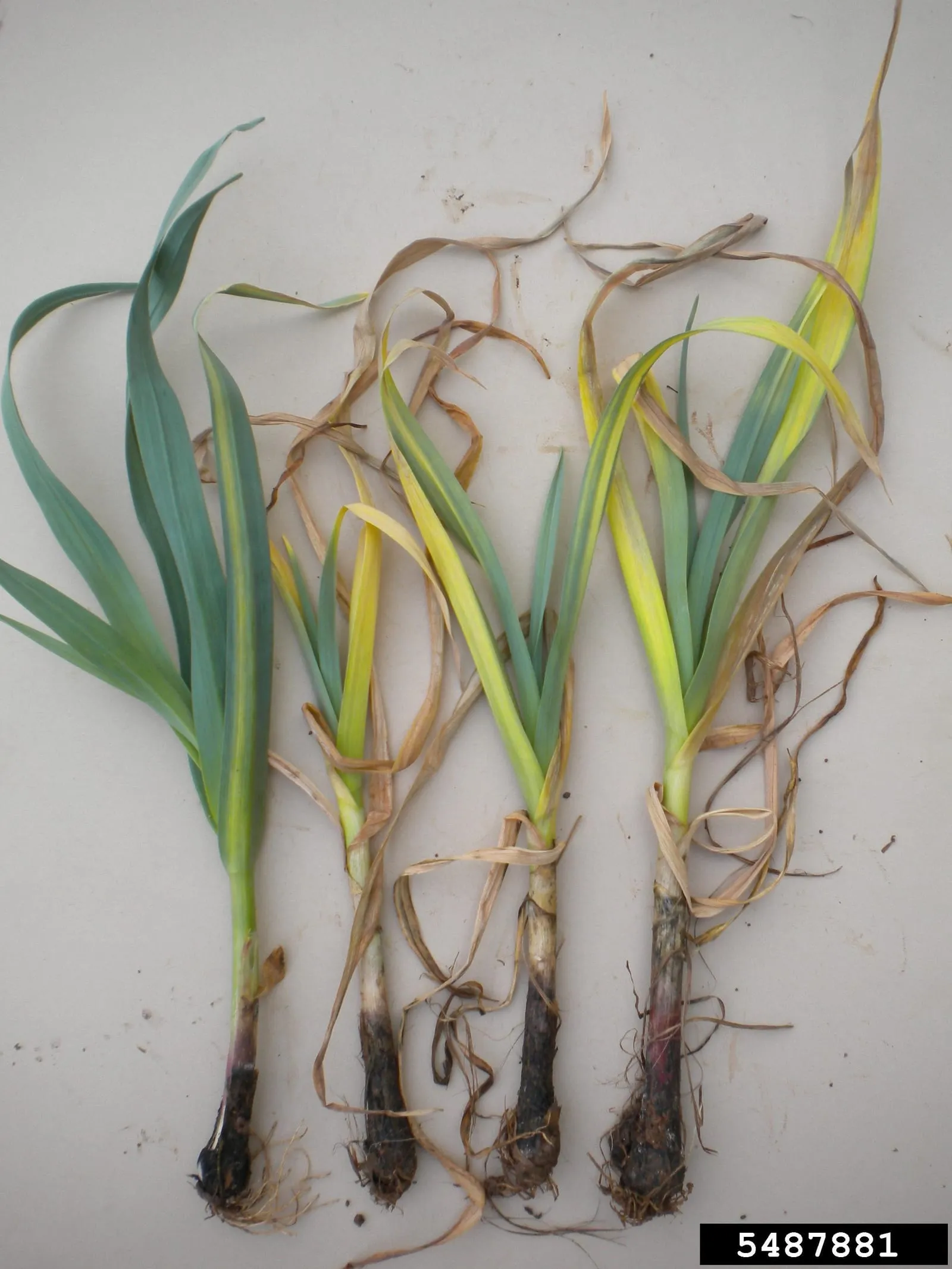
Zone 7a's high humidity is the primary care adjustment for shallots. Onion White Rot, a persistent soilborne pathogen, spreads readily in cool, moist conditions and can persist in soil for decades. Raised beds or well-amended, sharply draining soil are not optional in this region; flat, clay-heavy ground creates conditions where the disease pressure compounds each season.
Avoid overhead irrigation once foliage is established. Drip or furrow irrigation keeps leaf surfaces dry and reduces disease spread. Rotate alliums on a minimum four-year cycle across any bed where white rot has appeared. In winters with extended wet periods, hold off on heavy mulching directly against the sets; light coverage is sufficient to moderate soil temperature without trapping moisture against the base of the plant.
Frequently asked questions
- Can shallots overwinter successfully in zone 7a?
Yes. Zone 7a minimum temperatures (0 to 5°F) are within what established shallot sets tolerate. A light layer of straw mulch after planting provides insurance during brief cold snaps, but heavy mulching is generally unnecessary and can encourage Onion White Rot by retaining excess moisture.
- Which varieties are best suited to zone 7a?
French Red and Dutch Yellow are reliable performers in 7a. French Red offers stronger flavor and handles the transition to warmer spring temperatures well. Dutch Yellow bulbs up dependably and stores well through summer.
- How do I manage Onion White Rot in zone 7a?
Crop rotation is the first line of defense: avoid planting alliums in any bed where white rot appeared for at least four years. Sharp soil drainage and avoiding overhead irrigation reduce favorable conditions. Once white rot is established in a bed, the fungal sclerotia can persist for 20 or more years, so prevention matters more than treatment.
+−
+−
+−
Shallot in adjacent zones
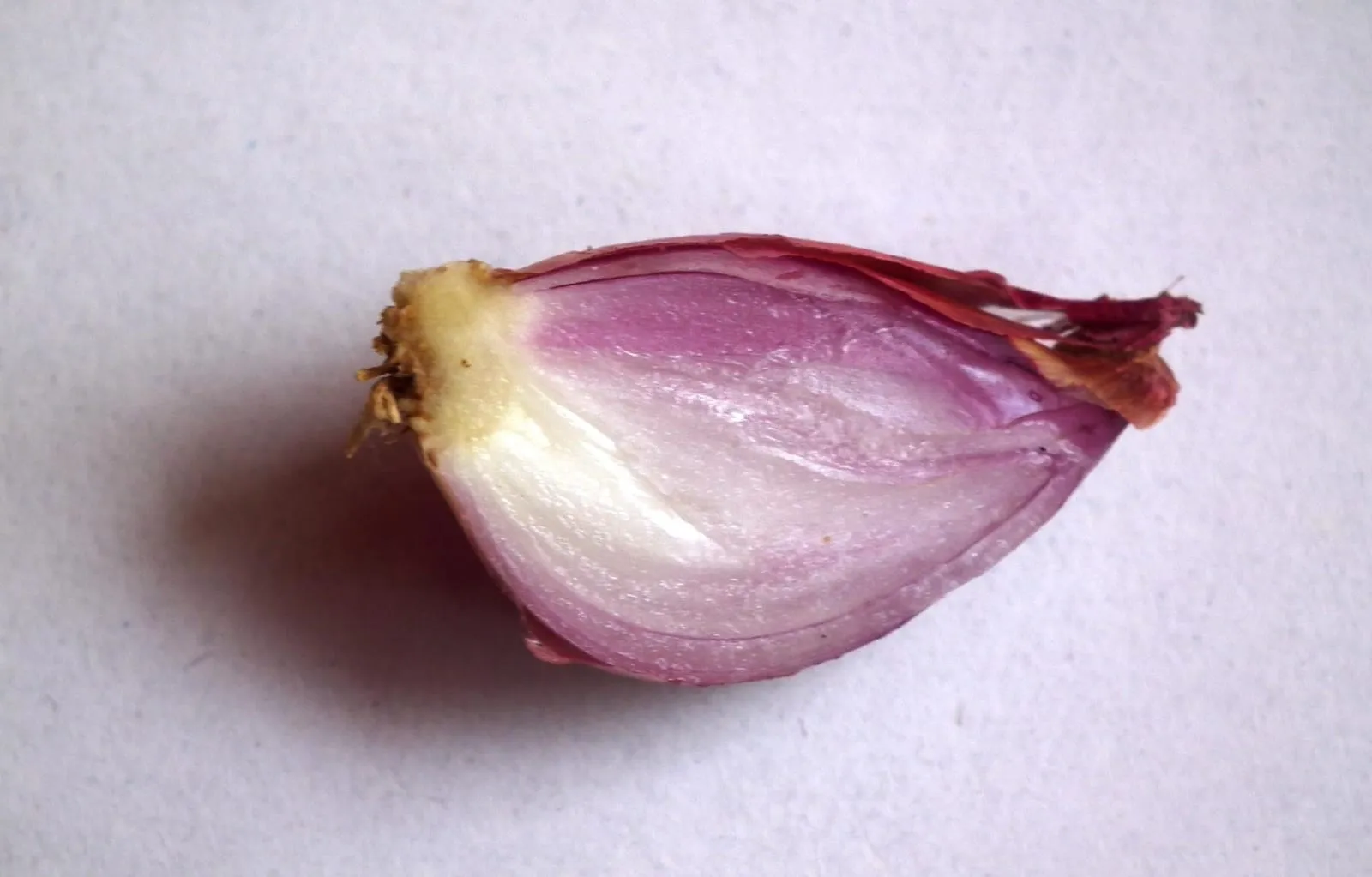
Image: "Shallot - Piece", by Ramesh NG, via Wikimedia Commons, licensed under CC-BY Source.

Related