vegetable in zone 6b
Growing shallot in zone 6b
Allium cepa var. aggregatum
- Zone
- 6b -5°F to 0°F
- Growing season
- 190 days
- Suitable varieties
- 2
- Days to harvest
- 100 to 120
The verdict
Zone 6b is a solid fit for shallots. The minimum winter temperatures of -5°F to 0°F provide the cold vernalization that shallots need to differentiate and form proper bulbs, while the 190-day growing season is more than sufficient for varieties that typically reach maturity in 90 to 120 days. This is not a marginal zone. Both French Red and Dutch Yellow perform reliably here. French Red, a longer-storage type, handles cold winters well when planted sets are given minimal mulch protection. Dutch Yellow, a milder-flavored variety, also establishes readily in zone 6b's spring conditions. The primary concern in this zone is not cold tolerance but Onion White Rot (Stromatinia cepivora), a soilborne pathogen that can persist in affected beds for decades. Growers with clean soil history have little to worry about from the climate side.
Recommended varieties for zone 6b
2 cultivars suited to this zone, with disease-resistance and zone-fit annotations.
| Variety | Notes | Zone fit | Disease resistance |
|---|---|---|---|
| French Red fits zone 6b | Sweet, complex, mild garlicky-onion flavor; copper-skinned elongated bulbs. Vinaigrettes, sauces, sauteing where finesse matters. Stores 6-9 months. | | none noted |
| Dutch Yellow fits zone 6b | Mild-sweet, refined, less pungent than onion; round yellow-skinned bulbs. Sauces, vinaigrettes, raw applications. Stores 6-8 months. The European workhorse shallot. | | none noted |
Critical timing for zone 6b
Shallots can be planted in two windows in zone 6b. Fall planting (September through early October) allows sets to establish roots before the ground freezes, overwinter dormant, and resume growth in early spring for a July harvest. Spring planting should begin as soon as soil is workable, typically late March to mid-April in zone 6b, before the average last frost date of approximately April 15. Spring-planted sets require 90 to 100 days to mature, pushing harvest into late June or July. Bolting is a risk if spring temperatures swing sharply after sets break dormancy; choosing heat-treated or small sets reduces this. Foliage dieback signals harvest readiness, typically before the first fall frost arrives in mid-October.
Common challenges in zone 6b
- ▸ Cedar-apple rust
- ▸ Fire blight
- ▸ Stink bugs
Disease pressure to watch for
Modified care for zone 6b
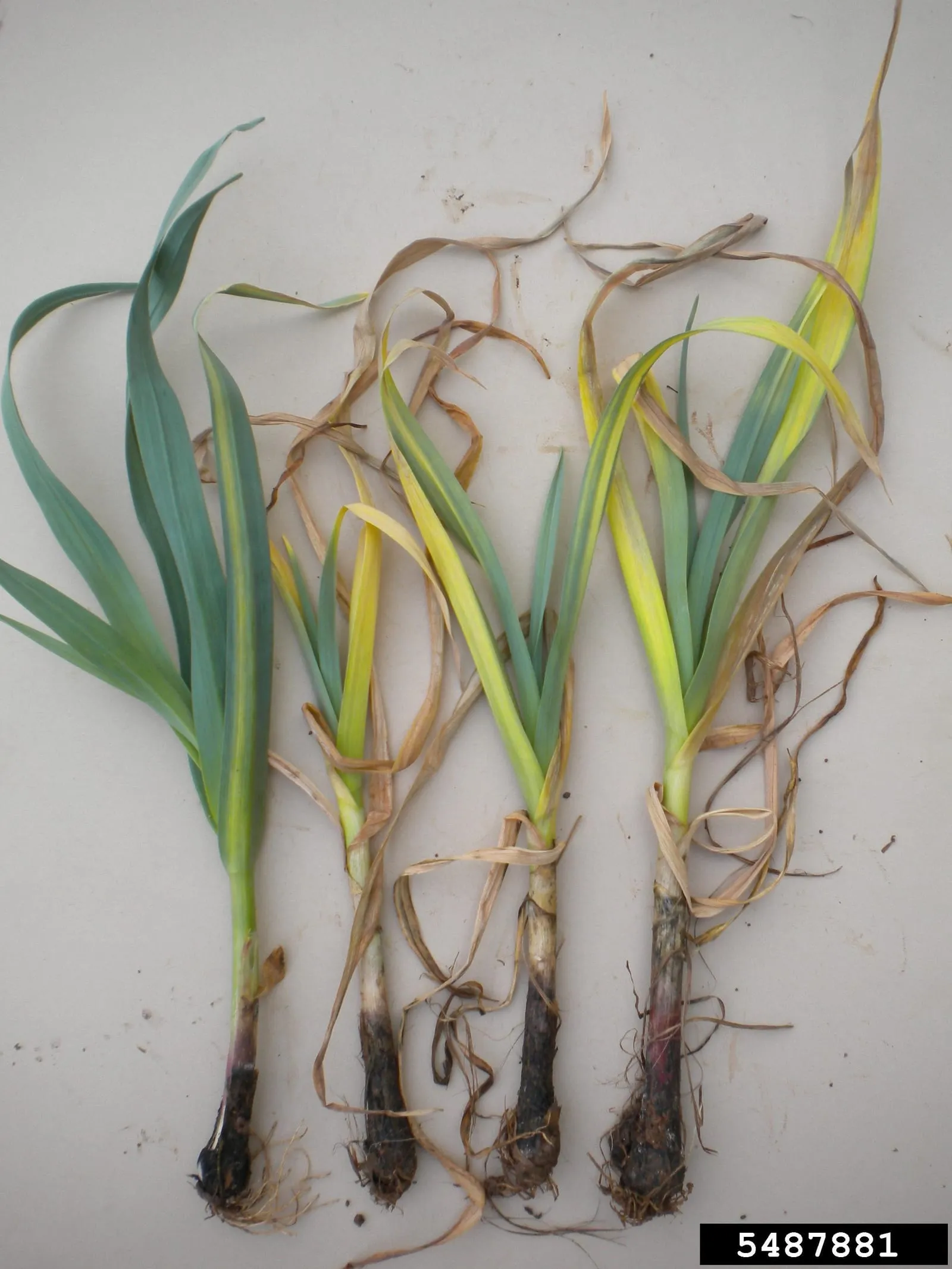
Fall-planted sets in zone 6b benefit from a light mulch layer (2 to 3 inches of straw) applied after the ground firms up in November, protecting roots from repeated freeze-thaw cycles without insulating enough to promote premature top growth. Remove mulch in late February or early March as growth resumes. Onion White Rot is the primary disease pressure to manage; once established in a bed, Stromatinia cepivora can remain viable in soil for 20 or more years, so prevention matters more than treatment. Rotate alliums to a new bed each season and avoid replanting anywhere that has shown rot symptoms. Stink bugs, a noted pest pressure in zone 6b, can pierce bulbs near harvest; row cover through mid-summer helps but must be removed as foliage dries down to allow adequate air circulation.
Shallot in adjacent zones
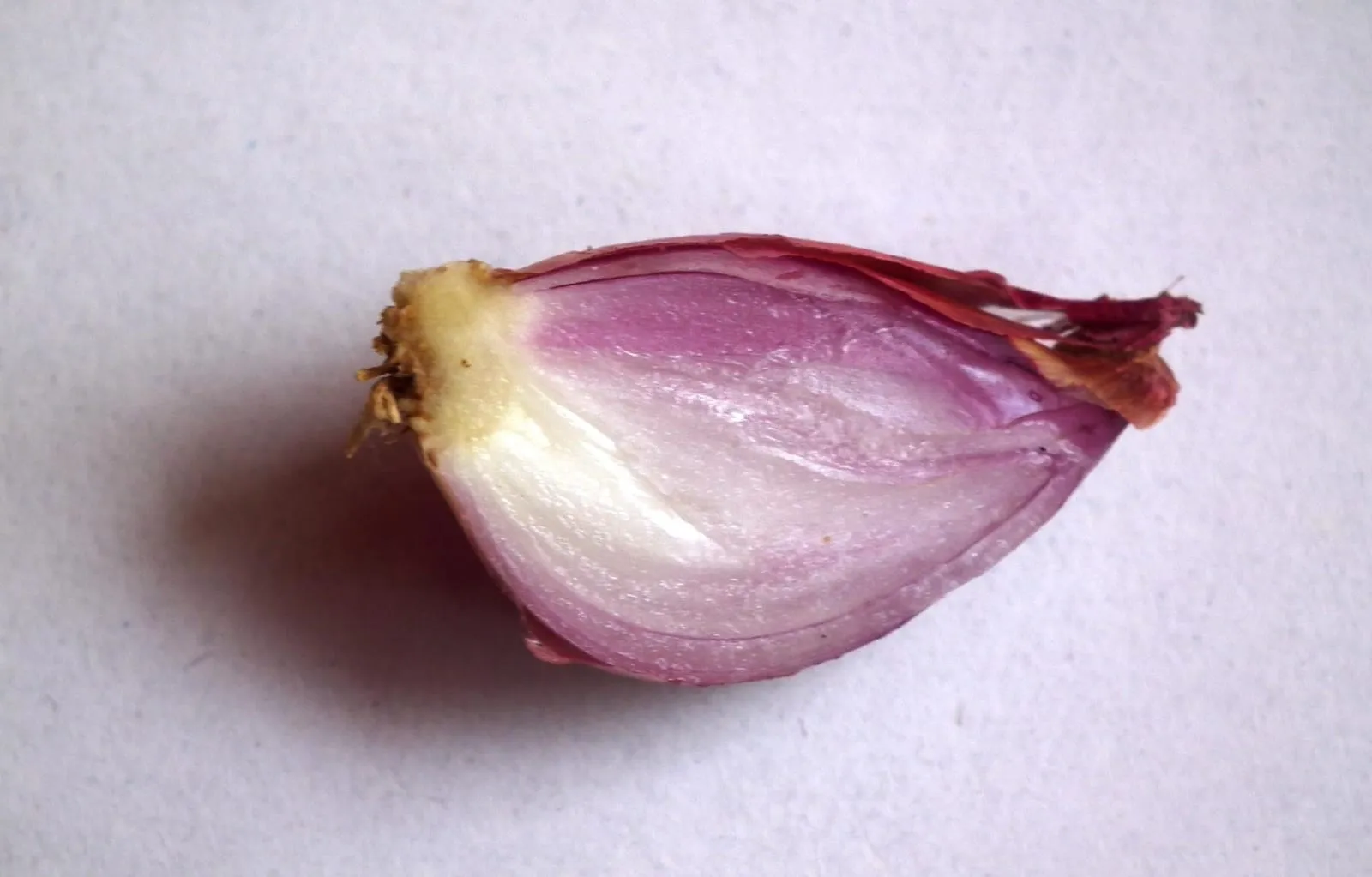
Image: "Shallot - Piece", by Ramesh NG, via Wikimedia Commons, licensed under CC-BY Source.

Related