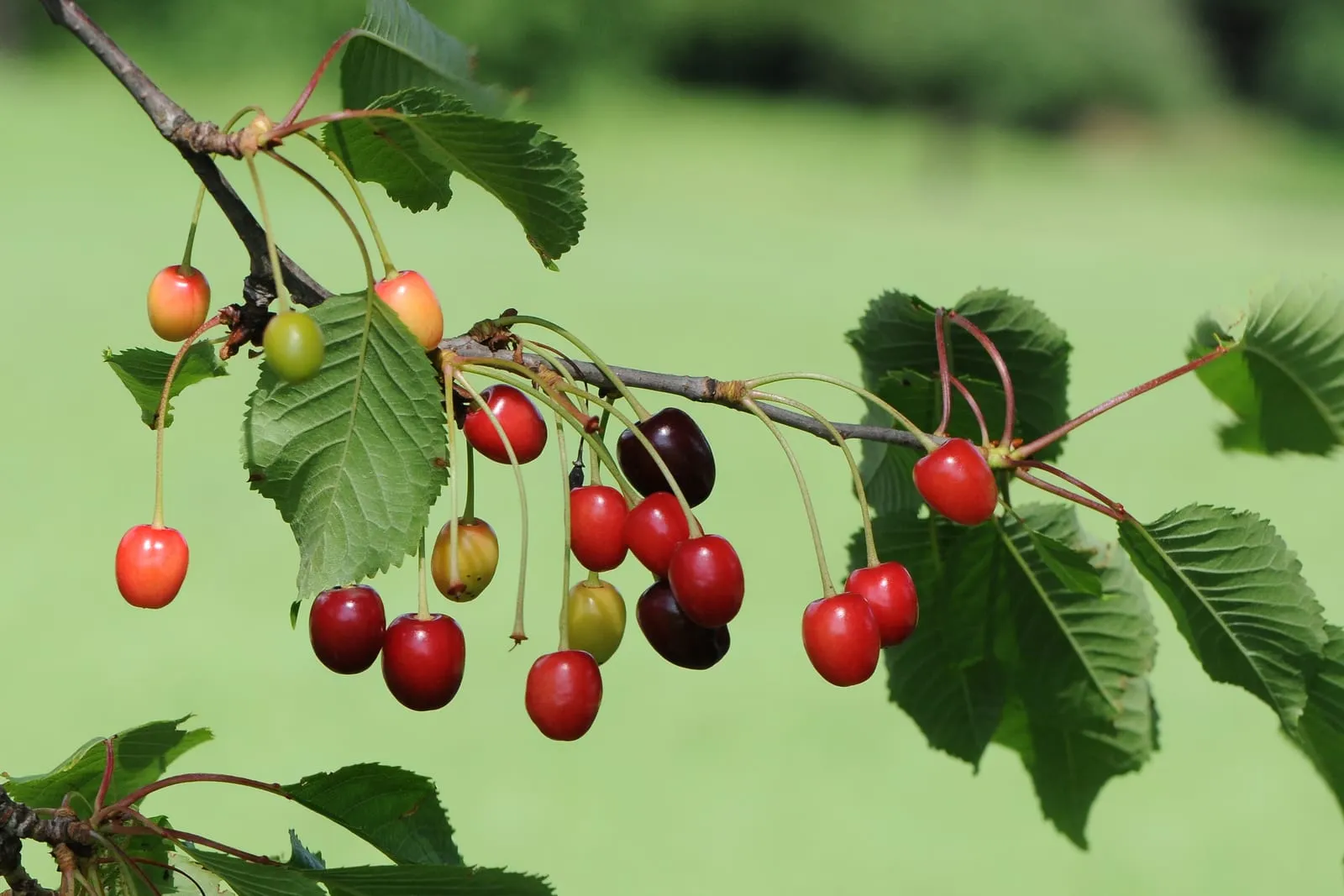
fruit tree
Sour Cherry
Prunus cerasus
USDA hardiness range
- Zones
- 4a–7b
- Chill hours
- 700 to 1000 below 45°F
- Days to harvest
- 60 to 75
- Sun
- Full
- Water
- Moderate
- Lifespan
- 15 to 20 years
Growing sour cherry
Sour cherry (Prunus cerasus) fills a niche that sweet cherry cannot: reliable cold-hardiness, self-fertility, and a fruit flavor built for cooking. The crop thrives in zones 4a through 7b, with the most productive plantings in zones 5 and 6 where chill-hour requirements of 700 to 1,000 hours are consistently met and late-spring frost timing is less of a wildcard.
Where sour cherry struggles is in zone 7b and the warmer edges of 7a. Chill-hour accumulation becomes unreliable, dormancy is sometimes incomplete, and trees open blossoms earlier in spring when frosts can still arrive. Growers in these zones should plan for some years of poor fruit set rather than expecting consistent crops.
What separates a productive planting from a failed one is usually site selection and disease management, not the tree itself. Sour cherry is more forgiving than sweet cherry on cold tolerance and pollination (both Montmorency and North Star are self-fertile), but it is susceptible to brown rot and cherry leaf spot, two fungal diseases that can strip a tree of fruit and foliage in wet seasons. Harvesting promptly at peak ripeness, typically 60 to 75 days after bloom, matters because ripe fruit left on the tree during humid weather is an open invitation to brown rot.
Michigan's commercial tart cherry industry, concentrated in zones 5 and 6, produces the large majority of the U.S. crop, which gives a useful benchmark for where the tree performs most reliably. Michigan State Tart Cherry Production
Recommended varieties
See all 2 →2 cultivars for home growers, with notes on flavor, ripening, and disease resistance.
| Variety | Notes | Zone fit | Disease resistance |
|---|---|---|---|
| Montmorency | Tart, bright red, juicy; the classic American pie cherry, defines the flavor of cherry pie, jam, and juice. Self-fertile, no pollinator needed. | | none noted |
| North Star | Tart, dark red, juicy with rich flavor; pies, preserves, juice. Compact dwarf tree (8-12 ft), self-fertile, very cold-hardy. | | none noted |
Soil and site requirements
Sour cherry performs best in well-drained loam or sandy loam at a soil pH of 6.0 to 6.8. Heavy clay is the most common site error: roots in waterlogged soil are prone to crown rot and chronic stress, and trees in poorly drained sites rarely reach their 15- to 20-year productive lifespan. Raised beds or bermed planting holes can sometimes compensate for marginal drainage, but a site with structural drainage problems is worth reconsidering.
Full sun is not optional. Partial shade reduces fruit set and keeps foliage wet longer after rain, which extends the infection window for cherry leaf spot and brown rot.
Spacing depends on variety. Montmorency on standard rootstock reaches 15 to 20 feet and needs at least 20 feet of lateral clearance. North Star is a natural dwarf, topping out at 8 to 12 feet, which makes it practical for smaller spaces and easier to hand-harvest without a ladder.
Microclimate matters most in zones 6b and 7. Avoid low spots where cold air pools on still nights; a frost pocket can destroy open blossoms even when nearby sites come through unscathed. Sites with a large body of water nearby or a moderate north-facing slope tend to delay bloom, which reduces frost exposure. South-facing slopes warm early and push bloom sooner, a liability in zones where late frosts remain a real risk.
Common diseases
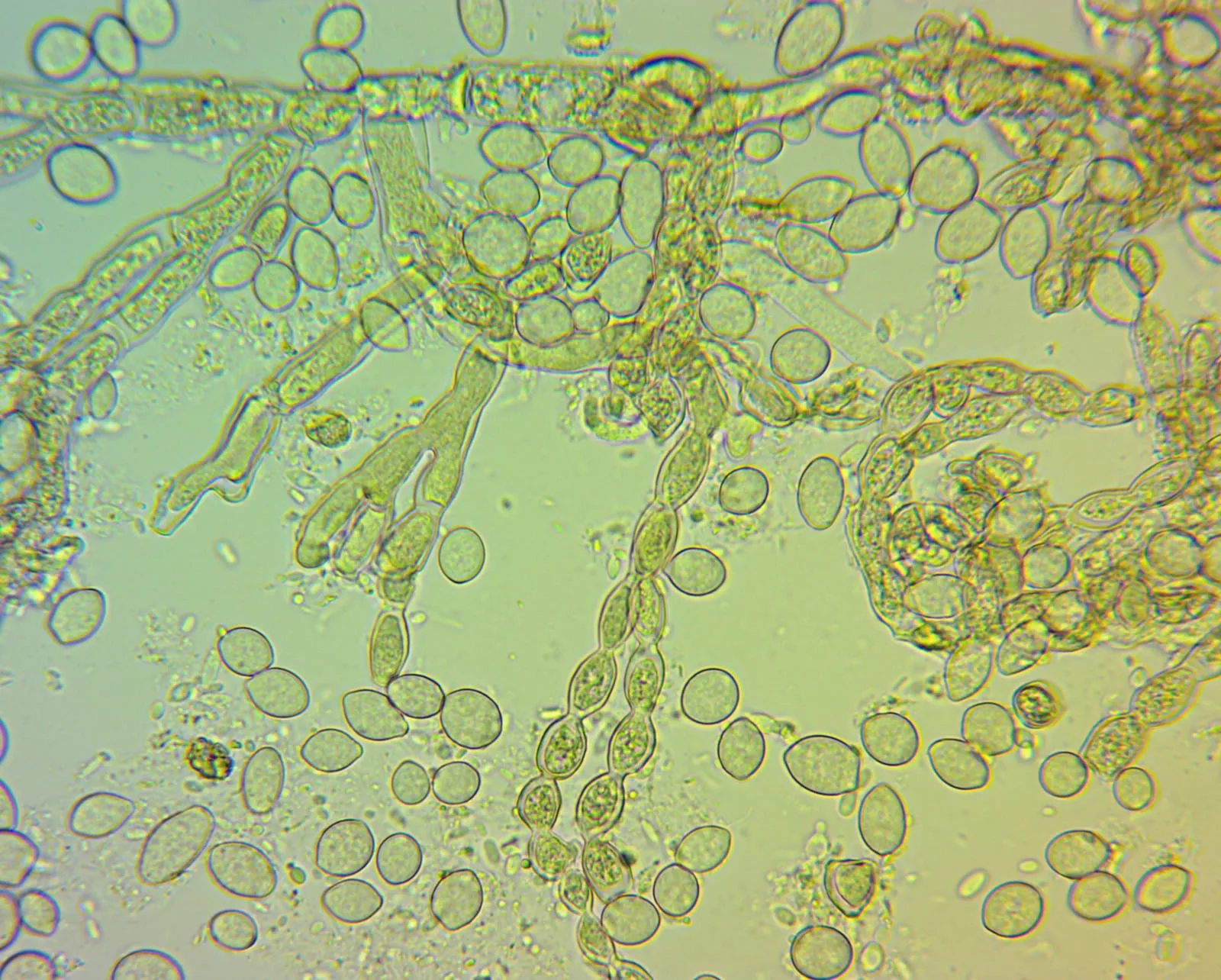
Monilinia fructicola
The most damaging stone-fruit and almond disease, causing blossom blight and fruit rot.
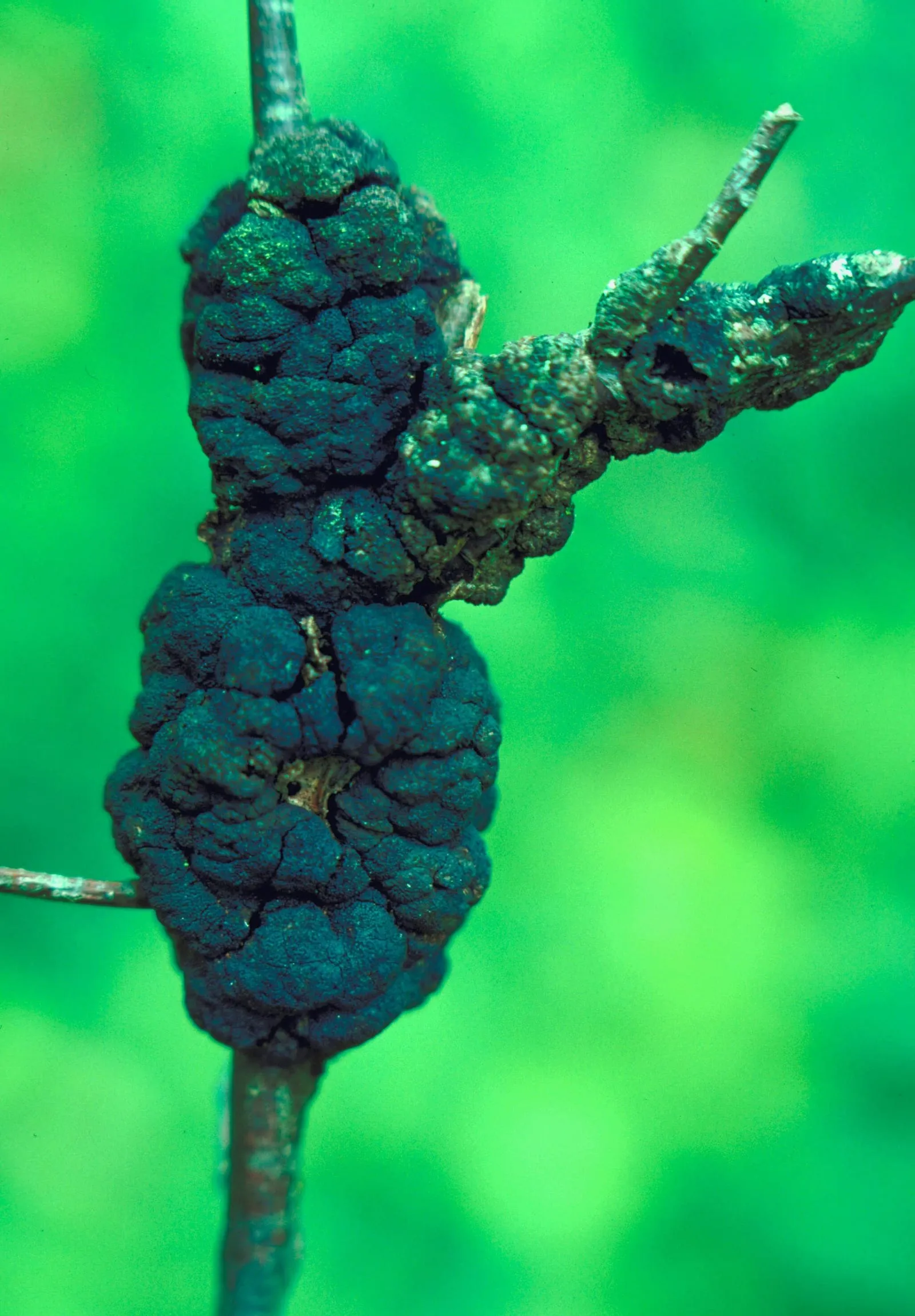
Apiosporina morbosa
Fungal disease producing characteristic black warty galls on plum and cherry branches.
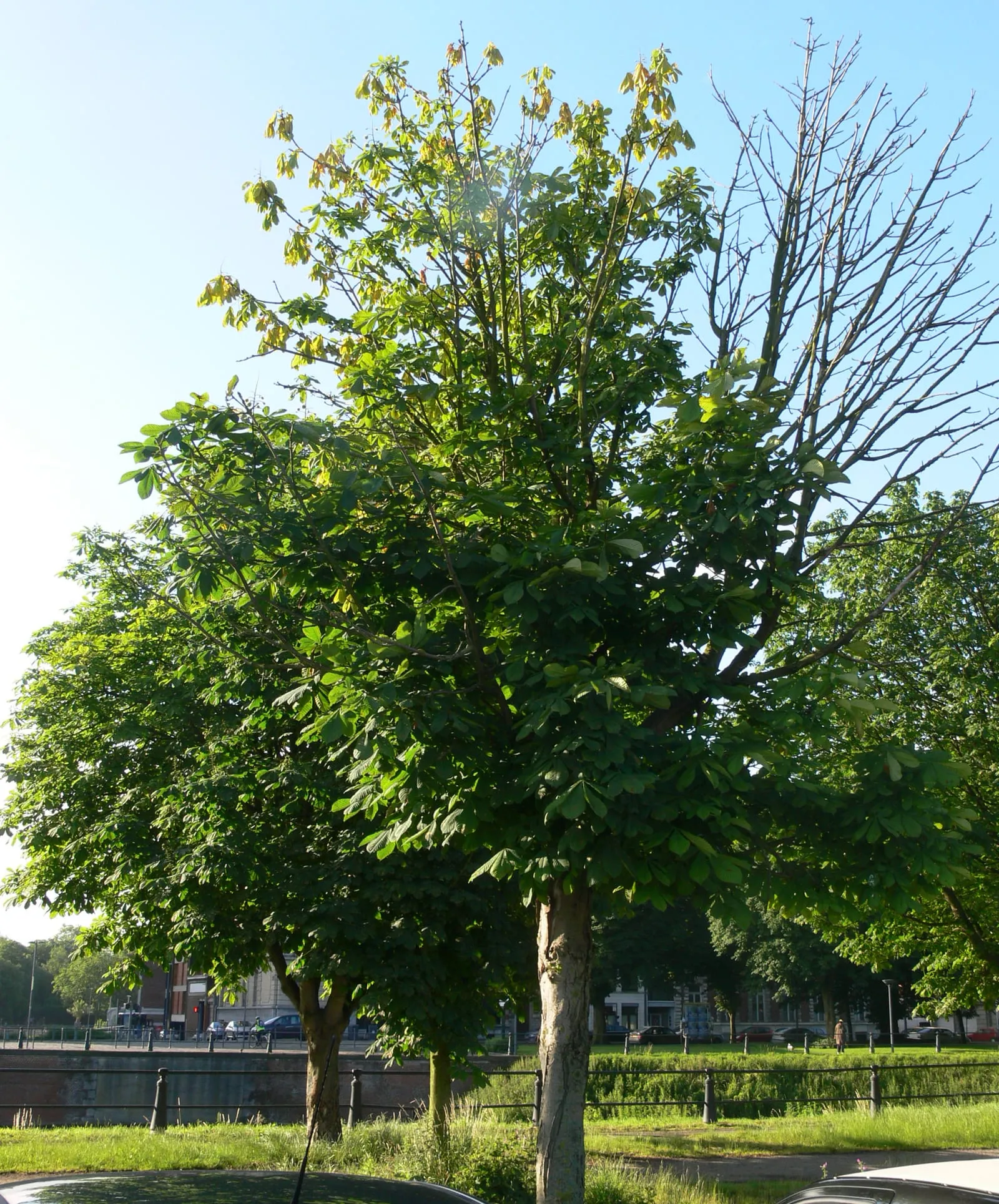
Pseudomonas syringae
Bacterial disease causing limb dieback and gummosis, particularly damaging in wet cool springs.
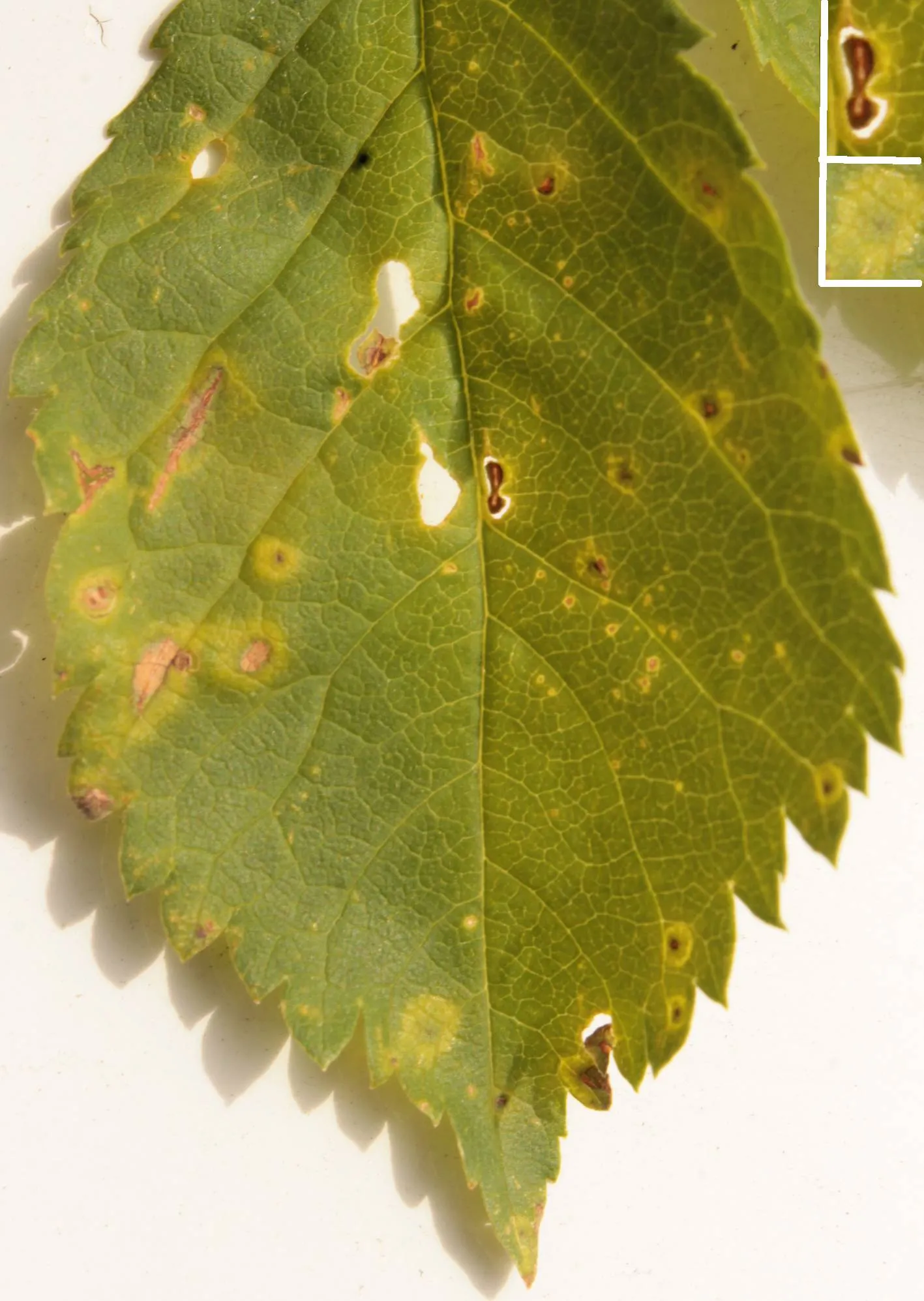
Blumeriella jaapii
Defoliating fungal disease that weakens trees over consecutive seasons.
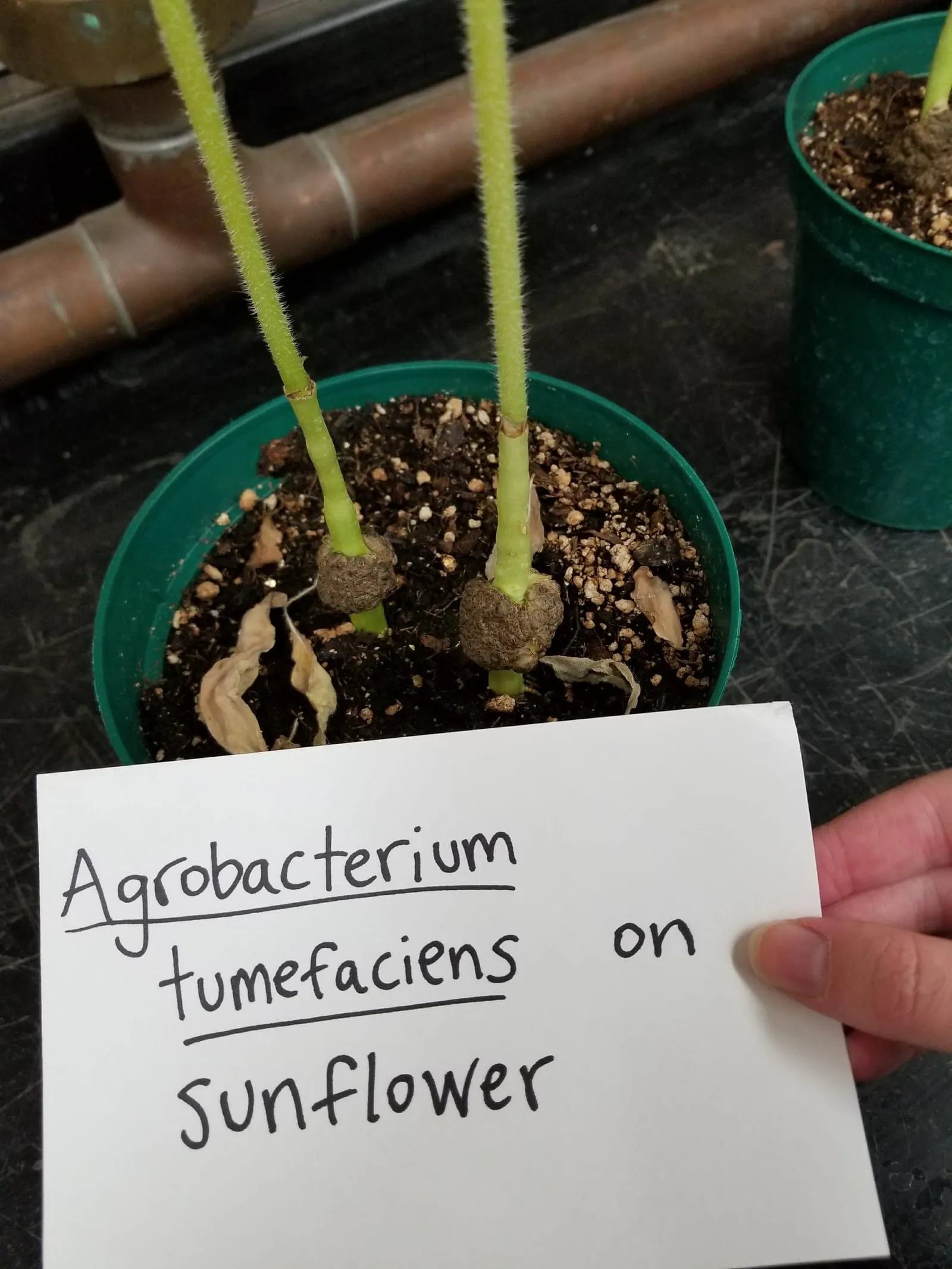
Agrobacterium tumefaciens
Soil-borne bacterium that enters plants through wounds and induces tumor-like galls on roots, crown, and lower stems. Galls reduce vigor and shorten plant lifespan; on Rubus the disease is often fatal.
Common pests
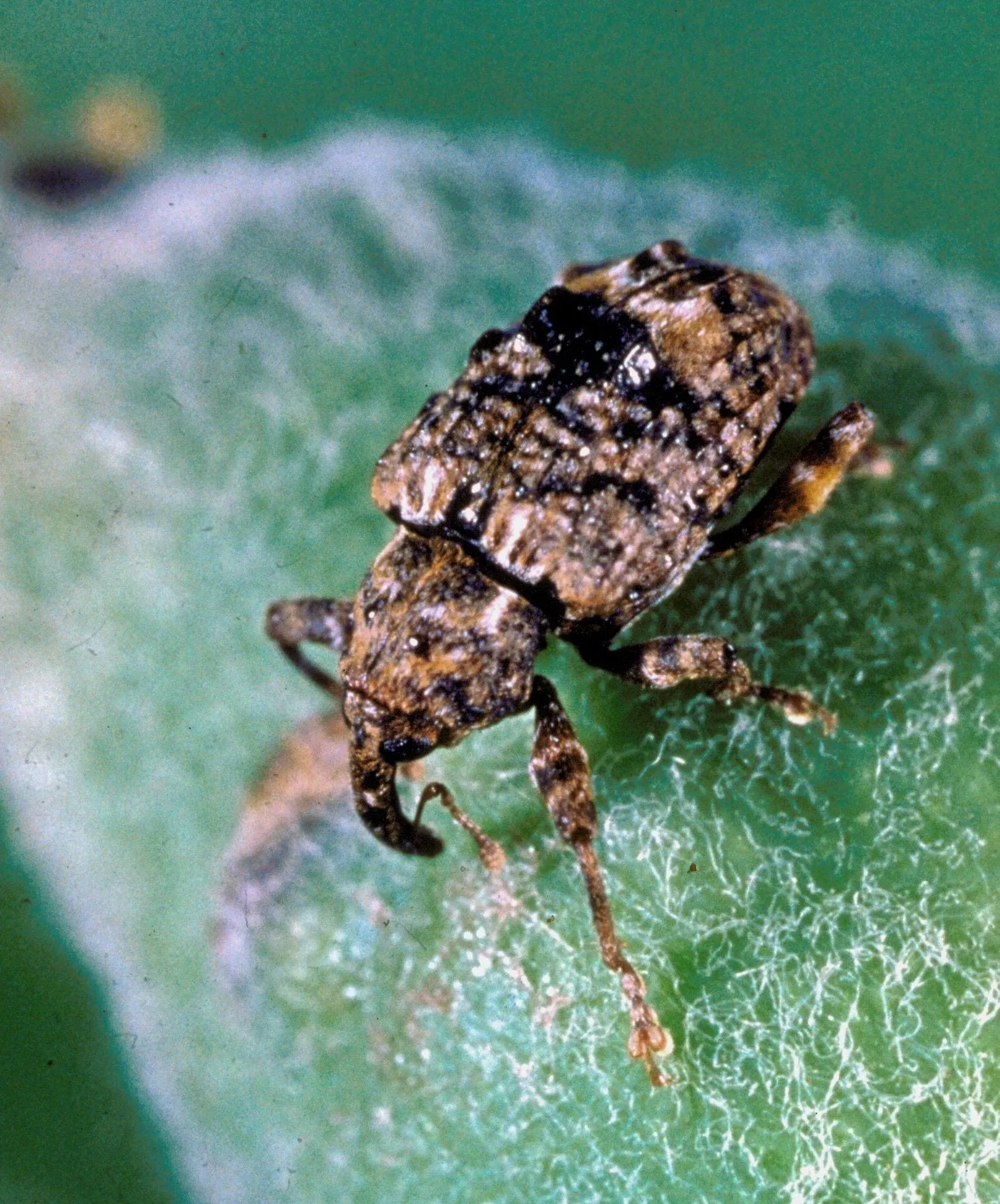
Conotrachelus nenuphar
Native weevil that lays eggs in young stone and pome fruit, causing characteristic crescent-shaped scars.
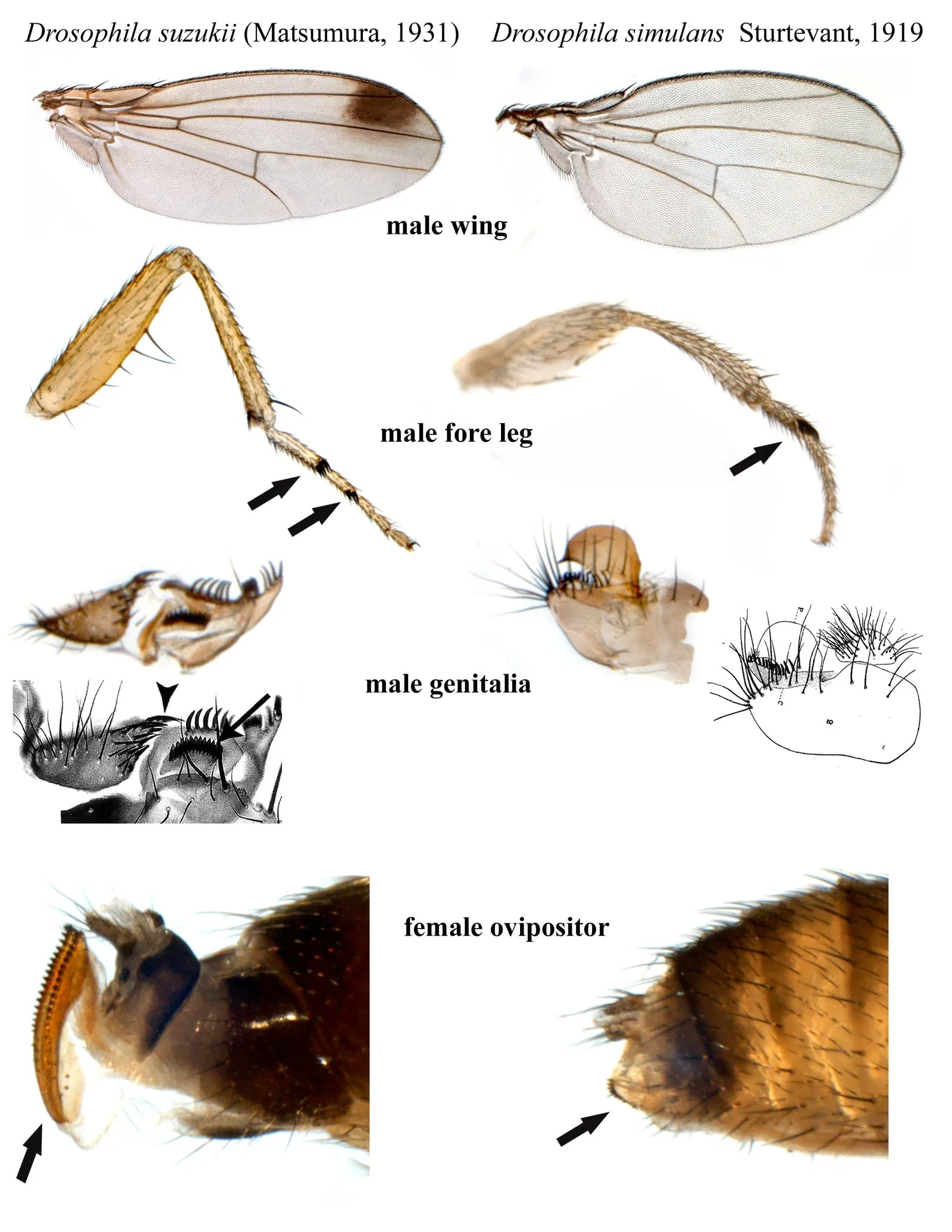
Drosophila suzukii
Invasive vinegar fly that attacks ripening soft fruit, unlike native Drosophila species which target overripe fruit. Now the dominant berry-and-cherry pest across the US.
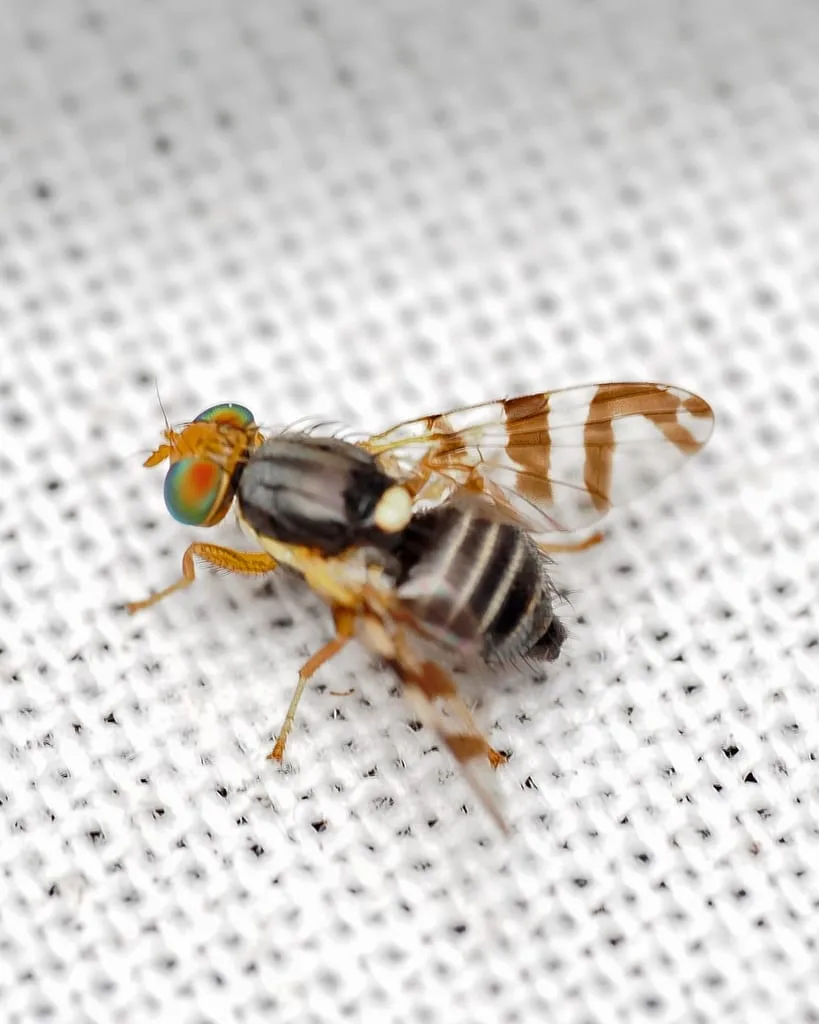
Rhagoletis cingulata
Native fly whose larvae develop in ripening cherries, the primary fresh-market quality concern.
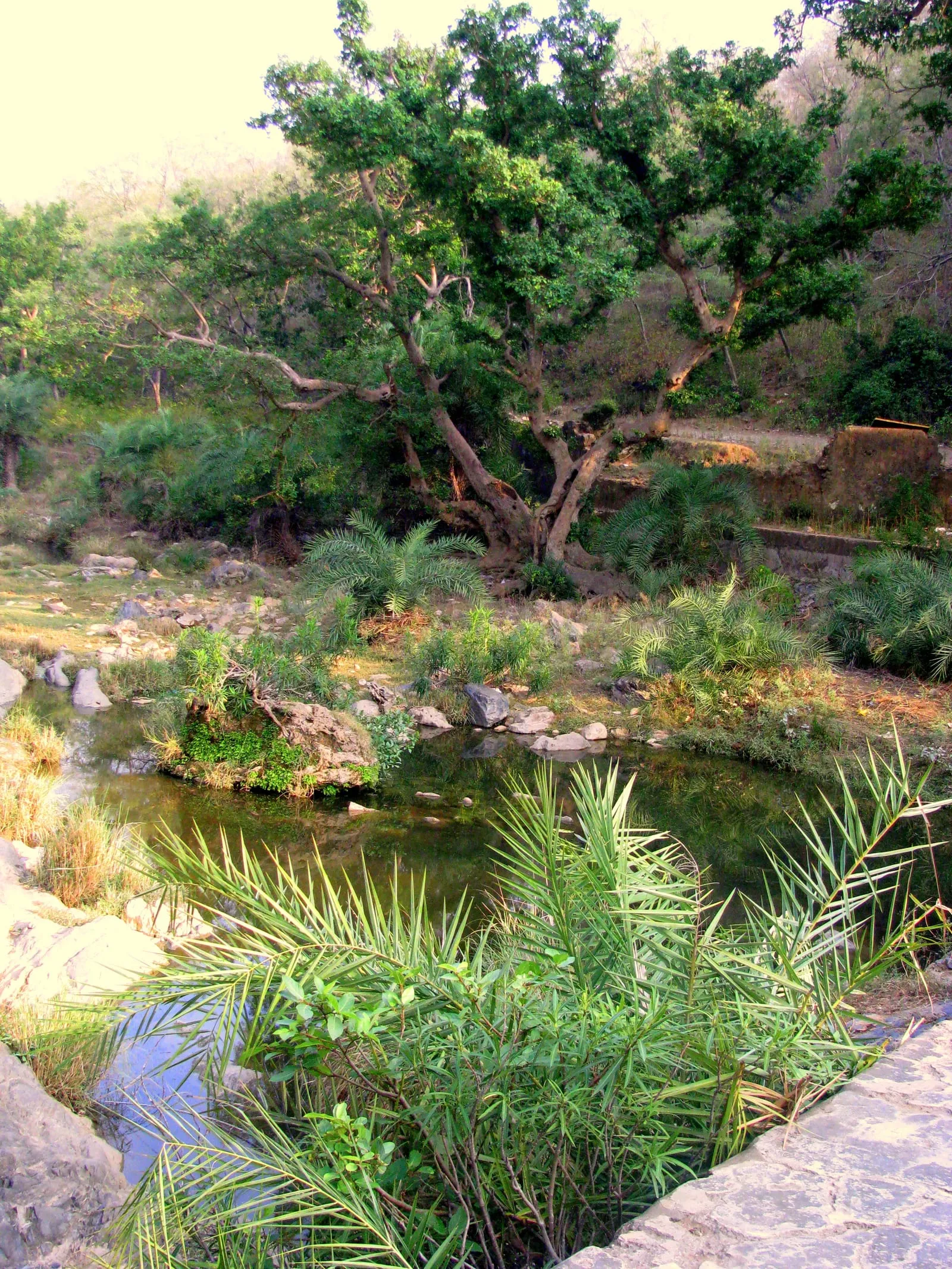
Multiple species
Robins, catbirds, mockingbirds, starlings, cedar waxwings and other songbirds can strip ripening berry and fruit crops in days. Crows and blackbirds also damage fresh sweet corn ears in milk stage. The single biggest yield-loss factor in unprotected home plantings.
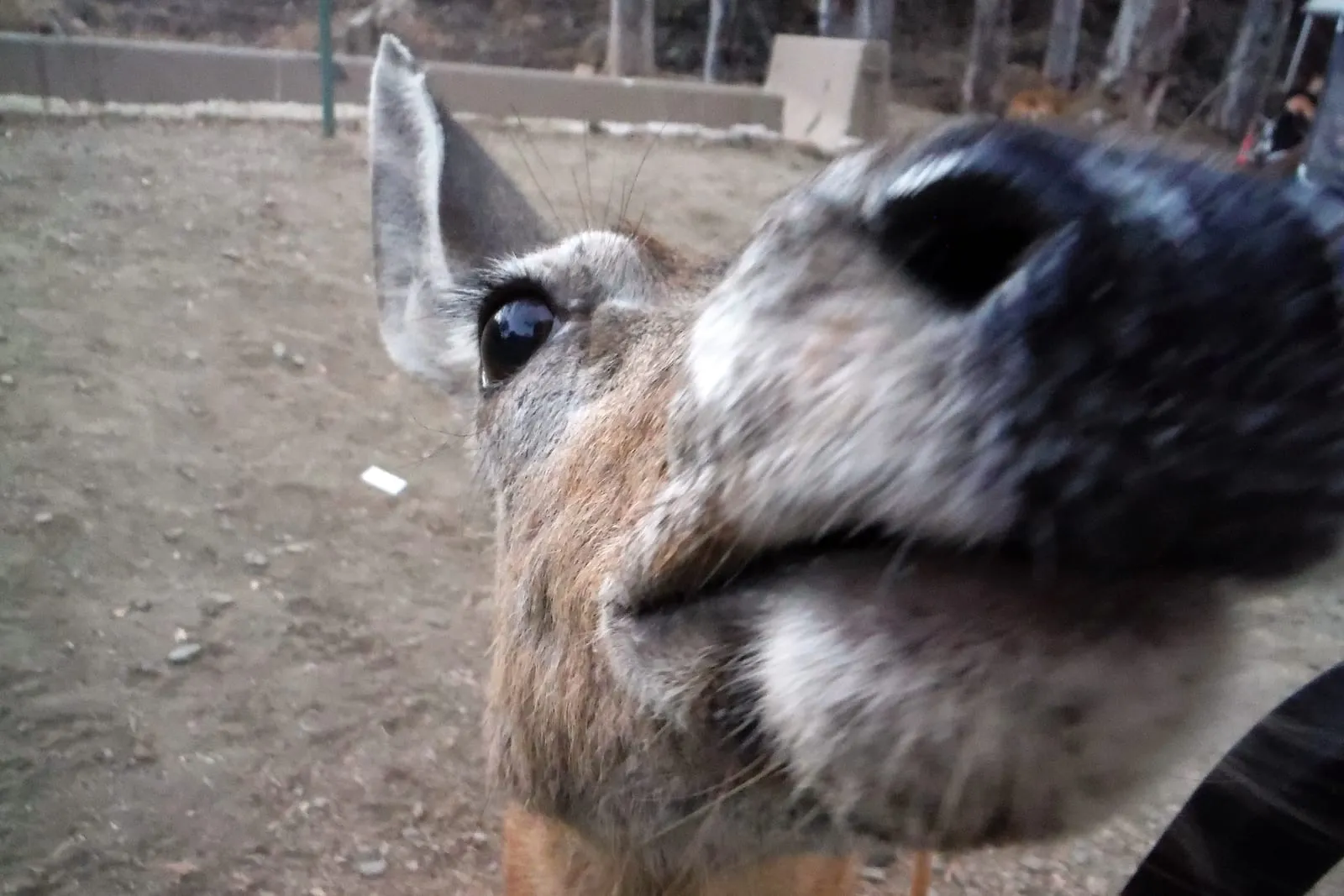
Odocoileus species
Whitetail and mule deer browse can devastate orchards and gardens, particularly in winter when food is scarce. Antler rub on young trunks kills saplings outright.
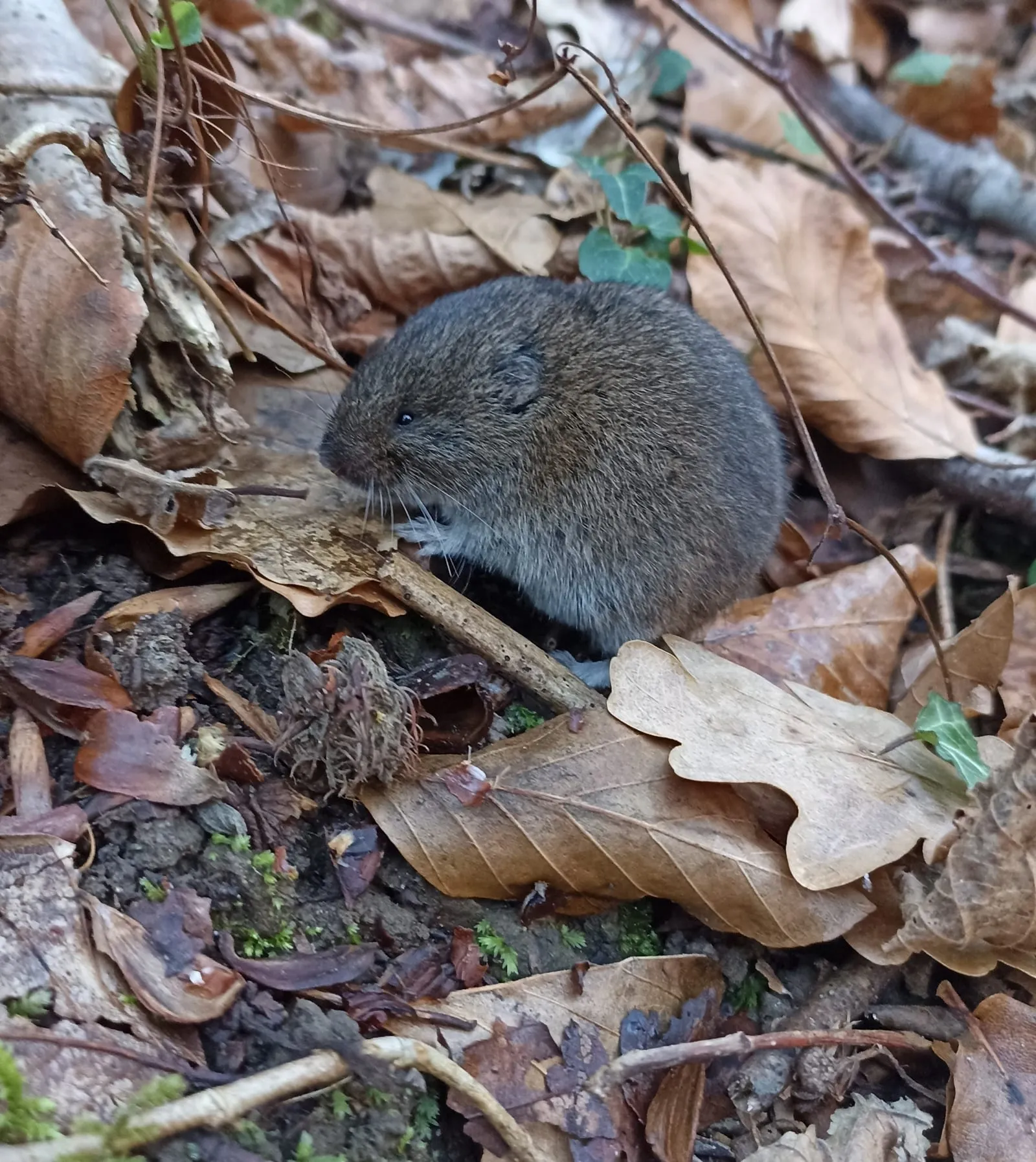
Microtus species
Field voles and meadow voles girdle young fruit-tree trunks under snow cover during winter and chew root crops. The leading cause of mysterious orchard losses.
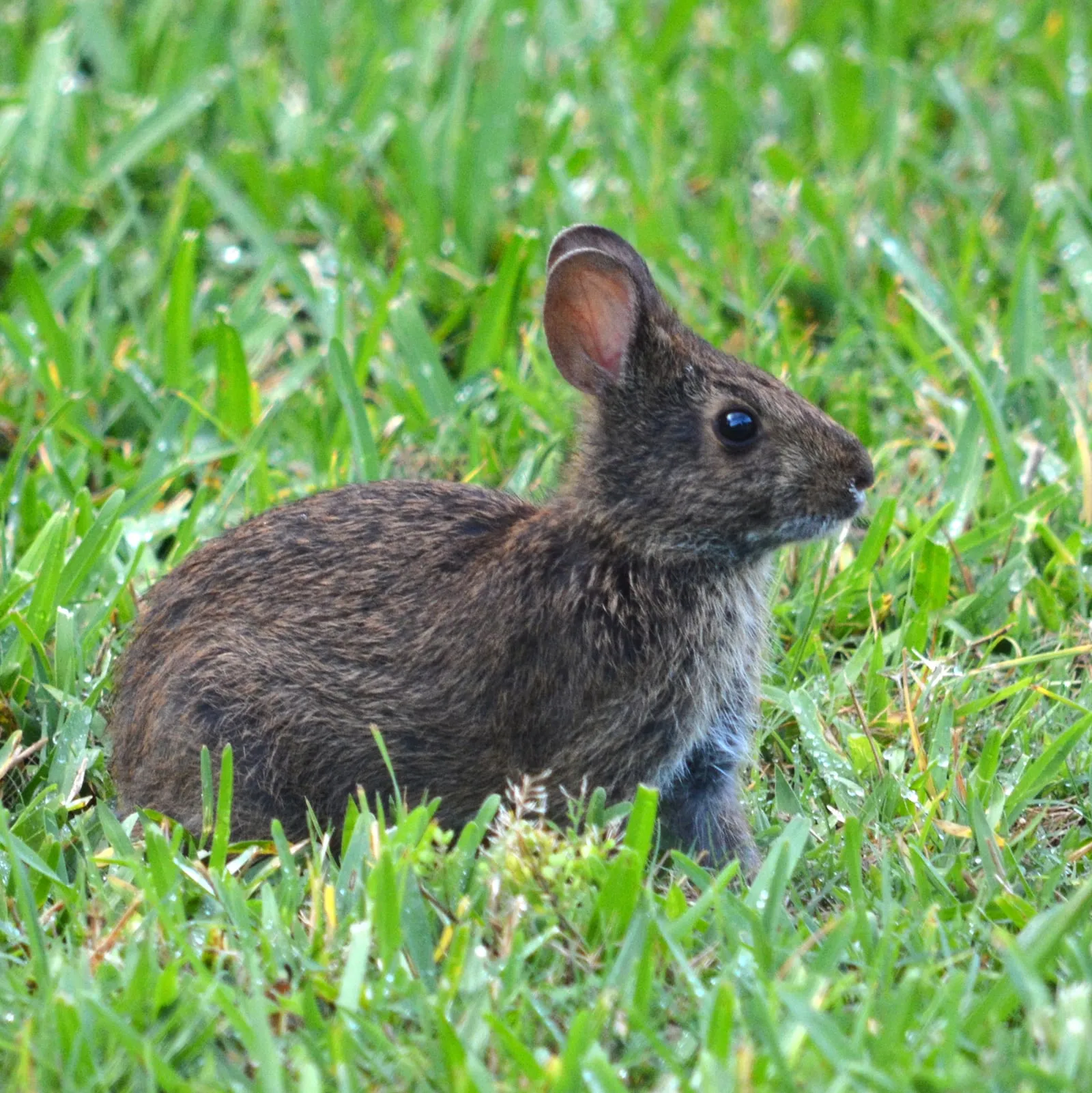
Sylvilagus and Lepus species
Cottontails and jackrabbits strip bark from young fruit trees in winter and graze tender garden vegetables year-round, especially seedlings.
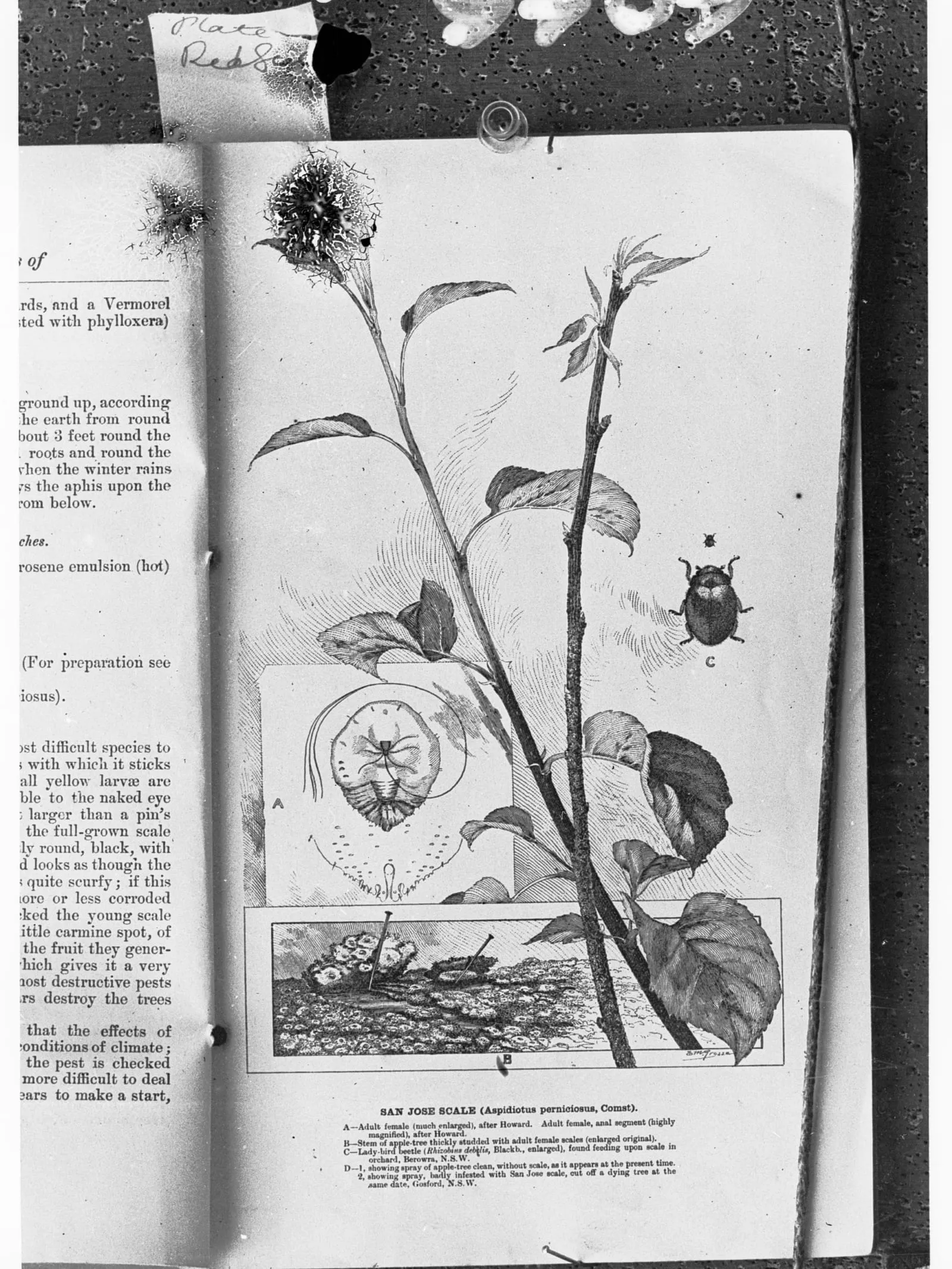
Quadraspidiotus perniciosus
Tiny armored scale insect that encrusts bark, branches, and fruit. Heavy infestations weaken trees and produce red haloed spots on fruit at harvest. Persistent year-over-year if not controlled.
Common challenges
The three most consistent problems in home sour cherry plantings are fruit rot at harvest, leaf spot defoliation across summer, and frost damage to blossoms in spring.
Brown rot (Monilinia fructicola) moves fast. Ripe fruit can go from clean to mummified in two or three days of warm, humid weather. Harvesting as soon as fruit reaches full color, and removing any mummified fruit from the tree at the end of the season, cuts the inoculum load for the following year. Leaving overripe fruit on the tree while waiting for a convenient harvest window is a recurring mistake.
Cherry leaf spot (Blumeriella jaapii) is slower but cumulative. Repeated defoliation weakens trees, reduces fruit bud development for the following season, and shortens the productive lifespan of the planting. Fungicide applications timed to petal fall through early July suppress the disease in most seasons. Skipping sprays in wet springs, when infection pressure is highest, is where many home growers fall behind.
Frost timing is the third failure mode, particularly in zones 6b through 7b. Sour cherry blooms early, and a single hard frost at full bloom eliminates the crop for the year regardless of pollination. Self-fertility means no cross-pollinator is needed, but no amount of pollination compensates for killed blossoms. Site selection (avoiding frost pockets) and choosing later-blooming selections where available are the practical mitigations; there is no spray that protects open flowers from a hard freeze.
Grafting and rootstocks
Companion plants
Frequently asked questions
- How many chill hours does sour cherry require?
Sour cherry needs 700 to 1,000 chill hours (hours at or below 45°F) during winter dormancy. Most sites in zones 4 through 6 accumulate this reliably. Zones 7a and 7b are borderline; some winters fall short, resulting in uneven bud break and reduced fruit set. Growers in zone 7 should treat productive years as a bonus rather than a given.
- How long does it take for sour cherries to ripen after bloom?
Fruit typically matures 60 to 75 days after bloom, varying by variety and the warmth of the growing season. Warm springs push ripening toward the shorter end of that range. Harvest timing is critical because ripe sour cherries do not hold well on the tree in humid weather.
- What USDA zones are best for sour cherry?
Sour cherry is reliably productive in zones 4a through 6b. Zone 7a can work with careful site selection and cold-air drainage. Zone 7b is the southern edge of consistent production; chill-hour deficits and earlier bloom timing make crop reliability less predictable than in cooler zones.
- Does sour cherry need a second tree for pollination?
No. Both Montmorency and North Star are self-fertile and set fruit without a second variety nearby. This makes sour cherry significantly more practical for small lots than sweet cherry, which typically requires two compatible varieties for reliable fruit set.
- What is the most common disease affecting sour cherry?
Cherry leaf spot (Blumeriella jaapii) is the most persistent problem in most growing regions. It causes yellow lesions on leaves that lead to premature defoliation, weakening the tree over successive seasons and reducing fruit bud development. Fungicide applications from petal fall through early summer keep it manageable in most years; skipping treatment in wet springs allows the disease to gain significant ground.
- What is spotted wing drosophila and how does it affect sour cherry?
Spotted wing drosophila (Drosophila suzukii) is an invasive fruit fly that lays eggs inside ripening cherry fruit, rendering the harvest inedible. Unlike common fruit flies, it attacks intact fruit rather than overripe or damaged material. Monitoring with yellow sticky traps and harvesting promptly at peak ripeness are the most practical defenses for home growers.
- How long does a sour cherry tree typically produce fruit?
A well-sited sour cherry tree has a productive lifespan of 15 to 20 years. Trees in poorly drained soil or sites with chronic fungal disease pressure often fall short of that range. Annual pruning to maintain canopy airflow and light penetration helps extend the productive life of the planting.
+−
+−
+−
+−
+−
+−
+−
Sources
Image: "Sauerkirschenfrucht Prunus cerasus 2", by böhringer friedrich, via Wikimedia Commons, licensed under CC-BY. Source.

Sour Cherry by zone
Related