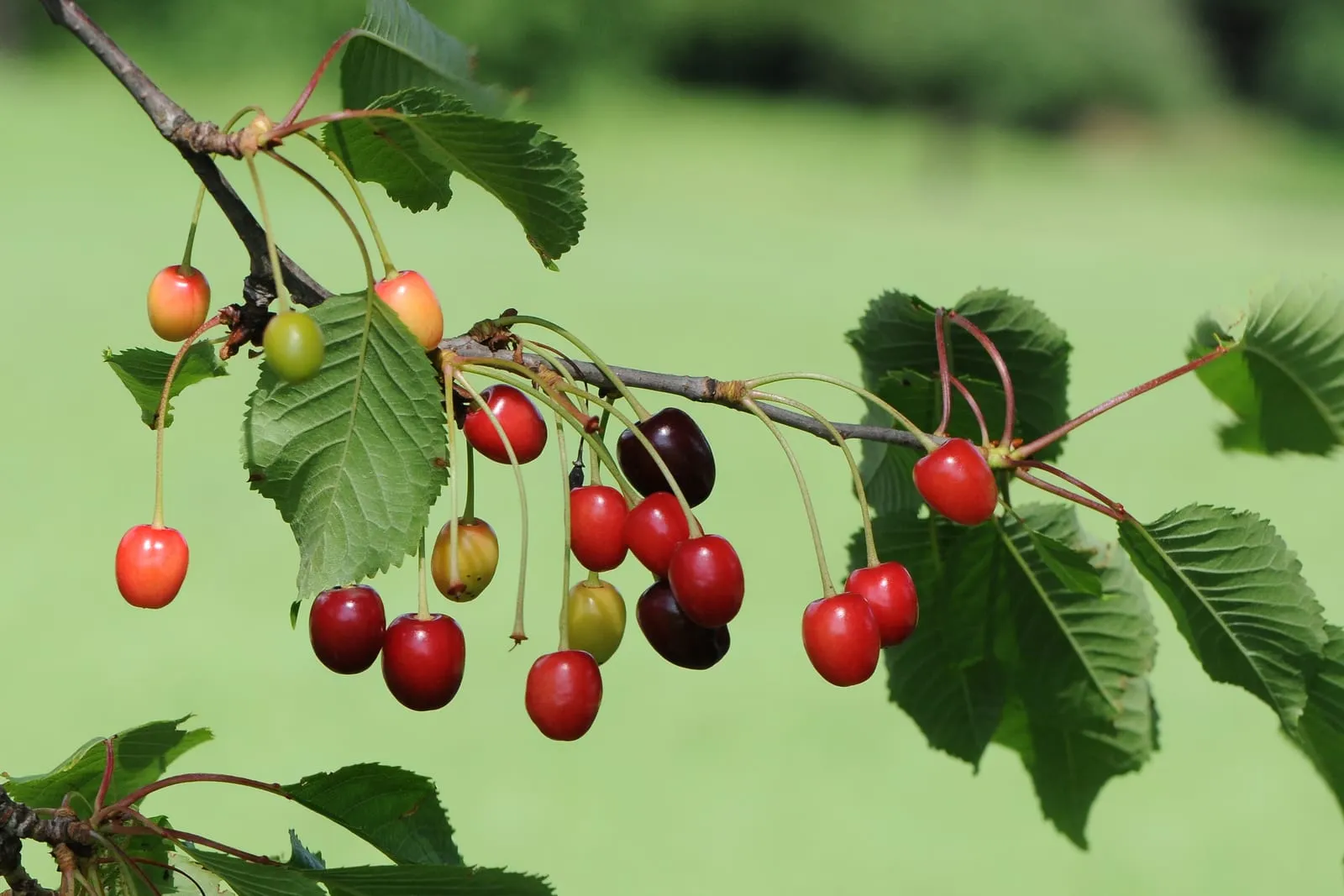
fruit tree in zone 6a
Growing sour cherry in zone 6a
Prunus cerasus
- Zone
- 6a -10°F to -5°F
- Growing season
- 180 days
- Chill needed
- 700 to 1000 below 45°F
- Suitable varieties
- 2
- Days to harvest
- 60 to 75
The verdict
Zone 6a is a reliable fit for sour cherry, not a marginal one. With winter lows of -10 to -5°F, the zone comfortably meets the crop's cold-hardiness requirements. Both Montmorency and North Star are rated hardy well below those temperatures, so winter kill is rarely the limiting factor here.
The chill-hour picture is equally favorable. Zone 6a typically accumulates between 1,000 and 1,400 chill hours over winter, well above the 700 to 1,000 hours sour cherry requires to break dormancy cleanly and set fruit reliably. Growers in warmer edges of the zone who see mild Januaries may occasionally fall short, but that scenario is uncommon in 6a.
The more relevant risks are spring frost timing against the early bloom window and disease pressure from brown rot and cherry leaf spot, both of which find humid zone 6a summers favorable. Neither of those is a reason to avoid the crop; they are reasons to manage it actively.
Recommended varieties for zone 6a
2 cultivars suited to this zone, with disease-resistance and zone-fit annotations.
| Variety | Notes | Zone fit | Disease resistance |
|---|---|---|---|
| Montmorency fits zone 6a | Tart, bright red, juicy; the classic American pie cherry, defines the flavor of cherry pie, jam, and juice. Self-fertile, no pollinator needed. | | none noted |
| North Star fits zone 6a | Tart, dark red, juicy with rich flavor; pies, preserves, juice. Compact dwarf tree (8-12 ft), self-fertile, very cold-hardy. | | none noted |
Critical timing for zone 6a
Sour cherry blooms early, typically in late April in zone 6a, earlier than most tree fruits and squarely in the window when late frosts remain a real possibility. Last frost dates across zone 6a generally run from mid-April through early May, depending on elevation and local topography, which means open blooms can face frost events in some years.
Harvest falls roughly 60 to 70 days after full bloom. For Montmorency, expect ripe fruit in late June to mid-July. North Star tends to ripen a few days earlier. A cool, wet spring can push both dates back by a week or more, while an unusually warm April can accelerate them. Monitoring local frost forecasts through early May and tracking bloom stage carefully gives growers the best read on when to expect fruit.
Common challenges in zone 6a
- ▸ Brown rot in stone fruit
- ▸ Japanese beetles
- ▸ Spring frost damage to peach buds
Disease pressure to watch for
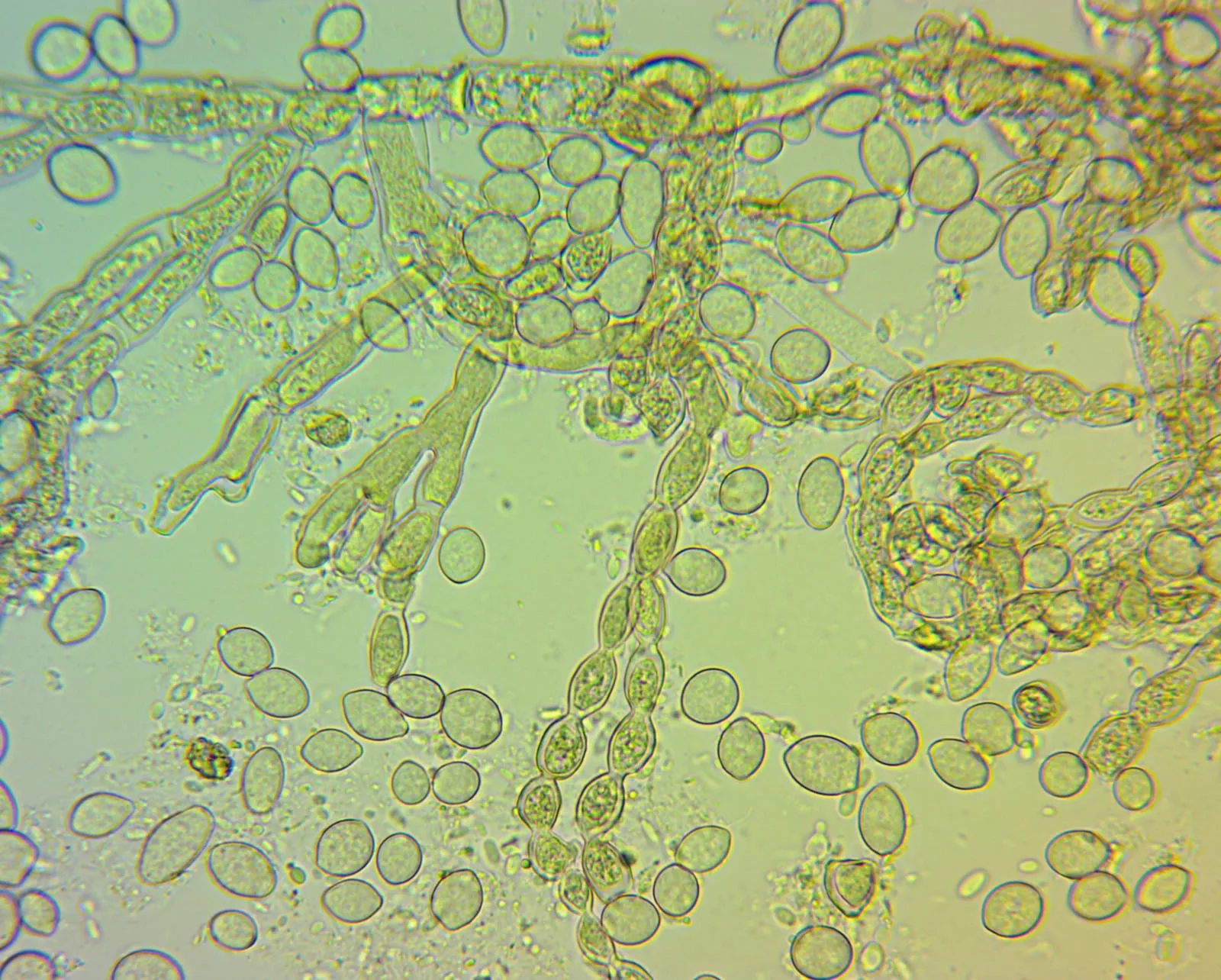
Monilinia fructicola
The most damaging stone-fruit and almond disease, causing blossom blight and fruit rot.
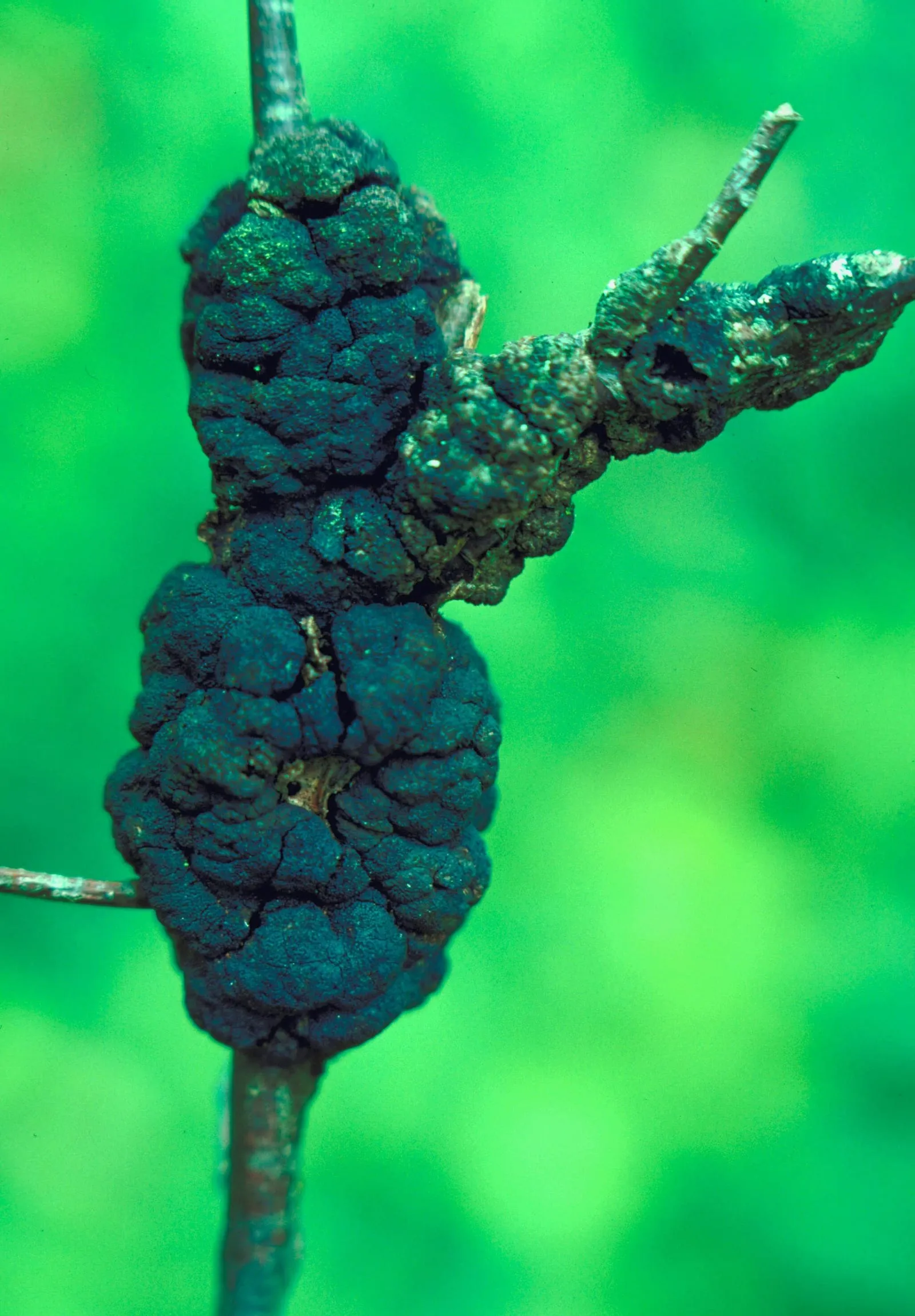
Apiosporina morbosa
Fungal disease producing characteristic black warty galls on plum and cherry branches.
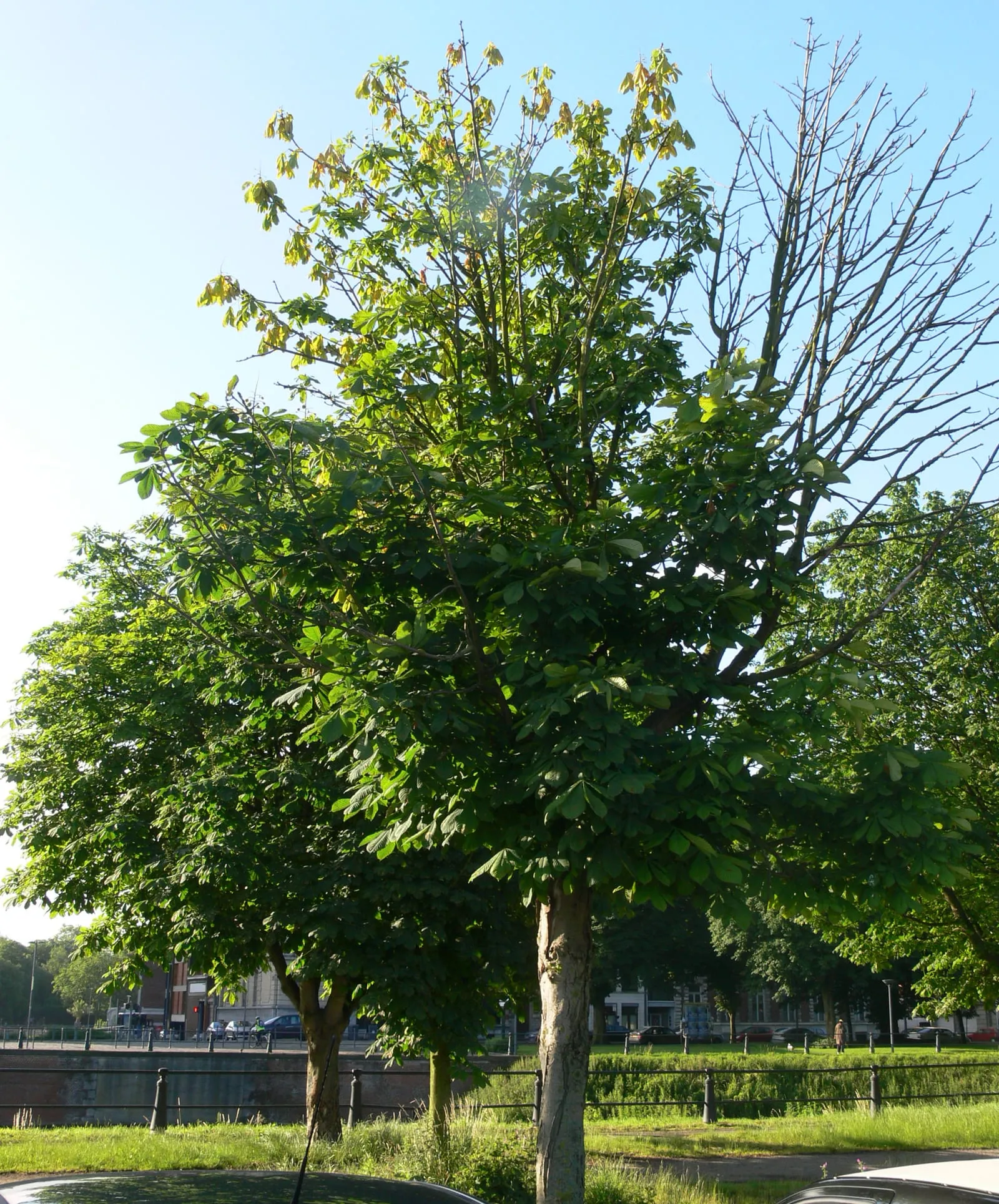
Pseudomonas syringae
Bacterial disease causing limb dieback and gummosis, particularly damaging in wet cool springs.
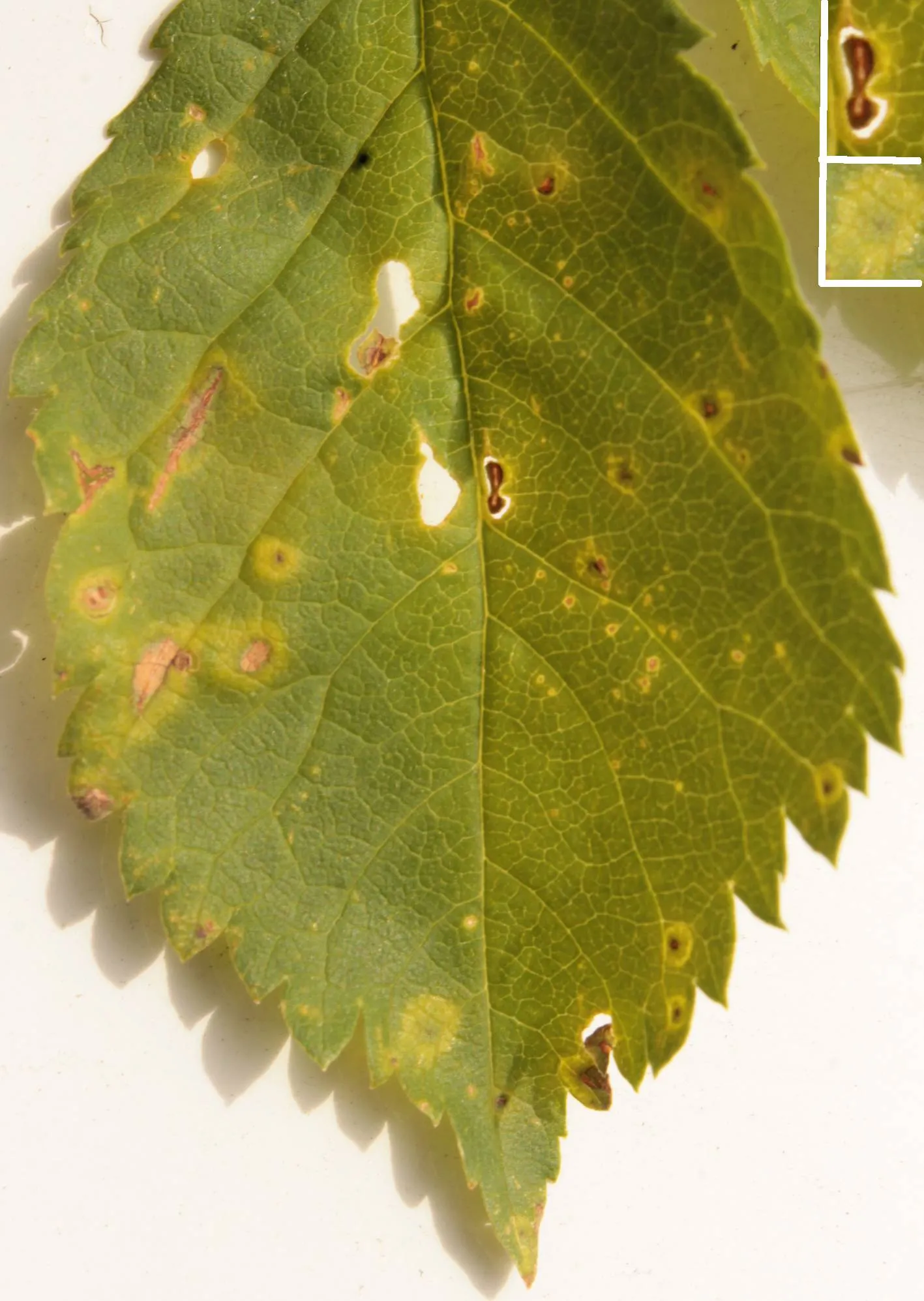
Blumeriella jaapii
Defoliating fungal disease that weakens trees over consecutive seasons.
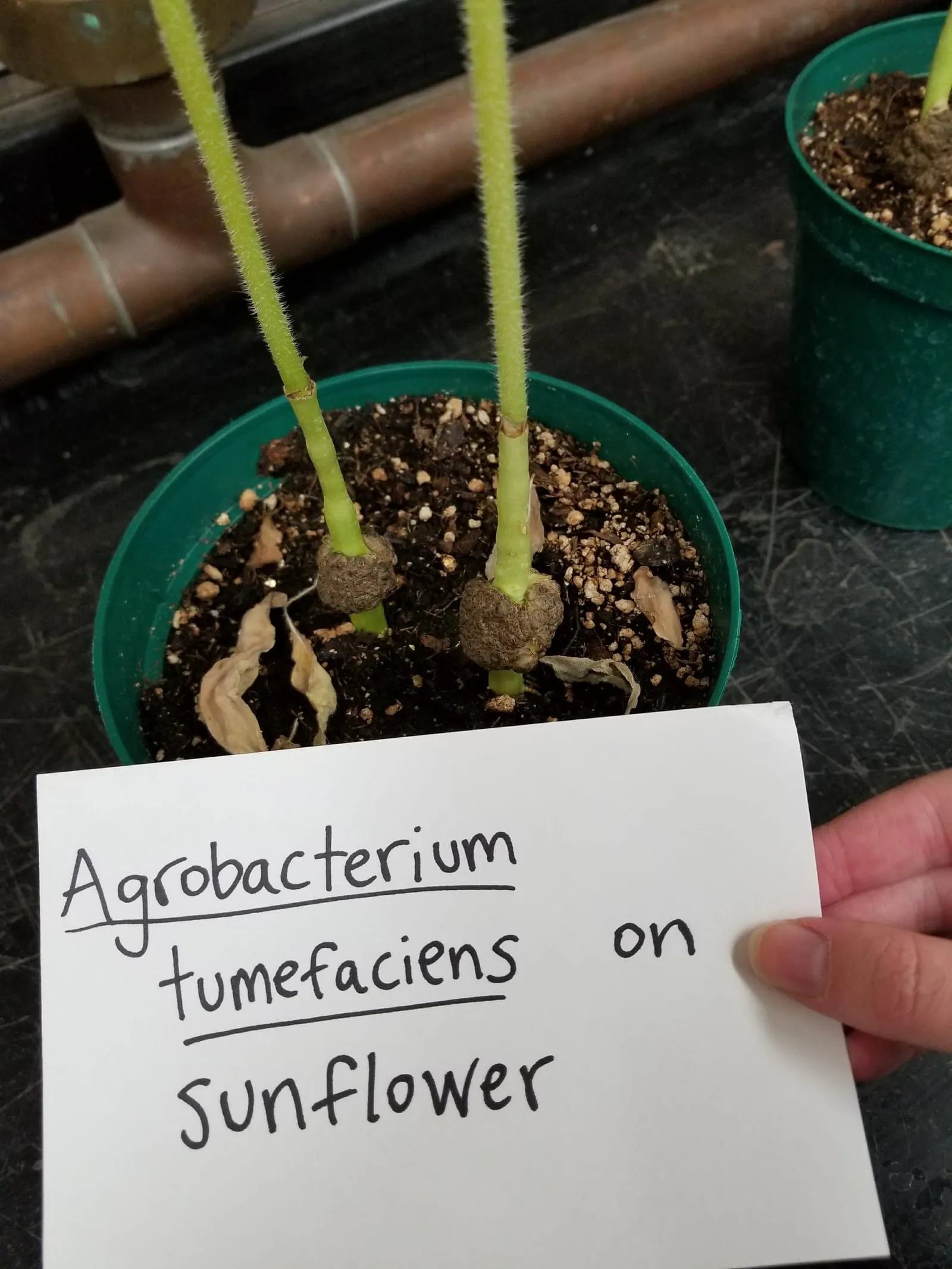
Agrobacterium tumefaciens
Soil-borne bacterium that enters plants through wounds and induces tumor-like galls on roots, crown, and lower stems. Galls reduce vigor and shorten plant lifespan; on Rubus the disease is often fatal.
Modified care for zone 6a
Brown rot is the primary management priority in zone 6a. The zone's warm, humid summers create favorable conditions for Monilinia infections, particularly during rain events that coincide with bloom or the weeks leading into harvest. A fungicide program timed to bloom and pre-harvest intervals is not optional here; it's standard practice. Cherry leaf spot follows a similar pattern, building through summer and defoliating trees by August if ignored. Copper-based or labeled synthetic fungicides applied on a 10 to 14-day schedule during wet stretches manage both diseases effectively.
Japanese beetle pressure is a zone 6a reality for stone fruits. Hand-picking and row covers work at small scale; larger plantings may require targeted insecticide applications during the peak June through August flight window.
Spring frost protection during bloom warrants attention in years with an early warm stretch followed by a hard freeze. Low-volume overhead irrigation or frost cloth over dwarf trees can limit damage when a late frost threatens open flowers.
Frequently asked questions
- Is zone 6a too cold for sour cherry?
No. Sour cherry is one of the hardier stone fruits, and both Montmorency and North Star tolerate temperatures well below zone 6a's expected lows of -10 to -5°F. Winter cold is not the limiting factor in zone 6a; disease pressure and spring frost timing at bloom are the primary management concerns.
- Which sour cherry varieties perform best in zone 6a?
Montmorency is the standard commercial and home-garden variety for zone 6a and is reliably productive under the zone's conditions. North Star is a dwarf-habit alternative with similar cold hardiness and slightly earlier ripening. Both varieties match the zone's chill-hour accumulation well.
- How do I protect sour cherry blossoms from late spring frosts in zone 6a?
The most practical options for small plantings are floating row cover applied the evening before a forecast frost and removed after temperatures rise, or low-volume overhead irrigation that maintains ice formation around buds, which holds tissue temperature near 32°F. Site selection matters too: avoid low spots where cold air pools on calm nights.
- When should I expect to harvest sour cherries in zone 6a?
Late June to mid-July is the typical window for Montmorency in zone 6a, with North Star ripening a few days earlier. Actual dates shift with spring temperatures. A warm April advances bloom and compresses the timeline; a cool, wet spring pushes harvest into mid-July.
+−
+−
+−
+−
Sour Cherry in adjacent zones
Image: "Sauerkirschenfrucht Prunus cerasus 2", by böhringer friedrich, via Wikimedia Commons, licensed under CC-BY Source.

Related