fruit tree in zone 6b
Growing sour cherry in zone 6b
Prunus cerasus
- Zone
- 6b -5°F to 0°F
- Growing season
- 190 days
- Chill needed
- 700 to 1000 below 45°F
- Suitable varieties
- 1
- Days to harvest
- 60 to 75
The verdict
Zone 6b sits near the center of sour cherry's preferred range, not at its margins. The crop's chill-hour requirement of 700 to 1,000 hours matches well with what most zone 6b locations accumulate each winter, typically 800 to 1,100 hours depending on elevation and proximity to large water bodies. Growers at the warmer end of the zone, particularly in urban areas where the heat island effect can reduce accumulation, should verify local chill-hour totals before planting.
Montmorency, the standard sour cherry variety in the eastern United States, performs reliably across zone 6b. Its 700-hour minimum sits comfortably within the zone's typical accumulation range, reducing the risk of bloom failure from insufficient chilling. The zone's minimum temperatures of -5 to 0°F fall within Montmorency's cold hardiness limits, so winter kill of established trees is not the primary concern here. Disease pressure is the more significant management challenge in this zone.
Recommended varieties for zone 6b
1 cultivar suited to this zone, with disease-resistance and zone-fit annotations.
| Variety | Notes | Zone fit | Disease resistance |
|---|---|---|---|
| Montmorency fits zone 6b | Tart, bright red, juicy; the classic American pie cherry, defines the flavor of cherry pie, jam, and juice. Self-fertile, no pollinator needed. | | none noted |
Critical timing for zone 6b
Sour cherry bloom in zone 6b typically falls in late March to mid-April, depending on winter duration and spring warming patterns. This puts the bloom window in direct conflict with the zone's average last frost dates, which often extend into mid-April across much of zone 6b. A single hard frost during full bloom can eliminate most of a year's crop.
Harvest for Montmorency generally runs late June through mid-July in zone 6b, approximately 60 to 70 days after peak bloom. The 190-day growing season provides ample time for fruit to develop fully before fall. Watch the 10-day forecast closely during bloom; growers with small plantings sometimes use overhead irrigation for frost protection when temperatures are forecast to drop below 28°F.
Common challenges in zone 6b
- ▸ Cedar-apple rust
- ▸ Fire blight
- ▸ Stink bugs
Disease pressure to watch for
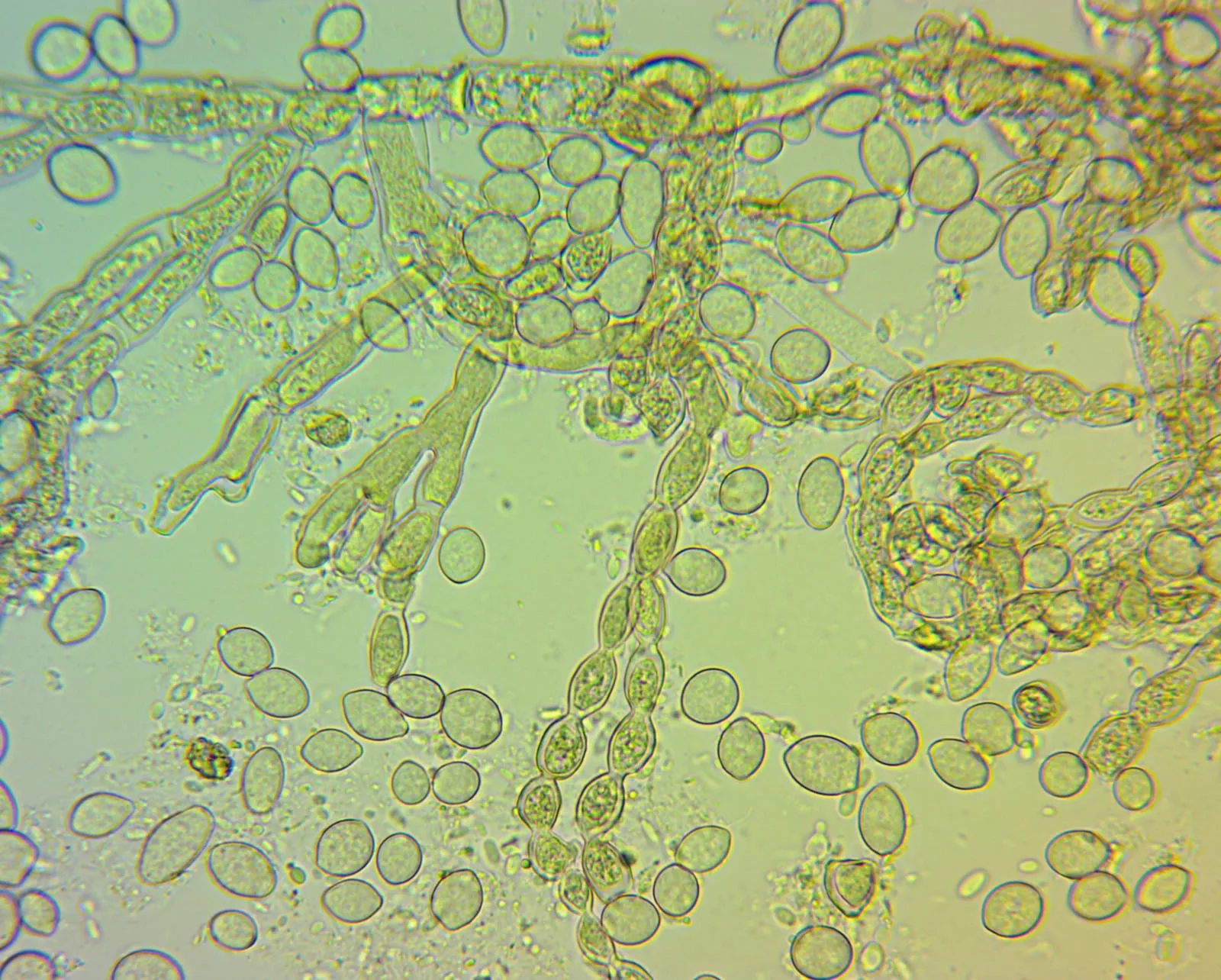
Monilinia fructicola
The most damaging stone-fruit and almond disease, causing blossom blight and fruit rot.
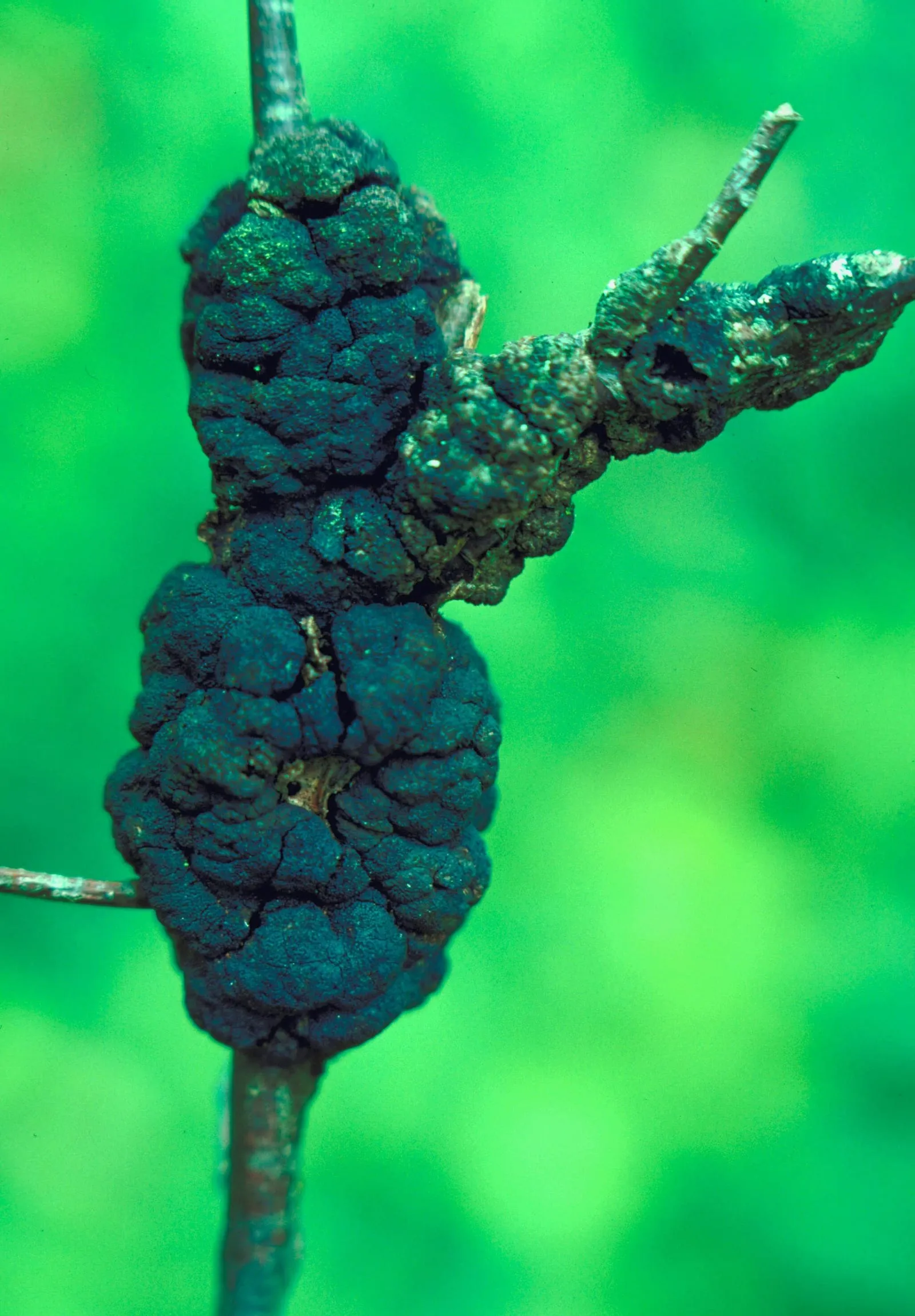
Apiosporina morbosa
Fungal disease producing characteristic black warty galls on plum and cherry branches.
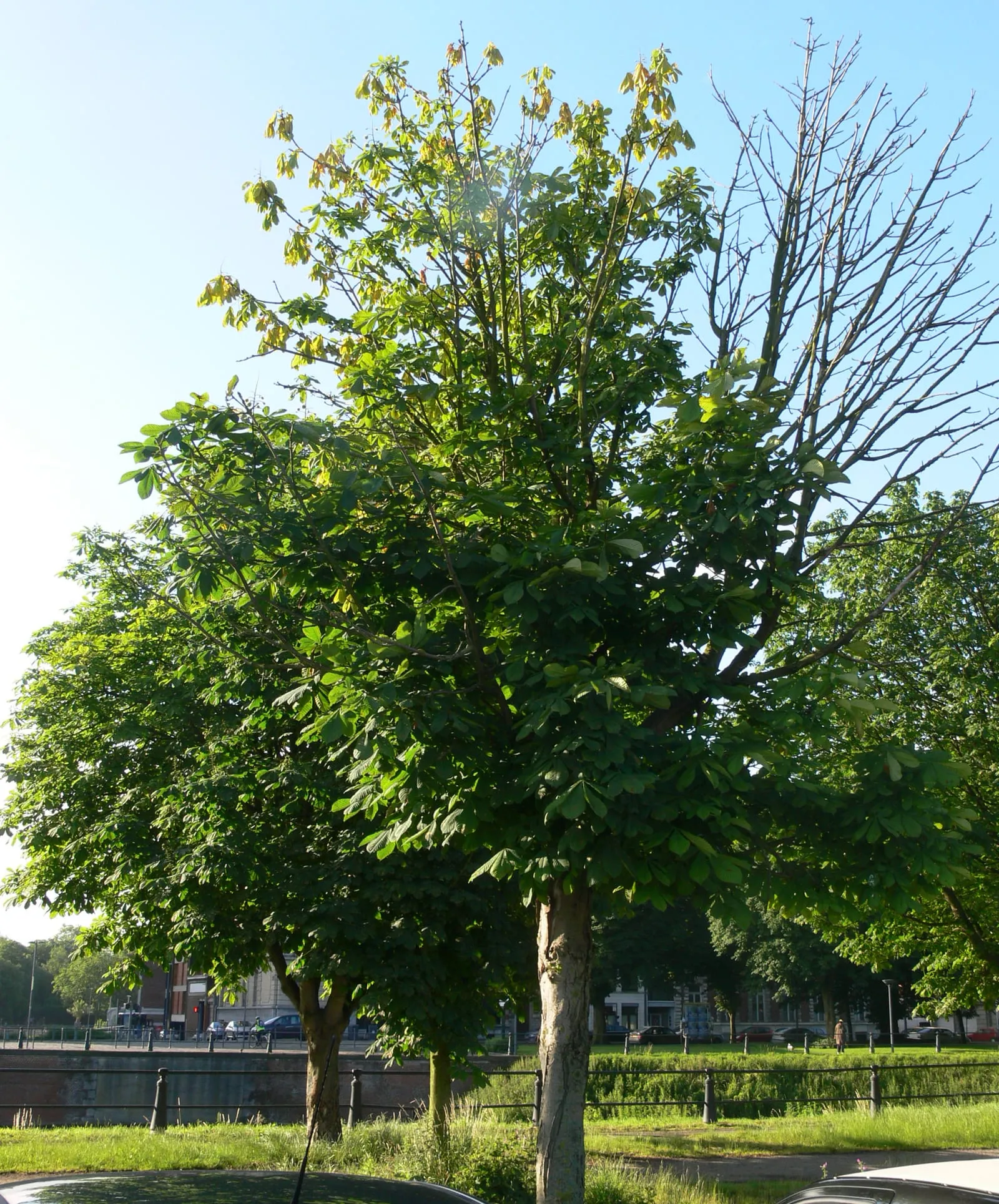
Pseudomonas syringae
Bacterial disease causing limb dieback and gummosis, particularly damaging in wet cool springs.
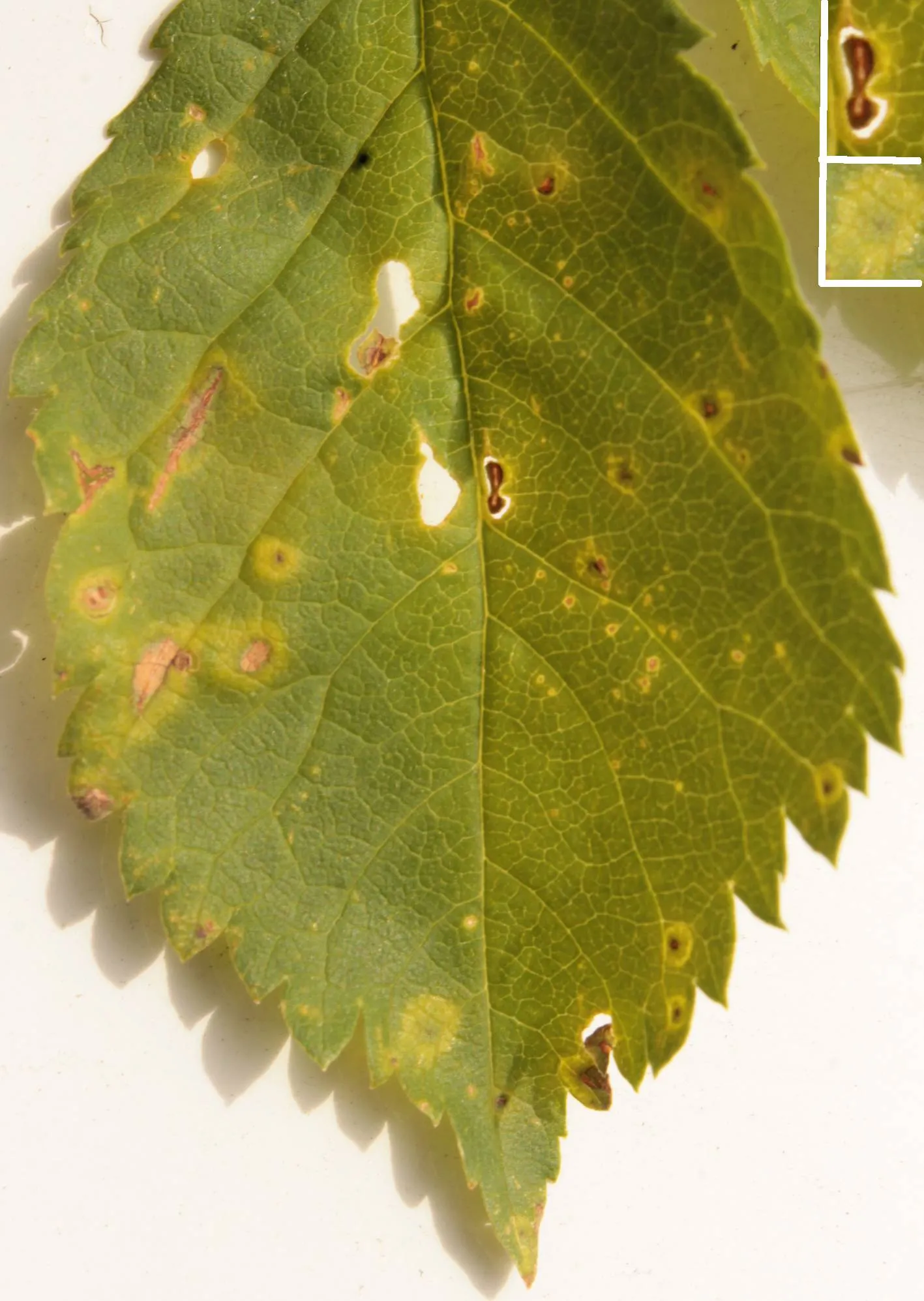
Blumeriella jaapii
Defoliating fungal disease that weakens trees over consecutive seasons.
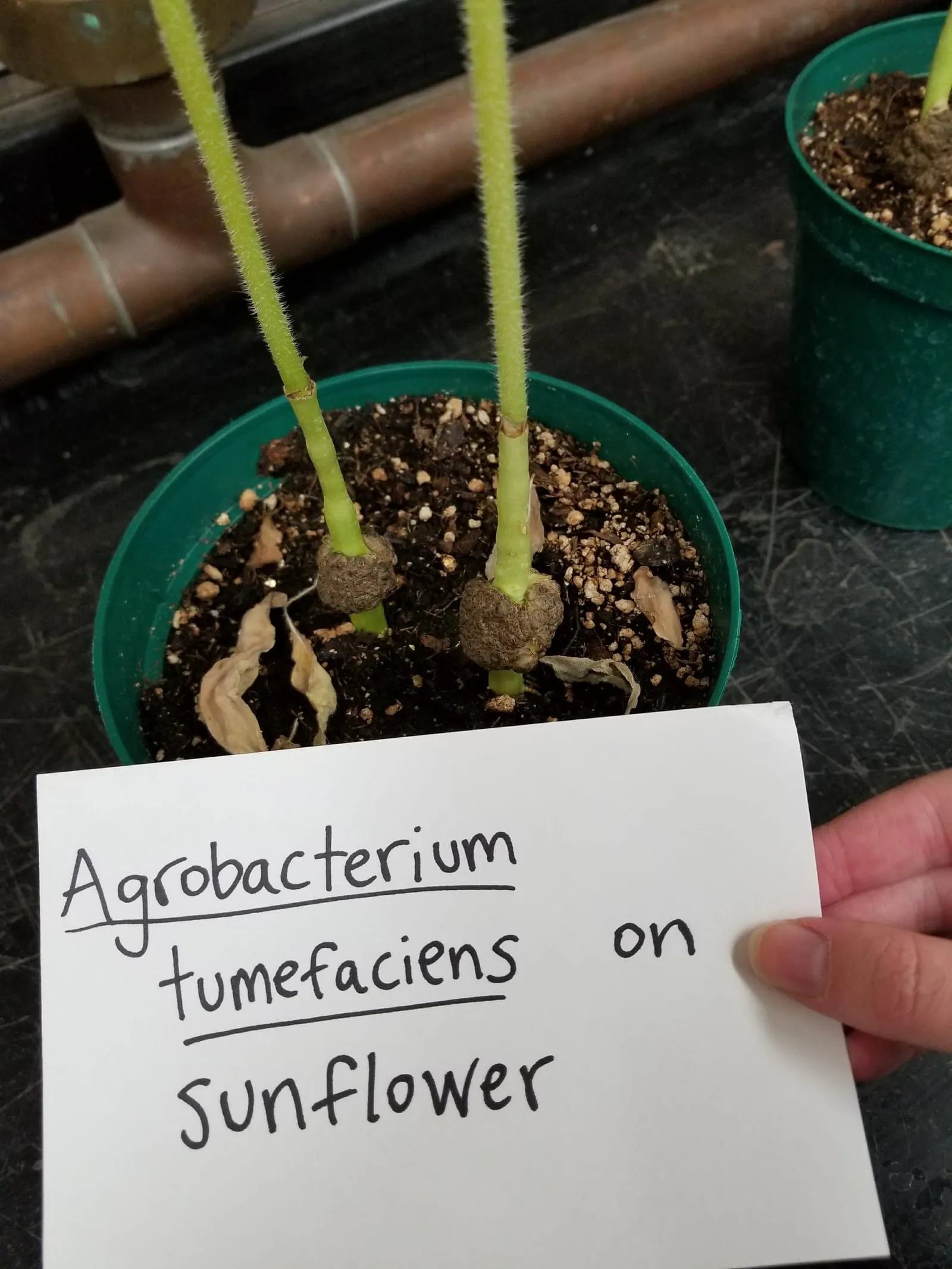
Agrobacterium tumefaciens
Soil-borne bacterium that enters plants through wounds and induces tumor-like galls on roots, crown, and lower stems. Galls reduce vigor and shorten plant lifespan; on Rubus the disease is often fatal.
Modified care for zone 6b
Cherry leaf spot (caused by Blumeriella jaapii) is the primary disease management priority in zone 6b. Left unmanaged, it defoliates trees by midsummer, weakening them heading into winter and reducing the following year's crop. Fungicide applications starting at petal fall and continuing on a 10 to 14-day schedule through summer are standard practice in this zone.
Brown rot becomes a concern in the two to three weeks before harvest, particularly in wet years. Timing the final fungicide application within two weeks of harvest helps reduce losses. Stink bugs can cause significant fruit damage from late June onward; monitoring traps near harvest are useful for gauging pressure and timing any intervention. No extra winter protection is needed for established trees in zone 6b.
Sour Cherry in adjacent zones
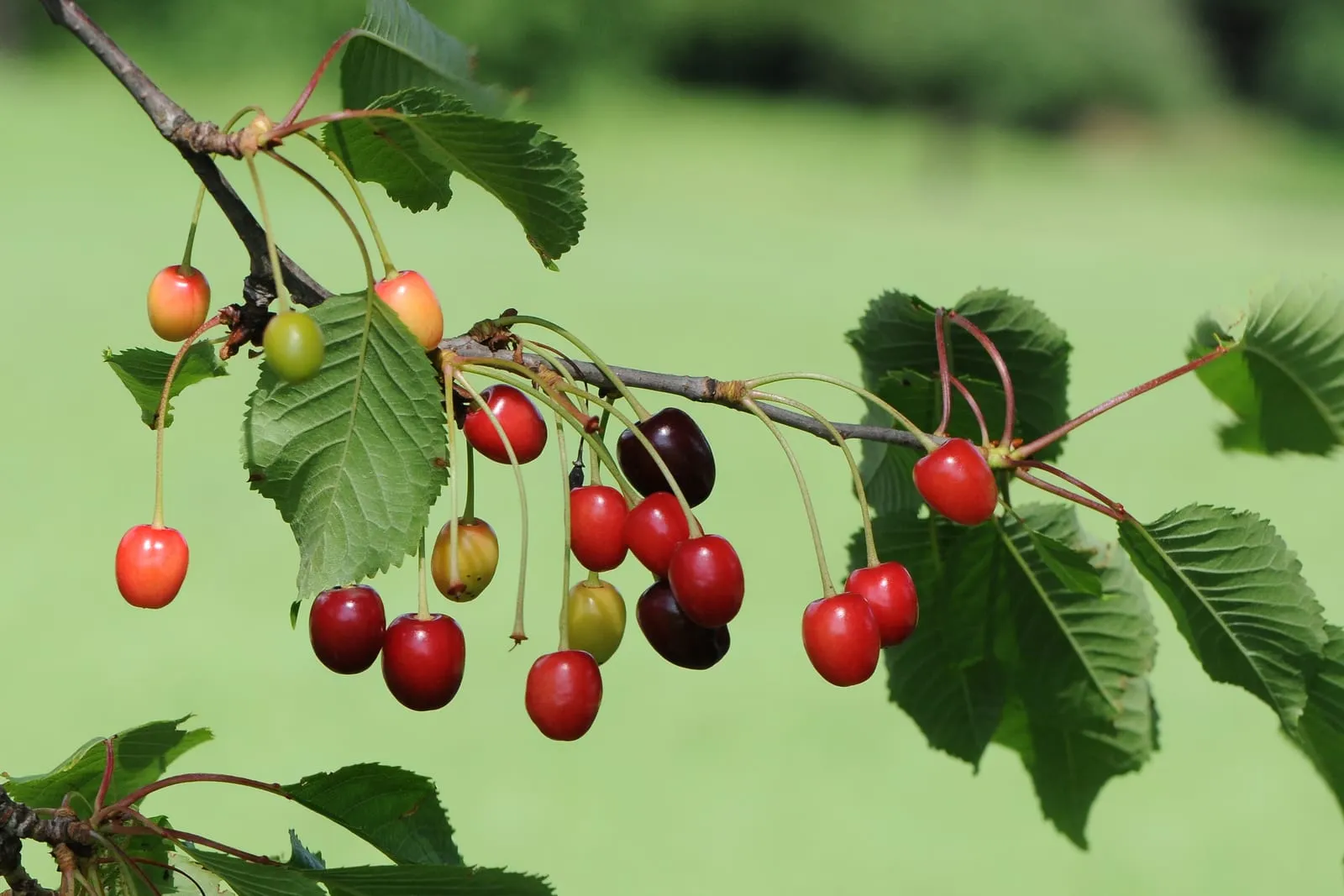
Image: "Sauerkirschenfrucht Prunus cerasus 2", by böhringer friedrich, via Wikimedia Commons, licensed under CC-BY Source.

Related