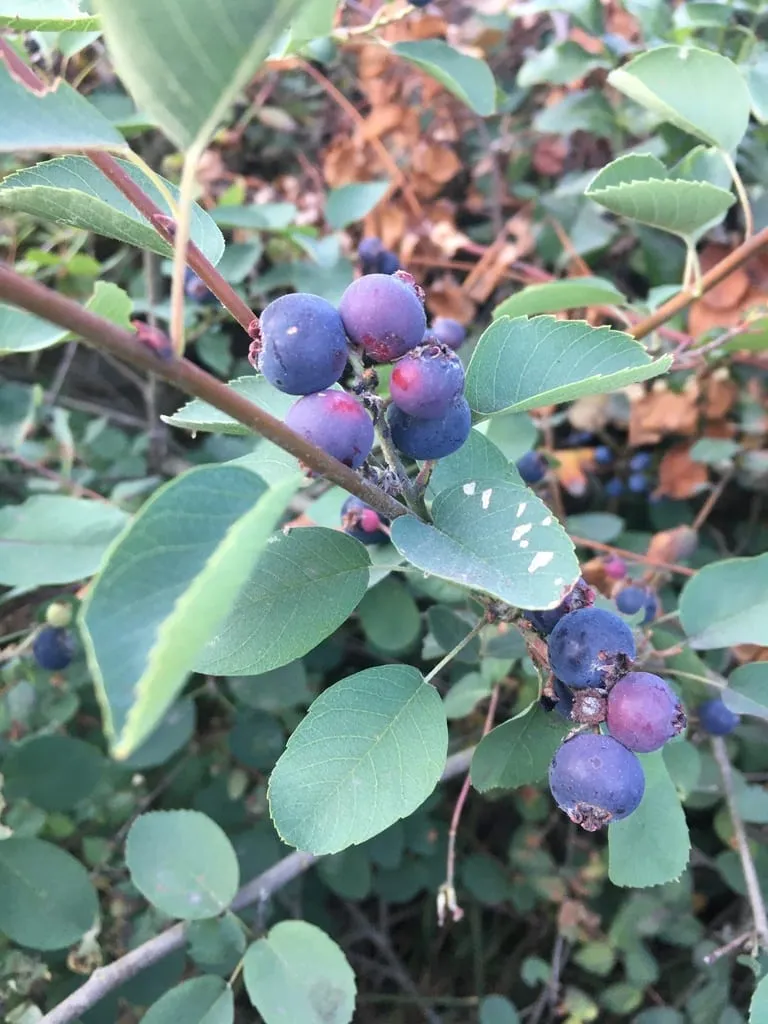
berry
Saskatoon (Serviceberry)
Amelanchier alnifolia
USDA hardiness range
- Zones
- 3a–7a
- Chill hours
- 1000 to 1500 below 45°F
- Days to harvest
- 60 to 80
- Sun
- Full
- Water
- Moderate
- Lifespan
- 30 to 50 years
Growing saskatoon (serviceberry)
Saskatoon (Amelanchier alnifolia) is a cold-hardy shrub producing blueberry-sized fruits with a distinctive almond-sweet flavor and 30 to 50 years of productive life when sited well. It thrives across zones 3a through 7a, making it one of the more cold-tolerant fruiting shrubs available to northern growers. Chill-hour requirements of 1,000 to 1,500 hours align naturally with zone 3 through 6 climates; zone 7a growers should verify local chill accumulation before planting, since marginal sites can fall short in mild winters and produce erratic bloom and delayed fruiting.
Where saskatoon struggles is at the warm edge of its range. In zones 6b and 7a, reduced chill accumulation leads to uneven leafout and irregular crop set. Heat combined with summer humidity also raises disease pressure, particularly gray mold during ripening. At the cold end, the shrub itself is reliably hardy to zone 3a, but late-spring frosts are the primary yield threat because saskatoon blooms 2 to 3 weeks earlier than apple in the same location.
What separates productive plantings from failed ones is site selection and honest variety matching. South-facing slopes accelerate early bloom and increase frost exposure; north-facing or elevated sites with cold-air drainage can delay bloom by several days, which is often enough to clear the last hard-freeze window. Crowded plantings increase humidity around fruit clusters and amplify botrytis risk. Both the University of Saskatchewan Saskatoon program and North Dakota State Extension identify air circulation and site choice as the primary management levers for consistent, disease-free crops.
Recommended varieties
See all 4 →4 cultivars for home growers, with notes on flavor, ripening, and disease resistance.
| Variety | Notes | Zone fit | Disease resistance |
|---|---|---|---|
| Smoky | Sweet, mild, almond-blueberry flavor with hint of marzipan; fresh, jam, baking, drying. The Canadian commercial standard, large dark-purple berries. Self-fertile, productive. | | none noted |
| Northline | Sweet, rich, almond-blueberry character; fresh and processing. Productive Saskatchewan selection with concentrated ripening for easy harvest. Vigorous suckering habit. | | none noted |
| Thiessen | Very sweet, mild, the largest fruit of any saskatoon; fresh eating premium. Early-ripening Canadian selection, self-fertile and reliable. | | none noted |
| Regent | Sweet, mild, dark blue-purple berries; fresh and processing. Compact 4-6 ft habit, ornamental as well as productive. Cold-hardy. | | none noted |
Soil and site requirements
Saskatoon tolerates a wide soil range but performs best in well-drained loam with a pH of 6.0 to 7.0. Sandy soils are workable if supplemental moisture is available; clay-heavy soils create root rot risk during wet periods, and raised rows or bermed planting beds are worth considering in those situations. Waterlogged conditions are the fastest way to kill established plants, and low spots should be avoided entirely.
Full sun is necessary for commercial-quality yields. Plants in partial shade survive but produce fewer fruit clusters and stretch toward light, reducing the compact habit that makes harvest manageable. Within-row spacing of 4 to 6 feet and between-row spacing of 8 to 10 feet balances yield per acre with the airflow needed to limit botrytis in humid years.
Microclimate selection has an outsized effect on both yield and fruit quality. Frost pockets, where cold air settles on still nights, can eliminate the entire crop in a single late-April freeze. North- or east-facing slopes delay bloom slightly and reduce frost risk without meaningfully shortening the growing season in zones 4 through 6. In zone 7a, an exposed site with good air drainage is preferable to a sheltered hollow that holds humidity. Saskatoon has a long history on prairie shelterbelts, so moderate wind exposure is tolerated; sustained strong winds during bloom can reduce pollinator activity and affect fruit set.
Common diseases
Common pests
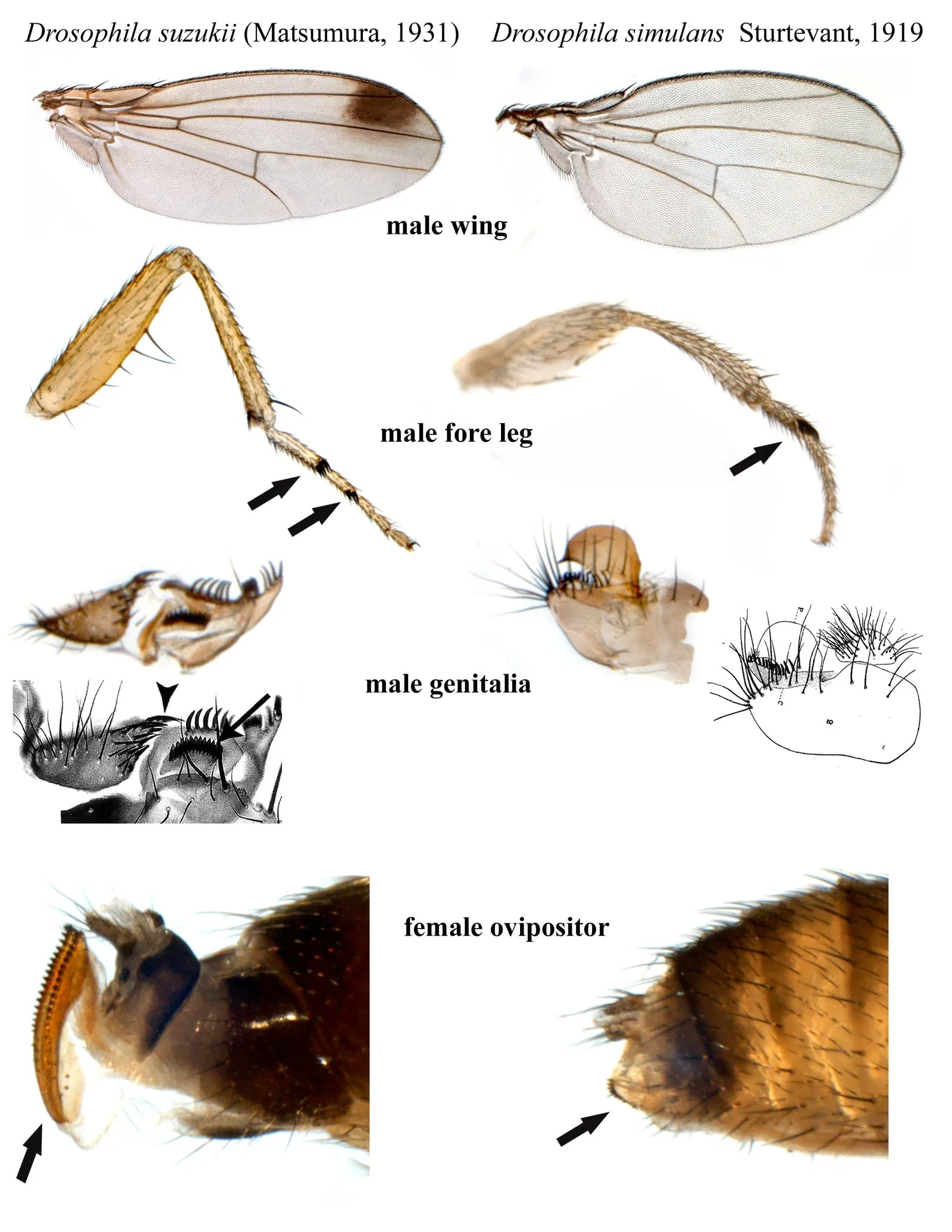
Drosophila suzukii
Invasive vinegar fly that attacks ripening soft fruit, unlike native Drosophila species which target overripe fruit. Now the dominant berry-and-cherry pest across the US.
Multiple species
Robins, catbirds, mockingbirds, starlings, cedar waxwings and other songbirds can strip ripening berry and fruit crops in days. Crows and blackbirds also damage fresh sweet corn ears in milk stage. The single biggest yield-loss factor in unprotected home plantings.
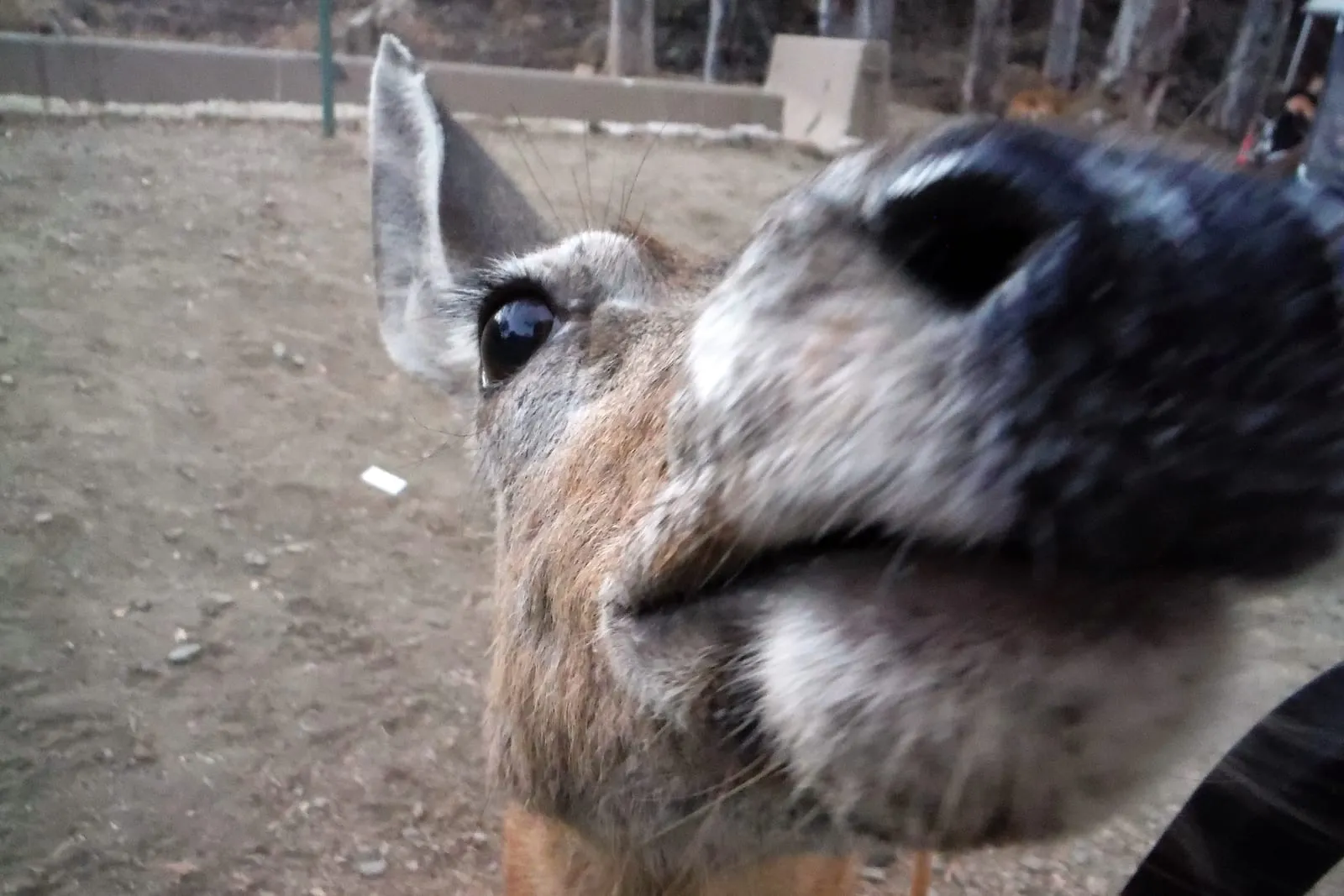
Odocoileus species
Whitetail and mule deer browse can devastate orchards and gardens, particularly in winter when food is scarce. Antler rub on young trunks kills saplings outright.
Common challenges
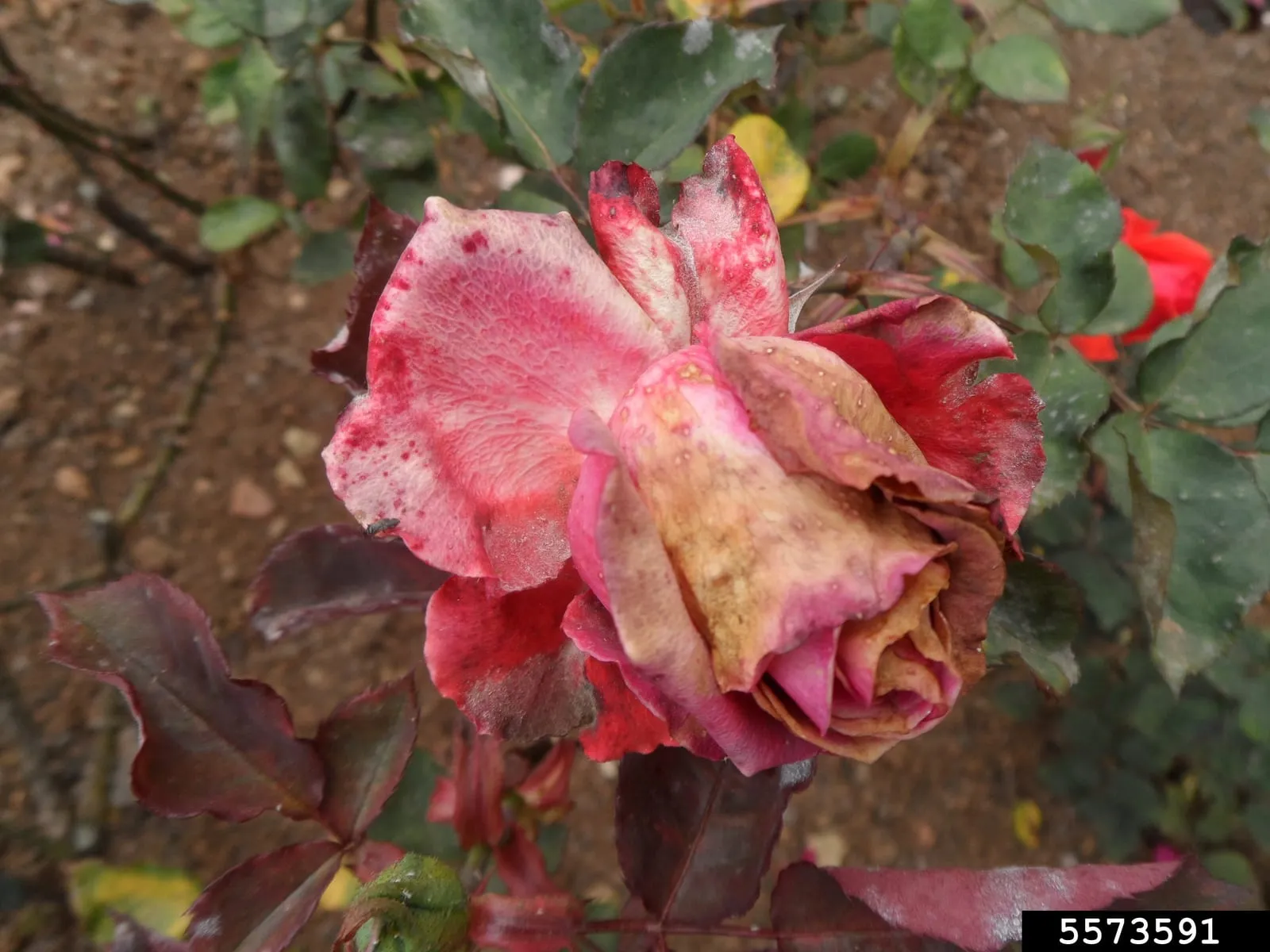
Gray mold (Botrytis cinerea) is the most consistent disease threat. The fungus overwinters in plant debris and spreads rapidly once fruit begins to color, especially in wet springs when clusters are dense and air circulation is limited. Management centers on adequate plant spacing (4 feet minimum between plants), complete removal of mummified fruit after harvest, and avoiding overhead irrigation once fruit is sizing up. In zones 6 and 7a, where summer humidity is higher and seasons are milder, this pressure is amplified and site selection with attention to airflow becomes even more important.
Late-spring frost is the primary yield risk in zones 3 through 5. Because saskatoon flowers well ahead of most orchard crops, a frost event that causes no apple damage can eliminate the saskatoon crop entirely. Site selection is the main lever: elevated sites with reliable cold-air drainage consistently outperform low-lying areas. Once the forecast shows a hard frost during bloom, options are limited to overhead irrigation frost protection for larger plantings or floating row covers for small ones.
Spotted wing drosophila (SWD) has become a significant concern across the eastern US and Pacific Northwest. Unlike most fruit flies, SWD attacks healthy ripening fruit rather than overripe or damaged fruit, so monitoring must begin at first color change. The harvest window for saskatoon is short, 60 to 80 days from bloom to ripe fruit, which compresses the risk period but leaves little time to react. Netting is the most reliable deterrent for both SWD and bird damage, which can strip a planting within days of peak ripening.
Companion plants
Frequently asked questions
- How many chill hours does saskatoon require?
Saskatoon requires 1,000 to 1,500 chill hours (hours below 45°F) annually. This range fits naturally in zones 3a through 6b. Zone 7a growers should check historical chill accumulation for their specific site before planting, as mild winters can fall short of the lower threshold and result in erratic bloom.
- What USDA hardiness zones are suitable for saskatoon?
Saskatoon is well suited to zones 3a through 7a. It is one of the more cold-tolerant fruiting shrubs available, surviving winter lows in zone 3a without protection. Performance at zone 7a depends on sufficient winter chill accumulation, which varies by site and year.
- Does saskatoon need a pollinator plant?
The most widely grown named varieties, including Smoky and Thiessen, are self-fertile and will set fruit without a second plant. Planting two or more varieties in proximity generally increases crop load and can improve berry size, but is not required for a productive harvest.
- How long does it take saskatoon to produce fruit?
Established saskatoon plants ripen fruit 60 to 80 days from bloom. New plantings typically begin producing a light crop in years 2 to 3 and reach full production by years 5 to 7. A well-sited plant can remain productive for 30 to 50 years.
- What is the most common disease problem in saskatoon?
Gray mold (Botrytis cinerea) is the most frequent disease issue, particularly in wet spring and early summer conditions. It attacks ripening fruit and is most severe in dense, poorly-ventilated plantings. Good air circulation through proper spacing and removal of old plant debris are the primary management strategies.
- Is saskatoon the same plant as serviceberry?
Yes. Saskatoon and serviceberry refer to the same species, Amelanchier alnifolia. The name "saskatoon" is standard in Canadian commercial growing and prairie regions; "serviceberry" or "Juneberry" is more common in the eastern United States. The cultivated fruiting selections grown for berry production are the same plant regardless of regional naming.
- Which saskatoon variety produces the largest fruit?
Thiessen is noted for the largest fruit size among commonly grown saskatoon varieties, and is considered a premium fresh-eating selection. It is self-fertile, early ripening, and reliable across its zone range. Smoky is the Canadian commercial standard and offers large dark-purple berries with a characteristic almond-blueberry flavor suited to fresh use, jam, and drying.
+−
+−
+−
+−
+−
+−
+−
Sources
Image: "Saskatoon", by Corvi Zeman, via iNaturalist, licensed under CC-BY. Source.
Saskatoon (Serviceberry) by zone
Related