berry in zone 3b
Growing saskatoon (serviceberry) in zone 3b
Amelanchier alnifolia
- Zone
- 3b -35°F to -30°F
- Growing season
- 100 days
- Chill needed
- 1000 to 1500 below 45°F
- Suitable varieties
- 4
- Days to harvest
- 60 to 80
The verdict
Saskatoon (serviceberry) is not just viable in zone 3b, it is genuinely at home there. Native to the northern Great Plains and Canadian prairie provinces, saskatoons evolved under precisely the conditions zone 3b delivers: long, cold winters and a compressed growing season. The crop's chill-hour requirement of 1,000 to 1,500 hours is reliably met across the zone, often exceeded, which promotes uniform bud break and consistent fruiting.
This is a sweet spot, not a marginal zone. Varieties bred for northern prairie conditions, including Smoky, Northline, Thiessen, and Regent, were selected specifically for performance at these latitudes. Zone 3b's extended winter dormancy also protects plants from the midwinter thaw-refreeze cycles that damage stone fruits in warmer zones. Growers near the zone 3a boundary should monitor for unusual cold snaps, but for most of zone 3b, saskatoon presents few compatibility concerns with established varieties.
Recommended varieties for zone 3b
4 cultivars suited to this zone, with disease-resistance and zone-fit annotations.
| Variety | Notes | Zone fit | Disease resistance |
|---|---|---|---|
| Smoky fits zone 3b | Sweet, mild, almond-blueberry flavor with hint of marzipan; fresh, jam, baking, drying. The Canadian commercial standard, large dark-purple berries. Self-fertile, productive. | | none noted |
| Northline fits zone 3b | Sweet, rich, almond-blueberry character; fresh and processing. Productive Saskatchewan selection with concentrated ripening for easy harvest. Vigorous suckering habit. | | none noted |
| Thiessen fits zone 3b | Very sweet, mild, the largest fruit of any saskatoon; fresh eating premium. Early-ripening Canadian selection, self-fertile and reliable. | | none noted |
| Regent fits zone 3b | Sweet, mild, dark blue-purple berries; fresh and processing. Compact 4-6 ft habit, ornamental as well as productive. Cold-hardy. | | none noted |
Critical timing for zone 3b
In zone 3b, saskatoon bloom typically begins in early to mid-May, with the exact date varying by site aspect and how quickly soils warm after snowmelt. With a growing season of roughly 100 days, the window from bloom to harvest is tight but workable. Fruit generally ripens in late June to mid-July.
Late spring frosts are the main timing risk. Frost events through mid-May are common in zone 3b, and open-bloom flowers can sustain fruitlet damage below approximately 28°F (-2°C). A south-facing slope with good cold-air drainage advances bloom by several days and reduces exposure to late frost pockets. Fall frosts, typically arriving by late September, pose no harvest-season risk since ripening wraps up by July.
Common challenges in zone 3b
- ▸ Short season
- ▸ Winter desiccation
- ▸ Site selection critical for fruit trees
Disease pressure to watch for
Modified care for zone 3b
Winter desiccation is the primary care challenge in zone 3b that warmer-zone references tend to understate. When soils freeze deeply and persistent winds continue through winter, canes lose moisture faster than roots can replenish it. A windbreak on the north and northwest sides significantly reduces this stress. Where reliable snow cover is not guaranteed, a straw mulch applied after the ground freezes insulates root crowns through cold spells.
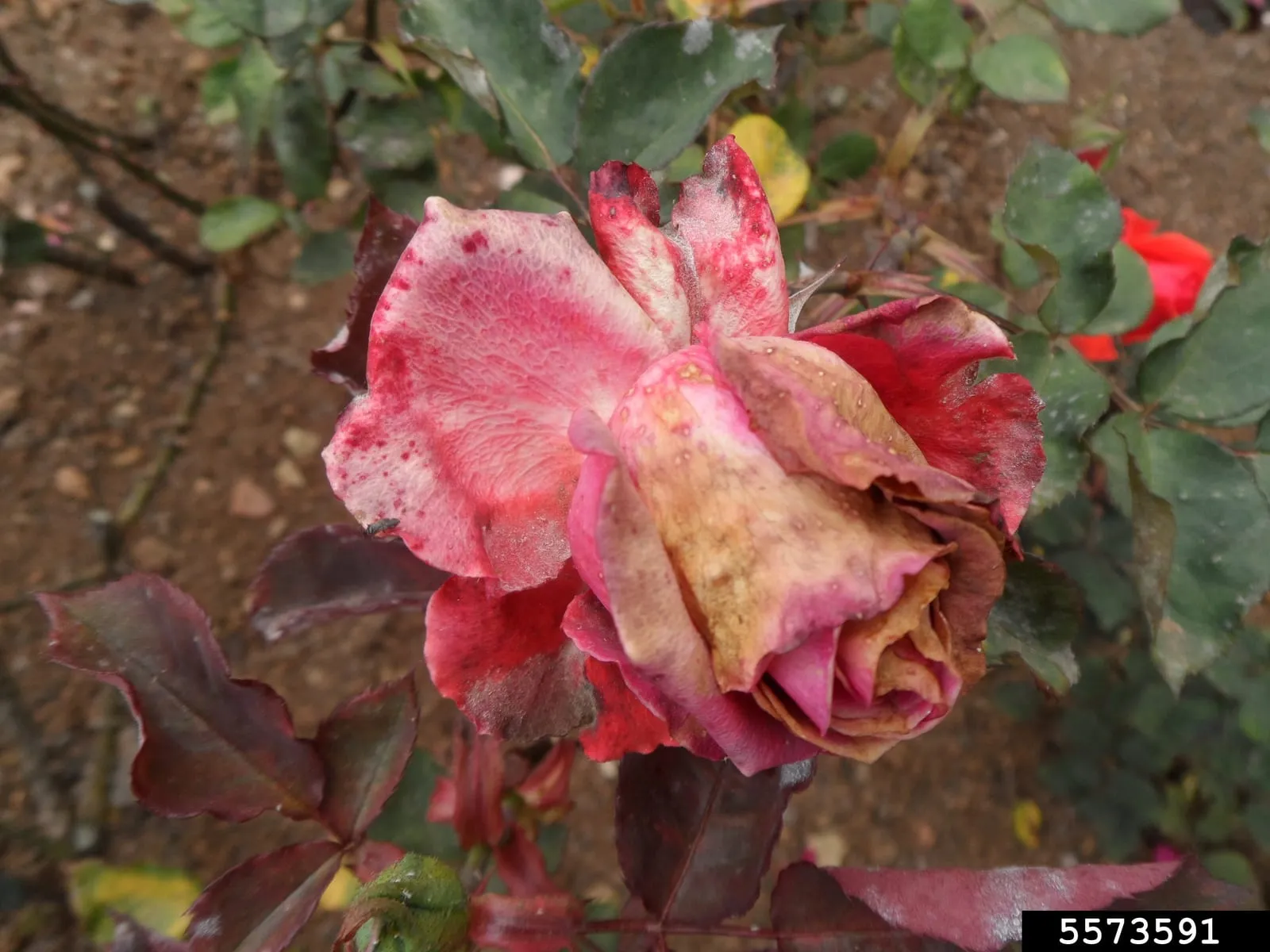
Gray mold (Botrytis) pressure increases in cool, humid conditions during ripening, and zone 3b's compressed season means ripening often coincides with periods of unsettled weather. Pruning to open canopy structure, removing crossing canes, and avoiding nitrogen fertilization after midsummer reduce the dense, humid microclimate that favors Botrytis. Prompt harvest when fruit reaches full color matters here more than in drier climates; ripe fruit left on the shrub during cool, damp spells invites rapid mold development.
Saskatoon (Serviceberry) in adjacent zones
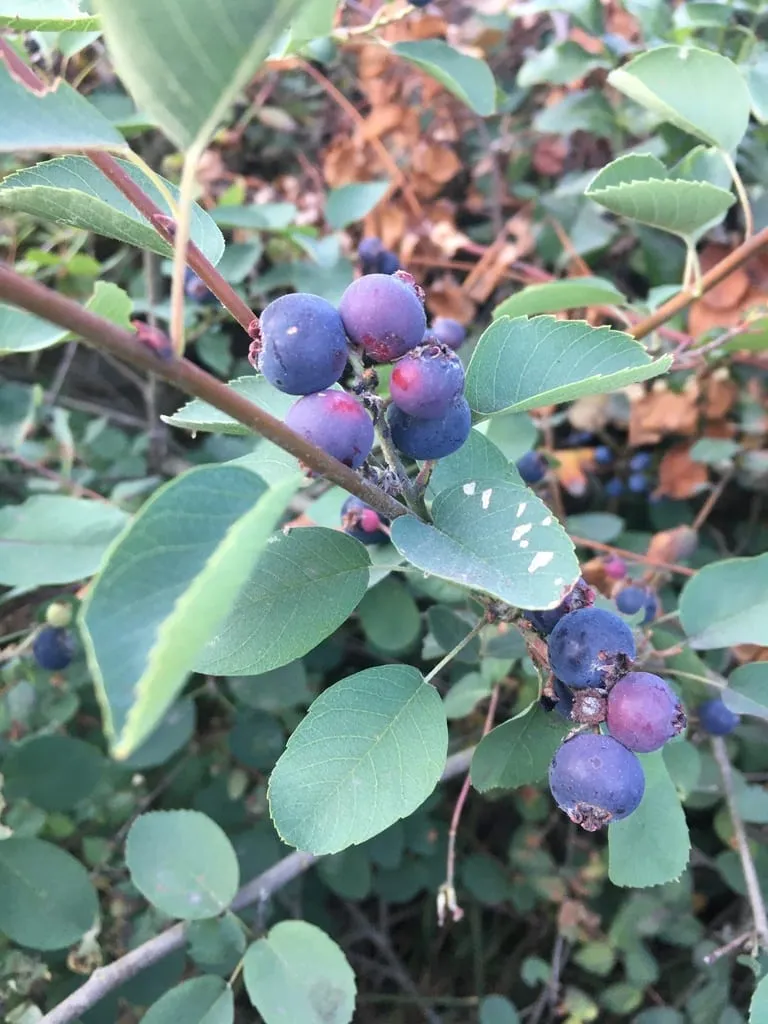
Image: "Saskatoon", by Corvi Zeman, via iNaturalist, licensed under CC-BY Source.
Related