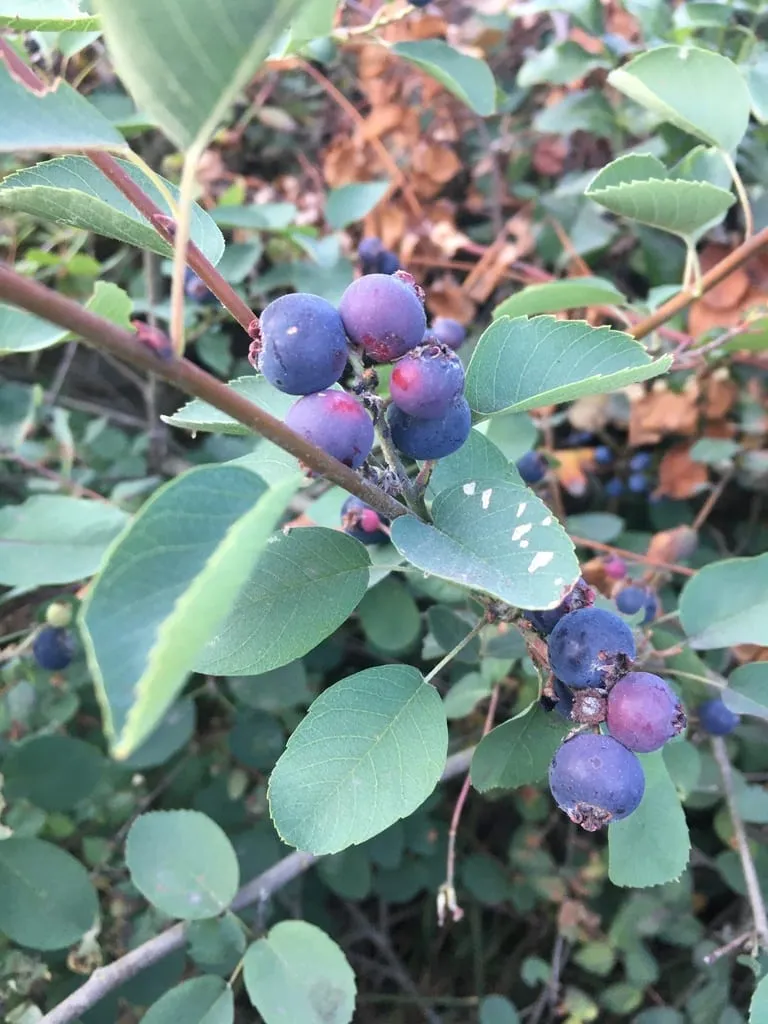
berry in zone 4a
Growing saskatoon (serviceberry) in zone 4a
Amelanchier alnifolia
- Zone
- 4a -30°F to -25°F
- Growing season
- 120 days
- Chill needed
- 1000 to 1500 below 45°F
- Suitable varieties
- 4
- Days to harvest
- 60 to 80
The verdict
Saskatoon is one of the few fruiting shrubs that genuinely belongs in zone 4a. Native to the northern Great Plains and boreal margins, it evolved in climates colder than what zone 4a specifies, and the plant's cold hardiness reflects that origin: minimum temperatures of -30 to -25°F cause no meaningful damage to established plants. The crop's chill-hour requirement of 1,000 to 1,500 hours is reliably met across zone 4a, typically accumulating by late January or early February. This is not a marginal situation. Zone 4a sits close to the center of saskatoon's native range, not the edge of it. Varieties like Smoky, Northline, and Thiessen were bred specifically for northern prairie conditions. The main limitation in zone 4a is the 120-day growing season, which occasionally compresses the harvest window, but saskatoon's early fruit set (often complete by mid-summer) means the season length is rarely a binding constraint.
Recommended varieties for zone 4a
4 cultivars suited to this zone, with disease-resistance and zone-fit annotations.
| Variety | Notes | Zone fit | Disease resistance |
|---|---|---|---|
| Smoky fits zone 4a | Sweet, mild, almond-blueberry flavor with hint of marzipan; fresh, jam, baking, drying. The Canadian commercial standard, large dark-purple berries. Self-fertile, productive. | | none noted |
| Northline fits zone 4a | Sweet, rich, almond-blueberry character; fresh and processing. Productive Saskatchewan selection with concentrated ripening for easy harvest. Vigorous suckering habit. | | none noted |
| Thiessen fits zone 4a | Very sweet, mild, the largest fruit of any saskatoon; fresh eating premium. Early-ripening Canadian selection, self-fertile and reliable. | | none noted |
| Regent fits zone 4a | Sweet, mild, dark blue-purple berries; fresh and processing. Compact 4-6 ft habit, ornamental as well as productive. Cold-hardy. | | none noted |
Critical timing for zone 4a
Saskatoon blooms early, typically late April to mid-May in zone 4a, depending on winter duration and the rate of spring warming. This timing intersects directly with the zone's late-frost risk: a hard freeze after bloom can destroy the year's fruit set, and zone 4a sees killing frosts well into May in many locations. Harvest follows roughly 60 to 70 days after bloom, placing the pick window in late June through mid-July. The 120-day growing season accommodates this comfortably. The practical concern is a single late-frost event in early May, when flowers are open but fruit has not yet set, which can reduce yields substantially for that season. Planting away from frost pockets and near windbreaks reduces exposure, though it does not eliminate the risk.
Common challenges in zone 4a
- ▸ Late frosts damage early bloomers
- ▸ Limited peach varieties
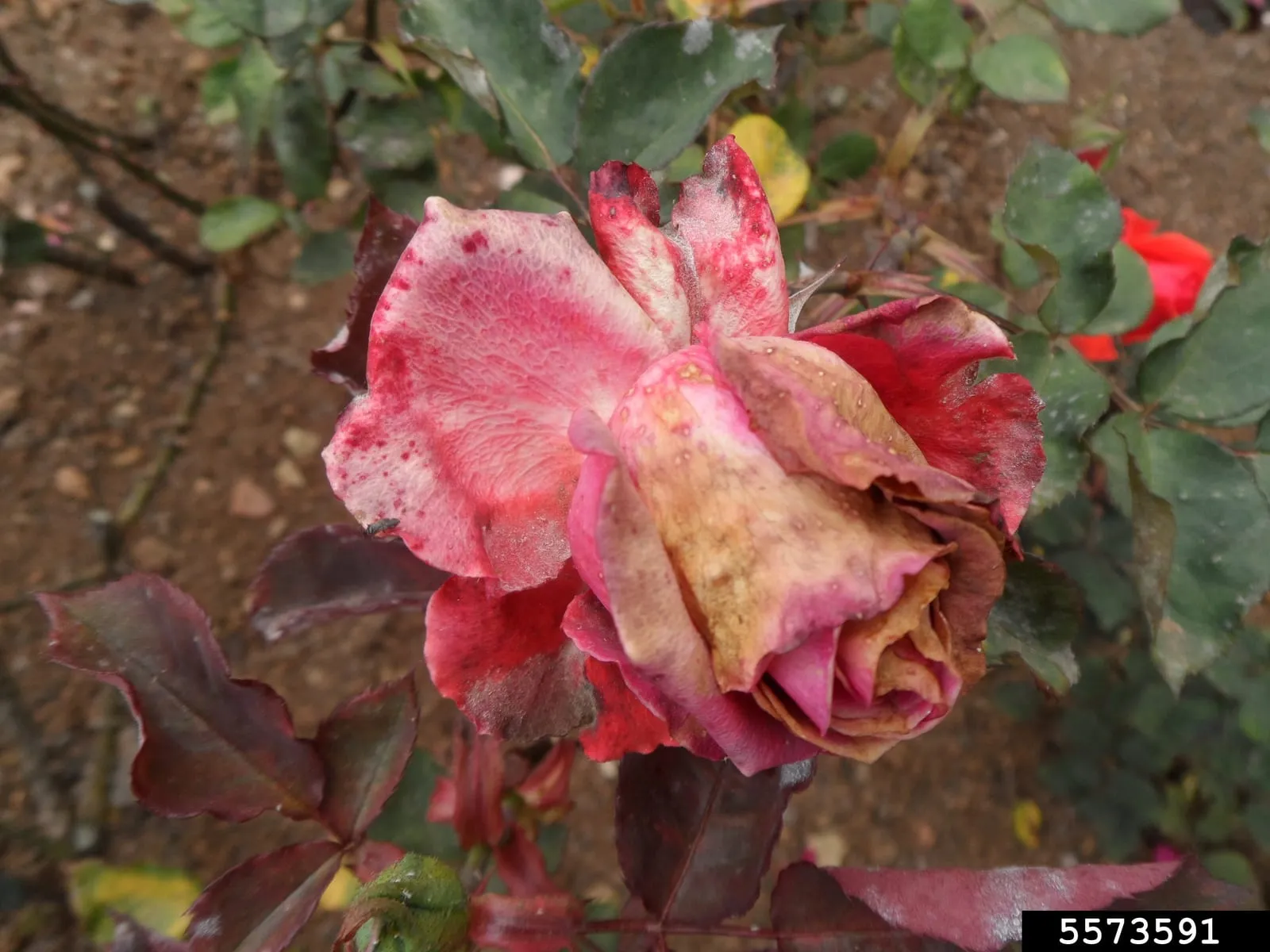
Disease pressure to watch for
Modified care for zone 4a
Care in zone 4a differs mainly in frost timing and disease management. Because bloom coincides with the peak late-frost window, smaller or younger plants benefit from frost cloth coverage when temperatures are forecast to drop below 28°F after petal drop. Mature plants 6 feet or taller are generally left unprotected. Gray mold (Botrytis) is the primary disease concern in zone 4a, where cool, wet springs overlap with flowering and early fruit development. Open-center pruning to improve air circulation reduces infection pressure meaningfully. Regent and Northline show moderate field resistance to Botrytis in northern trials, though no variety is immune. Winter mulching around the root zone is not necessary for saskatoon in zone 4a given its cold hardiness; the energy is better spent on late-season irrigation to support root establishment before the ground freezes.
Saskatoon (Serviceberry) in adjacent zones
Image: "Saskatoon", by Corvi Zeman, via iNaturalist, licensed under CC-BY Source.
Related