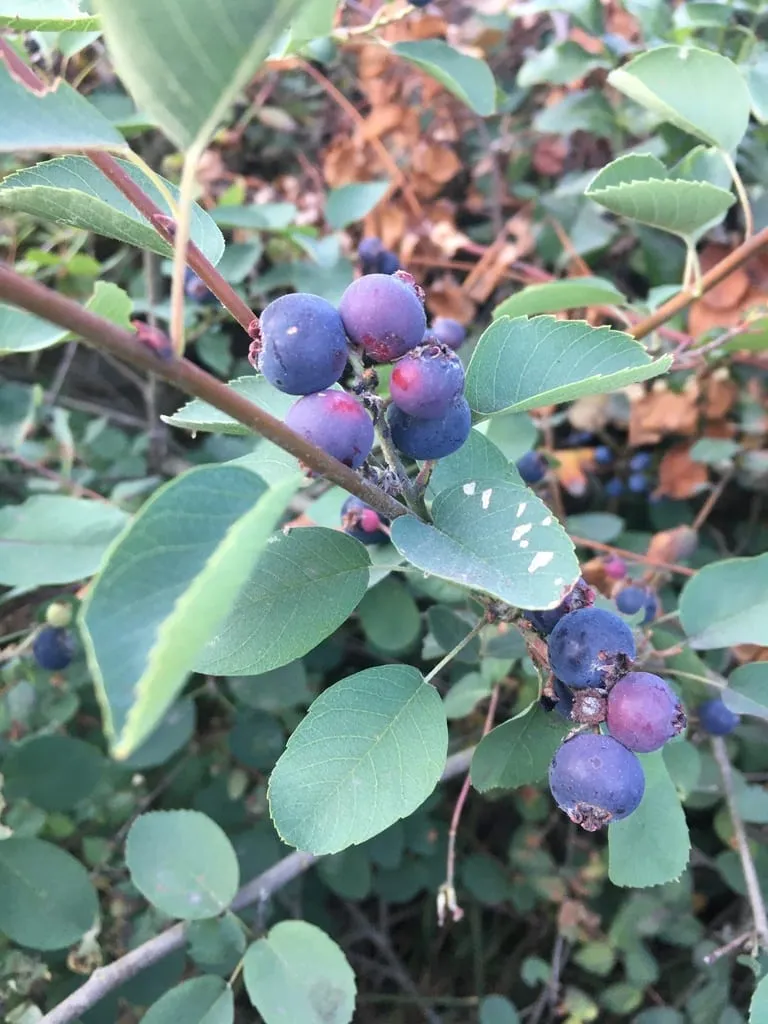
berry in zone 4b
Growing saskatoon (serviceberry) in zone 4b
Amelanchier alnifolia
- Zone
- 4b -25°F to -20°F
- Growing season
- 130 days
- Chill needed
- 1000 to 1500 below 45°F
- Suitable varieties
- 4
- Days to harvest
- 60 to 80
The verdict
Zone 4b is solidly within the sweet spot for saskatoon (Amelanchier alnifolia), not a marginal case. The crop requires 1,000 to 1,500 chill hours annually, and zone 4b reliably delivers that range across nearly every winter. Winter lows of -25°F to -20°F fall within the native cold hardiness of prairie-origin saskatoon, which evolved under conditions as severe or worse across the northern Great Plains and Canadian prairies.
The 130-day growing season is sufficient for fruit to reach maturity before first fall frost. The constraint in zone 4b is not cold tolerance or chill accumulation; it is spring frost timing. Saskatoon blooms earlier than most temperate fruit crops, and late killing frosts can intercept open flowers before pollination completes. Varieties bred specifically for northern prairie conditions, including Northline and Smoky, carry the strongest track record in this zone and are the safest starting point for new plantings.
Recommended varieties for zone 4b
4 cultivars suited to this zone, with disease-resistance and zone-fit annotations.
| Variety | Notes | Zone fit | Disease resistance |
|---|---|---|---|
| Smoky fits zone 4b | Sweet, mild, almond-blueberry flavor with hint of marzipan; fresh, jam, baking, drying. The Canadian commercial standard, large dark-purple berries. Self-fertile, productive. | | none noted |
| Northline fits zone 4b | Sweet, rich, almond-blueberry character; fresh and processing. Productive Saskatchewan selection with concentrated ripening for easy harvest. Vigorous suckering habit. | | none noted |
| Thiessen fits zone 4b | Very sweet, mild, the largest fruit of any saskatoon; fresh eating premium. Early-ripening Canadian selection, self-fertile and reliable. | | none noted |
| Regent fits zone 4b | Sweet, mild, dark blue-purple berries; fresh and processing. Compact 4-6 ft habit, ornamental as well as productive. Cold-hardy. | | none noted |
Critical timing for zone 4b
Saskatoon blooms in late April to early May in zone 4b, earlier than most fruit crops in the region, when the window for late frosts remains open. A hard frost (28°F or below) during full bloom can eliminate most of a season's fruit set, which is the primary yield risk in this zone. Site selection and variety choice both influence how often that overlap occurs.
Fruit development runs approximately 60 to 70 days from bloom, placing harvest in late June to mid-July depending on variety. Thiessen and Smoky tend toward the earlier end of that range; Northline and Regent mature somewhat later. The full cycle fits within the 130-day growing season, provided spring frost damage does not force the crop into a partial late recovery.
Common challenges in zone 4b
- ▸ Spring frost timing
- ▸ Apple scab pressure
- ▸ Cane berry winter dieback
Disease pressure to watch for
Modified care for zone 4b
In zone 4b, site selection and Botrytis management require more attention than in warmer parts of the saskatoon range. Low-lying frost pockets, where cold air pools on calm spring nights, amplify bloom-frost overlap risk. Slightly elevated sites or north-facing slopes can delay bloom by a few days, meaningfully reducing exposure to late hard frosts.
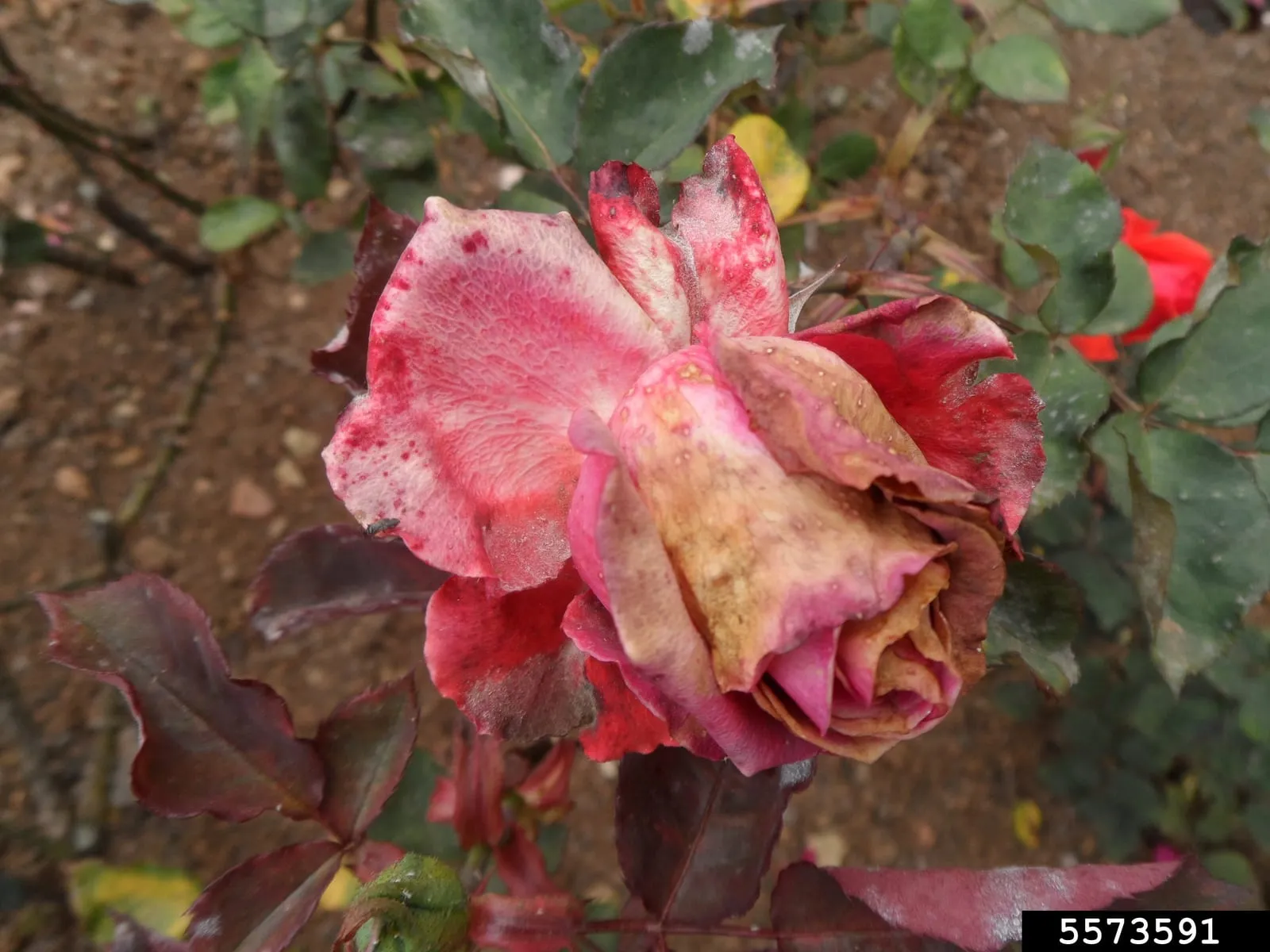
Gray mold (Botrytis cinerea) is the primary disease concern and thrives in the cool, wet conditions typical of zone 4b springs. Adequate plant spacing (8 to 10 feet between plants), removal of winter-damaged canes, and thinning of congested stems all reduce canopy humidity and limit Botrytis spread. Inspect canes in early spring for dieback and prune back to live wood before new growth begins; dead wood left in place provides a reservoir for fungal inoculum heading into bloom.
Frequently asked questions
- Is zone 4b cold enough to meet saskatoon's chill-hour requirement?
Yes. Saskatoon requires 1,000 to 1,500 chill hours annually, and zone 4b winters with lows of -25°F to -20°F consistently satisfy that range. Cold is not the limiting factor in this zone; late spring frosts during bloom are.
- Which saskatoon varieties perform best in zone 4b?
Northline, Smoky, Thiessen, and Regent are all proven in prairie and upper-Midwest conditions comparable to zone 4b. Northline and Smoky have the longest track record in severe cold. Thiessen produces larger berries but may be slightly less cold-tolerant than Northline.
- When does saskatoon typically ripen in zone 4b?
Harvest generally falls in late June to mid-July in zone 4b. Earlier-ripening varieties like Smoky and Thiessen tend toward late June; Northline and Regent lean toward early-to-mid July. Exact timing shifts by a week or more depending on spring temperatures.
- How serious is Botrytis (gray mold) on saskatoon in zone 4b?
Gray mold is the main disease risk in zone 4b because cool, wet spring weather at bloom and early fruit set favors infection. Good airflow through the canopy, prompt removal of dead canes, and adequate plant spacing are the primary management levers. Fungicide applications at bloom are used in commercial plantings during wet springs.
+−
+−
+−
+−
Saskatoon (Serviceberry) in adjacent zones
Image: "Saskatoon", by Corvi Zeman, via iNaturalist, licensed under CC-BY Source.
Related