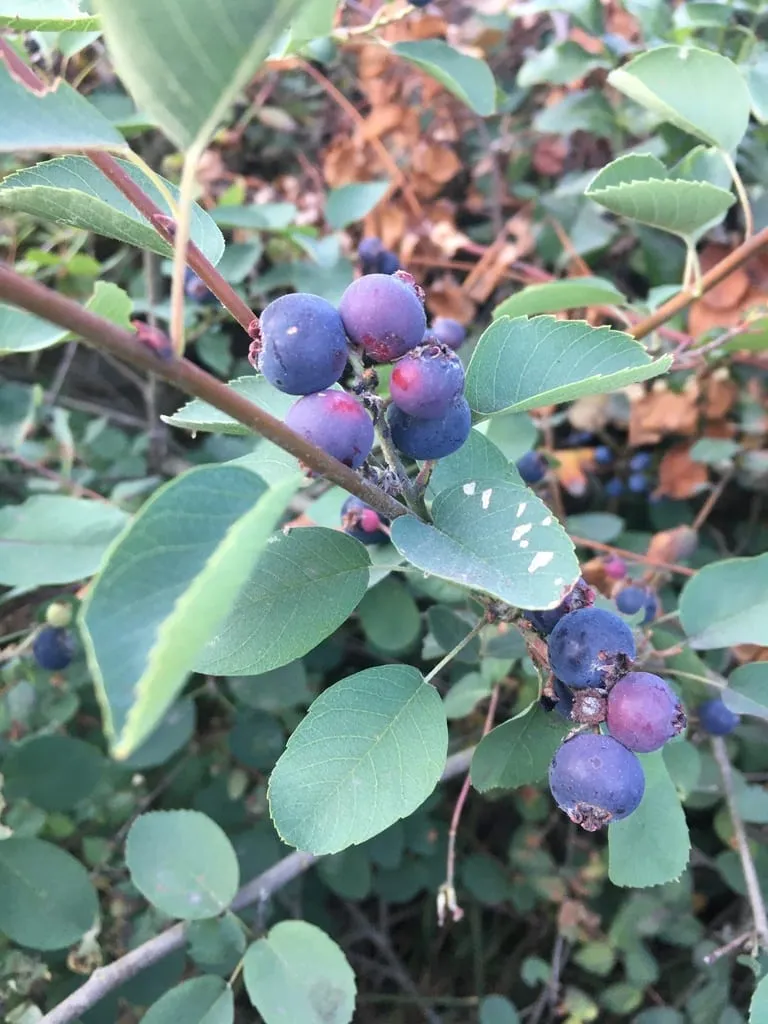
berry in zone 3a
Growing saskatoon (serviceberry) in zone 3a
Amelanchier alnifolia
- Zone
- 3a -40°F to -35°F
- Growing season
- 90 days
- Chill needed
- 1000 to 1500 below 45°F
- Suitable varieties
- 3
- Days to harvest
- 60 to 80
The verdict
Saskatoon is one of the few woody fruit crops genuinely well-suited to zone 3a rather than merely tolerating it. The crop's chill-hour requirement of 1,000 to 1,500 hours is easily met across zone 3a's long, cold winters, which routinely accumulate well beyond that threshold. Hardy to -40°F in established plantings, saskatoon matches zone 3a's extreme low temperatures better than almost any other fruiting shrub.
The 90-day growing season is tight but workable. Saskatoon is among the earliest-fruiting woody plants, with bloom and harvest compressed into a window that fits the zone's frost-free period when timing cooperates. Varieties bred for the northern prairies, including Smoky, Northline, and Regent, were selected specifically for conditions like these. Zone 3a is not a compromise for saskatoon; it sits close to the center of the crop's native range, where winters are hard and summers are brief.
Recommended varieties for zone 3a
3 cultivars suited to this zone, with disease-resistance and zone-fit annotations.
| Variety | Notes | Zone fit | Disease resistance |
|---|---|---|---|
| Smoky fits zone 3a | Sweet, mild, almond-blueberry flavor with hint of marzipan; fresh, jam, baking, drying. The Canadian commercial standard, large dark-purple berries. Self-fertile, productive. | | none noted |
| Northline fits zone 3a | Sweet, rich, almond-blueberry character; fresh and processing. Productive Saskatchewan selection with concentrated ripening for easy harvest. Vigorous suckering habit. | | none noted |
| Regent fits zone 3a | Sweet, mild, dark blue-purple berries; fresh and processing. Compact 4-6 ft habit, ornamental as well as productive. Cold-hardy. | | none noted |
Critical timing for zone 3a
In zone 3a, bloom typically occurs in early to mid-May, once daytime temperatures consistently climb above freezing and soil begins to warm. This timing places bloom at real risk from late-spring frosts, one of zone 3a's defining challenges. A hard freeze at or below 28°F during full bloom can eliminate most of the crop for that season.
Harvest follows roughly 6 to 8 weeks after bloom, putting ripe fruit in mid to late June across most zone 3a locations. The 90-day growing season provides just enough time for fruit to ripen before fall frosts close in, but there is little margin for a cool or delayed spring. Siting plants on a slightly elevated, south-facing slope can advance bloom by a few days and reduce frost-pocket risk at the critical bloom window.
Common challenges in zone 3a
- ▸ Very short growing season
- ▸ Late spring frosts
- ▸ Limited fruit-tree options
- ▸ Heavy mulching required
Disease pressure to watch for
Modified care for zone 3a
In zone 3a, a few adjustments to standard saskatoon culture are worth making. Heavy mulching, 4 to 6 inches of wood chips or straw around the root zone, moderates soil temperature swings and retains moisture during the short, intense growing season.
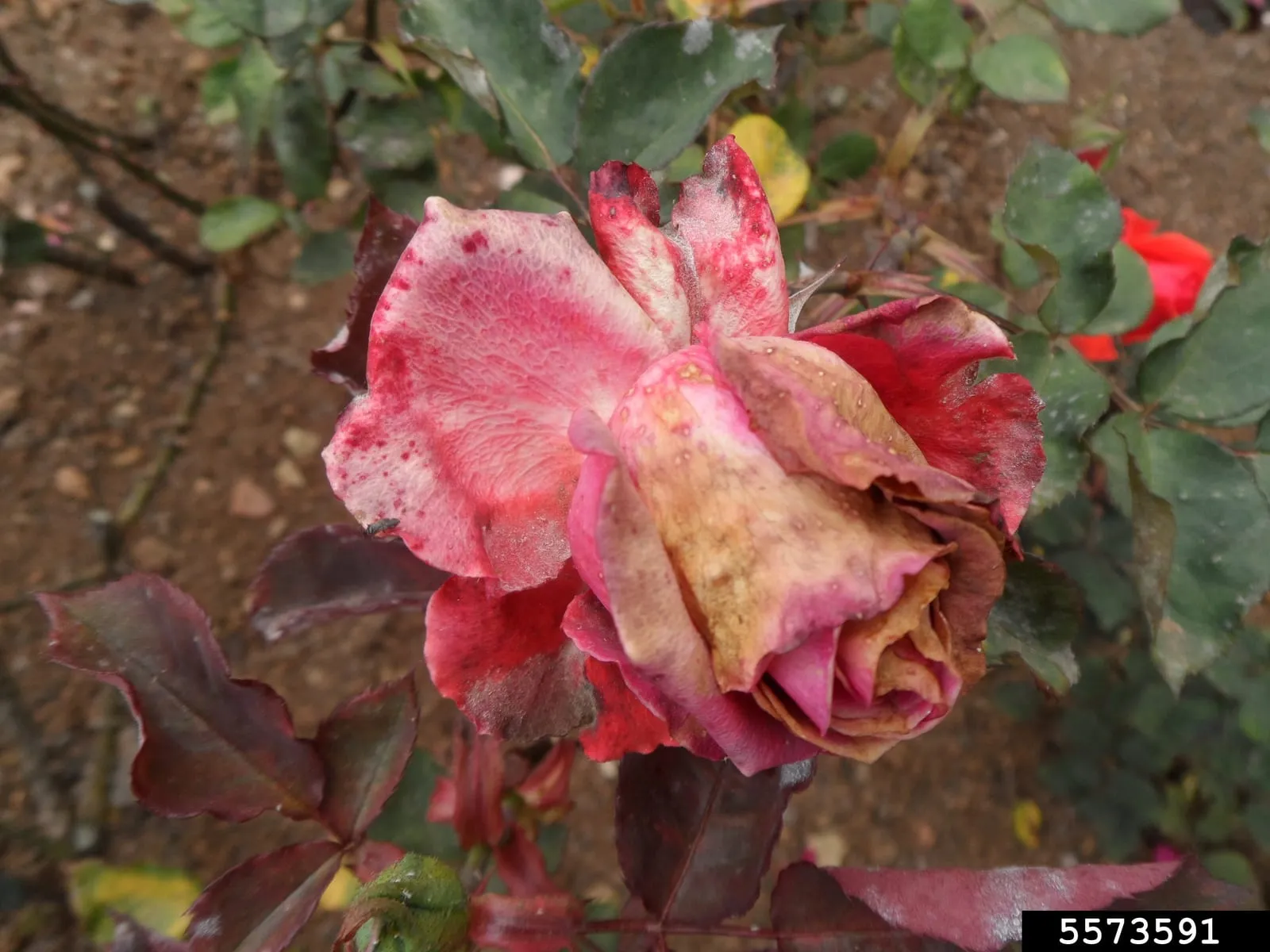
Young plants are more frost-susceptible than established shrubs. Covering newly planted saskatoons during late-spring frost events in their first two winters reduces dieback risk. Gray mold (Botrytis) becomes a concern in wet springs, particularly where fruit clusters are dense; thinning interior branches to improve airflow is the primary management tool at the home-planting scale.
Avoid high-nitrogen fertilization in zone 3a. Excess vegetative growth late in the season may not harden off before the first killing frost, leaving new wood vulnerable to winter injury even in a crop otherwise adapted to the cold.
Saskatoon (Serviceberry) in adjacent zones
Image: "Saskatoon", by Corvi Zeman, via iNaturalist, licensed under CC-BY Source.
Related