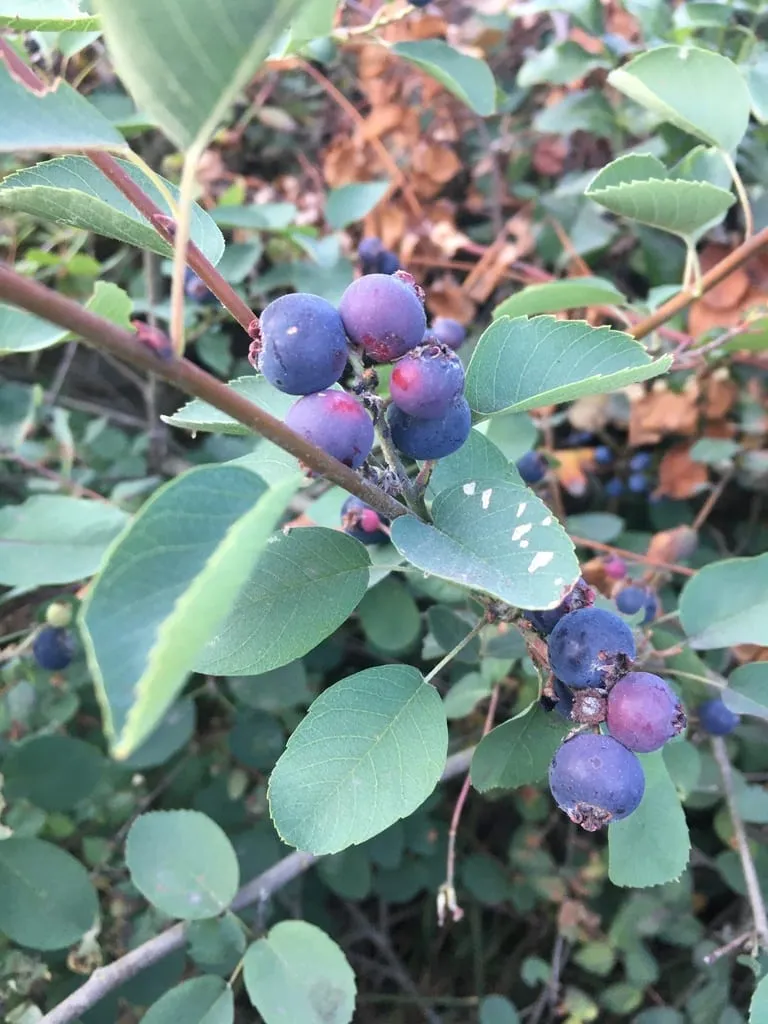
berry in zone 6b
Growing saskatoon (serviceberry) in zone 6b
Amelanchier alnifolia
- Zone
- 6b -5°F to 0°F
- Growing season
- 190 days
- Chill needed
- 1000 to 1500 below 45°F
- Suitable varieties
- 2
- Days to harvest
- 60 to 80
The verdict
Zone 6b sits comfortably within the saskatoon's preferred range. Minimum winter temperatures of -5 to 0°F satisfy the crop's 1,000 to 1,500 chill-hour requirement without exposing plants to the prolonged deep cold that can damage flower buds in harsher zones. Most zone 6b winters deliver well over 1,000 chilling hours, so chill accumulation is rarely a limiting factor here.
The 190-day growing season is more than sufficient to carry fruit from bloom through harvest. If zone 6b represents any challenge at all for saskatoon, it comes from the warmer, more humid end of its range rather than cold stress. Gray mold (Botrytis) becomes a credible threat when spring conditions are wet at flowering time, and the same warmth that extends the growing season can drive disease pressure higher than growers in cooler northern climates typically expect. Overall, zone 6b is a reliable production zone for saskatoon, not a marginal one.
Recommended varieties for zone 6b
2 cultivars suited to this zone, with disease-resistance and zone-fit annotations.
| Variety | Notes | Zone fit | Disease resistance |
|---|---|---|---|
| Smoky fits zone 6b | Sweet, mild, almond-blueberry flavor with hint of marzipan; fresh, jam, baking, drying. The Canadian commercial standard, large dark-purple berries. Self-fertile, productive. | | none noted |
| Thiessen fits zone 6b | Very sweet, mild, the largest fruit of any saskatoon; fresh eating premium. Early-ripening Canadian selection, self-fertile and reliable. | | none noted |
Critical timing for zone 6b
Saskatoon blooms early, often before the last frost date in zone 6b, which typically falls between mid-April and early May depending on elevation and local topography. This early bloom window is the primary frost risk: a single hard freeze during open bloom can wipe out a year's crop with no recovery.
Harvest follows roughly six to eight weeks after bloom, generally landing in late June to mid-July for most zone 6b sites. The 190-day growing season means fruit can ripen fully without rushing, but the front end of the season requires attention. Growers who can site plants on a north-facing slope or in a location that delays bloom by even a week reduce frost exposure significantly.
Common challenges in zone 6b
- ▸ Cedar-apple rust
- ▸ Fire blight
- ▸ Stink bugs
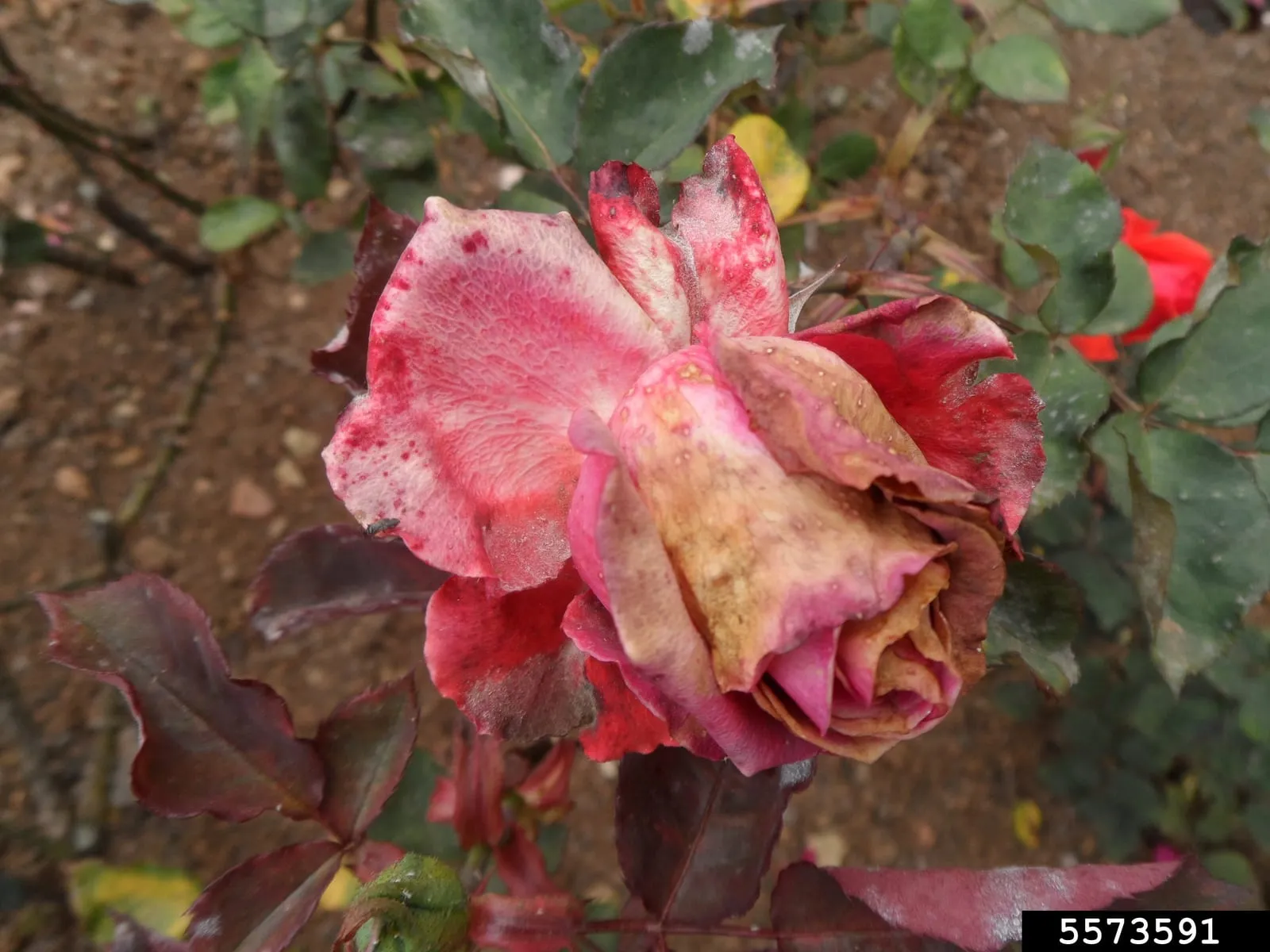
Disease pressure to watch for
Modified care for zone 6b
Zone 6b growers should prioritize disease management more than their counterparts in cooler, drier climates. Fire blight and gray mold both find favorable conditions in warm, humid spring weather; thinning canopy growth to improve air circulation and avoiding overhead irrigation during bloom reduces incidence meaningfully. Cedar-apple rust pressure from nearby juniper hosts is also a documented concern in much of zone 6b, particularly in the Mid-Atlantic and Southeast portions of the zone.
Stink bug pressure intensifies in warmer zones and can cause significant fruit damage in late summer if populations are high. Row covers or exclusion netting offer physical control without chemical inputs. Winter protection is generally unnecessary for established plants given the zone's temperature floor, but newly planted stock in the first winter benefits from mulching the root zone to buffer against late-season temperature swings.
Frequently asked questions
- How many chill hours does saskatoon need, and does zone 6b deliver them?
Saskatoon requires 1,000 to 1,500 chill hours annually. Zone 6b reliably accumulates this range in most winters, making chill-hour shortfall an unlikely problem. Growers in the warmer microclimate pockets of zone 6b (urban heat islands, south-facing slopes) should monitor accumulation in unusually mild winters.
- When does saskatoon fruit ripen in zone 6b?
Harvest typically falls in late June to mid-July in zone 6b, roughly six to eight weeks after bloom. The exact timing shifts by a week or two depending on variety, site elevation, and spring temperatures.
- Which saskatoon varieties perform well in zone 6b?
Smoky and Thiessen are both documented performers in this zone. Thiessen tends to produce larger berries; Smoky is noted for flavor quality. Both handle the zone's chill-hour profile without issue.
- Is frost during bloom a serious risk for saskatoon in zone 6b?
Yes. Saskatoon blooms early, often before the last frost date, and open flowers are damaged by temperatures below 28°F. Selecting a site with cold-air drainage or slight topographic delay in bloom timing is the most practical mitigation.
- Does cedar-apple rust affect saskatoon in zone 6b?
Cedar-apple rust is a documented challenge in zone 6b, particularly where eastern red cedar or other juniper species grow nearby. Saskatoon is a susceptible host. Removing nearby juniper hosts reduces inoculum, though complete elimination is rarely practical across a landscape.
+−
+−
+−
+−
+−
Saskatoon (Serviceberry) in adjacent zones
Image: "Saskatoon", by Corvi Zeman, via iNaturalist, licensed under CC-BY Source.
Related