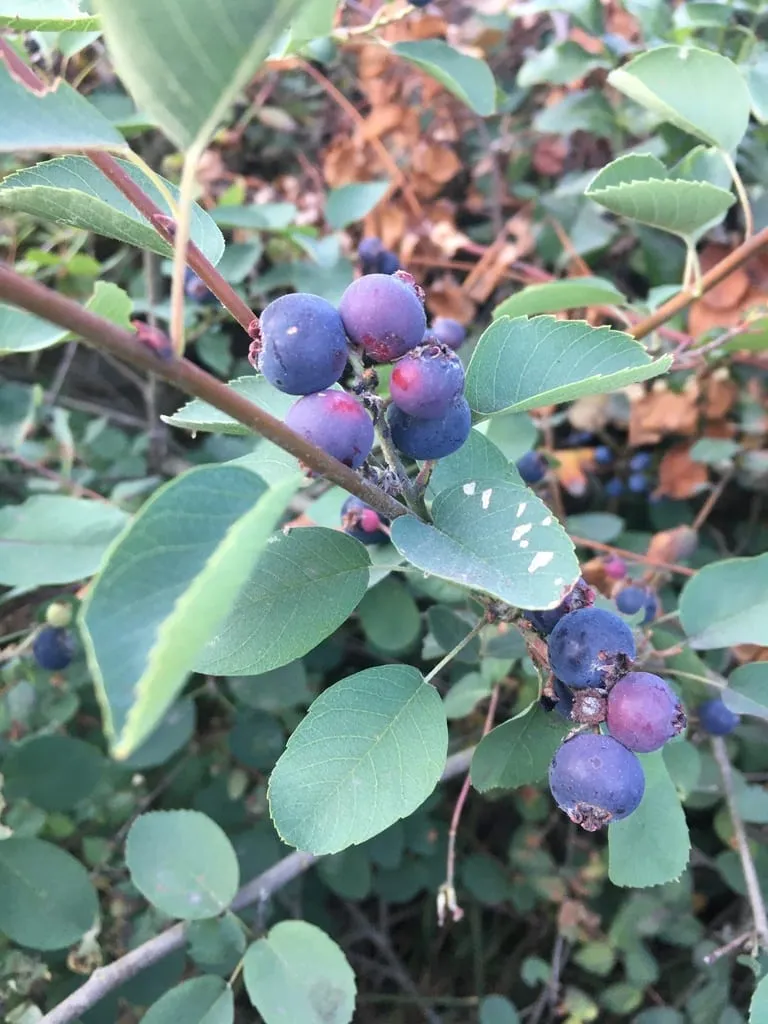
berry in zone 6a
Growing saskatoon (serviceberry) in zone 6a
Amelanchier alnifolia
- Zone
- 6a -10°F to -5°F
- Growing season
- 180 days
- Chill needed
- 1000 to 1500 below 45°F
- Suitable varieties
- 4
- Days to harvest
- 60 to 80
The verdict
Zone 6a is a reliable fit for saskatoon, not a marginal one. The crop's chill-hour requirement of 1000 to 1500 hours is comfortably met across most of zone 6a, where winters regularly accumulate 1,200 or more hours below 45°F. The zone's minimum temperature range of -10 to -5°F falls well within saskatoon's native hardiness, a plant indigenous to the northern Great Plains and prairie Canada where far colder winters are the norm.
Varieties like Smoky, Northline, Thiessen, and Regent were bred for exactly this climate band, and all four perform reliably here without supplemental winter protection in most years. The 180-day growing season gives ample time for fruit development and full wood hardening before dormancy. Growers in zone 6a can treat saskatoon as a low-maintenance perennial rather than a borderline crop requiring seasonal intervention.
Recommended varieties for zone 6a
4 cultivars suited to this zone, with disease-resistance and zone-fit annotations.
| Variety | Notes | Zone fit | Disease resistance |
|---|---|---|---|
| Smoky fits zone 6a | Sweet, mild, almond-blueberry flavor with hint of marzipan; fresh, jam, baking, drying. The Canadian commercial standard, large dark-purple berries. Self-fertile, productive. | | none noted |
| Northline fits zone 6a | Sweet, rich, almond-blueberry character; fresh and processing. Productive Saskatchewan selection with concentrated ripening for easy harvest. Vigorous suckering habit. | | none noted |
| Thiessen fits zone 6a | Very sweet, mild, the largest fruit of any saskatoon; fresh eating premium. Early-ripening Canadian selection, self-fertile and reliable. | | none noted |
| Regent fits zone 6a | Sweet, mild, dark blue-purple berries; fresh and processing. Compact 4-6 ft habit, ornamental as well as productive. Cold-hardy. | | none noted |
Critical timing for zone 6a
Saskatoon blooms early, typically in mid-April across zone 6a, often before the last reliable frost date has passed. This overlap is the principal timing risk. A late frost during peak bloom can reduce fruit set substantially, and zone 6a's spring weather is variable enough that the risk is real in most years, not just exceptional ones.
Harvest falls in late June through mid-July depending on variety and site. Thiessen tends to ripen earlier; Northline and Smoky follow by a week or more. The 180-day growing season means harvest is well clear of the first fall frost, so ripening is not the constraint. Managing the spring bloom window, particularly on low-lying sites with cold air drainage, matters more.
Common challenges in zone 6a
- ▸ Brown rot in stone fruit
- ▸ Japanese beetles
- ▸ Spring frost damage to peach buds
Disease pressure to watch for
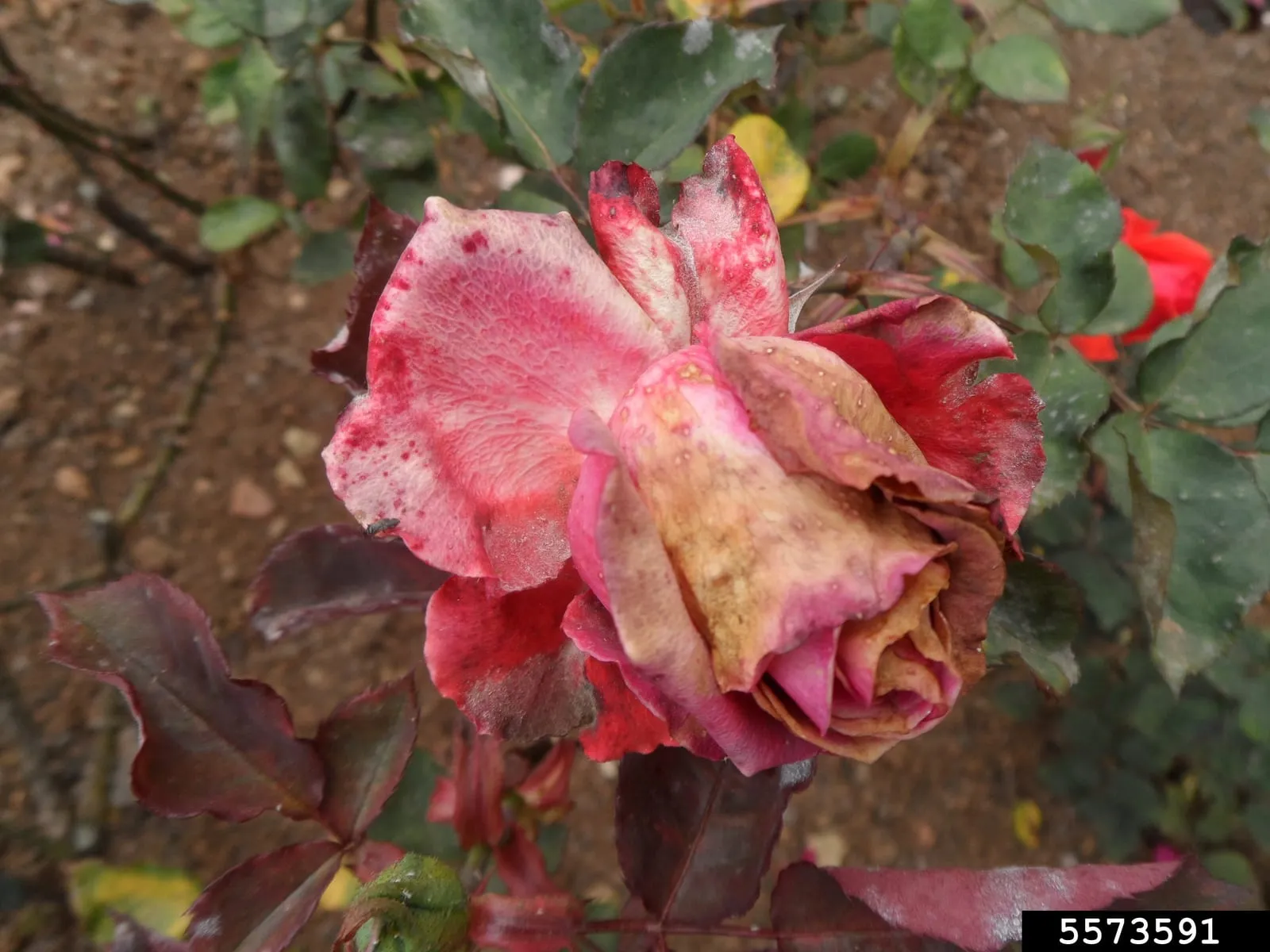
Modified care for zone 6a
Gray mold (Botrytis) is the disease most likely to require active management in zone 6a, particularly in wet springs when bloom and early fruit set coincide with persistent humidity. Improving air circulation through regular thinning cuts reduces infection pressure more reliably than fungicide alone.
Japanese beetle pressure is heavier in much of zone 6a than in the crop's northern native range, and saskatoon foliage is attractive to them. Monitoring from late June onward and removing beetles by hand or exclusion netting is more effective than broad-spectrum sprays, which carry non-target risks in garden settings.
In zone 6a, established saskatoon generally does not need winter protection or supplemental irrigation beyond establishment-year care. Growers on sites with late frost exposure should consider north-facing slopes or proximity to structures that delay bloom by a few degrees.
Saskatoon (Serviceberry) in adjacent zones
Image: "Saskatoon", by Corvi Zeman, via iNaturalist, licensed under CC-BY Source.
Related