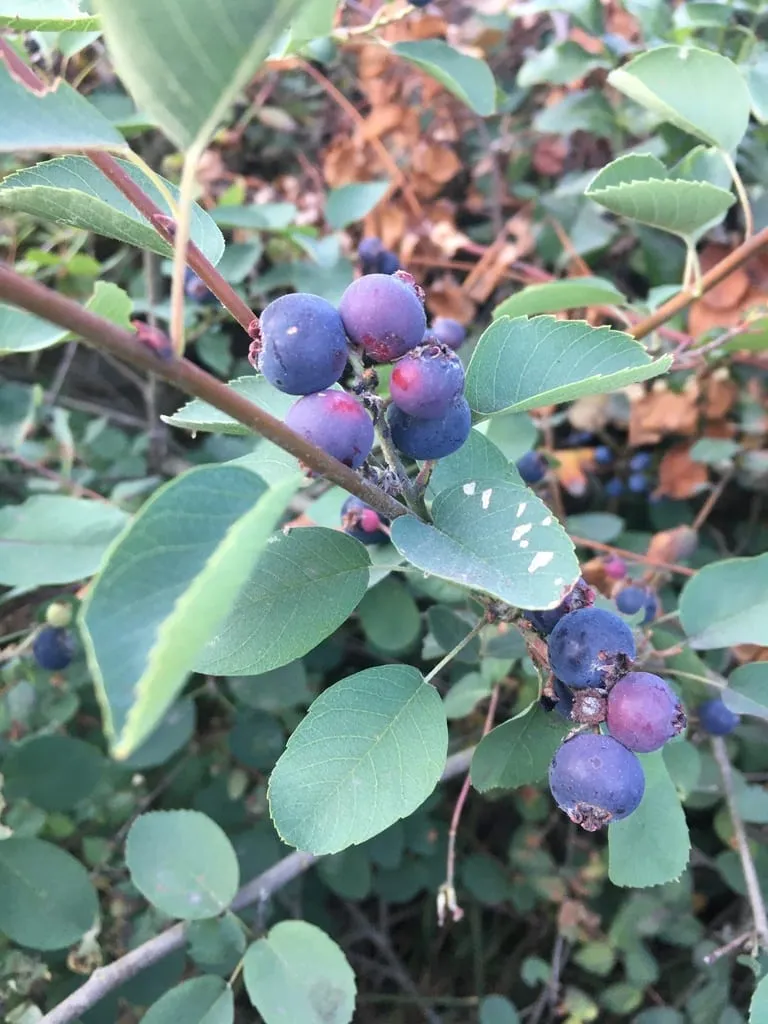
berry in zone 5b
Growing saskatoon (serviceberry) in zone 5b
Amelanchier alnifolia
- Zone
- 5b -15°F to -10°F
- Growing season
- 165 days
- Chill needed
- 1000 to 1500 below 45°F
- Suitable varieties
- 4
- Days to harvest
- 60 to 80
The verdict
Zone 5b is a genuine sweet spot for saskatoon serviceberry, not a marginal case. Winter temperatures in the -15 to -10°F range match well with the crop's native range across the northern prairies and Canadian parkland belt, where zone 5 conditions are the norm rather than the edge. The 1,000 to 1,500 chill-hour requirement is reliably met in zone 5b winters, which typically accumulate 1,200 to 1,600 hours below 45°F without the extended killing cold that would damage dormant wood. Varieties selected specifically for northern climates, including Northline and Regent, were developed in conditions comparable to zone 5b and perform predictably here. The 165-day growing season provides sufficient time for fruit to ripen fully, typically within 60 to 90 days of bloom. The one genuine performance risk is not cold injury to the plant itself but late-spring frost intersecting with the crop's early bloom window, which can reduce fruit set in anomalous years.
Recommended varieties for zone 5b
4 cultivars suited to this zone, with disease-resistance and zone-fit annotations.
| Variety | Notes | Zone fit | Disease resistance |
|---|---|---|---|
| Smoky fits zone 5b | Sweet, mild, almond-blueberry flavor with hint of marzipan; fresh, jam, baking, drying. The Canadian commercial standard, large dark-purple berries. Self-fertile, productive. | | none noted |
| Northline fits zone 5b | Sweet, rich, almond-blueberry character; fresh and processing. Productive Saskatchewan selection with concentrated ripening for easy harvest. Vigorous suckering habit. | | none noted |
| Thiessen fits zone 5b | Very sweet, mild, the largest fruit of any saskatoon; fresh eating premium. Early-ripening Canadian selection, self-fertile and reliable. | | none noted |
| Regent fits zone 5b | Sweet, mild, dark blue-purple berries; fresh and processing. Compact 4-6 ft habit, ornamental as well as productive. Cold-hardy. | | none noted |
Critical timing for zone 5b
Saskatoon blooms earlier than most other fruiting shrubs in the zone 5b landscape, often by a significant margin. Expect bloom from late April into early May, with the exact window varying by site elevation, aspect, and microclimate. A hard freeze below 28°F during or shortly after open bloom will damage flowers and meaningfully reduce fruit set for that season. Harvest follows roughly 60 to 75 days after pollination, placing ripe fruit in late June through mid-July on most zone 5b sites. The 165-day growing season provides comfortable buffer on both ends of that window. Sites with poor cold-air drainage or known frost-pocket behavior should be evaluated carefully before planting, since the bloom timing leaves little margin if late freezes arrive after petal fall.
Common challenges in zone 5b
- ▸ Plum curculio
- ▸ Codling moth
- ▸ Cedar-apple rust
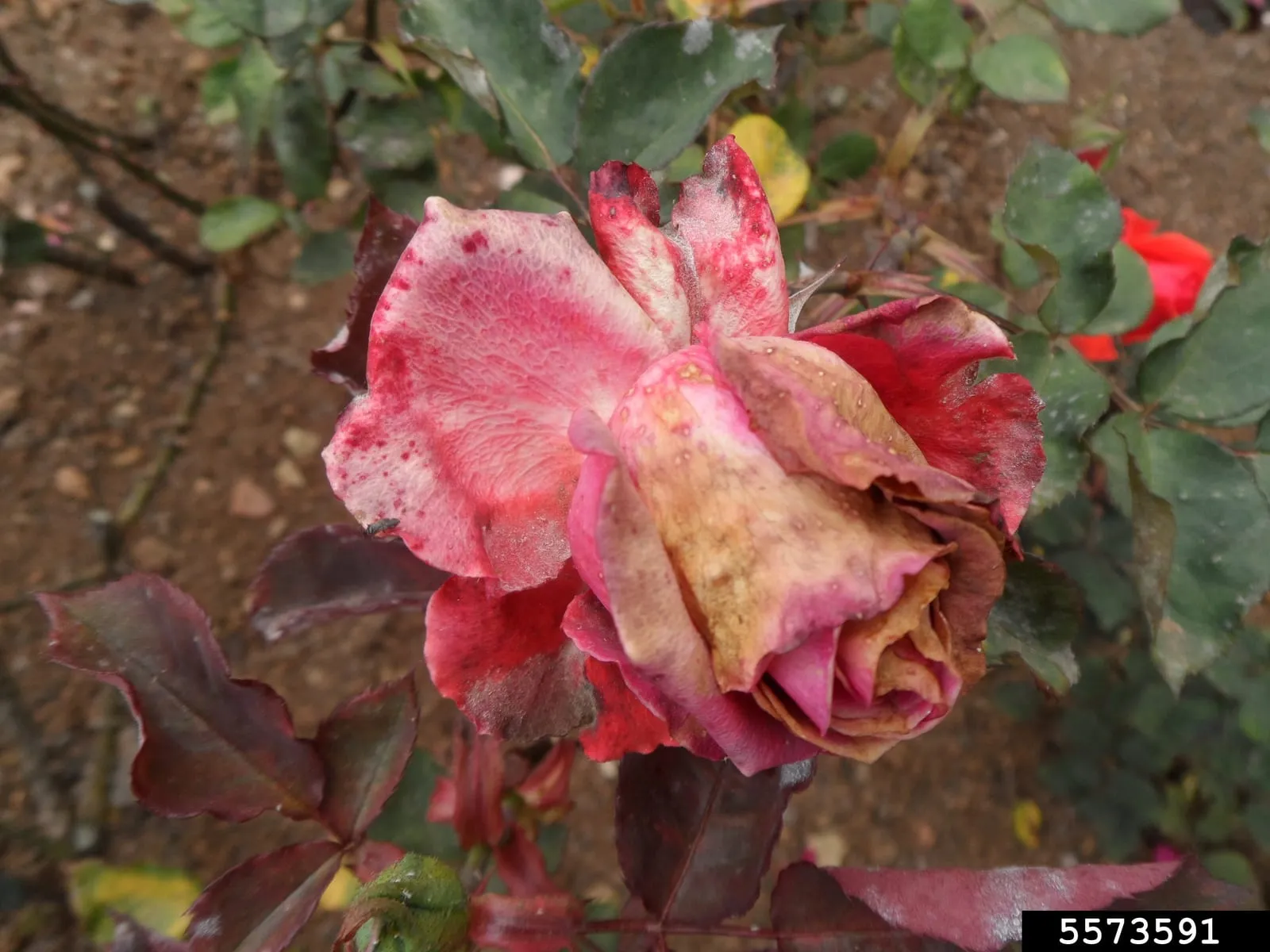
Disease pressure to watch for
Modified care for zone 5b
Saskatoon in zone 5b does not require the heavy winter protection measures appropriate for zones 3 and 4. The primary adaptation is site selection: plant on slightly elevated ground or a gentle slope where cold air drains away rather than pooling, which reduces late-frost exposure during the vulnerable bloom window. Gray mold (Botrytis) warrants attention in wet zone 5b springs; pruning for open canopy structure and good airflow reduces incidence more reliably than fungicide applications alone. Plum curculio and codling moth are both present in zone 5b and should be monitored from petal fall onward using the same degree-day tracking models applied to apple and cherry in the region. Cedar-apple rust pressure on saskatoon is generally lower than on apple, but proximity to eastern red cedar or ornamental junipers increases risk and warrants observation in early-season wet periods. Supplemental irrigation is not required on most established zone 5b plantings with average annual rainfall, though new plants benefit from consistent moisture through their first two summers.
Frequently asked questions
- Will saskatoon serviceberry survive zone 5b winters without protection?
Yes. Saskatoon is cold-hardy well below zone 5b minimums; established shrubs tolerate temperatures to -40°F in their native range. Winter protection is not a standard requirement in zone 5b. The greater concern is late-spring frost during bloom, not winter cold itself.
- Which saskatoon varieties perform best in zone 5b?
Northline, Regent, Smoky, and Thiessen are all appropriate for zone 5b. Northline and Regent were selected specifically for cold-climate performance and tend to be more compact. Thiessen produces large fruit but grows more vigorously and may require more pruning to manage size.
- How do I protect saskatoon bloom from late frosts in zone 5b?
Site selection is the most effective protection: avoid frost pockets and low-lying areas where cold air collects on still nights. For established plantings in frost-prone sites, overhead irrigation during a freeze event can provide some protection, but this is rarely practical at the home-garden scale. Floating row cover draped over small shrubs is a lower-effort option when a damaging late freeze is forecast.
- Does saskatoon serviceberry need a pollinator in zone 5b?
Saskatoon is self-fertile and will produce fruit without a second plant. Planting two or more varieties typically improves fruit set and berry size through cross-pollination, particularly for varieties like Thiessen. Native bee activity in zone 5b generally provides adequate pollination when bloom timing and weather cooperate.
+−
+−
+−
+−
Saskatoon (Serviceberry) in adjacent zones
Image: "Saskatoon", by Corvi Zeman, via iNaturalist, licensed under CC-BY Source.
Related