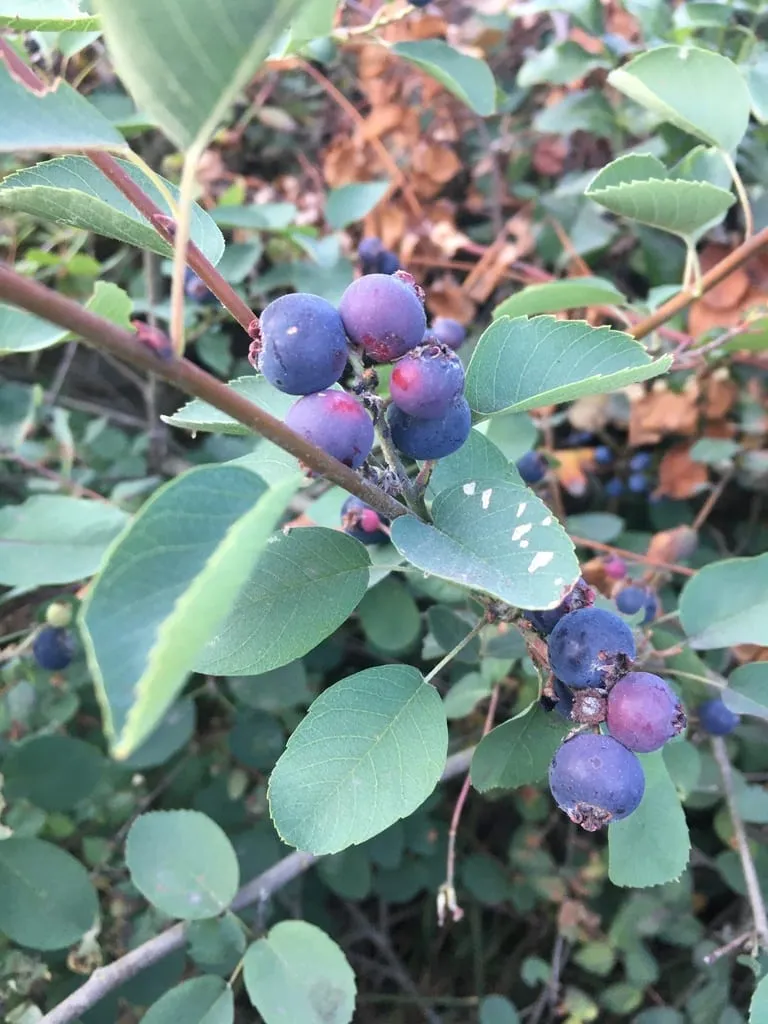
berry in zone 7a
Growing saskatoon (serviceberry) in zone 7a
Amelanchier alnifolia
- Zone
- 7a 0°F to 5°F
- Growing season
- 210 days
- Chill needed
- 1000 to 1500 below 45°F
- Suitable varieties
- 0
- Days to harvest
- 60 to 80
The verdict
Zone 7a sits at the warm edge of saskatoon's viable range. The 1,000 to 1,500 chill-hour requirement is the critical variable: many zone 7a locations accumulate 800 to 1,100 hours below 45°F in a typical winter, which means chill accumulation can fall short in mild winters or at lower elevations. Cold hardiness is not the concern here, as saskatoons tolerate temperatures well below the 0 to 5°F minimum that defines zone 7a. The limiting factor is summer heat and warm-winter patterns eroding the chill budget before it reaches the minimum threshold.
In the cooler parts of zone 7a (higher elevations in the southern Appalachians, interior mountain valleys, or upland Virginia), adequate chill is more reliably met. In warmer, lower-elevation corridors, expect inconsistent bloom and reduced fruit set following mild winters. This is a marginal zone rather than a sweet spot. Growers should treat saskatoon as a conditional crop here, worth planting in favorable microclimates but not a reliable staple across the full zone.
Critical timing for zone 7a
Saskatoons are among the earliest-blooming woody fruit crops. In zone 7a, bloom typically opens in late February to mid-March, well ahead of most other fruit plantings. This creates a reliable frost-risk window: zone 7a last-frost dates commonly fall between March 15 and April 15 depending on elevation and local topography, meaning open flowers and early fruitlets can be exposed to damaging late freezes. A single hard frost during full bloom can eliminate most of the season's crop.
Harvest follows roughly 60 to 70 days after bloom, placing it in late April to early June for most zone 7a sites. This is a favorable timing in one respect: the crop finishes before the hottest, most disease-prone weeks of summer. In years when spring advances early, the harvest window can compress to two weeks or less, making attentive monitoring worthwhile.
Common challenges in zone 7a
- ▸ Cedar-apple rust
- ▸ Brown rot
- ▸ Fire blight
- ▸ High humidity disease pressure
Disease pressure to watch for
Modified care for zone 7a
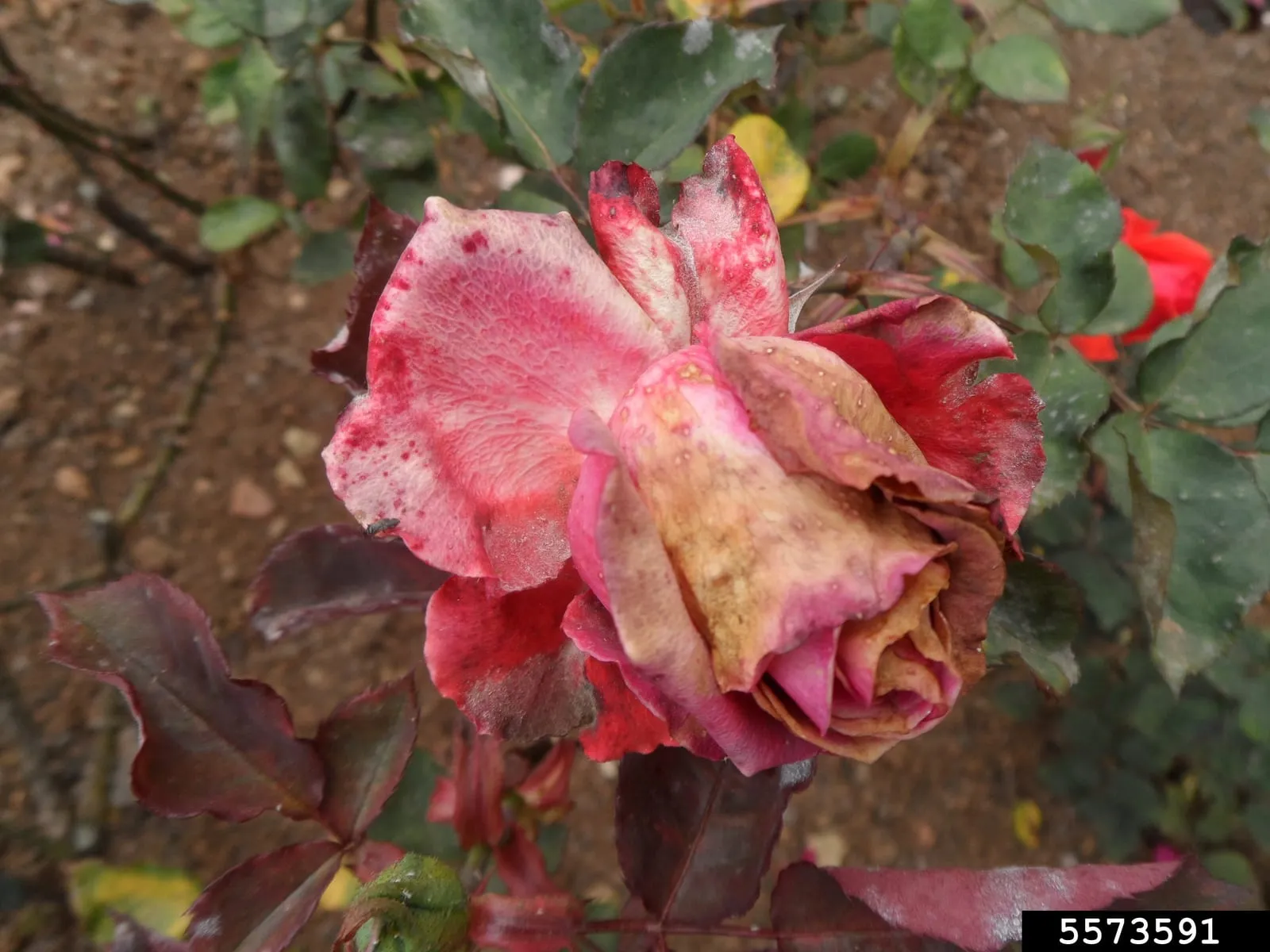
Zone 7a's high humidity sets saskatoons up for heavier disease pressure than growers in the northern plains or Pacific Northwest typically encounter. Gray mold (Botrytis) and fire blight are the primary threats, and both intensify during the wet springs common across the zone's southeastern range. Site selection is the most effective mitigation: choose locations with full sun, good slope drainage, and maximum air movement through the canopy. Avoid low spots or areas near structures that trap moisture overnight.
Maintaining an open canopy through annual pruning reduces humidity retention within the bush. During wet springs, a copper-based application at green tip and again at early bloom provides meaningful reduction in fire blight infection. Cedar-apple rust, more commonly associated with apples, can also affect saskatoons and is widespread across zone 7a; removing nearby juniper species where feasible reduces local inoculum pressure. Brown rot risk increases if harvest is delayed into warm, humid weather.
Saskatoon (Serviceberry) in adjacent zones
Image: "Saskatoon", by Corvi Zeman, via iNaturalist, licensed under CC-BY Source.
Related