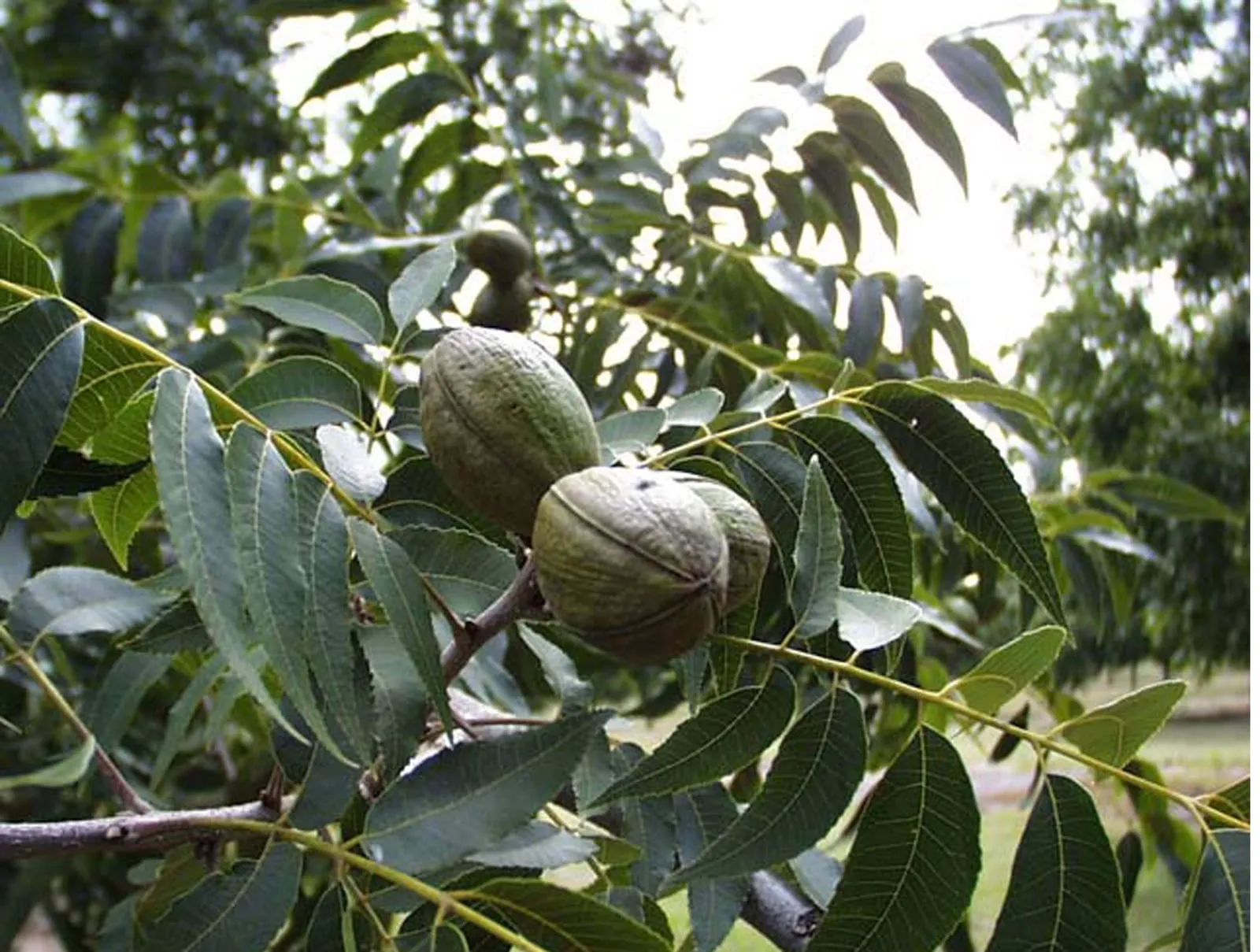
nut in zone 6a
Growing pecan in zone 6a
Carya illinoinensis
- Zone
- 6a -10°F to -5°F
- Growing season
- 180 days
- Chill needed
- 400 to 700 below 45°F
- Suitable varieties
- 3
- Days to harvest
- 200 to 260
The verdict
Zone 6a sits at the northern edge of viable pecan cultivation. Chill-hour requirements are not the limiting factor here: the 400 to 700 hours pecan needs are well below what zone 6a winters typically deliver (often 1,000 hours or more), so dormancy requirements are reliably met. The real constraint is growing-season length. Pecans need roughly 200 or more frost-free days to fill and mature nuts fully; zone 6a's average of 180 days is tight, and in shorter-season years, nuts may reach harvest underfilled or fail to shell cleanly.
This makes zone 6a a marginal zone rather than a sweet spot. Success is possible, but it depends heavily on variety selection, site microclimate, and year-to-year weather. Growers in warmer pockets of zone 6a (south-facing slopes, urban heat islands, valley-floor sites that warm early) will have noticeably better outcomes than those in low-lying frost hollows.
Recommended varieties for zone 6a
3 cultivars suited to this zone, with disease-resistance and zone-fit annotations.
| Variety | Notes | Zone fit | Disease resistance |
|---|---|---|---|
| Pawnee fits zone 6a | Sweet, rich, buttery, oily; fresh, baking, pralines. Early-ripening Northern type, harvests before first frost in zone 6. Scab-resistant in northern range, productive young. | |
|
| Kanza fits zone 6a | Sweet, oily, classic pecan flavor; baking, fresh, pies. Northern type with strong scab resistance, the recommended choice for the Midwest and upper South. Reliable cropper. | |
|
| Hardy fits zone 6a | Sweet, mild, oily; small nuts, productive. Cold-hardiest pecan, extends the range into zone 5b sites with full-sun exposure. | | none noted |
Critical timing for zone 6a
Pecan leafs out and begins pollinating in late April to mid-May in zone 6a, after the main frost-risk window has passed. Because pecan is wind-pollinated and blooms relatively late, direct frost damage to catkins is uncommon, though a late hard freeze in early May can still set back young foliage growth.
Harvest falls in late October to early November for the earliest-ripening varieties. That timing is close to average first-frost dates for much of zone 6a, which typically run from mid-October to early November. In an early-frost year, nuts may still be filling when cold arrives. Varieties like Pawnee and Kanza were selected partly for earlier maturity and offer the best odds of reaching a clean shell-out before the season closes.
Common challenges in zone 6a
- ▸ Brown rot in stone fruit
- ▸ Japanese beetles
- ▸ Spring frost damage to peach buds
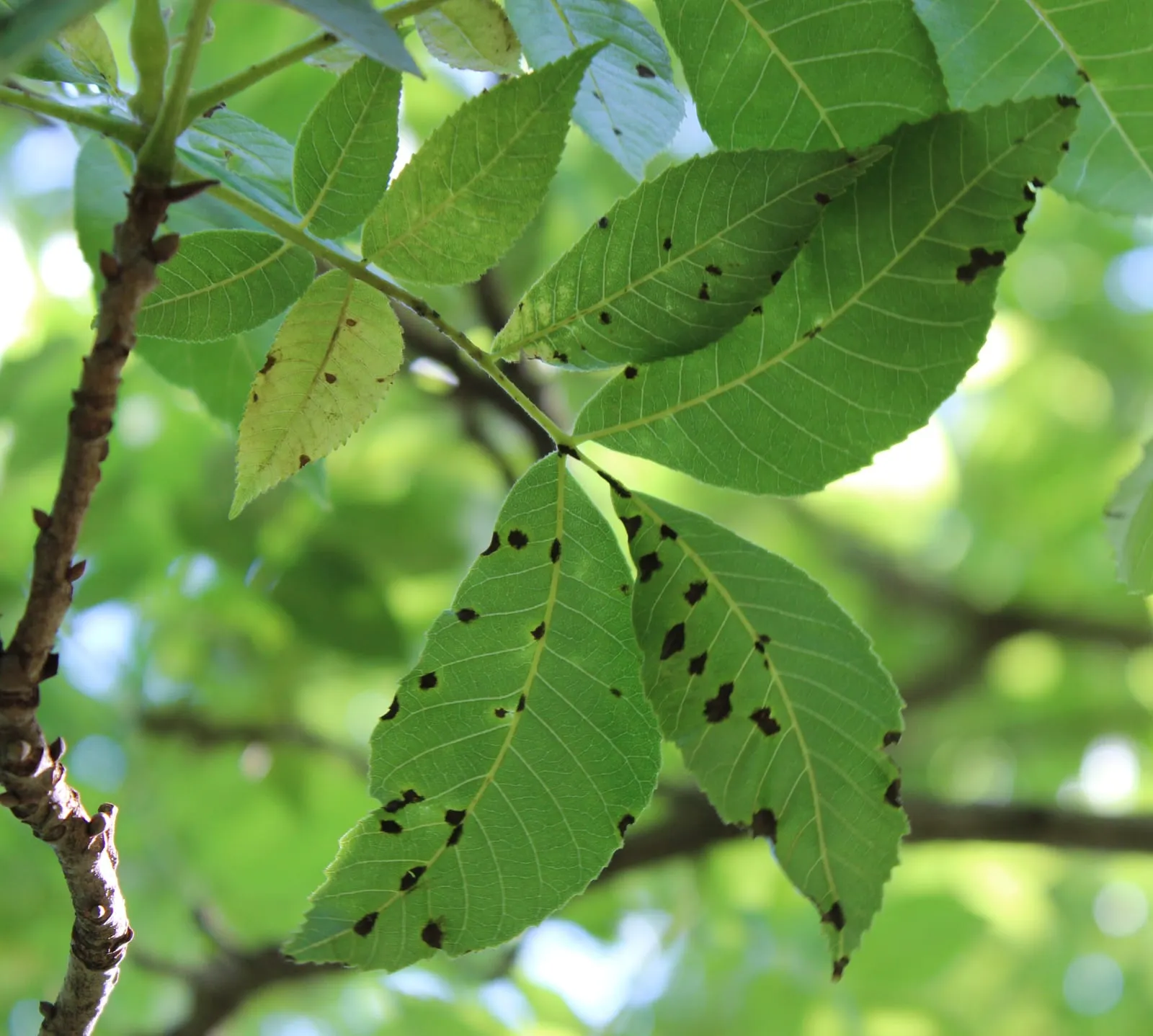
Disease pressure to watch for
Modified care for zone 6a
Variety selection is the highest-leverage decision for zone 6a pecan. Only early-ripening cultivars (Pawnee, Kanza, Hardy) have a realistic chance of maturing nuts before the growing season ends. Later-ripening southern varieties should not be attempted.
Pecan scab is the primary disease concern across the range, and zone 6a's wetter spring and summer conditions can intensify pressure. Kanza carries better scab resistance than Pawnee; where scab pressure is historically high, that difference matters. A 3 to 4 application fungicide program from shoot emergence through mid-summer is standard where scab is a known issue.
Japanese beetles can cause significant defoliation on pecan in mid-Atlantic and upper-South zone 6a locations during July and August. Repeated defoliation reduces nut fill directly, so populations above threshold warrant control. Young trees in their first two winters benefit from trunk wraps or mulched root zones, as bark splitting from freeze-thaw cycles is a common cause of early loss in this zone.
Frequently asked questions
- Can pecan trees survive zone 6a winters?
Established pecan trees of hardy northern varieties can tolerate the -10 to -5°F minimums typical of zone 6a. Young trees in their first few winters are more vulnerable to bark splitting and root damage. Varieties like Kanza and Hardy were specifically bred for northern range performance.
- Which pecan varieties work best in zone 6a?
Pawnee, Kanza, and Hardy are the most reliable choices. All three ripen earlier than typical southern varieties, which is the critical trait for zone 6a's shorter season. Kanza also offers stronger resistance to pecan scab.
- Why does growing-season length matter more than winter hardiness for pecan in zone 6a?
Pecan needs approximately 200 or more frost-free days to fill nuts completely. Zone 6a averages around 180 days, which is borderline. Trees may survive the winter fine but still produce poorly filled or immature nuts if the season closes early.
+−
+−
+−
Pecan in adjacent zones
Image: "Carya illinoinensis foliagenuts", by Brad Haire, University of Georgia, USA, via Wikimedia Commons, licensed under CC-BY Source.

Related