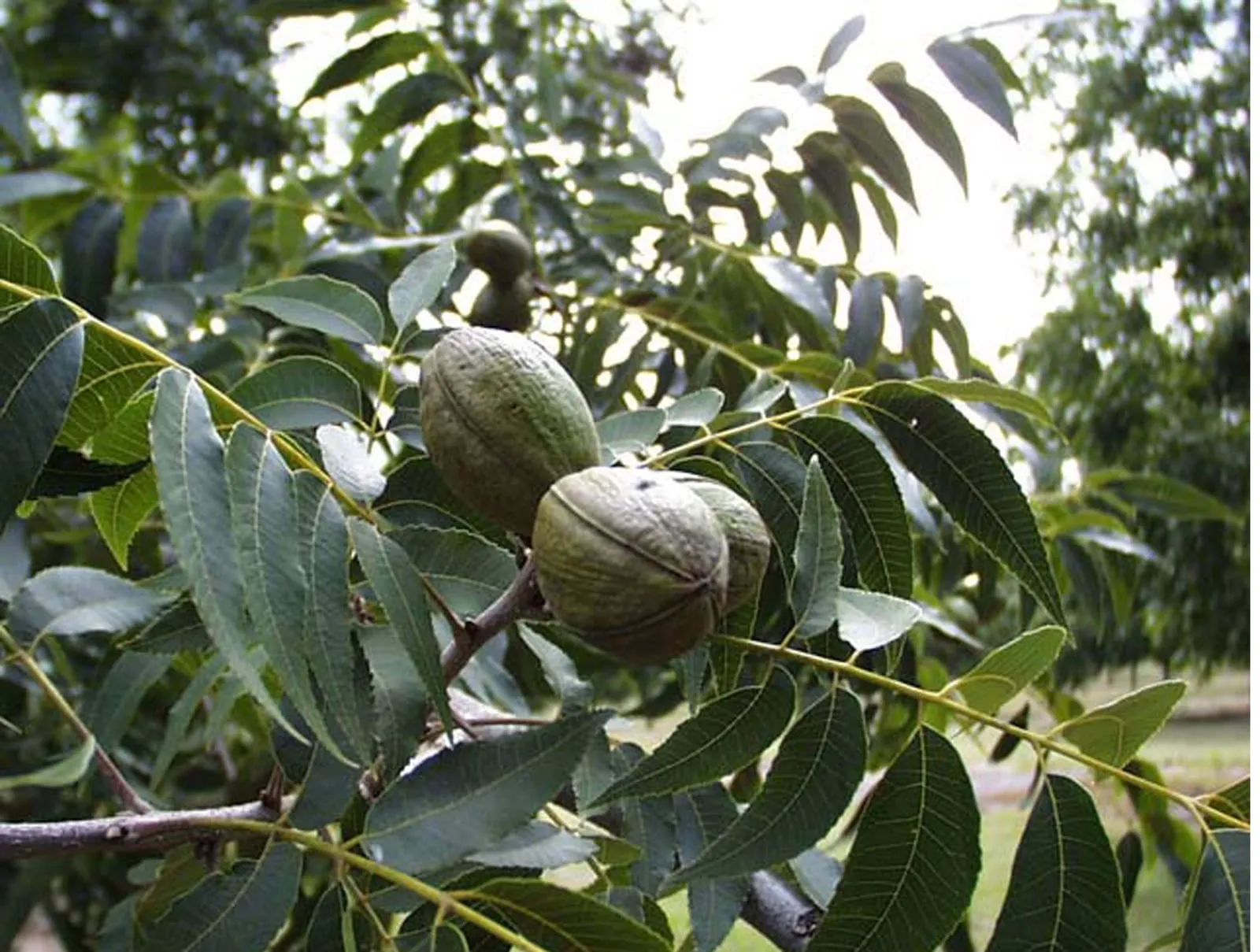
nut in zone 6b
Growing pecan in zone 6b
Carya illinoinensis
- Zone
- 6b -5°F to 0°F
- Growing season
- 190 days
- Chill needed
- 400 to 700 below 45°F
- Suitable varieties
- 3
- Days to harvest
- 200 to 260
The verdict
Zone 6b sits at the northern edge of pecan's reliable range. Winter lows of -5 to 0°F are survivable for established trees of cold-tolerant varieties, but the more pressing constraint is the growing season. Pecans need roughly 200 or more frost-free days to fill kernels properly; zone 6b's average of 190 days is tight. Chill-hour accumulation is rarely the limiting factor here: zone 6b routinely delivers well within the 400 to 700 hours that pecans require to break dormancy cleanly. The real challenge is heat accumulation from leaf-out through kernel hardening in fall. Growers in zone 6b should treat this as a marginal zone and select only the shortest-season varieties available. Pawnee, Kanza, and Hardy were developed specifically for northern range extension and are the practical choices. Expect some years where a cool summer or early fall frost cuts kernel fill short.
Recommended varieties for zone 6b
3 cultivars suited to this zone, with disease-resistance and zone-fit annotations.
| Variety | Notes | Zone fit | Disease resistance |
|---|---|---|---|
| Pawnee fits zone 6b | Sweet, rich, buttery, oily; fresh, baking, pralines. Early-ripening Northern type, harvests before first frost in zone 6. Scab-resistant in northern range, productive young. | |
|
| Kanza fits zone 6b | Sweet, oily, classic pecan flavor; baking, fresh, pies. Northern type with strong scab resistance, the recommended choice for the Midwest and upper South. Reliable cropper. | |
|
| Hardy fits zone 6b | Sweet, mild, oily; small nuts, productive. Cold-hardiest pecan, extends the range into zone 5b sites with full-sun exposure. | | none noted |
Critical timing for zone 6b
Pecan buds break in late April to early May in zone 6b, typically one to two weeks after the average last frost date. Bloom follows within a week or two of leaf-out, placing pollination in mid-May. Late frost events in zone 6b occasionally extend into early May, which can damage emerging catkins and reduce nut set for that season. Kernel fill runs through summer, with husks beginning to split in late September through October. Harvest in zone 6b falls in October, sometimes pushing into early November for later-maturing selections. The first fall frost, often arriving in mid-October in zone 6b, creates a narrow window: varieties that have not reached maturity by then will produce poorly filled nuts.
Common challenges in zone 6b
- ▸ Cedar-apple rust
- ▸ Fire blight
- ▸ Stink bugs
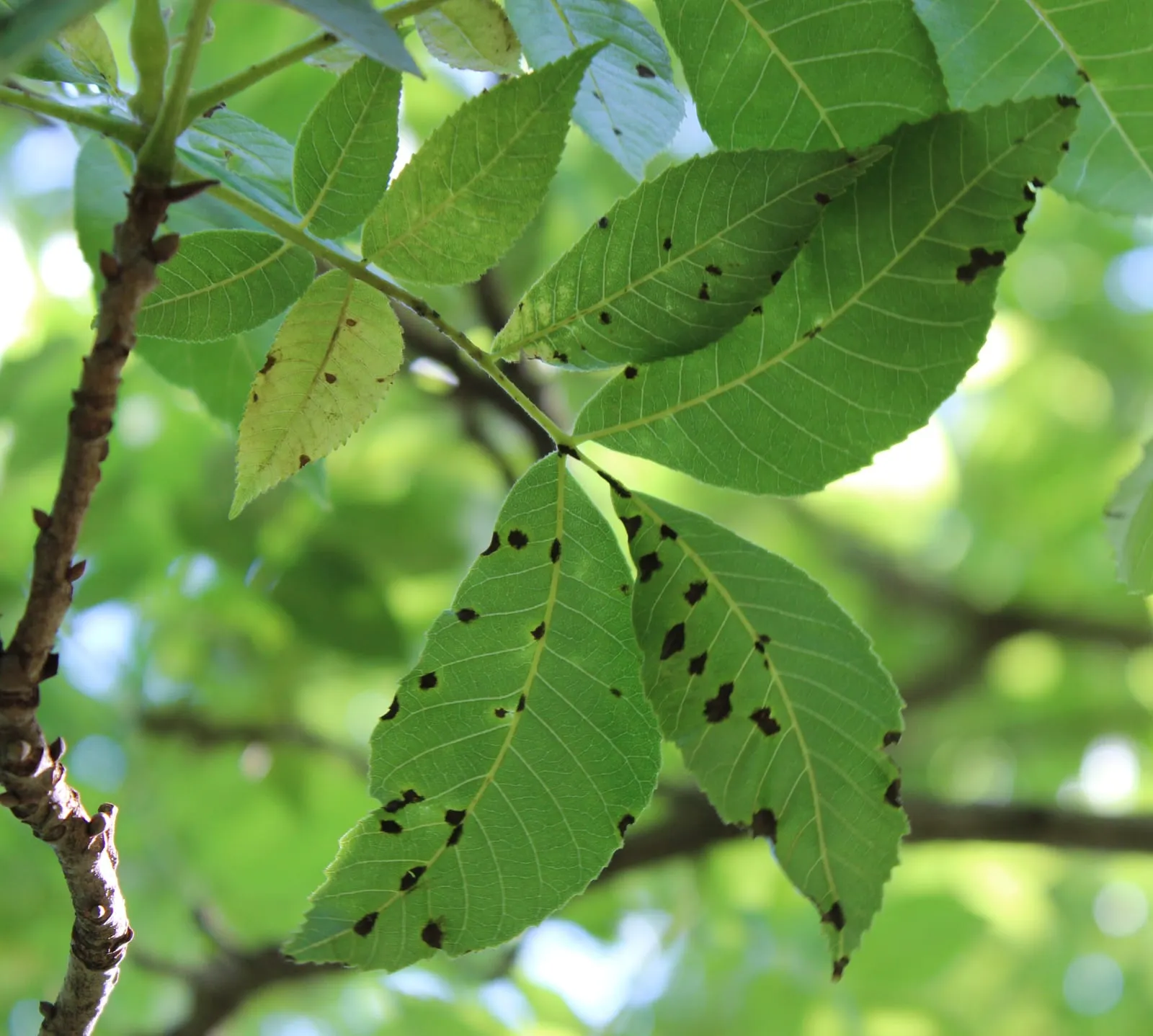
Disease pressure to watch for
Modified care for zone 6b
Pecan scab is the primary disease concern across the crop's range, and zone 6b is no exception. Humid summer conditions favor scab development; growers should select scab-resistant varieties and apply protective fungicide applications beginning at bud swell if conditions warrant. The zone's shorter season puts a premium on site selection: south-facing slopes with good air drainage accumulate more heat units and reduce frost exposure at bloom. Young trees in zone 6b may benefit from trunk wraps or mulch rings in the first two winters to prevent bark splitting during freeze-thaw cycles. Stink bug pressure, listed among zone 6b's broader pest challenges, can cause significant kernel damage in late summer; monitor from August onward. Fertilize conservatively in spring to avoid pushing late-season growth that won't harden before frost.
Frequently asked questions
- Can pecans survive winter temperatures in zone 6b?
Established trees of cold-hardy varieties like Kanza and Hardy can tolerate the -5 to 0°F lows typical of zone 6b. Young trees are more vulnerable, and bark splitting from freeze-thaw cycles is a real risk in the first few winters. Site selection and trunk protection help.
- Why is the growing season a concern for pecans in zone 6b?
Pecans need roughly 200 or more frost-free days to fill kernels fully. Zone 6b averages around 190 days, which leaves little margin. A cool summer or early October frost can result in poorly filled nuts even when trees survive winter without damage.
- Which pecan varieties are best suited to zone 6b?
Pawnee, Kanza, and Hardy are the practical choices. All three were bred for northern range extension and have shorter kernel-fill periods than standard southern varieties. Kanza in particular has shown consistent performance at the northern edge of the pecan belt.
- How serious is pecan scab in zone 6b?
Pecan scab can cause significant crop loss in humid summers regardless of zone. Choosing scab-resistant varieties and applying fungicide at bud swell in high-pressure years are the main management tools. Zone 6b's climate does not eliminate scab risk.
+−
+−
+−
+−
Pecan in adjacent zones
Image: "Carya illinoinensis foliagenuts", by Brad Haire, University of Georgia, USA, via Wikimedia Commons, licensed under CC-BY Source.

Related