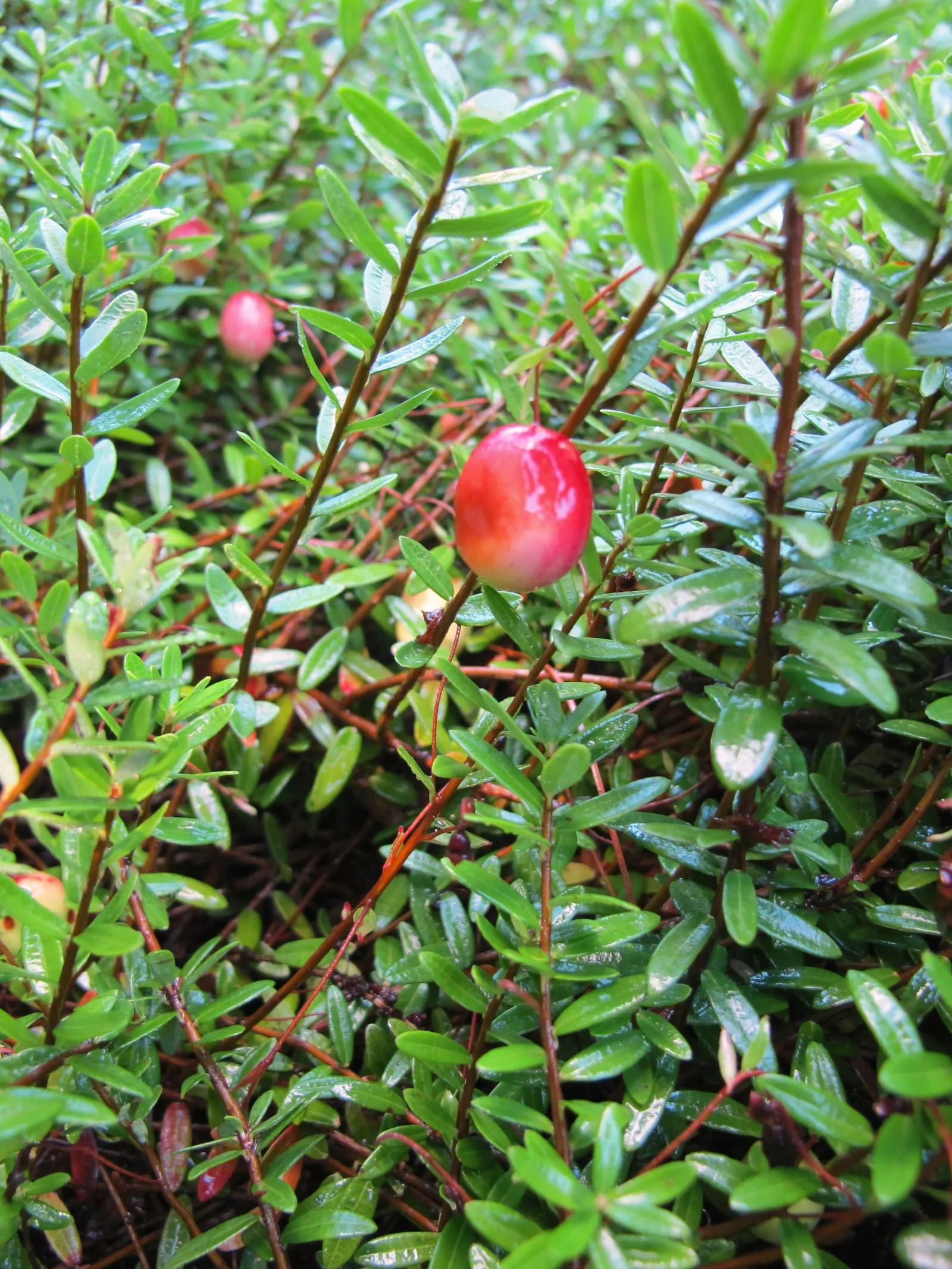
berry in zone 6a
Growing cranberry in zone 6a
Vaccinium macrocarpon
- Zone
- 6a -10°F to -5°F
- Growing season
- 180 days
- Chill needed
- 1500 to 2000 below 45°F
- Suitable varieties
- 3
- Days to harvest
- 90 to 110
The verdict
Zone 6a sits at the warmer edge of cranberry's native range, and the fit is workable but requires attention to microclimate. The chill-hour requirement of 1,500 to 2,000 hours is reliably met in zone 6a winters, which regularly sustain temperatures in the -10 to -5°F range for extended periods. Cold hardiness is not the limiting factor here.
The real constraints are soil and summer heat. Cranberries require consistently moist, acidic (pH 4.0 to 5.5) sandy-peat soils with good drainage control. Zone 6a's 180-day growing season provides sufficient time for fruit development, but summer temperatures in warmer microclimates within the zone can stress plants and reduce fruit set. Stevens, Pilgrim, and Howes all perform acceptably at this latitude, though growers should expect more active disease management than cranberry producers in zones 4 and 5 typically face. This is a marginal zone for the crop, primarily due to summer heat stress rather than cold vulnerability.
Recommended varieties for zone 6a
3 cultivars suited to this zone, with disease-resistance and zone-fit annotations.
| Variety | Notes | Zone fit | Disease resistance |
|---|---|---|---|
| Stevens fits zone 6a | Tart, firm, deep red berries with classic cranberry punch; sauce, juice, dried, baking. The dominant commercial cultivar in the US, vigorous and productive. Requires bog or constructed-bed conditions. | | none noted |
| Pilgrim fits zone 6a | Tart, large dark red berries with rich flavor; sauce and processing. Late-season, productive, used widely in commercial bogs. | | none noted |
| Howes fits zone 6a | Tart, classic flavor, small-medium oval berries; the heritage Massachusetts variety, holds well in storage. Slow but reliable producer. | | none noted |
Critical timing for zone 6a
Cranberry bloom in zone 6a typically opens in late May and runs through mid-June. Zone 6a's average last frost falls between mid-April and early May, so late-season frost events remain a risk during early vegetative growth, though cranberry buds are generally less frost-sensitive than peach or other stone fruit buds at that stage.
Fruit development continues through summer, with harvest windows opening in late September for earlier-ripening varieties like Stevens and Pilgrim. Howes ripens later, typically into October, which is workable given that zone 6a's average first fall frost arrives in mid-October. Growers should monitor late-October frost forecasts closely if Howes is the primary planting, as hard frosts during harvest can damage unharvested fruit.
Common challenges in zone 6a
- ▸ Brown rot in stone fruit
- ▸ Japanese beetles
- ▸ Spring frost damage to peach buds
Disease pressure to watch for
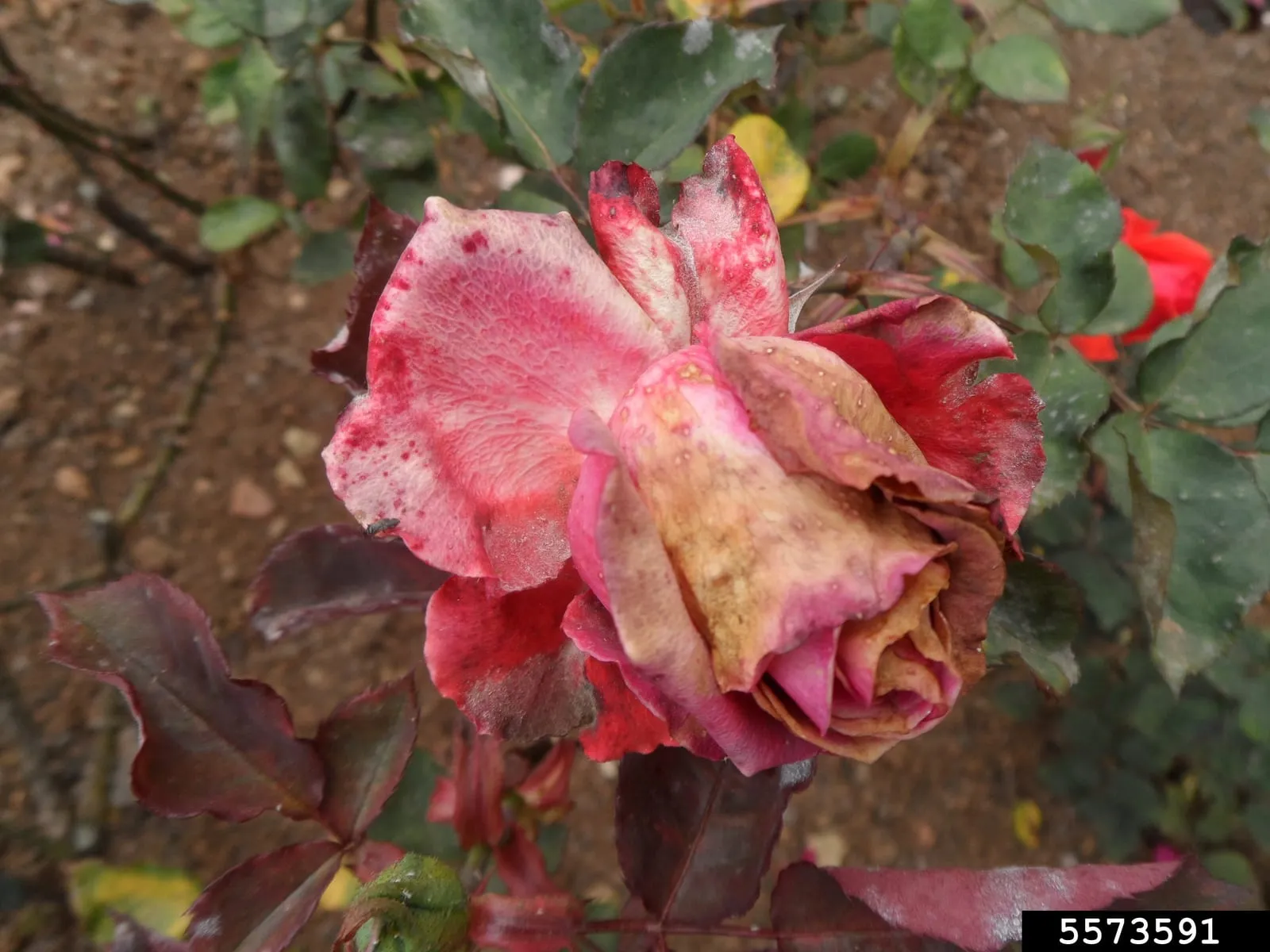
Botrytis cinerea
Ubiquitous fungal disease that causes fruit rot during cool wet weather, often the dominant berry disease in humid regions.
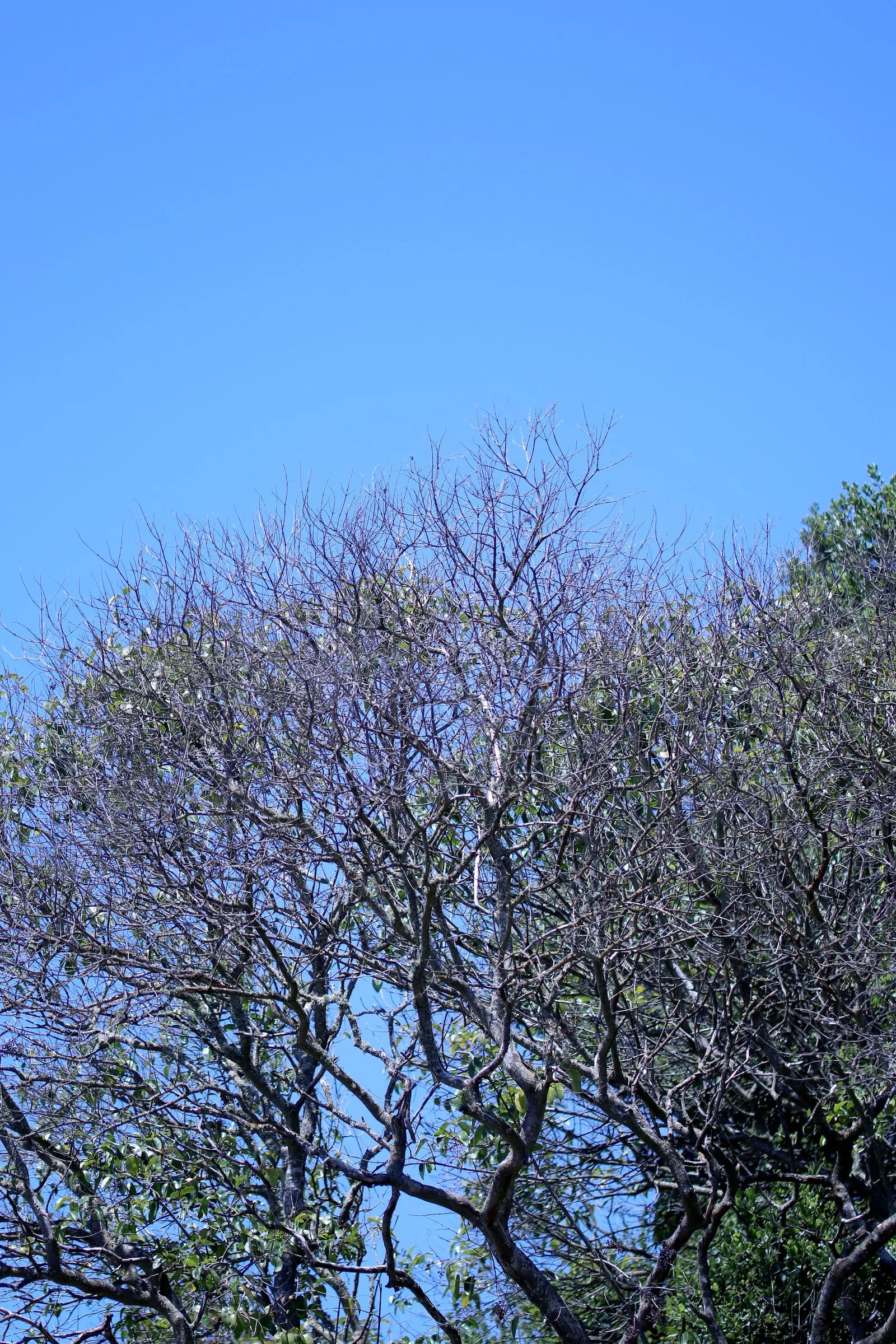
Phytophthora species
Soil-borne water mold that destroys roots in waterlogged soils, the leading cause of blueberry decline in poorly drained sites.
Modified care for zone 6a
Drainage and soil moisture management are the most important adjustments in zone 6a. Phytophthora Root Rot, present on the crop's disease list, spreads rapidly in poorly drained sites. Purpose-built raised beds or shallow bogs with controlled water levels significantly reduce that risk; planting into compacted or clay-heavy soils without amendment is a reliable path to crop failure.
Japanese beetle pressure, a documented zone 6a challenge, coincides with cranberry's fruit development window from late June through August. Regular monitoring and targeted intervention during peak beetle flight reduces fruit damage. Gray Mold (Botrytis) becomes problematic in humid summers; maintaining airflow through plant spacing and avoiding overhead irrigation helps limit incidence. During establishment and drought periods, supplemental irrigation is necessary, as cranberry vines do not tolerate water stress. Commercial winter flooding to protect vines from freeze damage is not practical at the home-garden scale in zone 6a.
Frequently asked questions
- Can cranberries grow in zone 6a without a traditional bog?
Yes, with the right soil preparation. Cranberries need acidic (pH 4.0 to 5.5), consistently moist, sandy-peat growing medium. Raised beds filled with peat-sand mix and kept evenly moist work for home growers. A true flood-and-drain bog is not required, but drainage control is non-negotiable to prevent Phytophthora Root Rot.
- Which cranberry variety performs best in zone 6a?
Stevens is the most widely recommended for the warmer end of cranberry's range: it ripens earlier than Howes, reducing exposure to early fall frosts, and produces reliably in zone 6a conditions. Pilgrim is also a solid choice. Howes is viable but requires close attention to fall frost timing given its later ripening window.
- Do cranberries in zone 6a need winter protection?
Zone 6a winters are cold enough that vines may benefit from a light mulch layer of pine straw or wood chips applied after the ground freezes, particularly in exposed sites. This is not the same as commercial winter flooding, but it moderates freeze-thaw cycles at the root zone. Remove mulch gradually in spring to avoid encouraging early growth vulnerable to late frost.
- How long does it take cranberries to produce fruit after planting in zone 6a?
Cranberries typically require two to three years after planting before producing a meaningful harvest. The first season focuses on vine establishment and runner spread. Patience is necessary; pushing fruit production too early by skipping the establishment-year harvest restriction often weakens the planting long-term.
+−
+−
+−
+−
Cranberry in adjacent zones
Image: "Vaccinium macrocarpon (15054125499)", by Kristine Paulus, via Wikimedia Commons, licensed under CC-BY Source.
.jpg)
Related