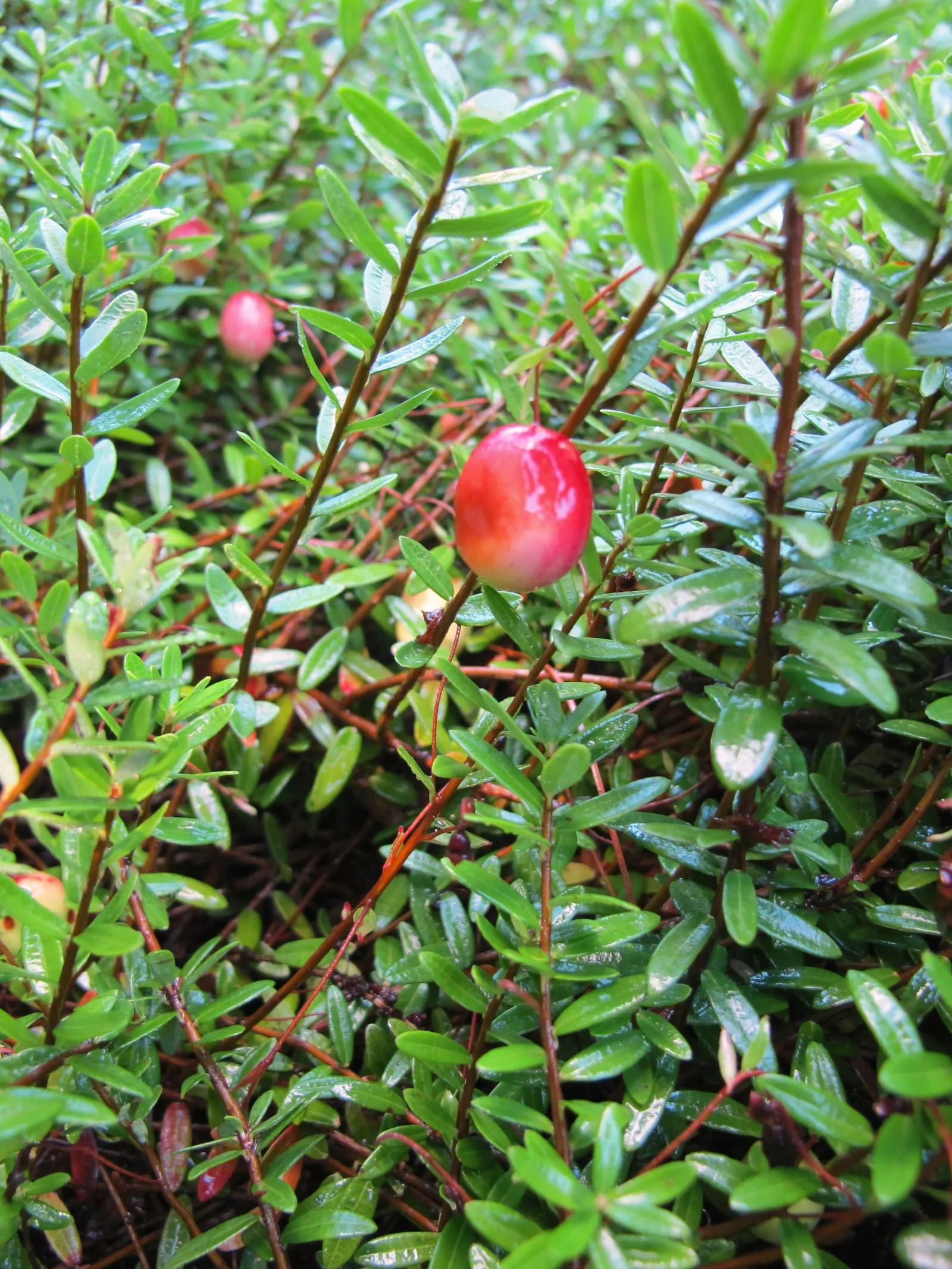
berry in zone 5b
Growing cranberry in zone 5b
Vaccinium macrocarpon
- Zone
- 5b -15°F to -10°F
- Growing season
- 165 days
- Chill needed
- 1500 to 2000 below 45°F
- Suitable varieties
- 4
- Days to harvest
- 90 to 110
The verdict
Zone 5b sits comfortably within the native cold range of commercial cranberry production. With minimum temperatures between -15 and -10°F, the zone delivers reliable dormancy stress, and cranberry's chill-hour requirement of 1,500 to 2,000 hours is met consistently across most of the zone without any supplemental chilling strategy. The 165-day growing season is sufficient for the fruit development window most commercial varieties need, which runs roughly 90 to 120 days from fruit set to harvest.
This is not a marginal zone for cranberry. Major production regions in Wisconsin and Massachusetts fall largely in zones 4b through 6a, placing zone 5b near the center of the commercial range. The greater constraint here is typically soil and water management rather than temperature suitability: cranberry demands acidic, peaty, consistently moist but flood-capable soils that most sites do not naturally provide. Growers who can engineer or locate that soil environment will find zone 5b climatically well-matched to the crop.
Recommended varieties for zone 5b
4 cultivars suited to this zone, with disease-resistance and zone-fit annotations.
| Variety | Notes | Zone fit | Disease resistance |
|---|---|---|---|
| Stevens fits zone 5b | Tart, firm, deep red berries with classic cranberry punch; sauce, juice, dried, baking. The dominant commercial cultivar in the US, vigorous and productive. Requires bog or constructed-bed conditions. | | none noted |
| Pilgrim fits zone 5b | Tart, large dark red berries with rich flavor; sauce and processing. Late-season, productive, used widely in commercial bogs. | | none noted |
| Howes fits zone 5b | Tart, classic flavor, small-medium oval berries; the heritage Massachusetts variety, holds well in storage. Slow but reliable producer. | | none noted |
| Ben Lear fits zone 5b | Tart, early-ripening, deep red; sauce and processing. Wisconsin cultivar, ripens 2 weeks ahead of Stevens. Useful for season extension. | | none noted |
Critical timing for zone 5b
Cranberry blooms in late June through early July in zone 5b, well after the last spring frost (typically mid-April to early May). That bloom window sits comfortably inside the frost-free period, which limits frost damage at pollination compared to earlier-blooming tree fruits in the same zone.
Harvest falls in late September through October for most named varieties. Stevens and Ben Lear mature on the earlier end of that window; Howes runs later, often into October. The first fall frost in zone 5b typically arrives in mid-October, creating a workable but narrow margin for late-maturing selections. Growers relying on Howes should monitor fall forecasts closely and be prepared to harvest before full color if an early frost threatens.
Common challenges in zone 5b
- ▸ Plum curculio
- ▸ Codling moth
- ▸ Cedar-apple rust
Disease pressure to watch for
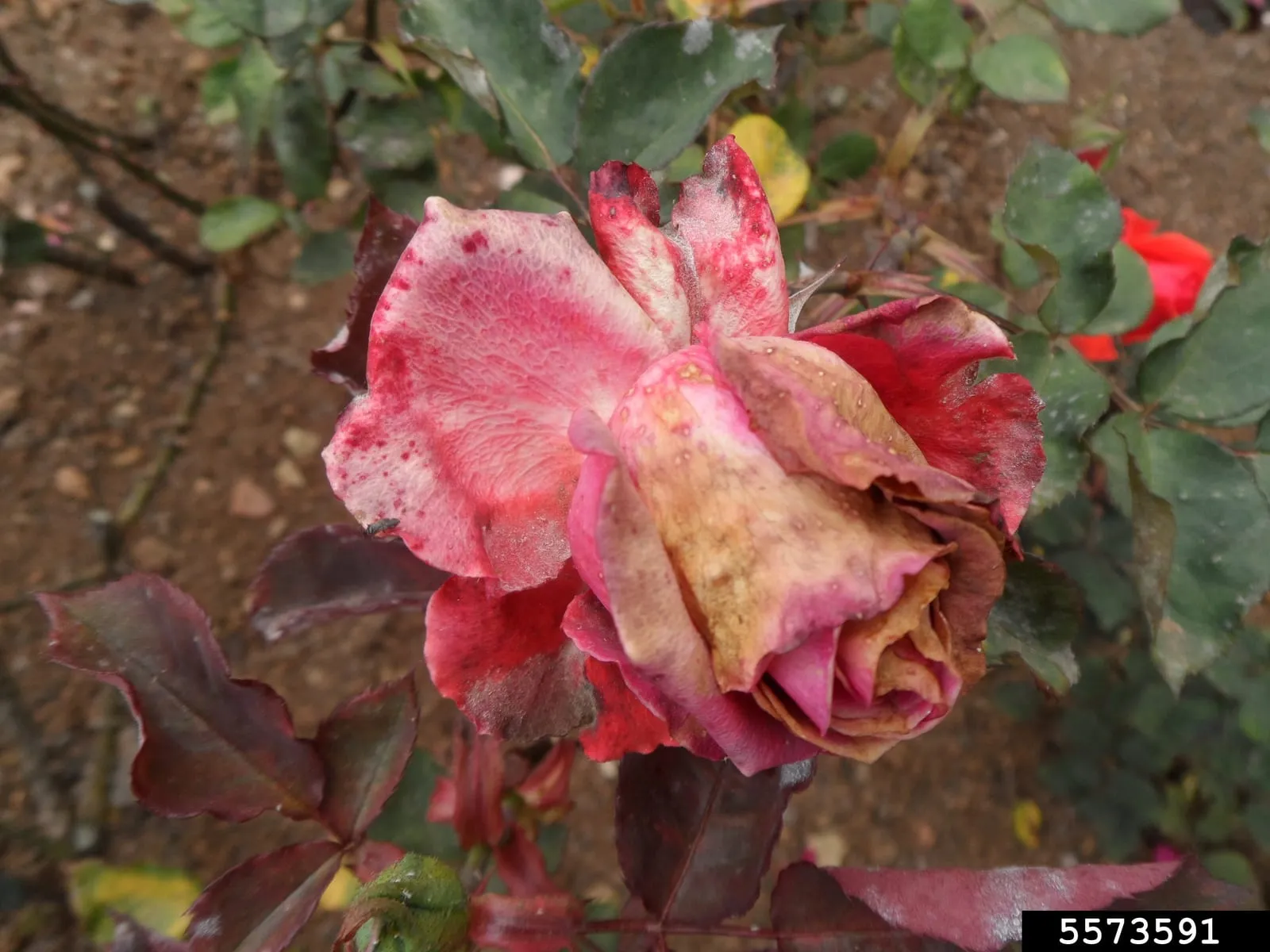
Botrytis cinerea
Ubiquitous fungal disease that causes fruit rot during cool wet weather, often the dominant berry disease in humid regions.
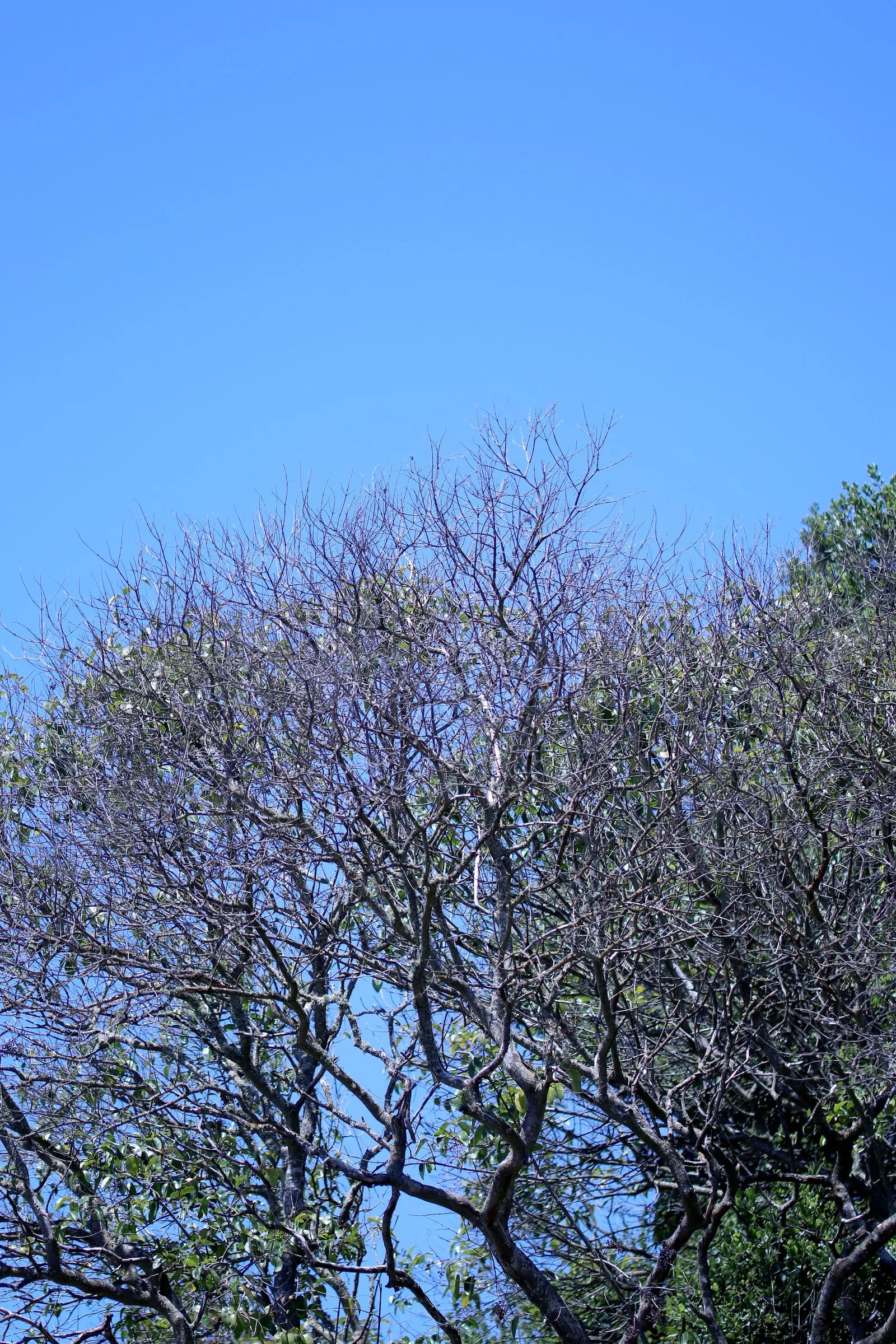
Phytophthora species
Soil-borne water mold that destroys roots in waterlogged soils, the leading cause of blueberry decline in poorly drained sites.
Modified care for zone 5b
The primary management adjustments in zone 5b involve water handling and winter protection. Traditional commercial production uses flooding to moderate temperature swings and prevent vine desiccation over winter. Growers without flooding infrastructure should apply a 3 to 4 inch straw mulch over beds before the ground freezes; this reduces cold injury risk substantially on exposed sites.
Gray Mold (Botrytis) is the main disease threat in zone 5b, particularly in wetter springs. The dense, low canopy of established cranberry beds traps moisture; improving air circulation at bed margins and avoiding overhead irrigation during bloom reduces incidence meaningfully. Phytophthora Root Rot becomes a concern where drainage is imperfect, and zone 5b's spring snowmelt can produce extended soil saturation. Raised bed construction or selecting naturally elevated, well-drained ground reduces this risk more reliably than any fungicide program.
Frequently asked questions
- Do cranberries require flooding to grow in zone 5b?
Flooding is a commercial practice used primarily for harvest efficiency and winter vine protection, not a biological requirement. Home growers in zone 5b can substitute a heavy straw mulch for winter protection. Consistent soil moisture through the growing season is necessary; year-round flood management is not.
- Which cranberry variety is the safest choice for zone 5b?
Stevens is the most widely planted commercial variety and fits zone 5b's season length reliably. Ben Lear matures earlier and suits sites where fall frosts arrive before mid-October. Howes is a late-season selection that needs the full length of zone 5b's growing season to mature and carries more timing risk in years with early fall frosts.
- Will zone 5b winters damage established cranberry vines?
Established vines are hardy well below zone 5b's minimum temperatures. The main winter risk is not cold kill but desiccation from wind on exposed, unmulched beds. Standard winter mulching or flooding provides adequate protection in nearly all zone 5b winters.
+−
+−
+−
Cranberry in adjacent zones
Image: "Vaccinium macrocarpon (15054125499)", by Kristine Paulus, via Wikimedia Commons, licensed under CC-BY Source.
.jpg)
Related