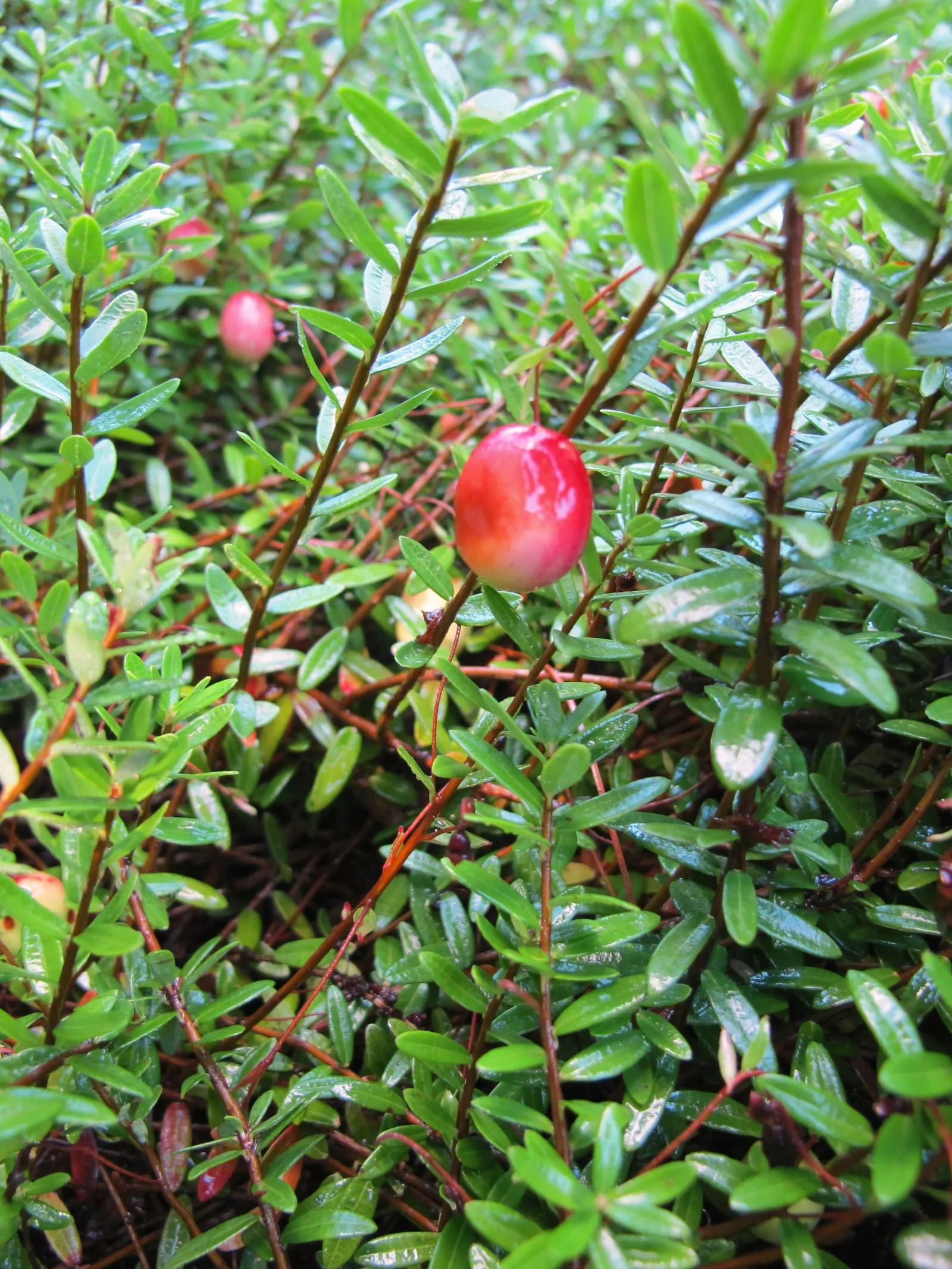
berry
Cranberry
Vaccinium macrocarpon
USDA hardiness range
- Zones
- 3a–7a
- Chill hours
- 1500 to 2000 below 45°F
- Days to harvest
- 90 to 110
- Sun
- Full
- Water
- High
- Lifespan
- 100 years
Growing cranberry
Cranberry (Vaccinium macrocarpon) is one of the few commercially important fruit crops native to North America, and growing it successfully at home requires understanding what makes it different from nearly every other small fruit. It thrives in zones 3a through 7a, where cold winters deliver the 1,500 to 2,000 chill hours it needs to set fruit reliably. Zone 7b and warmer push past its practical southern limit; insufficient winter cold leads to weak flowering and poor yields.
The crop's reputation for difficulty is largely tied to water and soil requirements. Commercial cranberry production relies on flooded bogs for frost protection and mechanical harvest, but home growers can achieve productive results with raised beds designed to hold moisture and drain on demand. The non-negotiable elements are full sun, consistently saturated or near-saturated soil, strongly acidic pH, and adequate drainage below the root zone to prevent anaerobic conditions.
With those conditions met, cranberry is a remarkably long-lived perennial. Established plantings can remain productive for a century, making site selection a decision worth taking seriously. Plants spread by runners and fill in over three to five years; expect modest yields in years one and two, increasing substantially as the bed matures. The 90- to 110-day harvest window, typically September through October in most zones, lines up well with the region's first frost dates.
Recommended varieties
See all 4 →4 cultivars for home growers, with notes on flavor, ripening, and disease resistance.
| Variety | Notes | Zone fit | Disease resistance |
|---|---|---|---|
| Stevens | Tart, firm, deep red berries with classic cranberry punch; sauce, juice, dried, baking. The dominant commercial cultivar in the US, vigorous and productive. Requires bog or constructed-bed conditions. | | none noted |
| Pilgrim | Tart, large dark red berries with rich flavor; sauce and processing. Late-season, productive, used widely in commercial bogs. | | none noted |
| Howes | Tart, classic flavor, small-medium oval berries; the heritage Massachusetts variety, holds well in storage. Slow but reliable producer. | | none noted |
| Ben Lear | Tart, early-ripening, deep red; sauce and processing. Wisconsin cultivar, ripens 2 weeks ahead of Stevens. Useful for season extension. | | none noted |
Soil and site requirements
Cranberry demands more specific soil conditions than almost any other fruit crop grown in its zone range. The target pH is 4.0 to 5.0, significantly lower than blueberry's already-acidic requirement. Native bog soils in Massachusetts and Wisconsin hit this range naturally; most garden soils do not. Amend with sulfur well in advance of planting and test pH annually, since buffering back toward neutral happens faster than most growers expect.
The ideal growing medium is a 6- to 8-inch layer of sandy peat or acidic sand over a compacted clay or lined base that holds water. This profile mimics natural bog conditions: roots stay consistently wet, but the profile does not become anaerobic because the clay layer, not the root zone, retains standing water. Raised beds lined with heavy-gauge plastic accomplish this in gardens without natural wetlands.
Full sun is required. Partial shade significantly reduces fruit set and promotes fungal disease near harvest. Allow 12 to 18 inches between plants; vines spread by runners and will fill a bed over several seasons. Avoid sites with reflected heat from walls or pavement, which can push soil temperatures above the crop's tolerance in summer. Wind exposure is generally acceptable and may reduce humidity-related disease pressure as berries ripen.
Common diseases
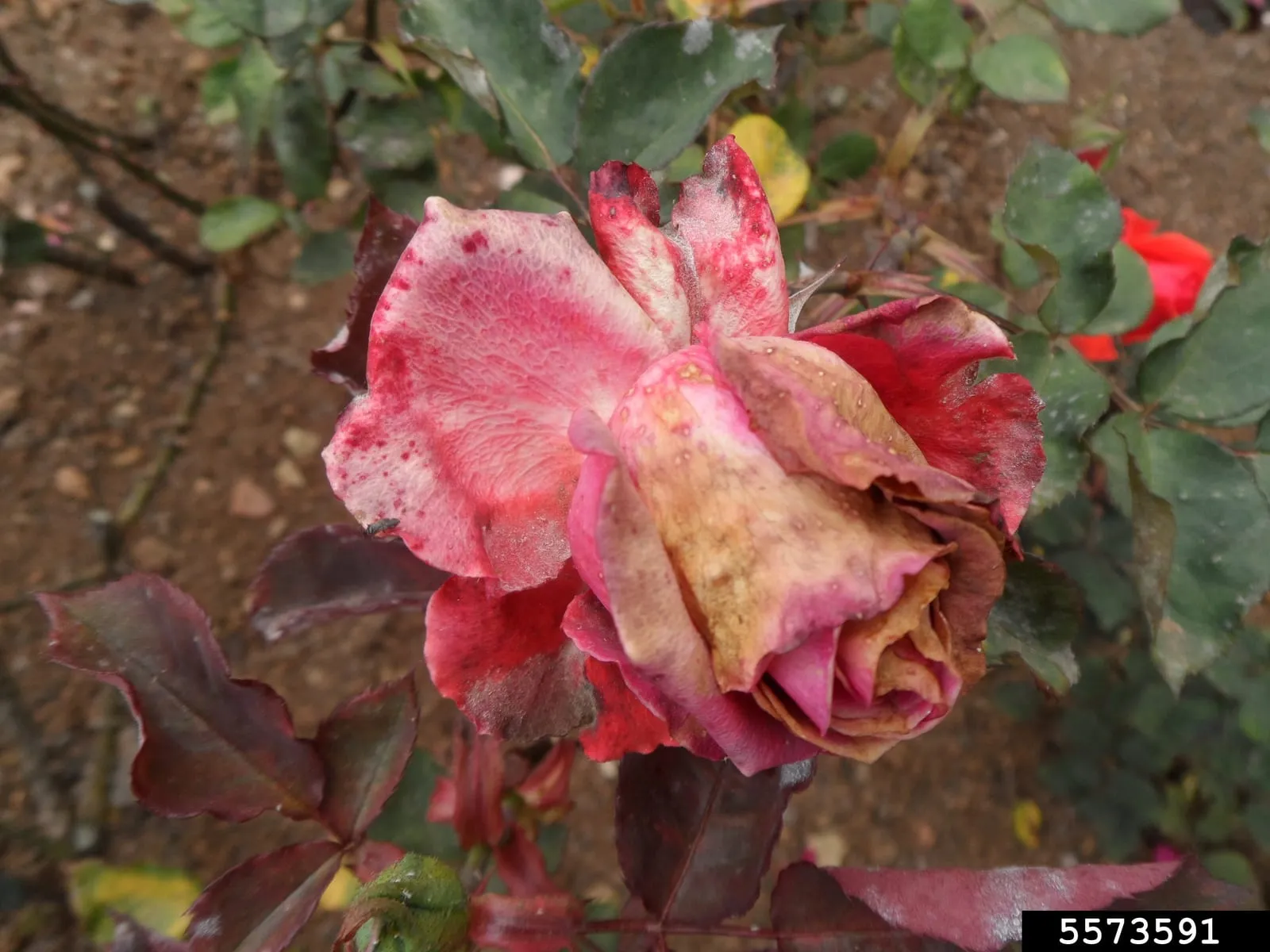
Botrytis cinerea
Ubiquitous fungal disease that causes fruit rot during cool wet weather, often the dominant berry disease in humid regions.
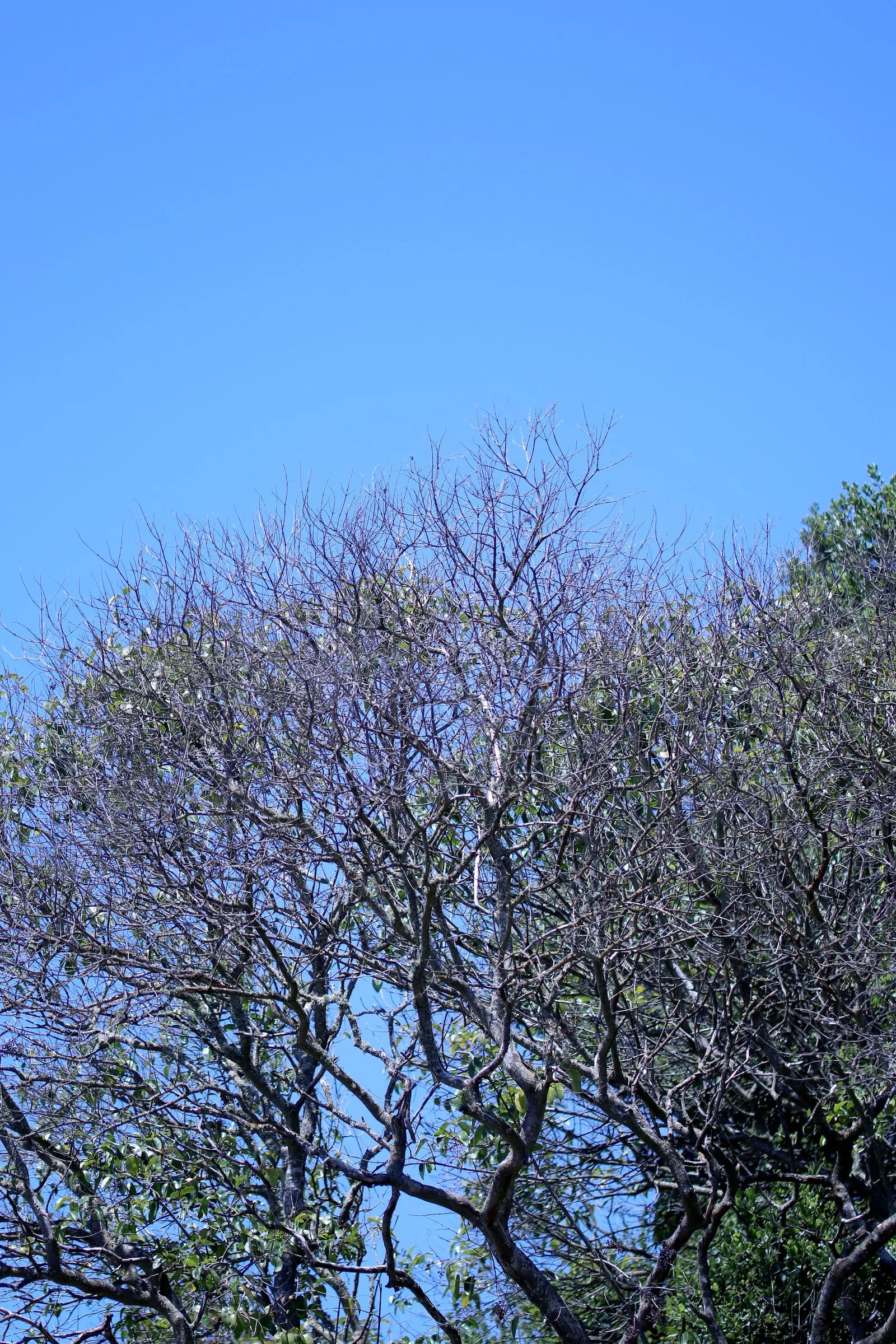
Phytophthora species
Soil-borne water mold that destroys roots in waterlogged soils, the leading cause of blueberry decline in poorly drained sites.
Common pests
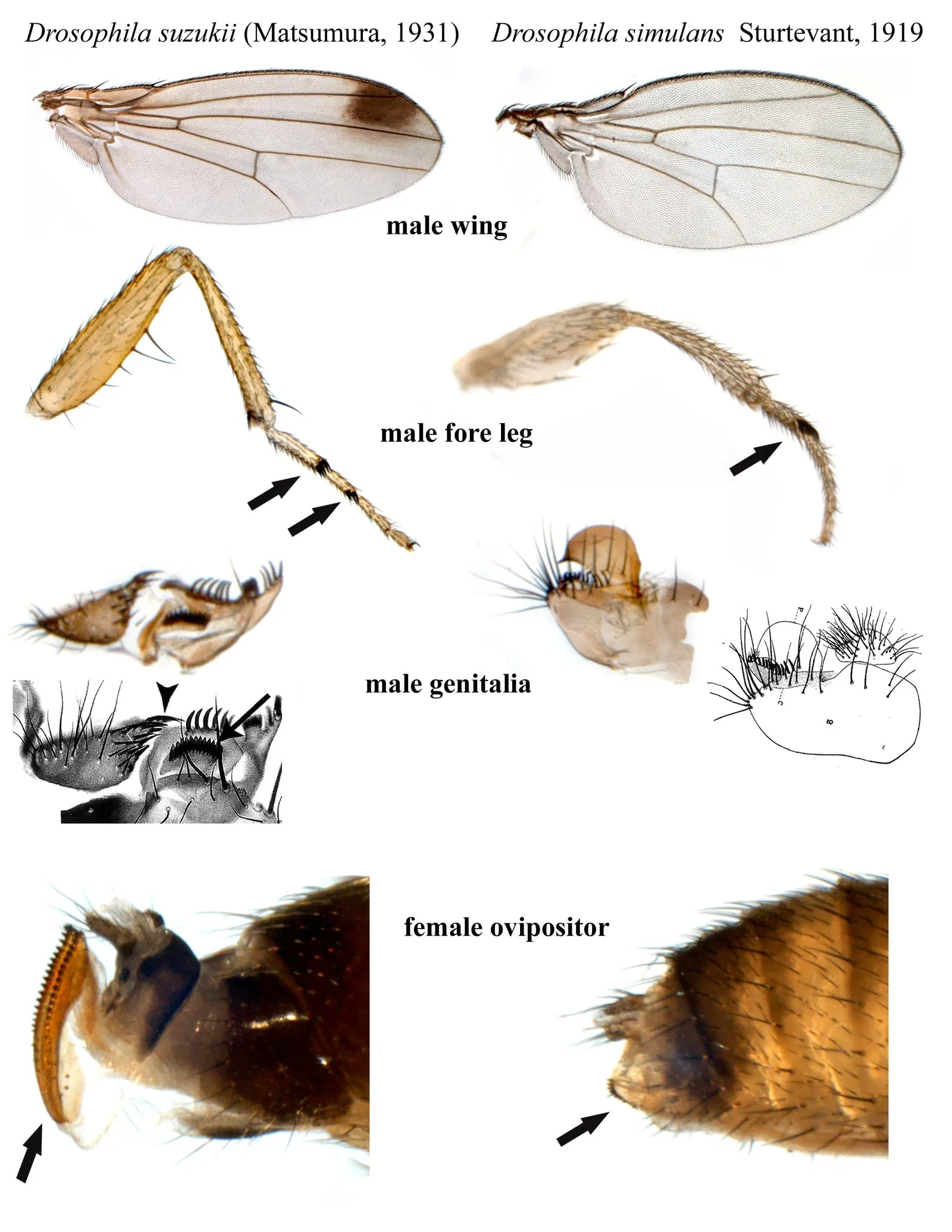
Drosophila suzukii
Invasive vinegar fly that attacks ripening soft fruit, unlike native Drosophila species which target overripe fruit. Now the dominant berry-and-cherry pest across the US.
Multiple species
Robins, catbirds, mockingbirds, starlings, cedar waxwings and other songbirds can strip ripening berry and fruit crops in days. Crows and blackbirds also damage fresh sweet corn ears in milk stage. The single biggest yield-loss factor in unprotected home plantings.
Common challenges
The most frequent cause of home cranberry failure is inadequate water management. The plants need consistently saturated or near-saturated soil through the growing season, a condition that drip irrigation and occasional deep watering cannot reliably provide. Without a constructed bed that retains water at the root level, plantings stress during dry spells and produce little. This is the threshold condition: if the site cannot hold moisture reliably, the crop is not a good fit.
Soil pH drift is the second common problem. Even in beds started at the correct pH, alkaline irrigation water and natural soil buffering can push pH above 5.5 within two or three seasons. At that point, nutrient uptake falters and yields drop before most growers identify the cause. Annual pH testing and targeted sulfur applications are ongoing maintenance items, not one-time corrections.
Gray mold (Botrytis) is the most widespread disease problem in home plantings, particularly during wet falls when humidity stays high around ripening berries. UMass Cranberry Station documents its management in commercial settings; the core principle applies equally at home scale: maximize airflow over the bed and avoid late-season overhead irrigation. Phytophthora root rot surfaces when drainage below the root zone is insufficient, which reinforces the case for careful bed construction from the start rather than trying to remediate a poorly drained site after planting.
Frequently asked questions
- How many chill hours does cranberry need?
Cranberry requires 1,500 to 2,000 chill hours (hours below 45°F) annually. This is one of the highest chill-hour requirements among small fruits, which confines reliable production to zones 3a through 7a. Growers at the zone 7a edge should verify local chill-hour accumulation before committing to a bed.
- How long does it take cranberry to produce a full crop after planting?
Cranberry ripens 90 to 110 days after bloom, typically September through October. New plantings produce little fruit in years one and two as vines establish and spread by runners. Meaningful yields generally begin in year three or four and increase as the bed fills in.
- What USDA zones can cranberry grow in?
Cranberry is reliably productive in zones 3a through 7a. It is a cold-climate native with high chill-hour demands. Zone 7b and warmer typically do not accumulate sufficient winter cold for consistent flowering and fruiting.
- Does cranberry need a pollinator nearby?
Cranberry is partially self-fertile but sets significantly more fruit with bee activity, particularly bumblebees. Planting two or more varieties improves cross-pollination. Commercial operations introduce managed hives at bloom; home growers benefit from a garden environment that supports native bee populations.
- What is the most common disease affecting home cranberry plantings?
Gray mold (Botrytis) is the most common fungal disease, striking ripening fruit during cool, humid fall weather. UMass Cranberry Station documents its management in detail. Maximizing airflow over the bed, avoiding overhead irrigation near harvest, and removing damaged fruit promptly are the primary controls.
- What soil pH does cranberry require?
Cranberry needs strongly acidic soil in the 4.0 to 5.0 pH range. Most garden soils fall above this range and require sulfur amendment before planting. Because alkaline irrigation water and natural soil buffering can raise pH within a few seasons, annual testing is necessary.
- Can cranberry be grown without a natural bog or wetland?
Yes, but the site must replicate bog conditions. Raised beds lined with plastic and filled with sandy peat over a water-retaining base are the standard home approach. The goal is consistently saturated soil at the root level with drainage below to prevent rot. Standard garden beds rarely provide adequate consistent moisture.
+−
+−
+−
+−
+−
+−
+−
Sources
Image: "Vaccinium macrocarpon (15054125499)", by Kristine Paulus, via Wikimedia Commons, licensed under CC-BY. Source.
.jpg)
Cranberry by zone
Related