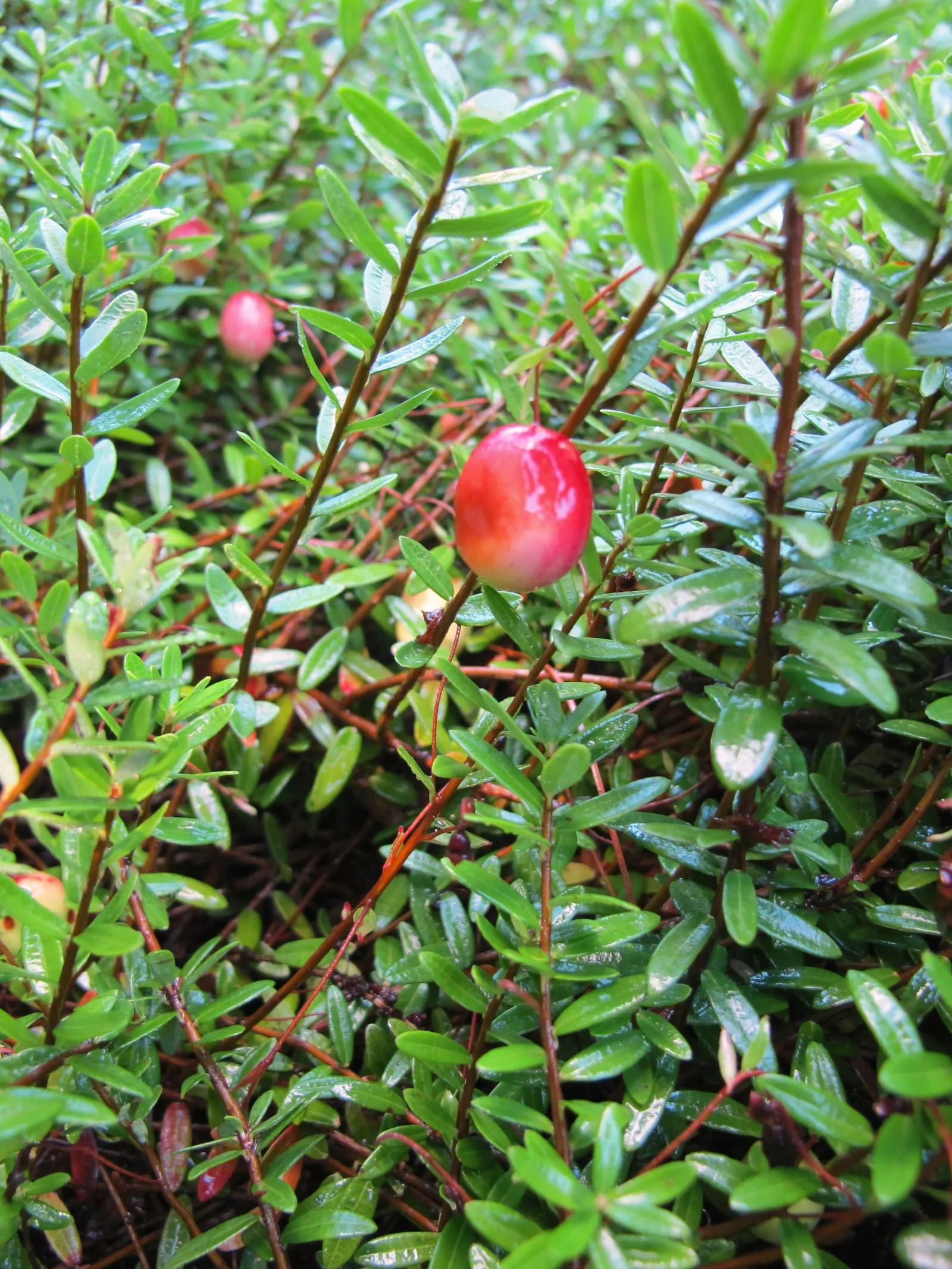
berry in zone 6b
Growing cranberry in zone 6b
Vaccinium macrocarpon
- Zone
- 6b -5°F to 0°F
- Growing season
- 190 days
- Chill needed
- 1500 to 2000 below 45°F
- Suitable varieties
- 2
- Days to harvest
- 90 to 110
The verdict
Cranberry is a marginal crop in zone 6b, with chill-hour accumulation as the primary limiting factor. The crop requires 1,500 to 2,000 hours below 45°F, and zone 6b sites frequently land near the lower boundary of that range or fall short in mild winters. Growers at higher elevations or in sheltered inland locations within zone 6b will accumulate chill hours more reliably than those in urban heat islands or near the Atlantic coast.
Cold hardiness is less of a concern. Cranberry vines tolerate temperatures well below the zone 6b minimum of -5°F when dormant, particularly when protected by a snow layer or winter mulch.
The zone's 190-day growing season is adequate for both Stevens and Howes. Stevens is a high-yielding mid-to-late-season variety; Howes ripens later and runs toward the end of the harvest window but still fits within the frost-free period in most zone 6b locations. In a zone where chill hours are borderline, selecting proven cold-climate varieties like these rather than experimental introductions makes sense.
Recommended varieties for zone 6b
2 cultivars suited to this zone, with disease-resistance and zone-fit annotations.
| Variety | Notes | Zone fit | Disease resistance |
|---|---|---|---|
| Stevens fits zone 6b | Tart, firm, deep red berries with classic cranberry punch; sauce, juice, dried, baking. The dominant commercial cultivar in the US, vigorous and productive. Requires bog or constructed-bed conditions. | | none noted |
| Howes fits zone 6b | Tart, classic flavor, small-medium oval berries; the heritage Massachusetts variety, holds well in storage. Slow but reliable producer. | | none noted |
Critical timing for zone 6b
Cranberry vines in zone 6b typically break dormancy in early April and reach bloom by late May to early June, once daytime temperatures settle consistently into the low 60s°F. The critical vulnerability is the period between bud break and bloom: a late frost after mid-April can damage developing flowers. Zone 6b last-frost dates generally fall between April 1 and April 15, so bloom ordinarily clears the frost window, though cold snaps in late April remain possible in colder microclimates and higher-elevation sites.
Harvest falls between mid-September and late October depending on variety. Howes, the later-ripening of the two recommended varieties, runs toward the end of that window. Zone 6b's first fall frost typically arrives between October 15 and November 1, leaving adequate time for berry maturation before a killing freeze in most years.
Common challenges in zone 6b
- ▸ Cedar-apple rust
- ▸ Fire blight
- ▸ Stink bugs
Disease pressure to watch for
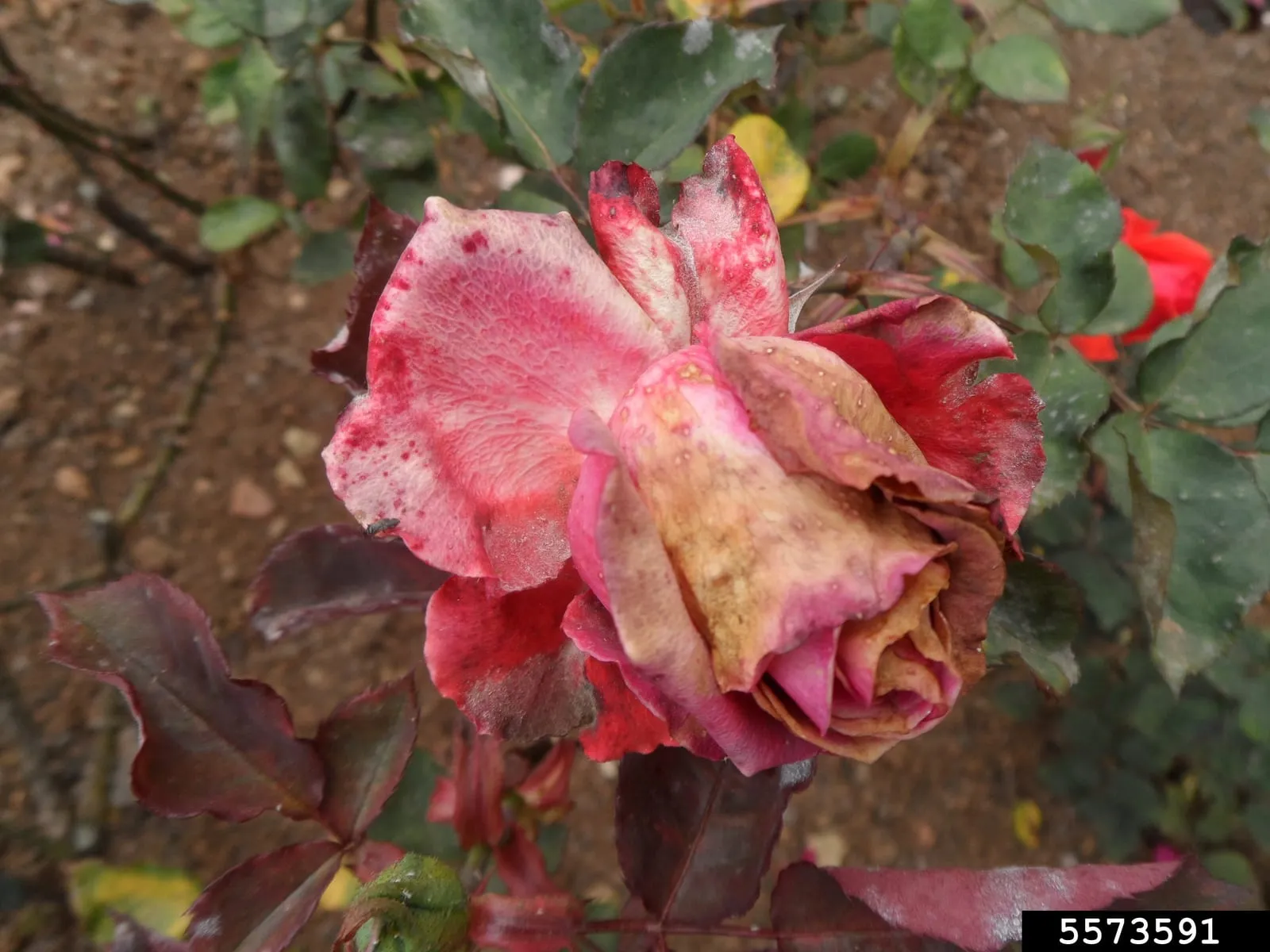
Botrytis cinerea
Ubiquitous fungal disease that causes fruit rot during cool wet weather, often the dominant berry disease in humid regions.
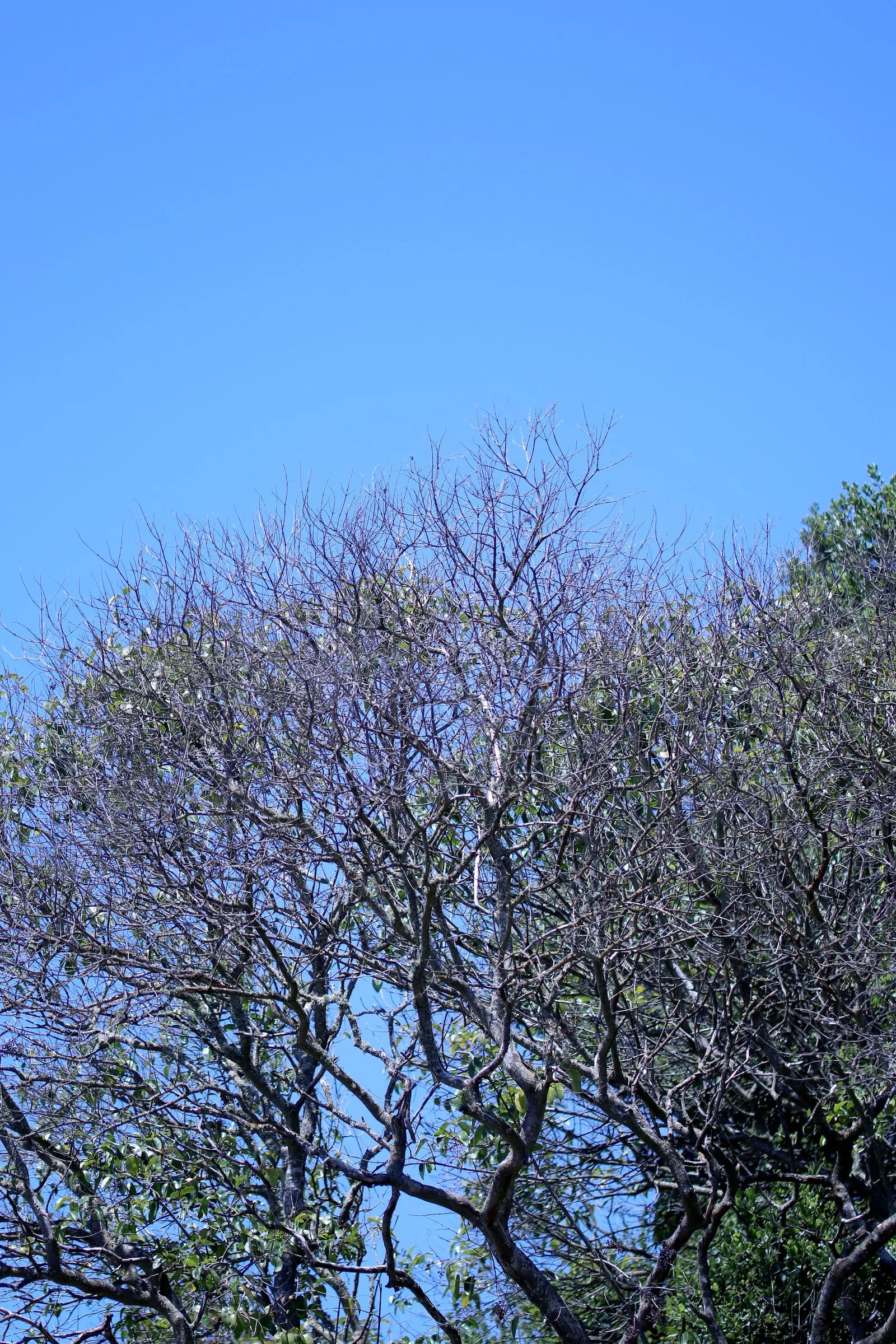
Phytophthora species
Soil-borne water mold that destroys roots in waterlogged soils, the leading cause of blueberry decline in poorly drained sites.
Modified care for zone 6b
Zone 6b's summer humidity creates favorable conditions for Gray Mold (Botrytis cinerea), especially during bloom. Improving air circulation through attentive bed management and avoiding overhead irrigation during flowering reduces infection pressure meaningfully. Phytophthora root rot is the other primary concern; although cranberries tolerate saturated soil during deliberate flooding cycles, standing water from uncontrolled rain events promotes root infection. Beds should drain within 24 hours of heavy rainfall, a standard that requires attention in zone 6b where summer storms can deliver intense precipitation.
Stink bugs, which are a documented zone 6b pest pressure, can pierce and damage berries from late August onward. Monitoring populations through that period and using row cover or exclusion netting over beds where pressure is heavy is worth considering for small-scale plantings.
Winter flooding, the standard commercial protection method, is impractical at home scale in zone 6b. Applying a 3- to 4-inch layer of pine bark mulch over vines before the first hard freeze provides an alternative means of crown protection during the coldest months.
Cranberry in adjacent zones
Image: "Vaccinium macrocarpon (15054125499)", by Kristine Paulus, via Wikimedia Commons, licensed under CC-BY Source.
.jpg)
Related